Products

Featured products

Contact us

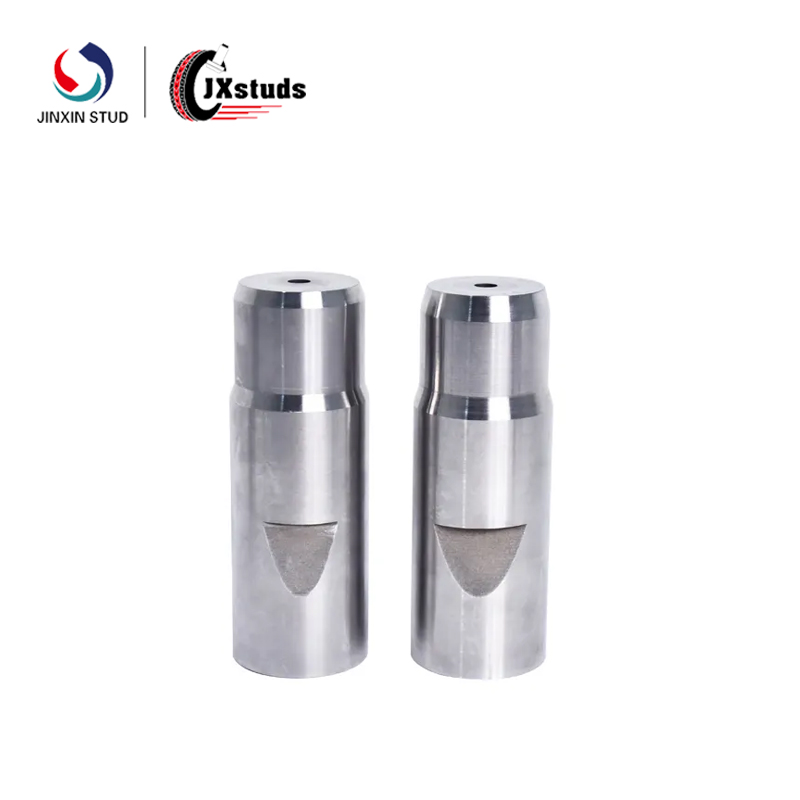
  • TPA Press Carbide Powder Molding Die | High-Performance Tooling for Complex Blank Forming
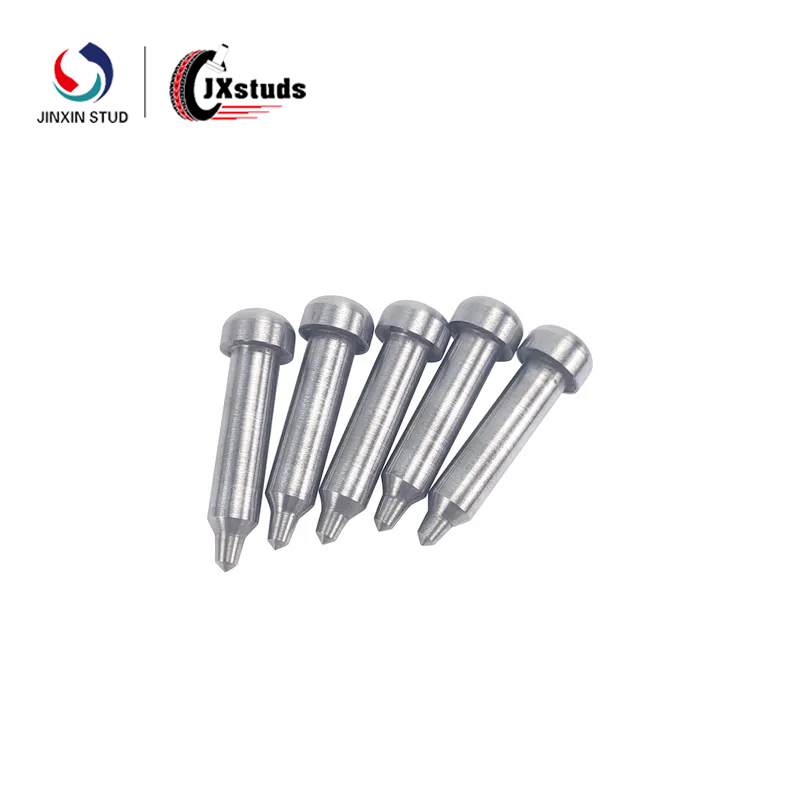
  • TPA Press Carbide Powder Molding Die | High-Performance Tooling for Complex Blank Forming
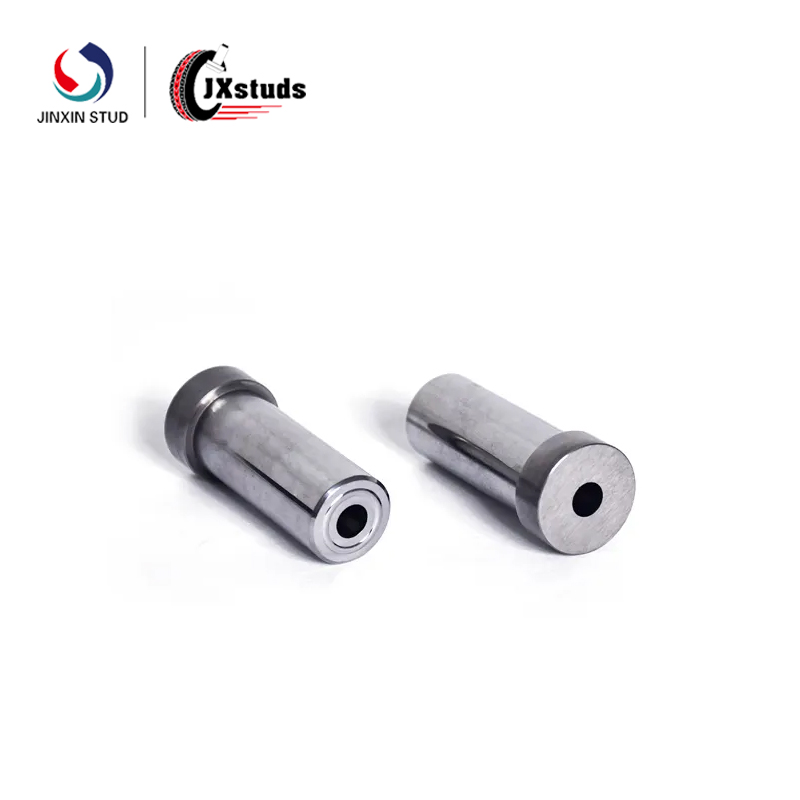
  • TPA Press Carbide Powder Molding Die | High-Performance Tooling for Complex Blank Forming
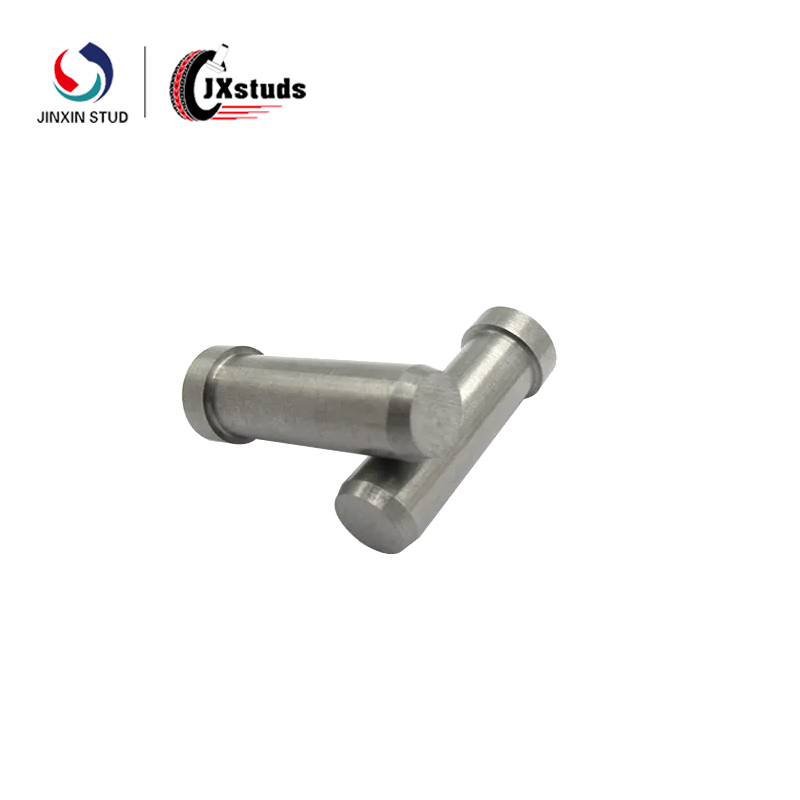
  • TPA Press Carbide Powder Molding Die | High-Performance Tooling for Complex Blank Forming
  • video

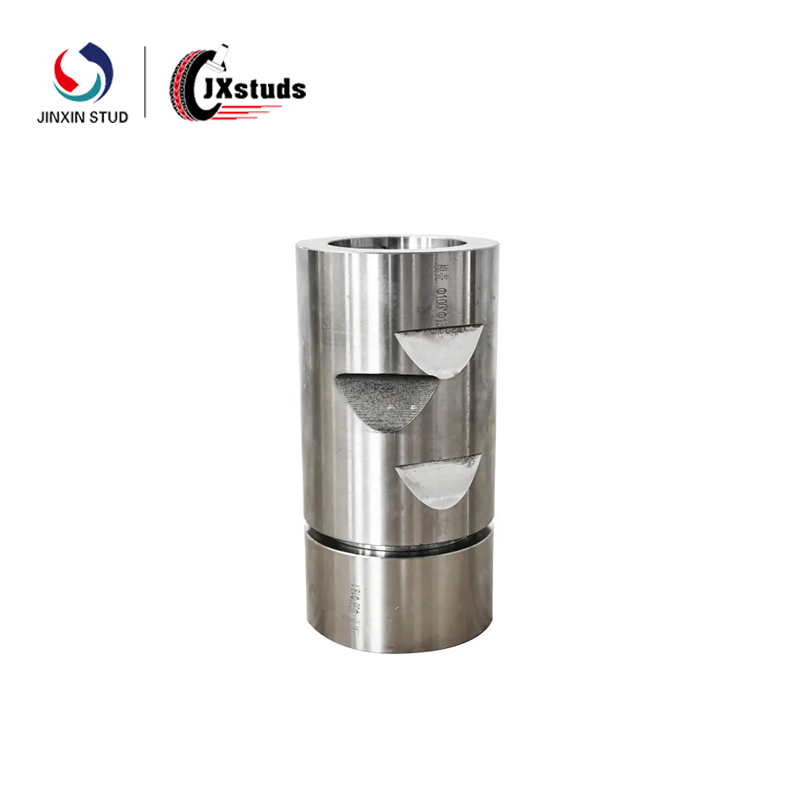
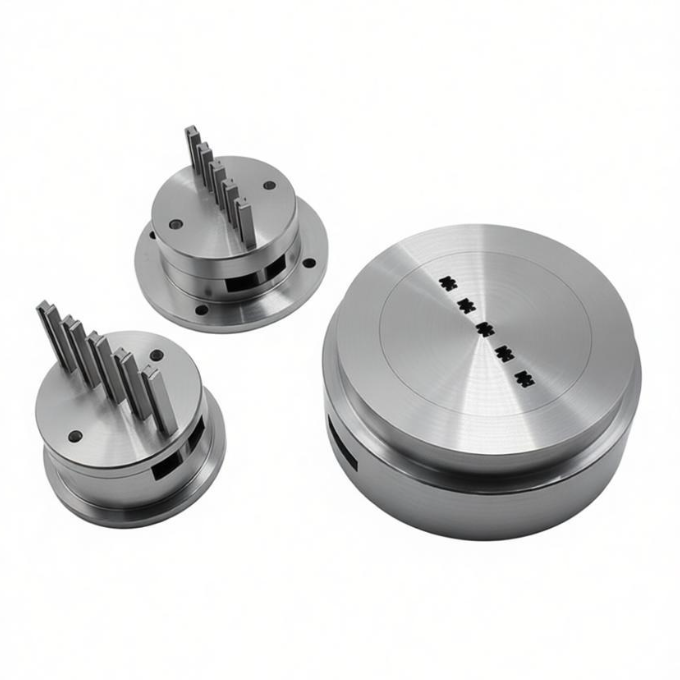
TPA Press Carbide Powder Molding Die | High-Performance Tooling for Complex Blank Forming

  • Jinxin group
  • CHINA
  • ≥15 days
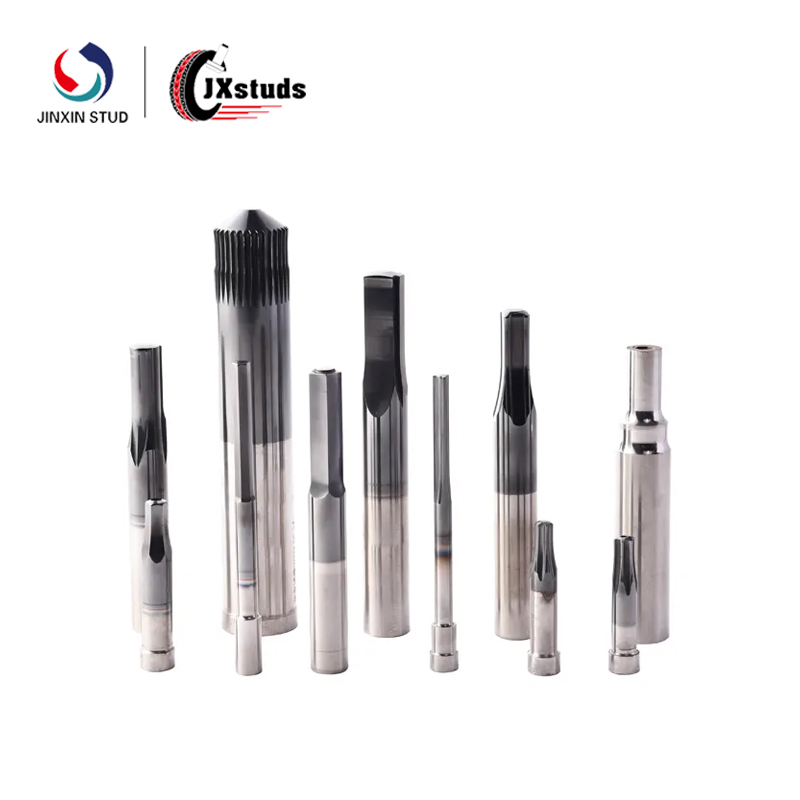
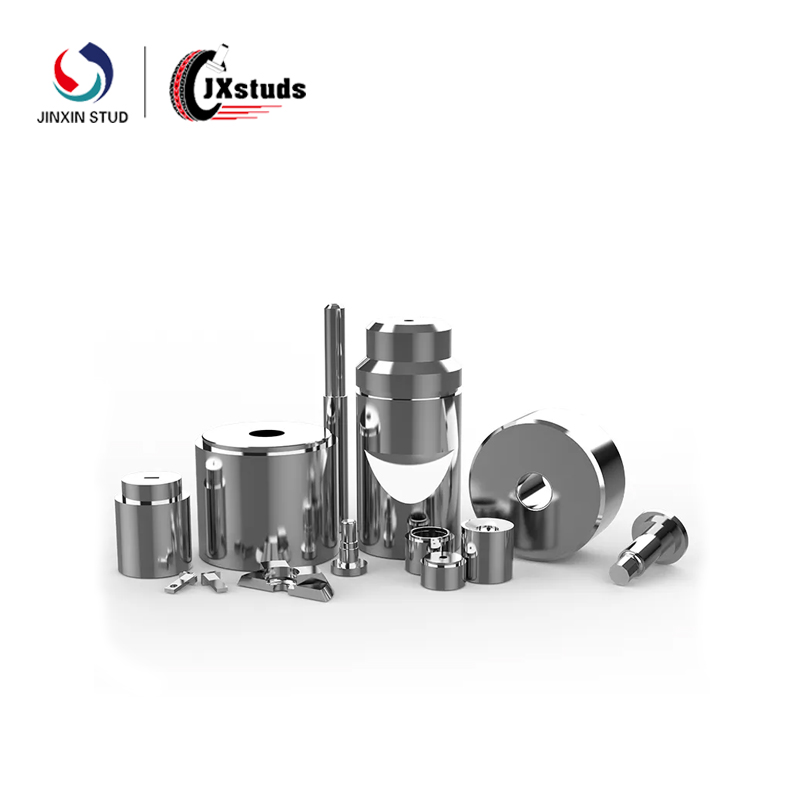
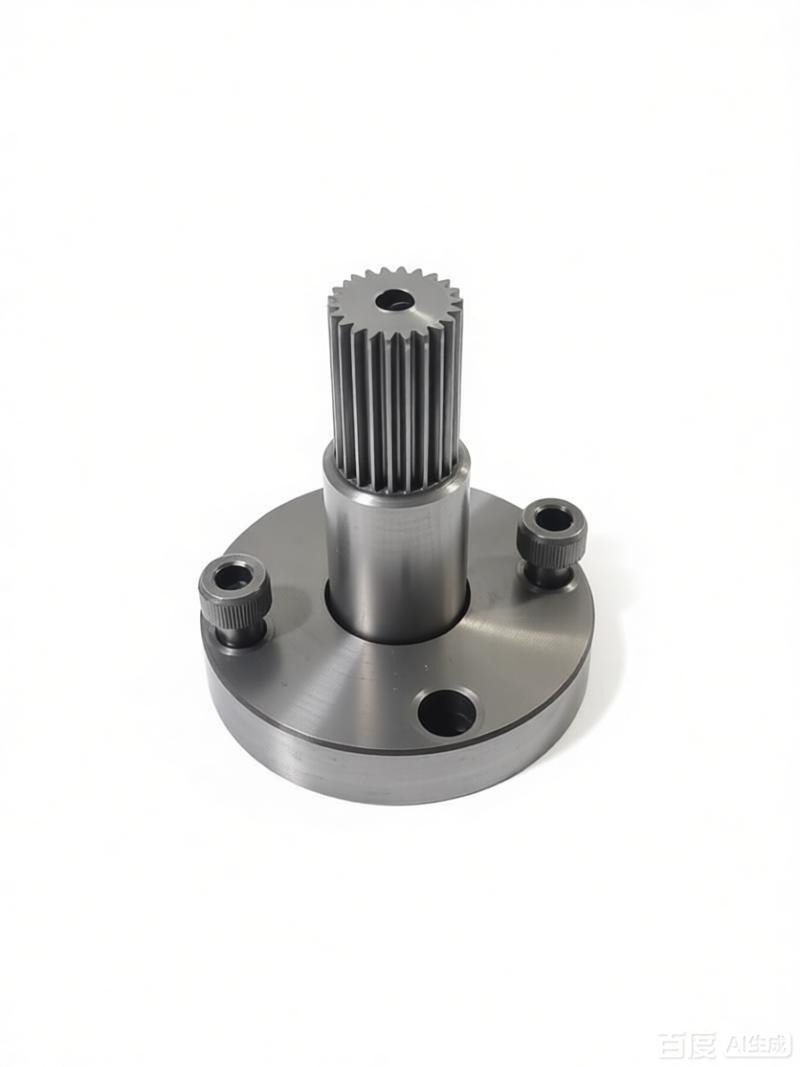
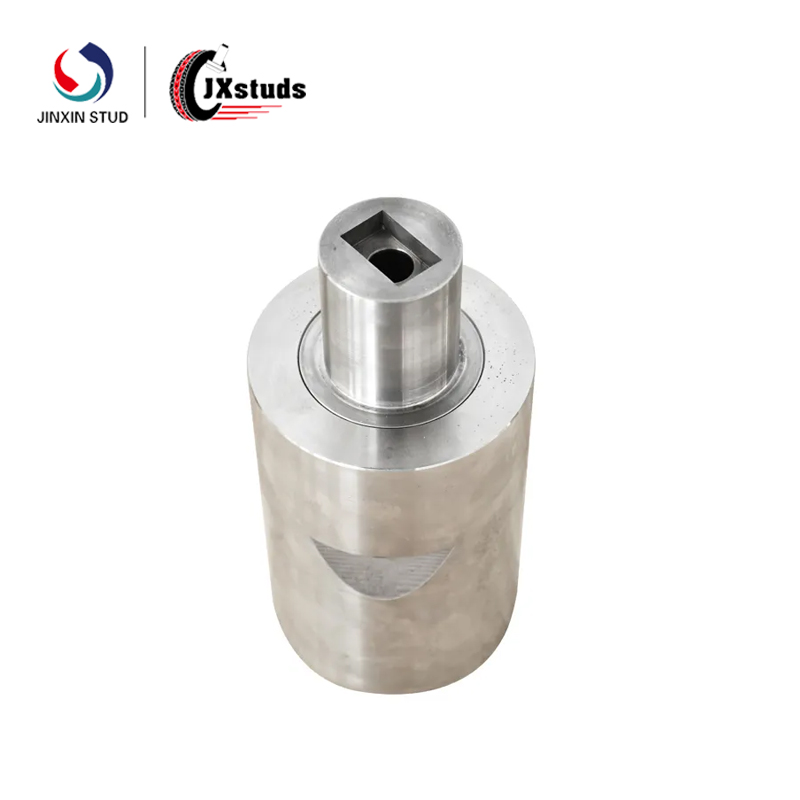
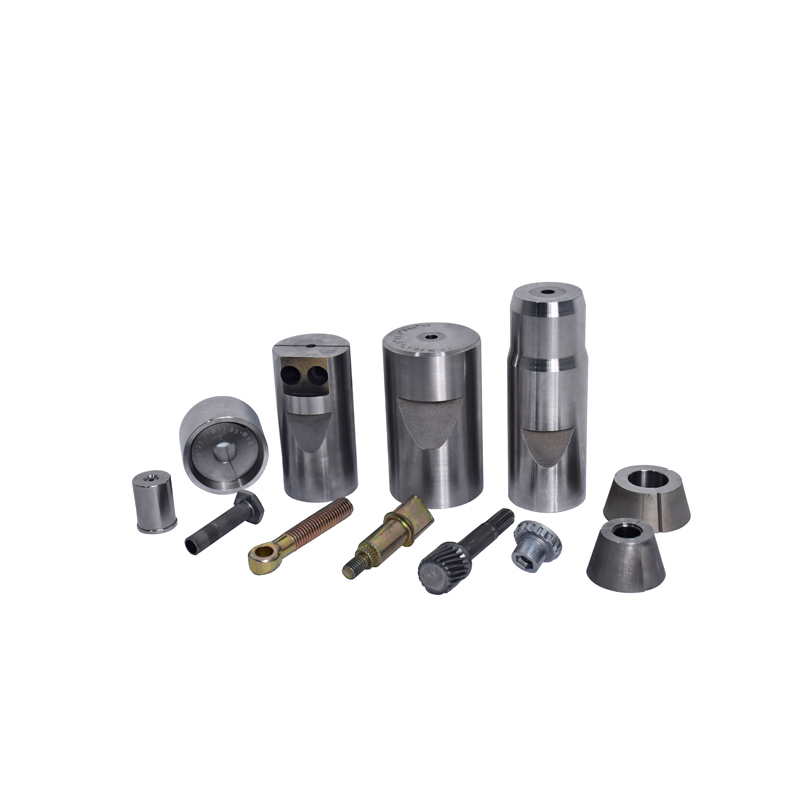
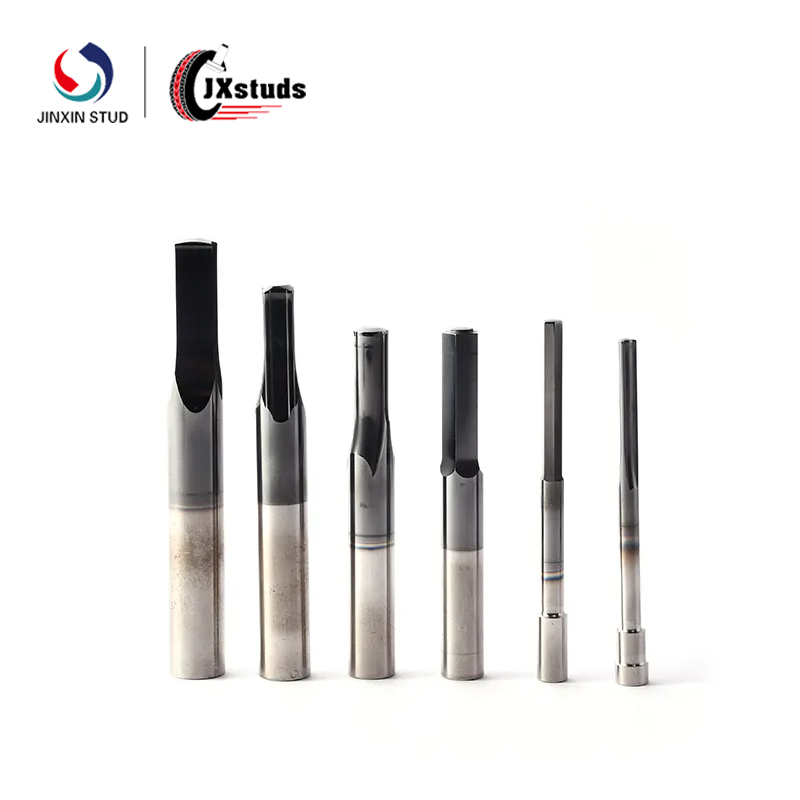
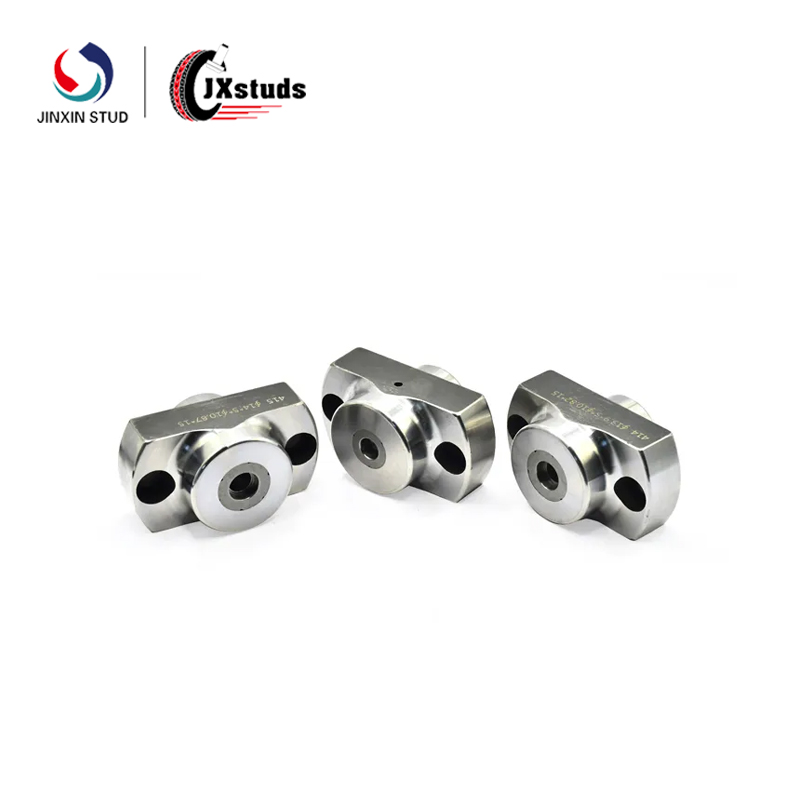
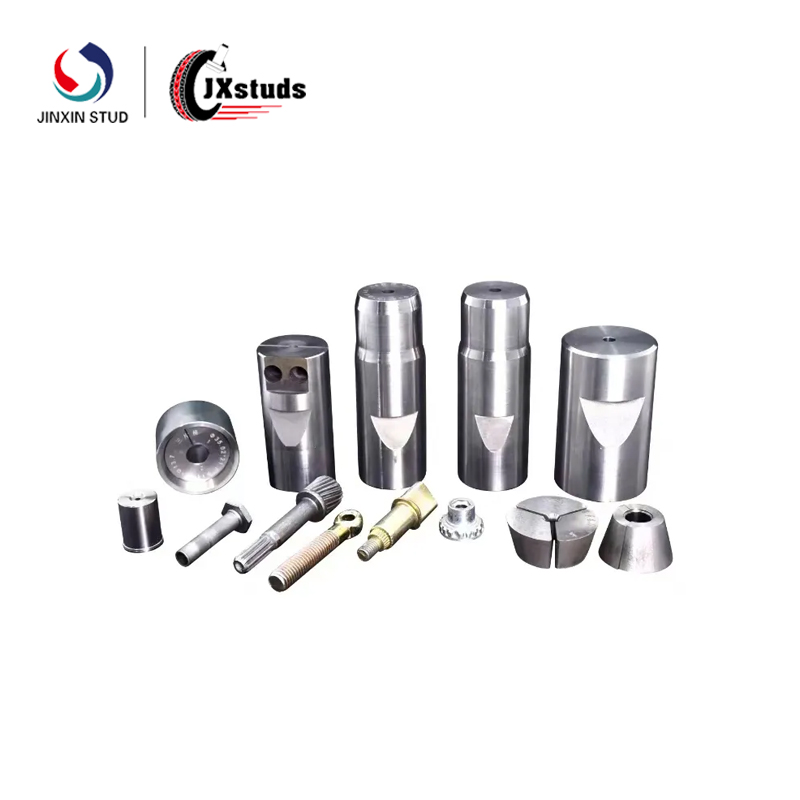
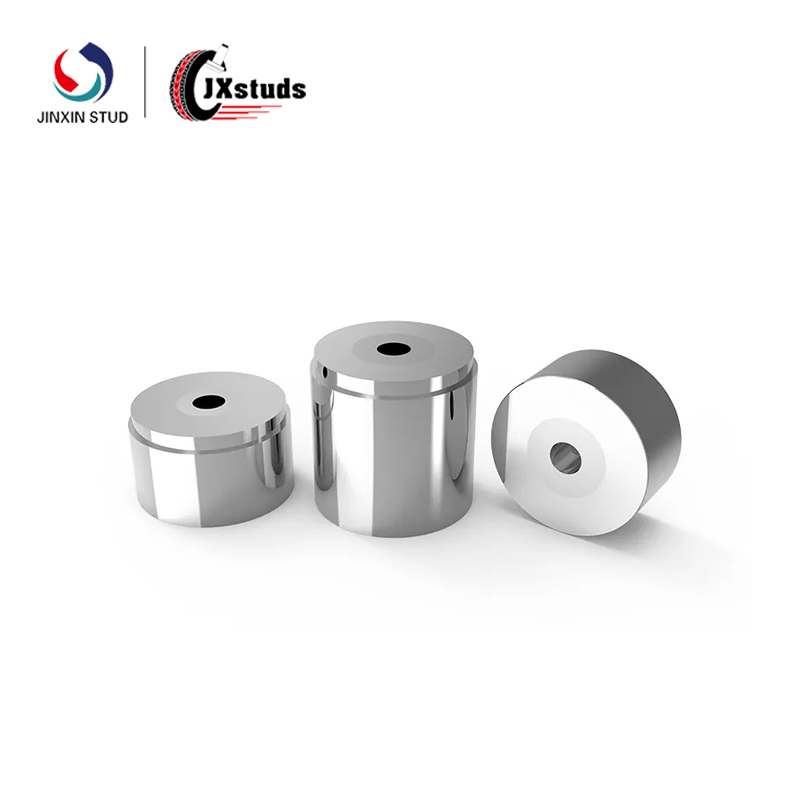
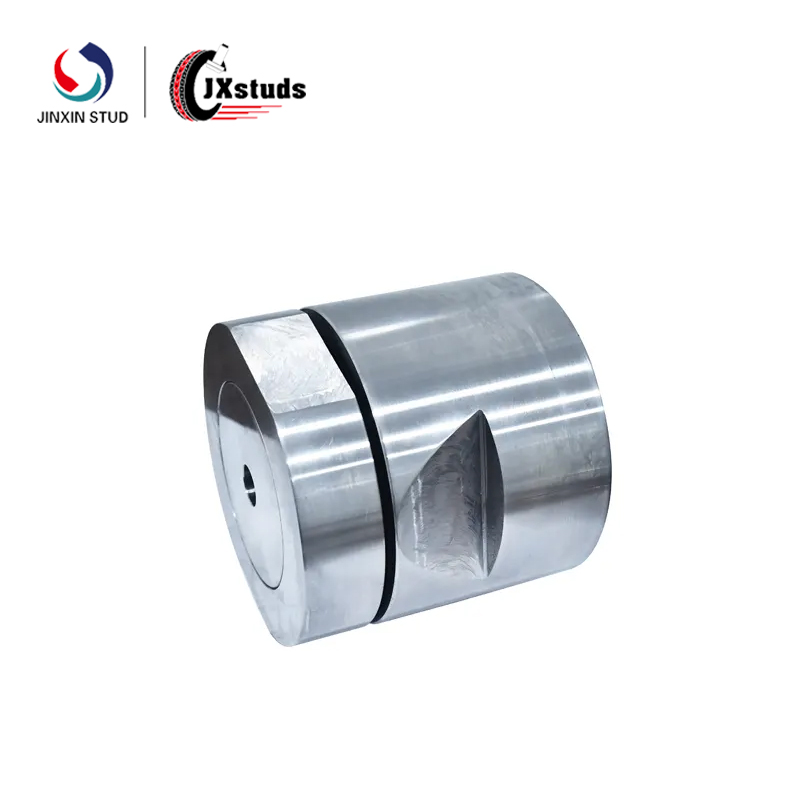
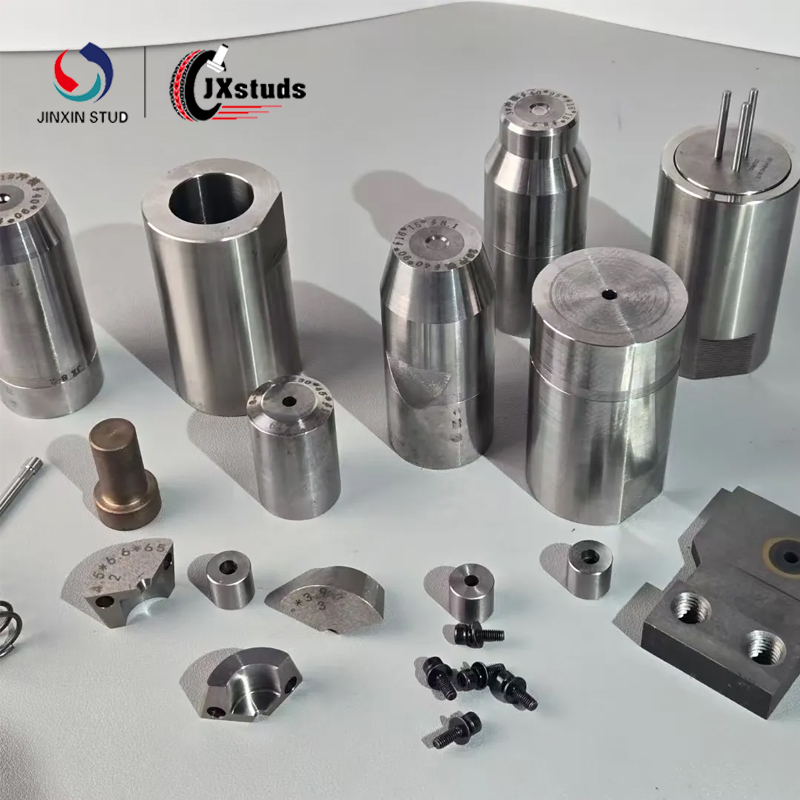
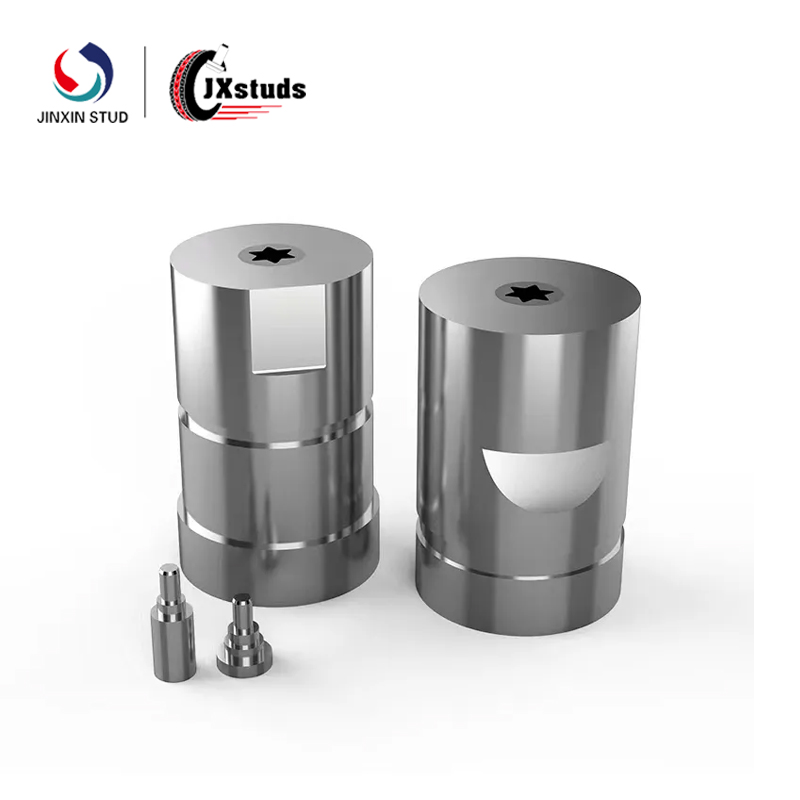
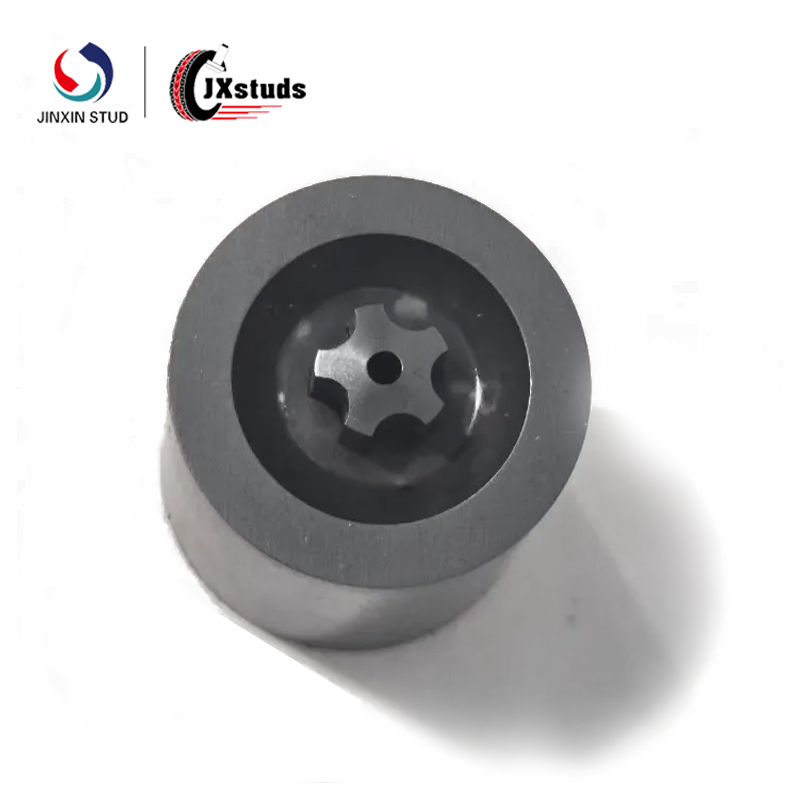
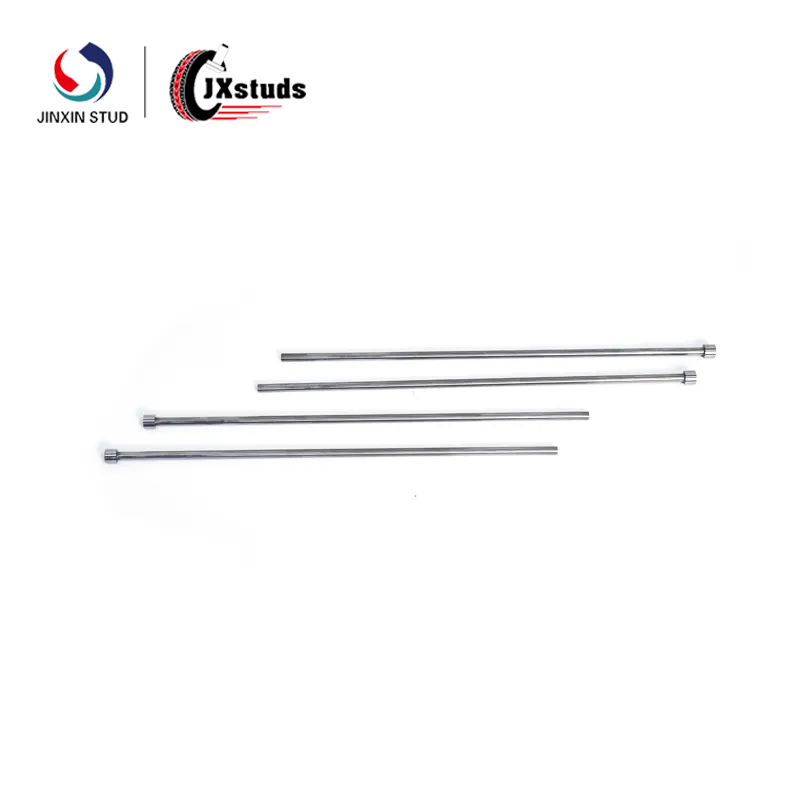
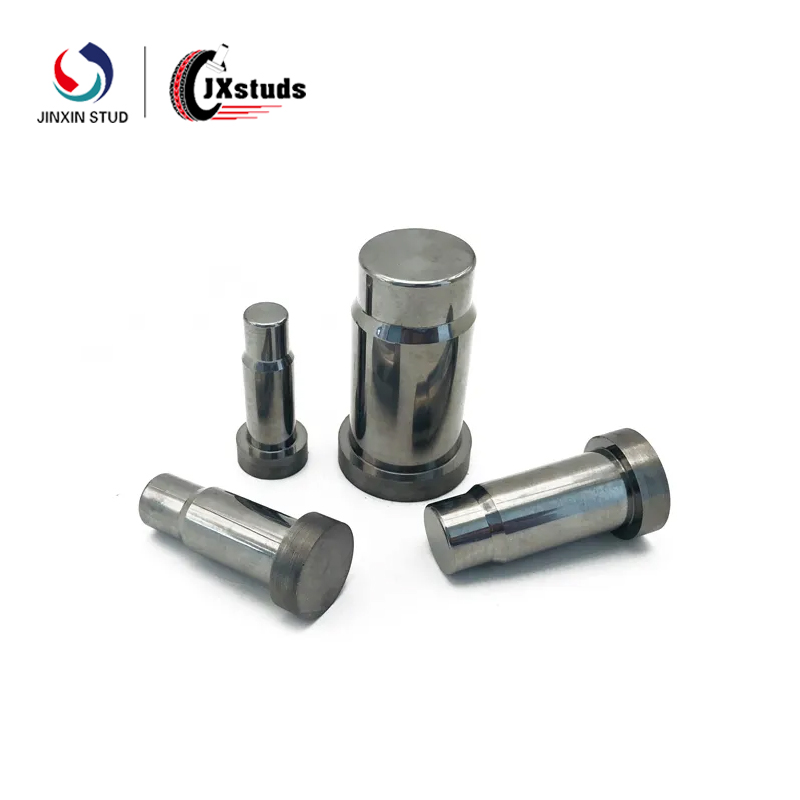
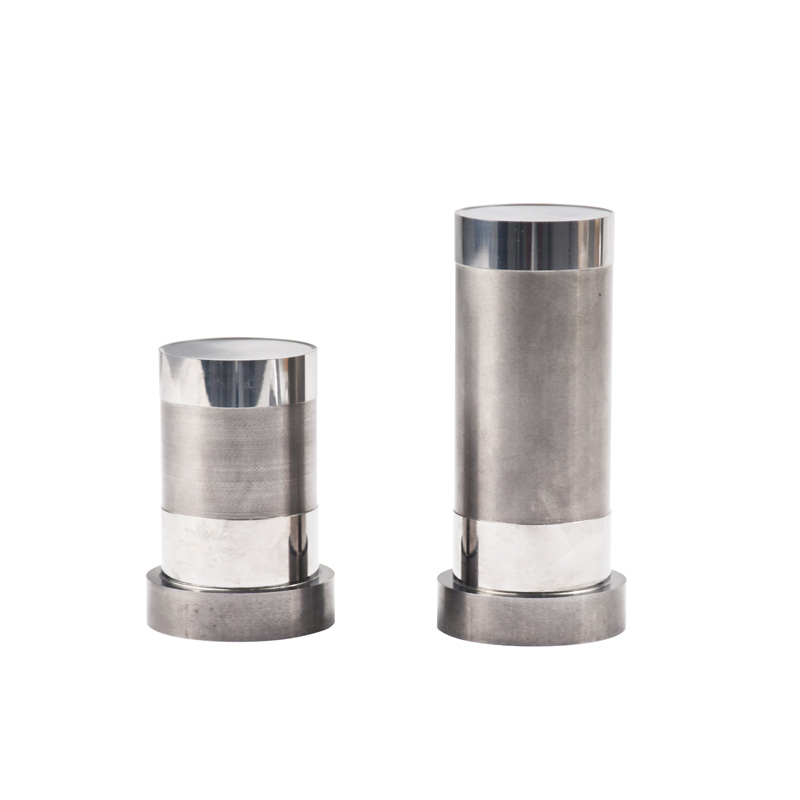
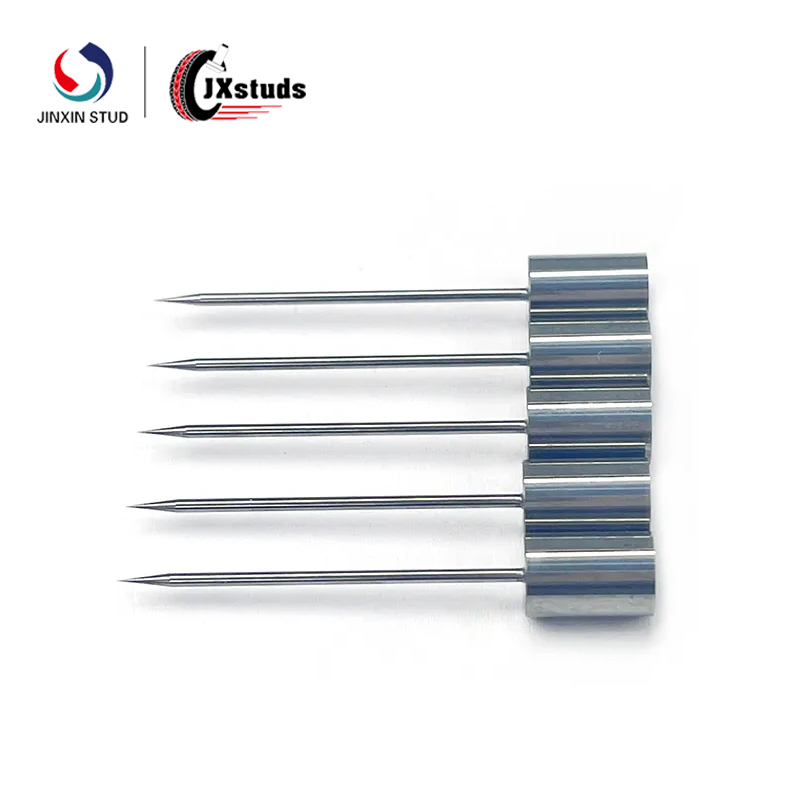
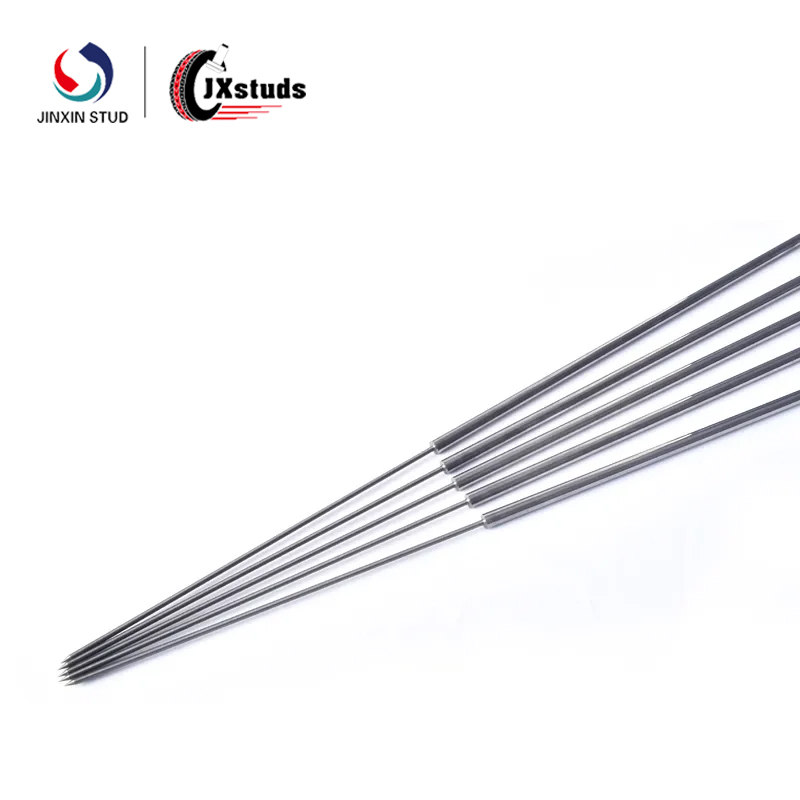
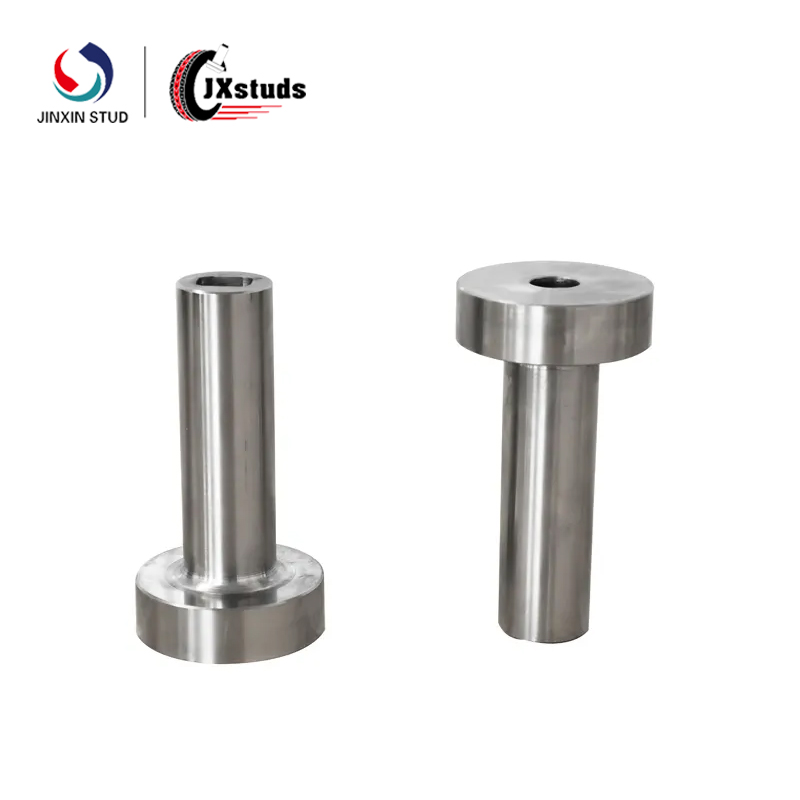
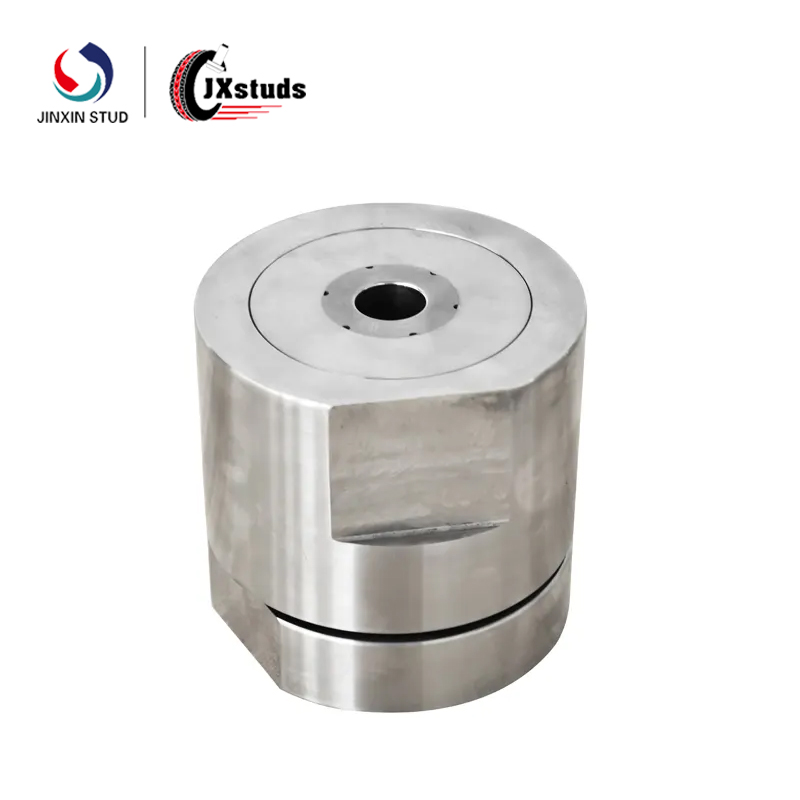
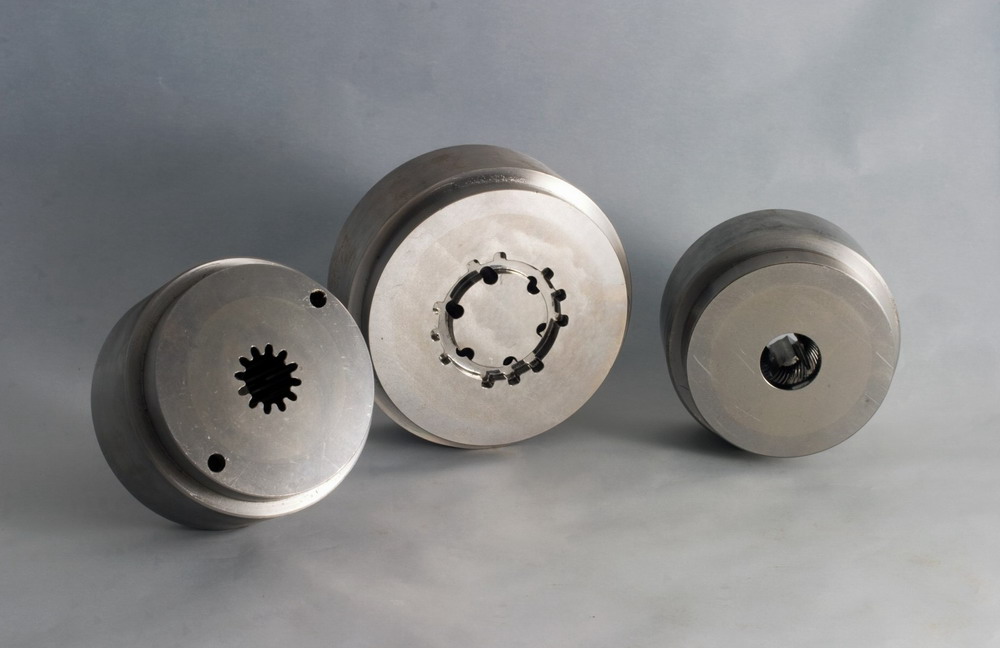
Engineered specifically for TPA (mechanical full-auto dry powder press) systems, our Carbide Powder Molding Die delivers superior performance in the high-volume production of precision parts from metal, ceramic, and hard alloy powders. These high-performance tools are the critical interface between TPA press equipment and the powder material, transforming loose powders into dimensionally accurate, high-density "green compacts" ready for sintering. Manufactured from premium tungsten carbide (WC-Co) with exceptional hardness (HRA 85–92), our molds exhibit outstanding high-temperature resistance, extreme wear resistance, and superior corrosion resistance—key properties for forming complex, high-value components in demanding environments. Our molds feature fully customizable geometries, including intricate stepped profiles, tapered bores, and multi-level cavities, specifically designed to accommodate the TPA process's unique double-pressing action that ensures uniform green density across the workpiece. Supporting a wide range of powder materials—including iron, copper, stainless steel, magnetic materials, and refractory metals—our carbide tooling is the premier choice for manufacturers seeking consistent quality and extended tool life in powder metallurgy.

What is a TPA Press Carbide Powder Molding Die?

This specialized tooling is designed for use with TPA (mechanical-type fully automatic dry powder presses), a class of high-productivity equipment that employs a double-pressing action to achieve superior part density and uniformity. In a TPA press, the mold, comprised of upper and lower punches and a die cavity, is subjected to a carefully orchestrated sequence of movements, including pre-press, pressure-holding, and three-step non-simultaneous pressing stages. This process, unlike conventional single-press methods, ensures that powder is compacted evenly from both the top and bottom, creating a neutral layer in the middle of the compact for consistent density distribution.

The core role of the carbide mold is to withstand these repeated, high-pressure cycles while maintaining its precise geometry to produce complex, near-net-shape blanks.

Material Properties: The Power of Tungsten Carbide

The superior performance of these molds is rooted in their material composition. Manufactured from tungsten carbide—a metal matrix composite comprising hard tungsten carbide (WC) particles bound in a metallic binder (typically cobalt)—the molds deliver unmatched durability under extreme conditions.

Property

Performance Parameter

Benefit

Hardness

HRA 85–92 (HV 1800–2200)

Resists abrasive wear from hard metal and ceramic powders; maintains critical dimensional tolerances for extended production runs.

High-Temperature Resistance

Maintains >90% hardness up to 900°C

Withstands the heat generated during high-speed pressing and friction, preventing deformation and thermal fatigue.

Wear Resistance

10–20× longer life vs. tool steel

Drastically reduces tool change frequency and rework, lowering overall production costs and downtime.

Corrosion Resistance

Resists chemical attack from binders and coolants

Maintains surface integrity and prevents performance degradation in aggressive powder environments.

Compressive Strength

>4000 MPa

Handles the high pressure (50–300 MPa) of the TPA press without failure, ensuring stable operation.

The TPA Advantage: Double-Pressing for Density Uniformity

TPA presses utilize a double-pressing technique, which is a key factor in the superior quality of the resulting parts. During the process, the powder is compacted simultaneously from the top and bottom. This creates a neutral layer in the center of the powder column that remains relatively static during pressing.

This method offers distinct advantages over the single-pressing technique used in traditional hydraulic presses:

· 

Uniform Density: The double-pressing action, coupled with features like the TPA press's three-stage pressing cycles, ensures that density is evenly distributed throughout the blank, eliminating variations that can cause cracking, warping, or dimensional inconsistencies during sintering.

· 

· 

Improved Quality: Uniform density translates to a more predictable and consistent final product with superior mechanical properties.

· 

· 

Reduced Scrap: Fewer defects during the sintering stage result in a higher yield and lower material waste.

· 

Custom Configuration Capabilities

We understand that every application has unique requirements. Our carbide molds are fully customizable to match specific part geometries, powder characteristics, and TPA press models. Typical customization parameters include:

Parameter

Options

Part Shape

Cylindrical, rectangular, stepped, flanged, tapered, multi-level, and complex non-standard profiles.

Die Cavity

Round, square, rectangular, oval, and customer-specified non-standard shapes.

Core Configuration

Straight bore, tapered bore, stepped bore, or blind hole for internal features.

Punch Design

Flat, contoured, stepped, or with specialized inserts for delicate features.

Mold Set Configuration

Can be tailored to fit TPA presses with options for upper-lower single-punch or upper-lower dual-punch mold sets.

Material Grade

YG8, YG15, YG20, or a customer-specified composition to optimize performance for specific powders (e.g., high wear resistance for abrasives, high toughness for impact-prone materials).


Get the latest price? We will reply as soon as possible (within 12 hours)