The Self-Clinching Principle: Stability Through Design
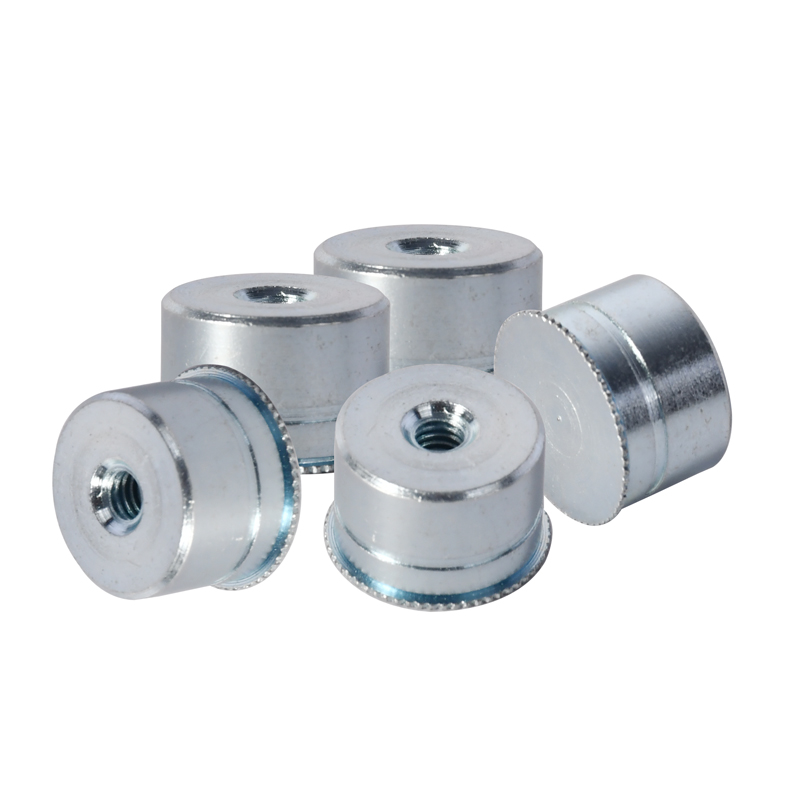
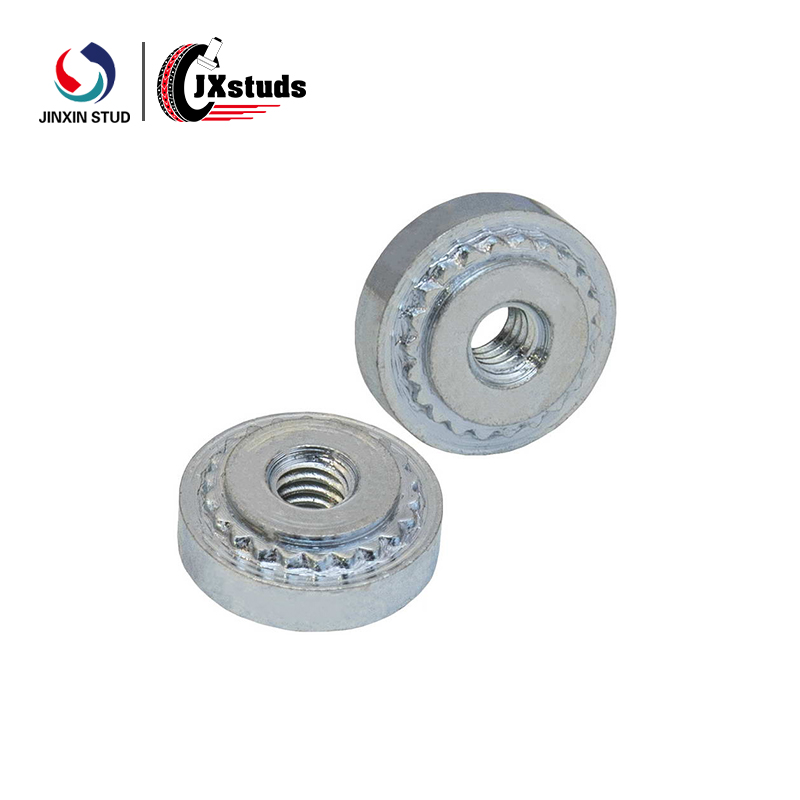
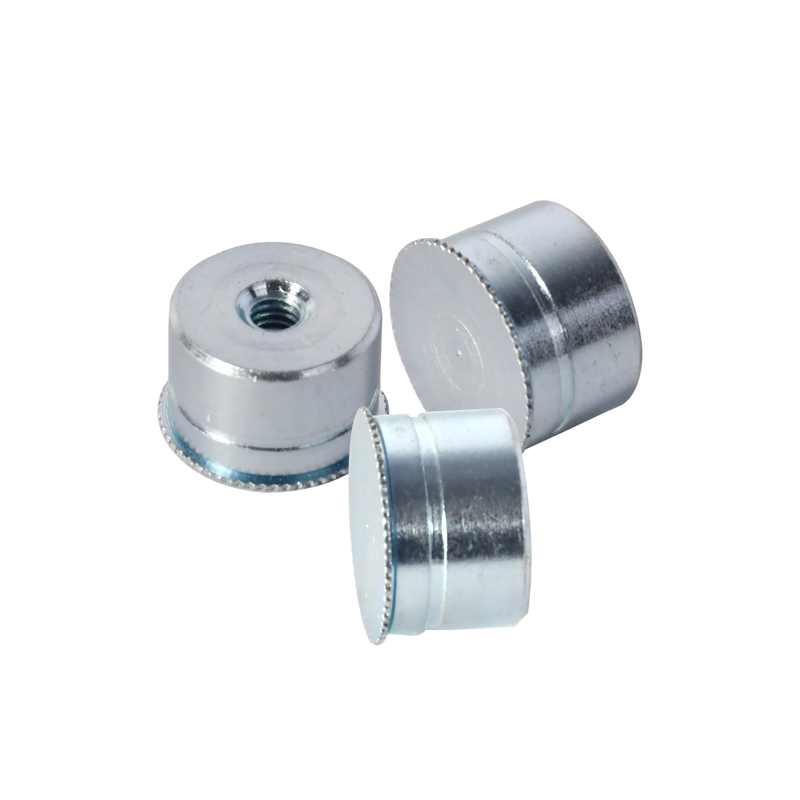
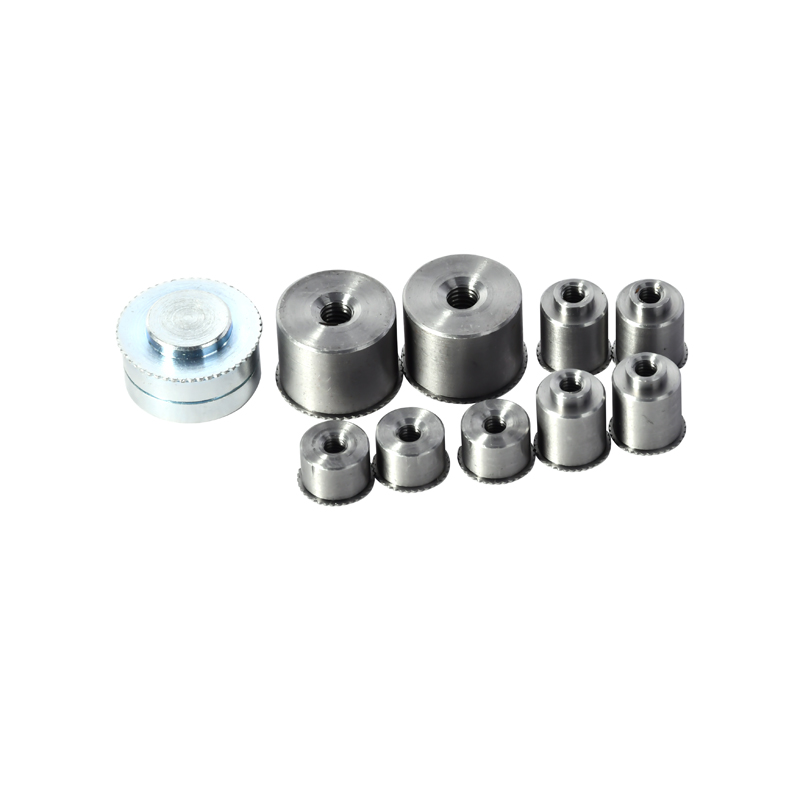
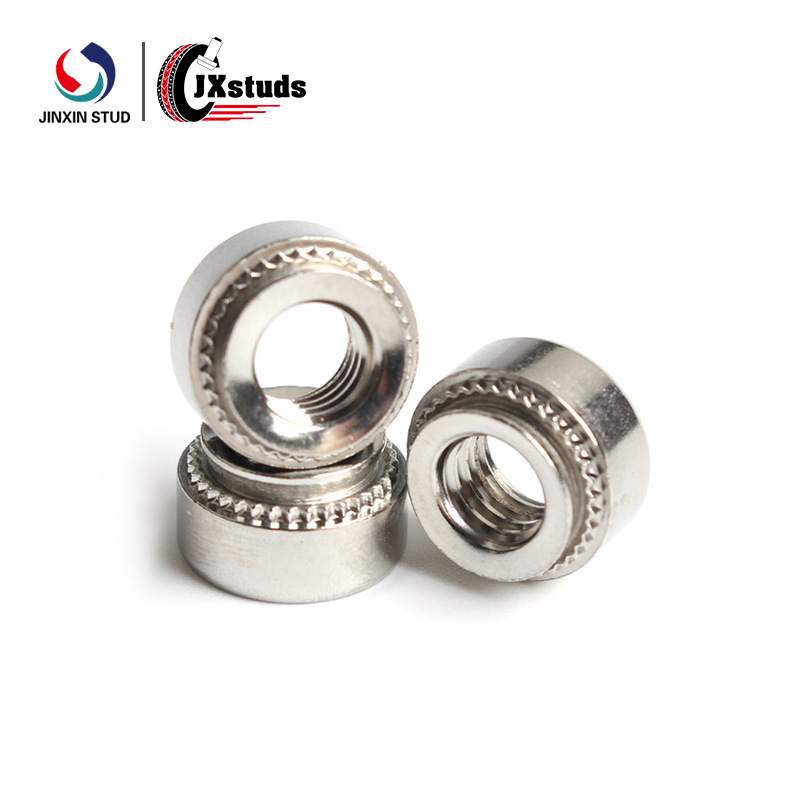
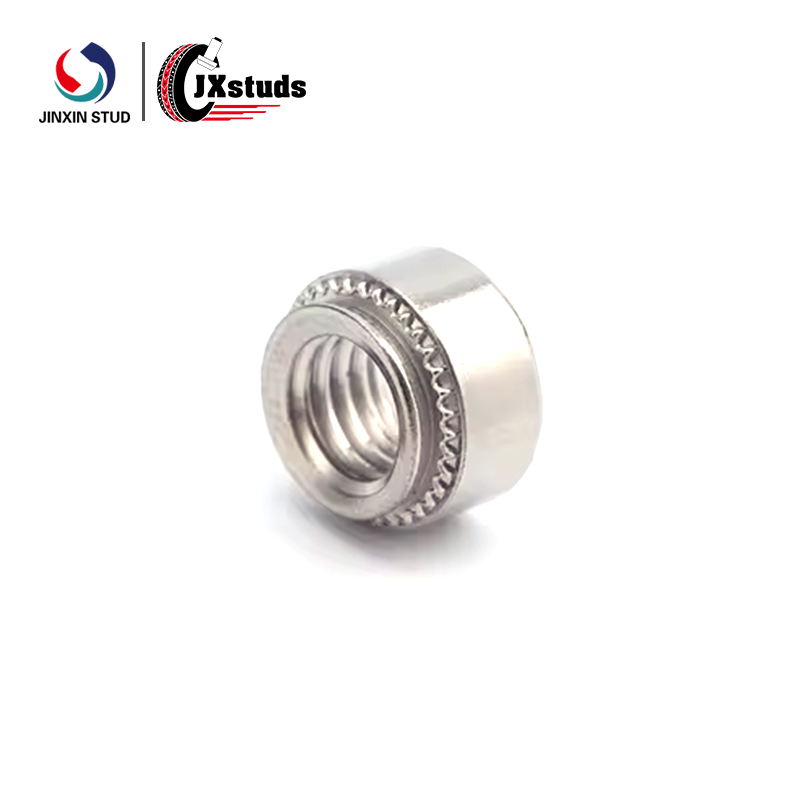
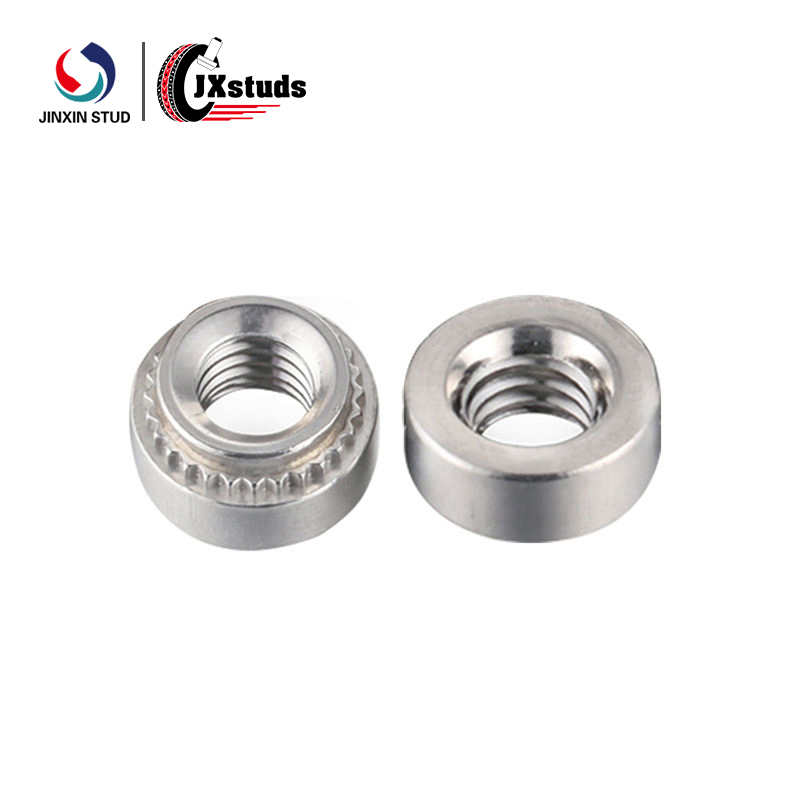
Self-clinching nuts achieve their characteristic stability through a controlled interference fit. The fastener features a specially engineered shank with an undercut, knurl, or locking groove. When pressed into a properly sized mounting hole, the displaced sheet metal flows into these features, creating a permanent mechanical lock. This cold-flow process:
Eliminates Heat Distortion: No welding means no thermal stress on sensitive electronics or painted surfaces
Preserves Material Integrity: Host panel remains flat and undamaged
Provides Consistent Retention: Push-out resistance typically 300–1,200 N, torque-out resistance 1.5–12 N·m
Maintains Thread Quality: Precision-rolled threads meet Class 2B/6H standards
Quality Assurance: Consistency Across Batches
For appliance and electrical applications, fastener reliability directly impacts assembly line uptime and field service life. Our manufacturing process emphasizes:
| Quality Parameter | Control Method | Target |
|---|---|---|
| Thread Conformance | Go/no-go gauging, 100% inspection on critical sizes | Zero thread rejects |
| Hardness Consistency | Rockwell testing per batch | ±3 HRB/HRC tolerance |
| Plating Integrity | XRF thickness measurement, adhesion tape test | Meets corrosion spec |
| Dimensional Accuracy | Optical sorting or CMM sampling | ±0.05 mm on critical features |
| Installation Performance | Push-out and torque-out validation per ASTM | Exceeds host material strength |
Material Options & Surface Finishes
| Material | Grade | Finish | Application |
|---|---|---|---|
| Carbon Steel | 10B21 / 12L14 | Zinc plating (72–240 hrs salt spray) | General appliance, cost-sensitive |
| Carbon Steel | 10B21 / 12L14 | Zinc-nickel (500–1,000 hrs) | High-humidity, commercial kitchen |
| Stainless Steel | 303 / 304 / 316 | Passivated | Medical devices, corrosion-critical |
| Aluminum | 2024 / 6061 | Clear anodize | Lightweight, conductive applications |
Customization & Batch Production
We support customer-specific requirements through dedicated tooling and batch manufacturing:
| Service | Description |
|---|---|
| Custom Thread Sizes | Metric (M2–M10), UNC/UNF (#2–3/8″), or special pitches |
| Custom Shank Lengths | Accommodate panel thicknesses from 0.5 mm to 4.0 mm |
| Special Head Styles | Flush, low-profile, countersunk, or extended pilot |
| Batch Quantities | Production runs from 5,000 to 5,000,000+ units |
| Packaging | Bulk cartons, tape-and-reel for automated insertion, or custom kitting |
Sample Validation Process
We support product qualification through a structured sample program:
Design Review: Customer provides specifications—thread size, panel thickness, material, finish, quantity
Tooling Confirmation: Customer approves mold/tooling development (costs borne by customer)
Sample Production: 50–500 units produced for fitment and performance validation
Qualification Testing: Push-out, torque-out, salt spray, or other specified tests
Production Release: Batch manufacturing following sample approval
No Retail Sales: Dedicated OEM Support
We operate exclusively as a B2B manufacturing partner, serving:
Small appliance OEMs
Electrical enclosure manufacturers
Contract electronics assemblers
Sheet metal fabricators
This model ensures engineering resources remain focused on custom specifications, quality consistency, and supply chain reliability for production partners.
| Parameter | Specification | Notes |
|---|---|---|
| Thread Sizes | M2 – M10, #2 – 3/8″ | Metric and inch |
| Panel Thickness Range | 0.5 mm – 4.0 mm | Dependent on fastener type |
| Mounting Hole Diameter | 3.0 mm – 12.0 mm | ±0.05 mm tolerance |
| Push-Out Resistance | 300 – 1,200 N | Varies by size and sheet gauge |
| Torque-Out Resistance | 1.5 – 12.0 N·m | Varies by size and knurl design |
| Material Options | Carbon steel, stainless steel, aluminum | |
| Surface Finishes | Zn, Zn-Ni, black oxide, passivation, anodize | Custom finishes available |
| Hardness (Carbon Steel) | 70–80 HRB (as received) | |
| Hardness (Stainless) | 80–95 HRB | |
| Thread Class | 2B (inch), 6H (metric) | Precision rolled |
| RoHS / REACH | Compliant with applicable finishes | Documentation available |
Hole Preparation
Punch or drill to specified diameter
Deburr to ensure consistent material flow
Maintain edge distance ≥ 3× hole diameter
Installation Equipment
Manual arbor press for prototyping
Pneumatic or servo press for production
Force range: 5–50 kN depending on size and material
Installation Verification
Visual inspection for flush seating
Sample push-out testing per batch
Torque validation on first-piece and periodic intervals
Each production shipment includes:
Material Test Reports (MTR): Chemical and mechanical properties
Dimensional Inspection Reports: Critical feature verification
Coating Certification: Thickness and corrosion test results (if applicable)
Lot Traceability: Complete manufacturing history
Packaging & Delivery
Bulk cartons: 1,000–10,000 units
Tape-and-reel: For automated insertion lines
Custom kitting: Pre-sorted quantities per assembly BOM
Lead times: 2–4 weeks for production orders following sample approval