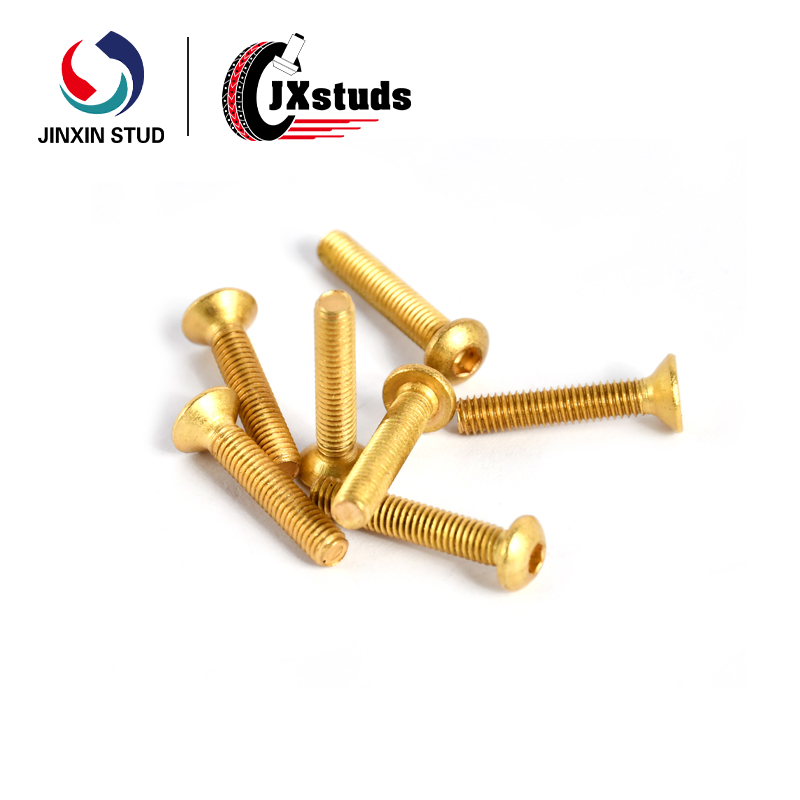
The Countersunk Advantage: Achieving Flush Surfaces
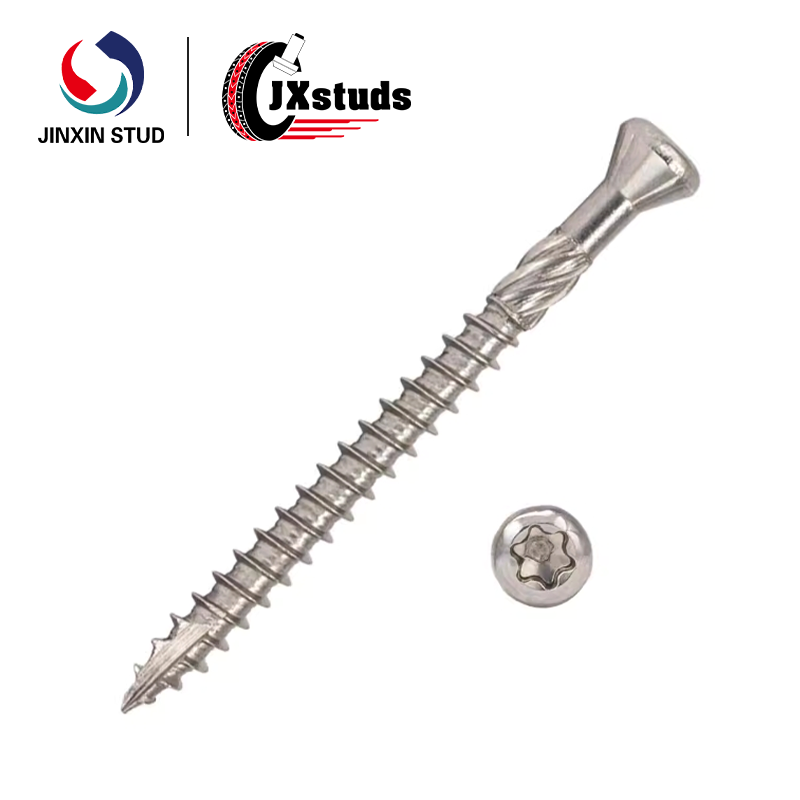
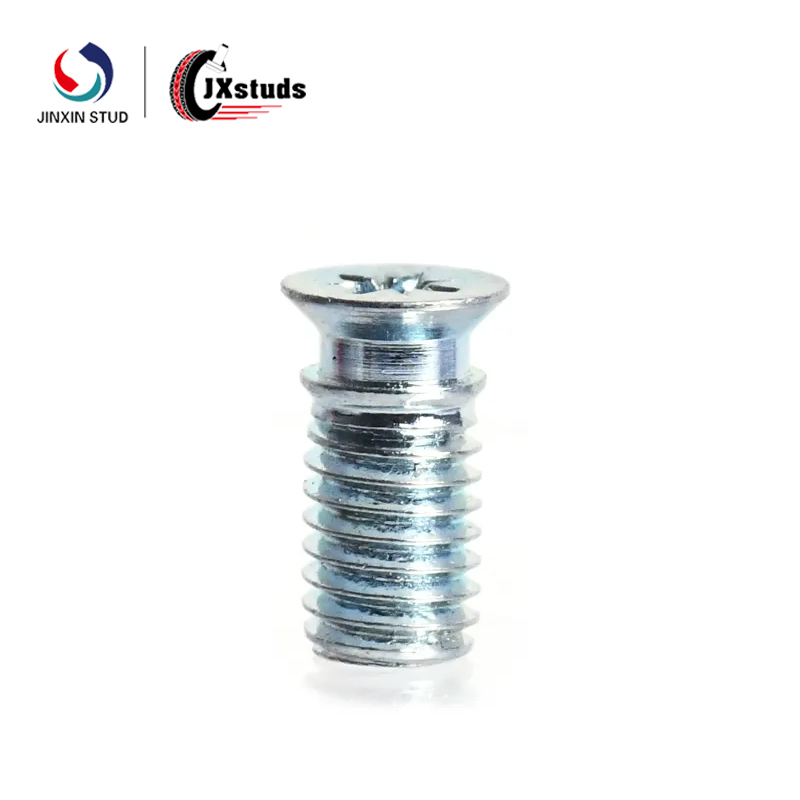
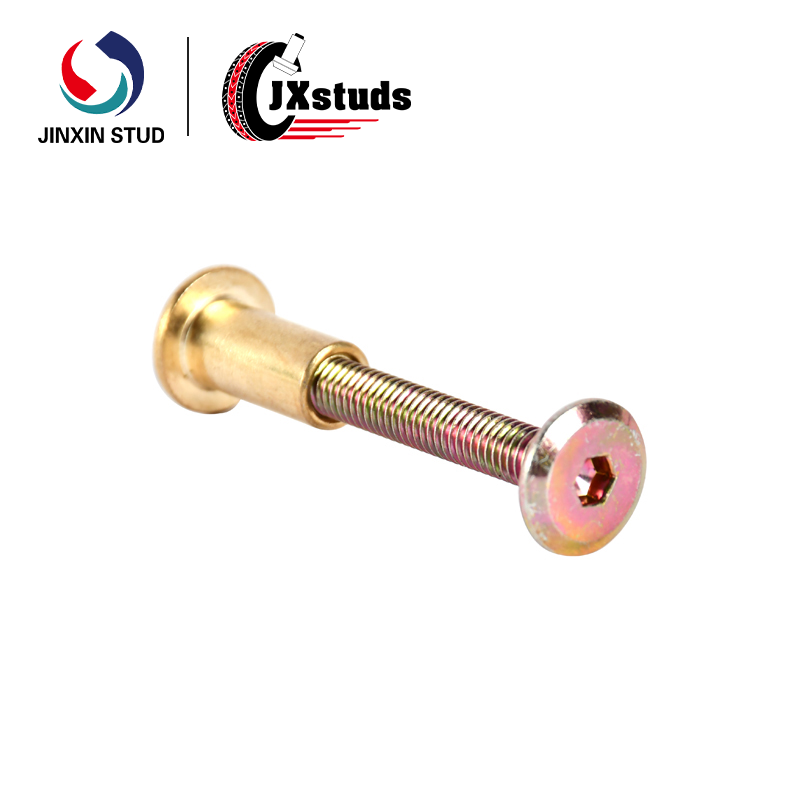
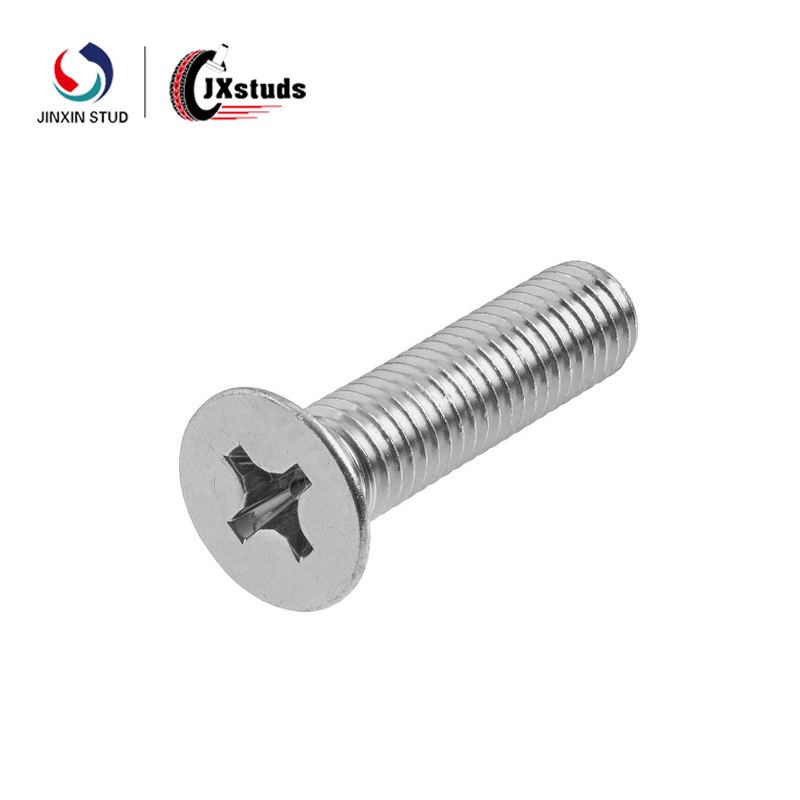
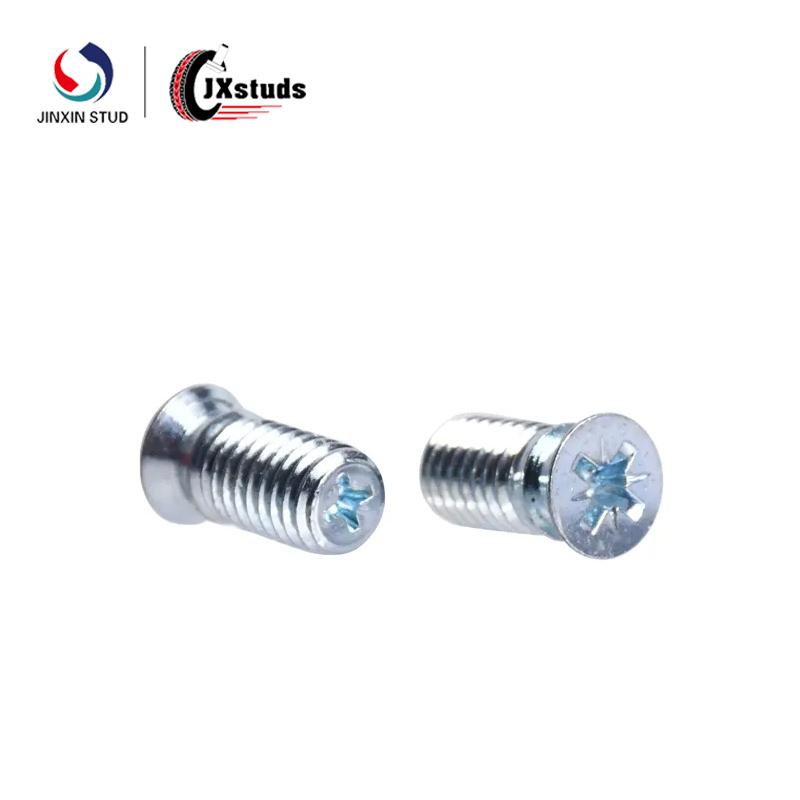
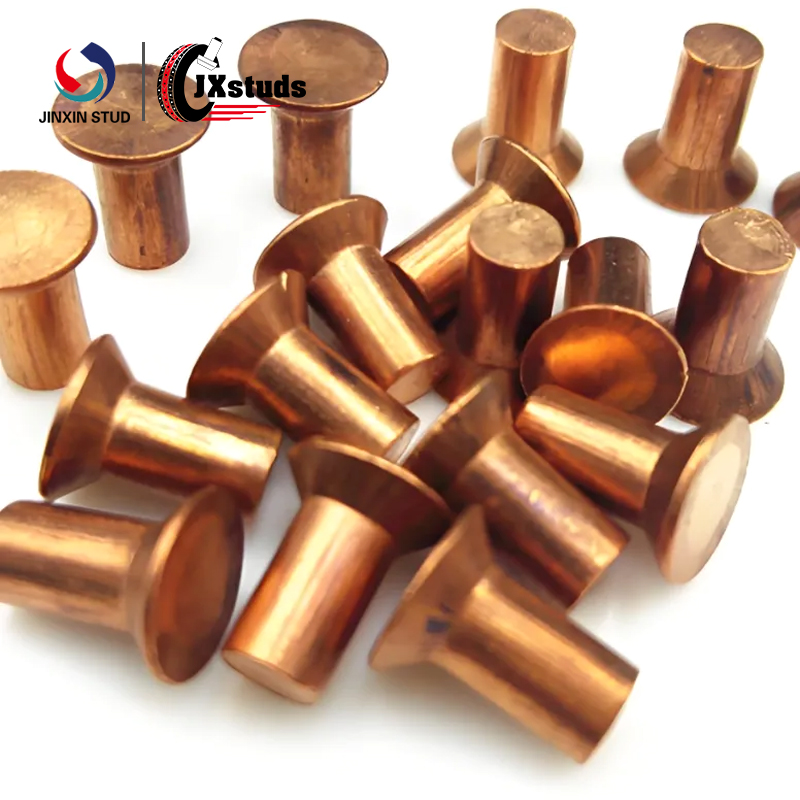
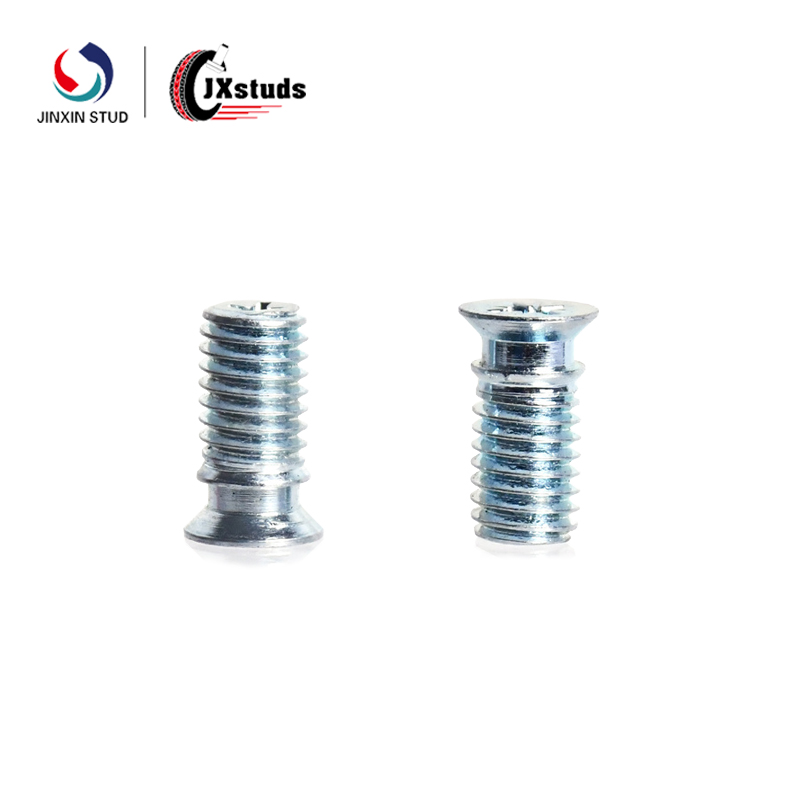
The defining characteristic of a countersunk screw is its conical head geometry, which seats into a matching countersunk hole to create a smooth, uninterrupted surface. Unlike pan head or button head screws that protrude above the material, the flat head design allows the fastener to disappear into the workpiece—a critical requirement for applications where:
Surface finish is paramount: Furniture, cabinetry, and architectural woodworking demand clean, unbroken surfaces
Aerodynamics or fluid flow matters: Marine hull fittings, wind deflectors, and fluid handling equipment require smooth profiles
Safety considerations exist: Protruding fasteners can snag clothing, cause injury, or interfere with moving parts
Aesthetic integration is desired: The fastener complements rather than dominates the visual design
The 82° head angle conforms to US (ANSI/ASME) standards, while the 90° angle follows ISO/DIN metric specifications. Both are available to match the countersinking tools and practices used in different manufacturing traditions.
Why Brass for Countersunk Applications?
Brass is particularly well-suited for flush-mount applications where the fastener remains visible but unobtrusive. Its warm golden tone blends seamlessly with wood, brass hardware, and many decorative finishes. Beyond aesthetics, brass offers functional advantages that align with the applications where countersunk screws are most commonly specified:
| Application Requirement | Brass Property |
|---|---|
| Visible but discreet fastening | Warm golden color complements natural materials; develops attractive patina |
| Corrosion resistance | Naturally resists moisture; suitable for kitchen, bath, and marine environments |
| Non-magnetic | Essential for compass housings, marine electronics, and sensitive instruments |
| Anti-galling | Brass does not gall or seize in aluminum or stainless steel threads |
| Decorative longevity | Maintains appearance without plating that can chip or corrode |
Material Specification
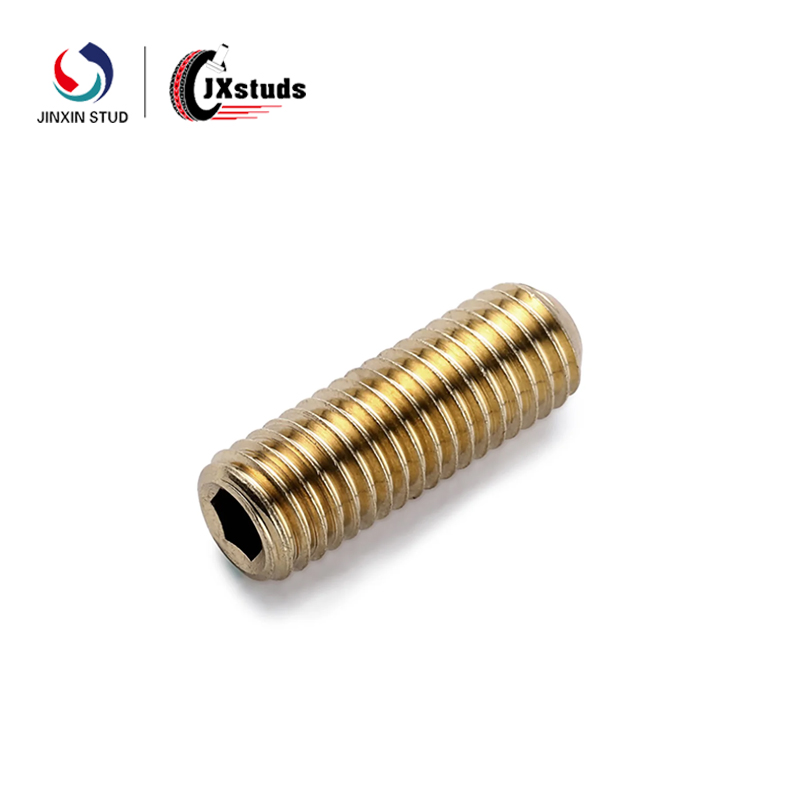
Our brass countersunk socket screws are manufactured from C36000 free-cutting brass (CZ121), selected for its excellent machinability and consistent mechanical properties:
| Property | Value |
|---|---|
| Tensile Strength | 340 – 470 MPa |
| Yield Strength | 170 – 310 MPa |
| Hardness | 80 – 100 HRB |
| Composition | 61.5% Cu, 35.5% Zn, 3% Pb (leaded for machinability) |
| Lead-Free Alternative | C69300 / Eco-Brass available upon request |
The free-cutting nature of this alloy enables precise machining of the countersunk head geometry and hex socket, ensuring consistent seating and drive engagement.
Hex Socket Drive: Precision Seating
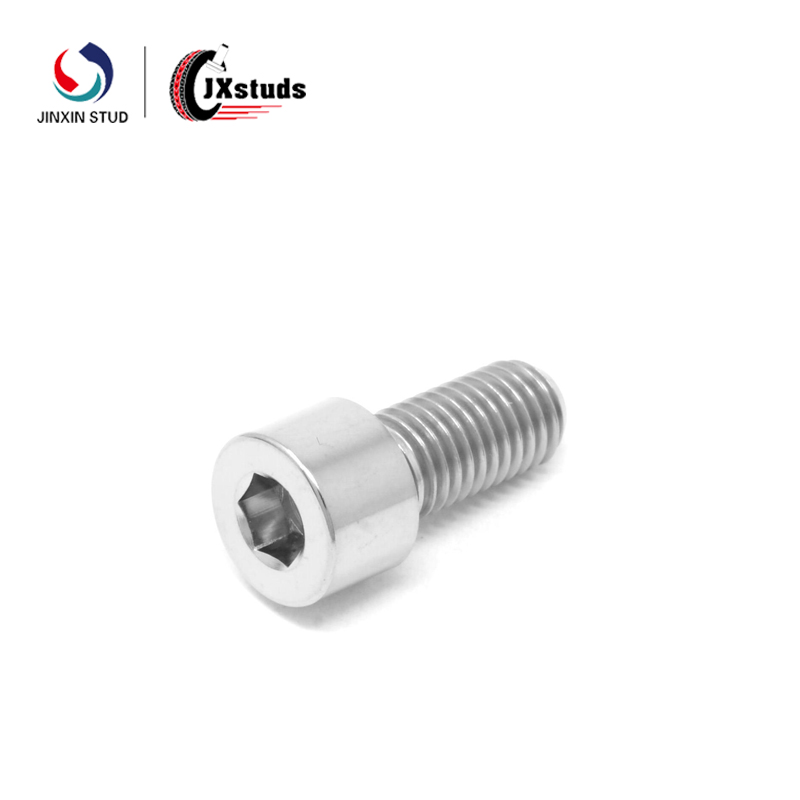
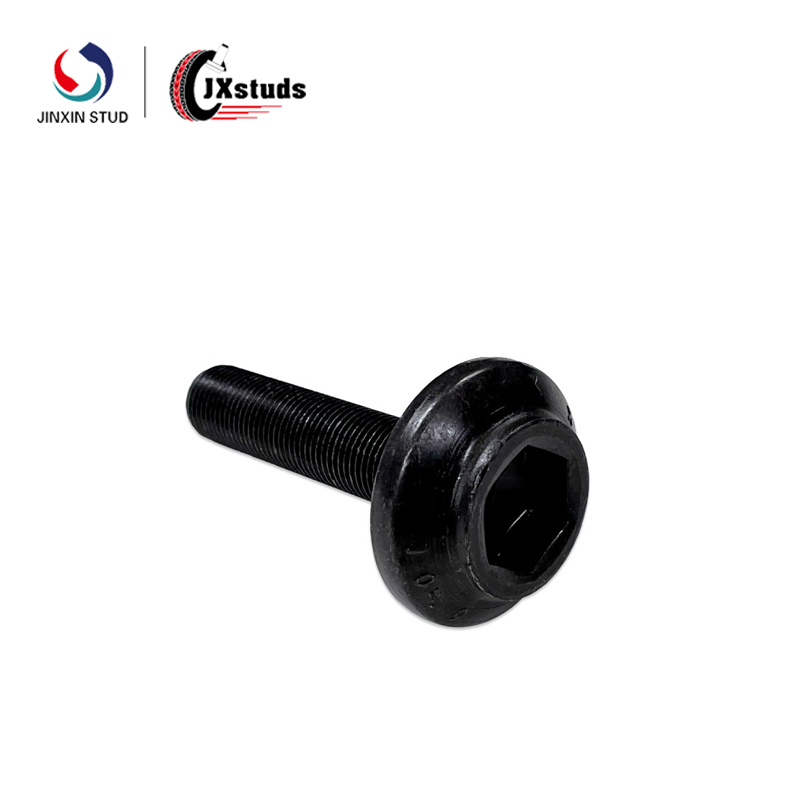
The hex socket (Allen) drive is particularly advantageous for countersunk screws because it allows controlled, progressive seating of the head into the countersink. Unlike cross-recess drives that may cam out at the moment of final seating—potentially damaging the screw head or surrounding material—the hex socket maintains positive engagement throughout the tightening process. This enables the installer to achieve precise flush seating without over-torquing or marring the fastener.
Head Geometry: 82° vs. 90° Countersink
| Standard | Head Angle | Typical Applications |
|---|---|---|
| ASME B18.3 (US) | 82° | North American furniture, cabinetry, architectural millwork |
| ISO 10642 / DIN 7991 (Metric) | 90° | European and Asian manufacturing; metric hardware systems |
Both configurations are available in standard thread sizes. The head dimensions are proportioned to provide adequate bearing surface while maintaining a low overall profile when fully seated.
1. Furniture & Custom Cabinetry
The brass countersunk socket screw is a staple in high-end furniture manufacturing and custom cabinetry. Applications include:
Table and desk assembly: Flush-mount screws securing tabletops to bases, legs to frames, and apron connections
Cabinet construction: Hinge mounting, drawer slide attachment, face frame assembly where fasteners remain visible
Case goods: Securing backs, sides, and internal components where exterior surfaces must remain clean
Restoration and period furniture: Matching brass hardware in antique and reproduction pieces
The flush finish ensures that table surfaces, countertops, and visible cabinet exteriors remain smooth and uninterrupted—a critical quality indicator in fine woodworking.
2. Architectural Millwork & Trim
In architectural applications, brass flat head screws are specified for:
Staircase assembly: Securing treads, risers, and handrail brackets with flush finishes
Trim and molding installation: Attaching decorative trim where screws may remain exposed
Panel mounting: Fastening wall panels, wainscoting, and decorative screens with invisible or near-invisible fasteners
Custom millwork: Library shelving, reception desks, and built-in cabinetry requiring refined hardware
Architects and millwork shops specify brass for its compatibility with natural wood tones and its ability to be finished flush with the surface.
3. Marine Interiors & Deck Hardware
The marine environment demands corrosion-resistant fasteners that can withstand salt air, moisture, and temperature extremes. Brass countersunk screws are used in:
Boat cabinetry: Galley, head (bathroom), and berth construction where flush finishes are required
Deck fittings: Flush-mount deck plates, cleats, and hardware where protrusions would create tripping hazards
Interior trim: Handrails, trim strips, and paneling where aesthetics and safety intersect
Navigation instrument mounts: Non-magnetic properties essential for compass and electronic installations
For saltwater immersion applications, we recommend A4 stainless or silicon bronze; however, brass performs excellently for above-waterline and interior marine applications.
4. Musical Instruments
Precision instrument manufacturing relies on brass countersunk screws for:
Guitar and bass hardware: Pickguard mounting, control cavity covers, bridge plates, and strap button attachments
Keyboard instruments: Piano action components, organ consoles, and electronic keyboard chassis
Wind instruments: Key mechanisms, decorative trim, and accessory mounts
The non-magnetic property is particularly valued in electric guitar and bass applications where magnetic interference with pickups must be avoided.
5. Lighting Fixtures & Decorative Hardware
The warm appearance of brass makes it a preferred choice for visible fasteners in:
Lighting assembly: Chandeliers, sconces, and decorative fixtures where screws are visible
Cabinet hardware: Flush-mount pulls, handles, and decorative accents
Door hardware: Hinges, strike plates, and trim where screw heads remain exposed
Jewelry and accessories: Watches, eyewear, and personal accessories requiring small, flush-mount fasteners
6. Electrical & Electronic Enclosures
While brass is conductive, its non-magnetic properties and corrosion resistance make it suitable for:
Control panels: Flush-mount screws for panel faces where aesthetics matter
Instrument cases: Securing covers and access panels with clean exterior surfaces
Grounding assemblies: Countersunk screws providing both electrical contact and flush finish
| Parameter | Brass (C36000 / CZ121) |
|---|---|
| Tensile Strength | 340 – 470 MPa |
| Yield Strength | 170 – 310 MPa |
| Hardness | 80 – 100 HRB |
| Head Angle (Metric) | 90° (ISO 10642 / DIN 7991) |
| Head Angle (Inch) | 82° (ASME B18.3) |
| Drive Type | Hex socket (Allen) |
| Thread Class | 6g (metric), 2A (inch) |
| Corrosion Resistance | Good; resistant to atmospheric corrosion, fresh water, mild chemicals |
| Operating Temperature | -40°C to +150°C |
| Magnetic | Non-magnetic |
| Electrical Conductivity | 26–28% IACS |
| Thread Size | Head Diameter (max) | Head Height (max) | Socket Size |
|---|---|---|---|
| M3 | 6.0 mm | 2.0 mm | 2.0 mm |
| M4 | 8.0 mm | 2.5 mm | 2.5 mm |
| M5 | 9.5 mm | 3.0 mm | 3.0 mm |
| M6 | 12.0 mm | 3.5 mm | 4.0 mm |
| M8 | 16.0 mm | 4.5 mm | 5.0 mm |
| M10 | 20.0 mm | 5.5 mm | 6.0 mm |
Dimensions per ISO 10642. Inch series (82° head) available with corresponding dimensions per ASME B18.3.
Proper Countersinking
Achieving a flush finish requires proper preparation of the countersink. The countersink should match the head angle (82° or 90°) and be deep enough to accept the full head height without the screw bottoming on the thread. For wood and soft materials, a pilot hole and countersink combination tool is recommended. For metal and hard materials, a dedicated countersink bit matched to the screw head angle is essential.
Torque Control
Brass is softer than steel, requiring careful torque application. The hex socket drive enables controlled torque, but over-tightening can strip threads or damage the countersink. Recommended torque values are approximately 60–70% of equivalent steel screws. For metric sizes, typical maximum torque ranges from 1.5 N·m (M3) to 15 N·m (M10).
Galling Prevention
When installing brass screws into brass or stainless steel threads, a lubricant or anti-seize compound is recommended to prevent galling (cold welding). The hex socket drive allows consistent torque application even with lubricated threads.
| Finish | Description | Applications |
|---|---|---|
| Natural Brass | Bright machined finish; develops natural patina over time | Furniture, architectural applications where aged appearance is desired |
| Lacquered | Clear protective coating; maintains bright appearance; prevents tarnish | Consumer products, visible applications requiring consistent appearance |
| Antique / Oil-Rubbed | Darkened patina; aged appearance | Period furniture, restoration work, decorative hardware |
| Nickel Plated | Silver-bright finish; matches nickel hardware | Applications requiring color matching with chrome or nickel |
| Black Oxide | Dark matte finish | Contrast applications, modern designs |
Each production batch undergoes standard verification:
Thread Conformance: Go/no-go gauging ensures consistent engagement
Head Geometry: Countersink angle and head dimensions verified per ISO or ASME standards
Socket Integrity: Hex socket dimensions and depth confirmed; torque testing validates drive strength
Surface Condition: Inspected for burrs, tool marks, and surface defects
Material Certification: Chemical composition and mechanical properties documented
Lot Traceability: Complete traceability maintained
| Parameter | Detail |
|---|---|
| Minimum Order Quantity | Flexible; sample quantities available |
| Stock Availability | Common sizes (M3–M8, #6–1/4″) typically available |
| Lead Time (Custom) | 3–5 weeks depending on complexity |
| Packaging | Bulk cartons, anti-corrosion poly bags, custom kitting |
| Documentation | Material Test Reports, dimensional inspection, lot traceability |