Precision-Engineered for Next-Generation Electric Vehicles
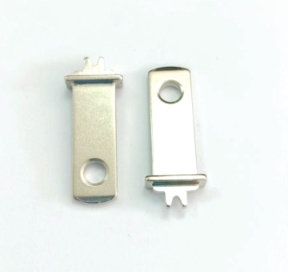
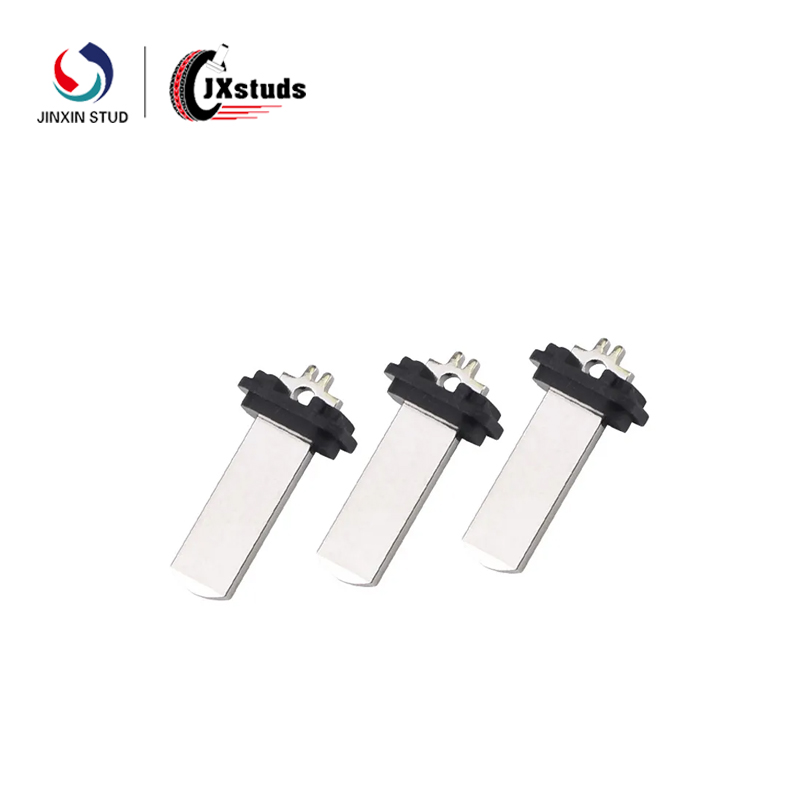
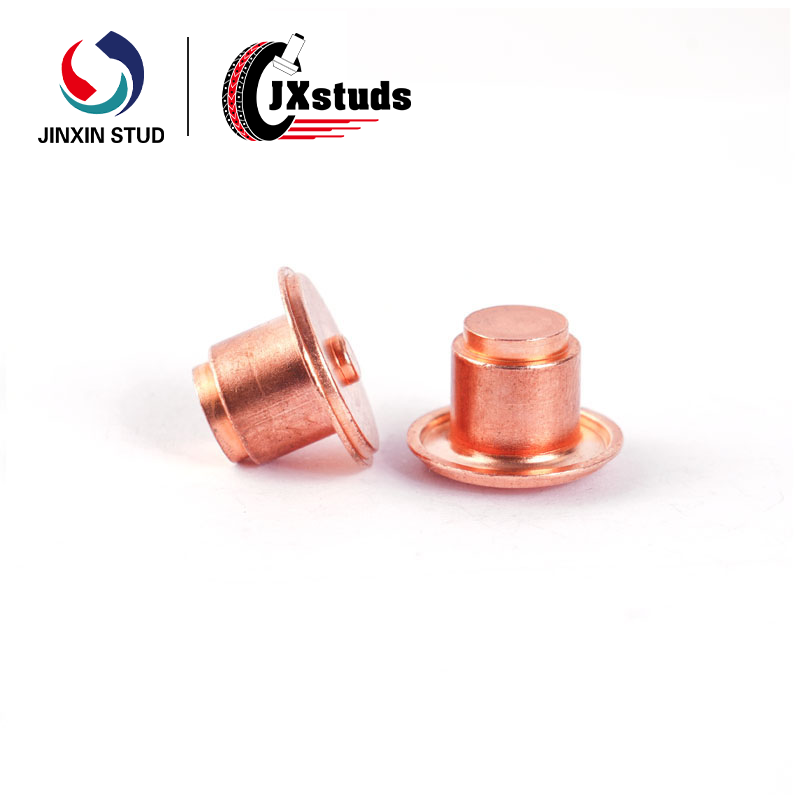
As the automotive industry accelerates toward electrification, the demand for components that optimize energy transfer has never been greater. At the heart of every high-performance EV battery system lies a network of interconnects where conductivity, durability, and precision converge. Our High-Purity Copper Negative Terminal is purpose-built to meet these exacting requirements, providing a foundation of reliability for passenger EVs, commercial electric fleets, and stationary energy storage systems.
Superior Material: T2 Oxygen-Free Copper
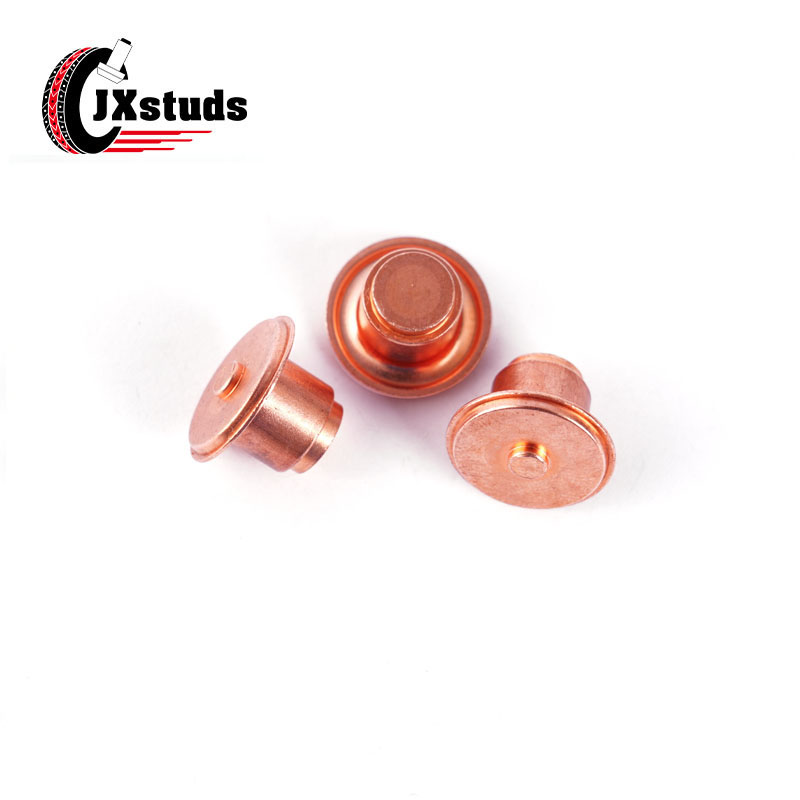
The foundation of superior electrical performance begins with material selection. Unlike standard brass or plated alternatives, our terminal is fabricated from T2-grade oxygen-free copper (Cu ≥ 99.9%) , a material renowned for its exceptionally high electrical conductivity (≥ 58 MS/m at 20°C) and minimal impurity content. The oxygen-free composition eliminates the risk of hydrogen embrittlement—a critical advantage in high-temperature operating environments common to EV battery systems. This purity translates directly into lower internal resistance, reduced heat generation during high-current charging and discharging cycles, and improved overall energy efficiency.
Thermal Stability & Current Carrying Capacity
Modern electric vehicles demand components capable of sustaining high continuous currents, often exceeding 200A in traction battery applications. Our negative terminal is engineered with an optimized cross-sectional area to support high ampacity while maintaining stable thermal performance. The copper substrate exhibits excellent thermal conductivity (approximately 400 W/m·K), rapidly dissipating heat away from critical connection points to prevent thermal accumulation that could compromise adjacent battery cells or insulation materials.
Vibration Resistance & Mechanical Integrity
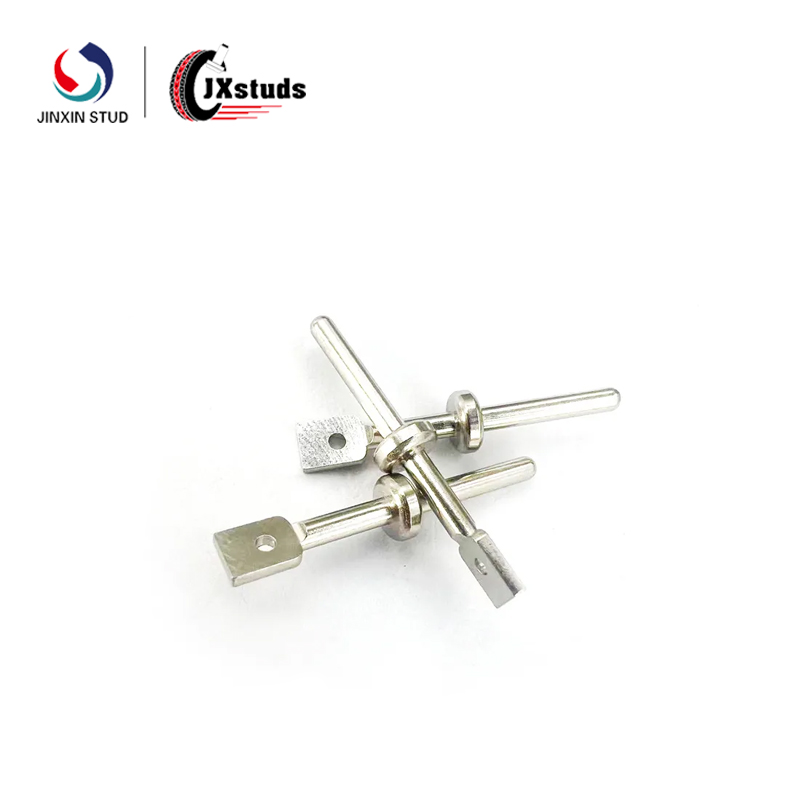
The automotive environment imposes relentless mechanical stresses—road vibration, thermal expansion and contraction, and dynamic loading during vehicle operation. Our terminal features precision-stamped geometry with reinforced mounting points to maintain secure mechanical engagement under these conditions. When paired with appropriate fastening hardware (sold separately), the connection achieves consistent contact pressure that resists loosening over the vehicle’s service life.
Surface Treatment & Corrosion Protection
To ensure long-term reliability in diverse operating environments, each terminal undergoes a specialized surface finishing process. A nickel underplating followed by a tin surface layer provides:
Oxidation Resistance: Prevents copper oxide formation that can increase contact resistance
Galvanic Compatibility: Eliminates dissimilar metal corrosion when mated with aluminum or nickel-plated busbars
Solderability: Maintains excellent solder wetting characteristics for automated assembly processes
Application-Specific Design
This terminal is designed for integration with:
Lithium-ion battery module interconnect systems
High-voltage junction boxes (HVJB)
Battery disconnect units (BDU)
DC-DC converter connections
Charging inlet assemblies
| Parameter | Specification | Notes |
|---|---|---|
| Material Grade | T2 Oxygen-Free Copper | Cu ≥ 99.9% |
| Electrical Conductivity | ≥ 58 MS/m (100% IACS) | At 20°C |
| Resistivity | ≤ 0.01724 Ω·mm²/m | At 20°C |
| Thermal Conductivity | ~400 W/m·K | |
| Operating Temperature Range | -40°C to +150°C | Continuous operation |
| Peak Temperature Tolerance | 180°C | Short-term (≤ 30 min) |
| Surface Finish | Nickel + Tin Plating | Matte finish, lead-free |
| Plating Thickness | Ni: 1–3 μm / Sn: 3–8 μm | |
| Nominal Current Rating | 200A – 400A | Dependent on cross-section |
| Voltage Rating | Up to 1000V DC | EV applications |
| Mounting Type | Through-hole / Bolt-down | M6 or M8 compatible |
| Compliance | RoHS, REACH, IATF 16949 | Automotive-grade quality system |
Note: Specific dimensions (length, width, mounting hole spacing) are available in custom configurations to match customer battery module designs. Contact our engineering team for custom drawings.
Typical Applications in EV Power Systems
| Component | Role of Negative Terminal |
|---|---|
| Traction Battery Pack | Connects battery module stacks to main negative busbar |
| High-Voltage Junction Box | Interfaces between battery negative and vehicle electrical distribution |
| Battery Management System (BMS) | Provides sense wire connection point for voltage monitoring |
| DC Fast Charging Circuit | Handles high-current return path during rapid charging |
| Energy Storage System (ESS) | Interconnects cells in stationary grid-tied storage |
Installation Best Practices
Torque Specifications: To achieve optimal contact resistance without damaging the terminal or mating surface, follow these recommended torque values:
M6 mounting hardware: 8–10 N·m
M8 mounting hardware: 15–18 N·m
Surface Preparation: Prior to installation, verify that mating busbar surfaces are clean, free of oxidation, and flat within 0.1 mm per 25 mm to ensure uniform contact pressure.
Contact Enhancement: For high-vibration applications, application of a conductive anti-oxidation compound (such as a silver-filled grease) on the mating interface is recommended to maintain low contact resistance over extended service intervals.
Insulation Clearance: When installed in high-voltage systems, ensure adequate creepage and clearance distances per applicable safety standards (ISO 6469, IEC 60664) to prevent arcing or tracking failures.
Thermal Management: For assemblies operating near maximum current ratings, consider incorporating the terminal into the overall thermal management strategy to ensure adequate heat dissipation.
Quality & Testing Validation
Every production batch undergoes rigorous testing to validate conformance to automotive industry standards:
| Test | Method | Acceptance Criteria |
|---|---|---|
| Conductivity | Four-wire Kelvin method | ≥ 58 MS/m |
| Contact Resistance | Micro-ohmmeter | ≤ 0.1 mΩ (per interface) |
| Thermal Cycling | -40°C to +150°C, 500 cycles | No cracks, ΔR ≤ 10% |
| Vibration | ISO 16750-3, 20g acceleration | No loosening, electrical continuity |
| Salt Spray | ASTM B117, 96 hours | No red rust or pitting |
| Tensile Pull | Destructive test | ≥ 2000 N for M6 variant |
Packaging Options
Engineer Sample Pack: Individually bagged terminals with traceability labels, ideal for prototyping and validation testing.
Bulk Reel Packaging: Suitable for automated assembly lines, available in reels of 500 or 1000 units with tape-and-reel configuration.
Custom Kitting: Terminals pre-assembled with insulating sleeves, mounting hardware, or adhesive heat shrink per customer specifications.
Why Choose Our EV-Grade Terminal?
The transition to electric mobility demands components that deliver not only electrical performance but also long-term reliability under real-world operating conditions. Our High-Purity Copper Negative Terminal is manufactured in facilities certified to IATF 16949, ensuring the same quality management rigor applied to OEM automotive components. Backed by full material traceability and comprehensive test documentation, this terminal provides the confidence required for safety-critical power system applications.
Contact our technical sales team to discuss custom geometries, plating options, or volume pricing for your EV or energy storage project.