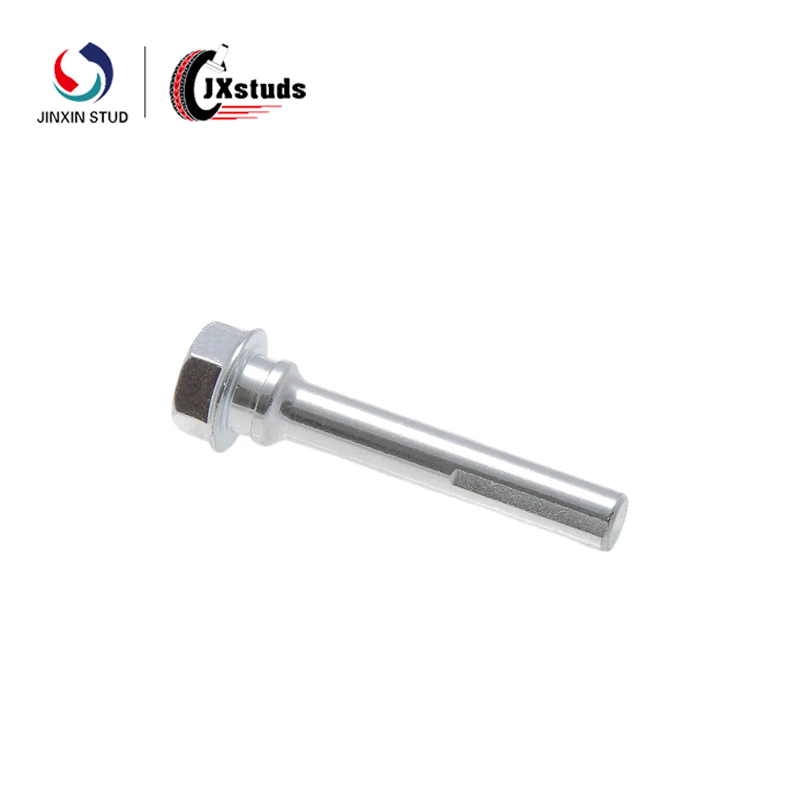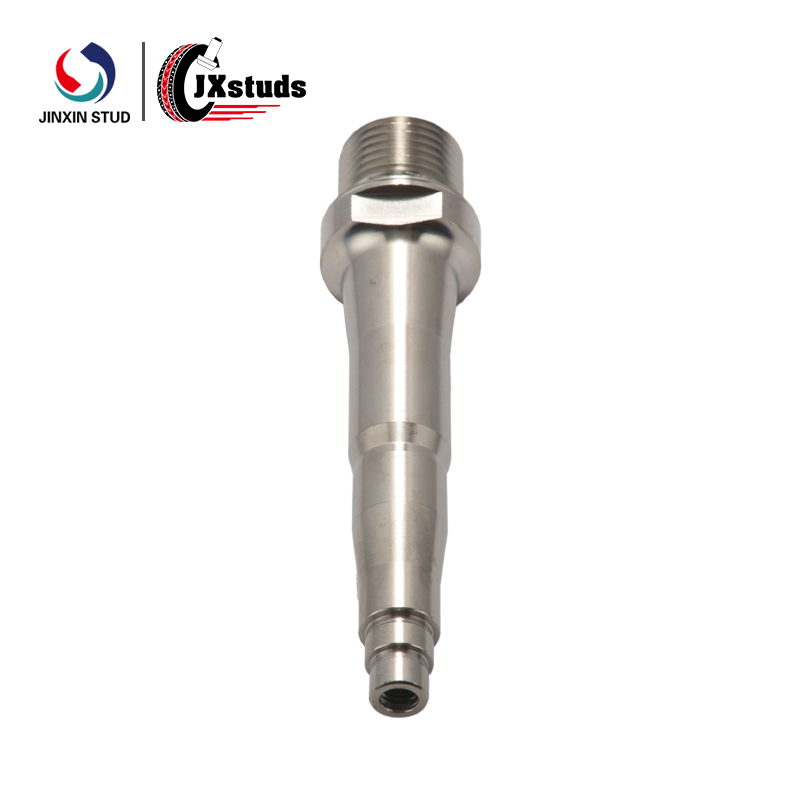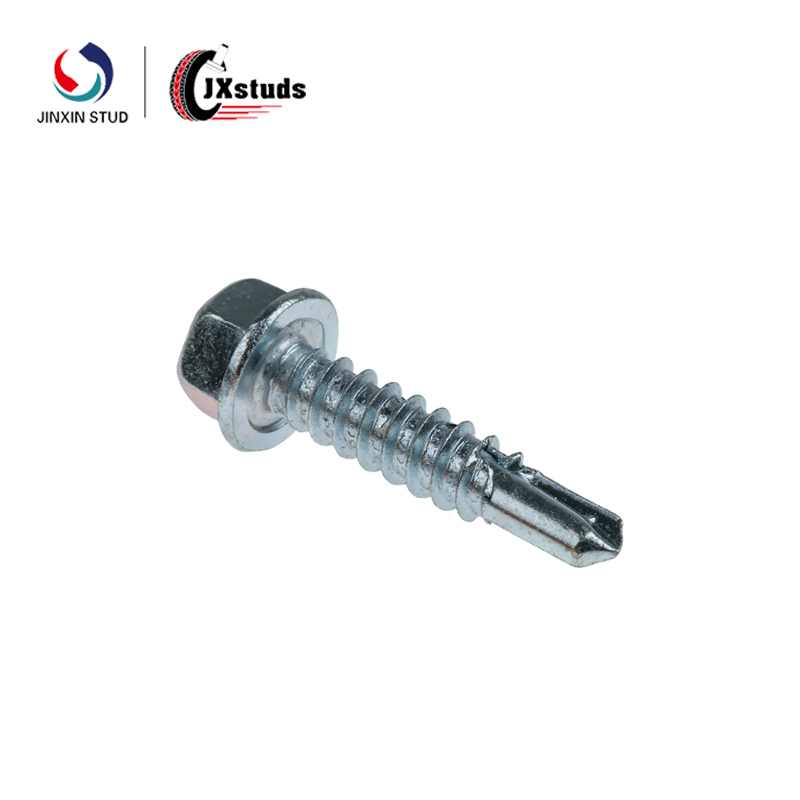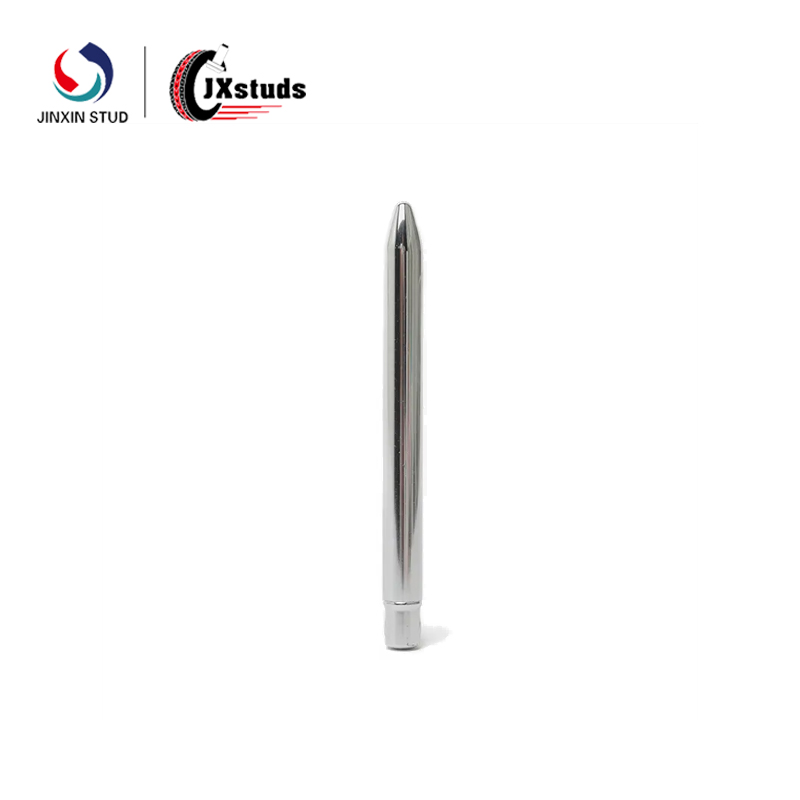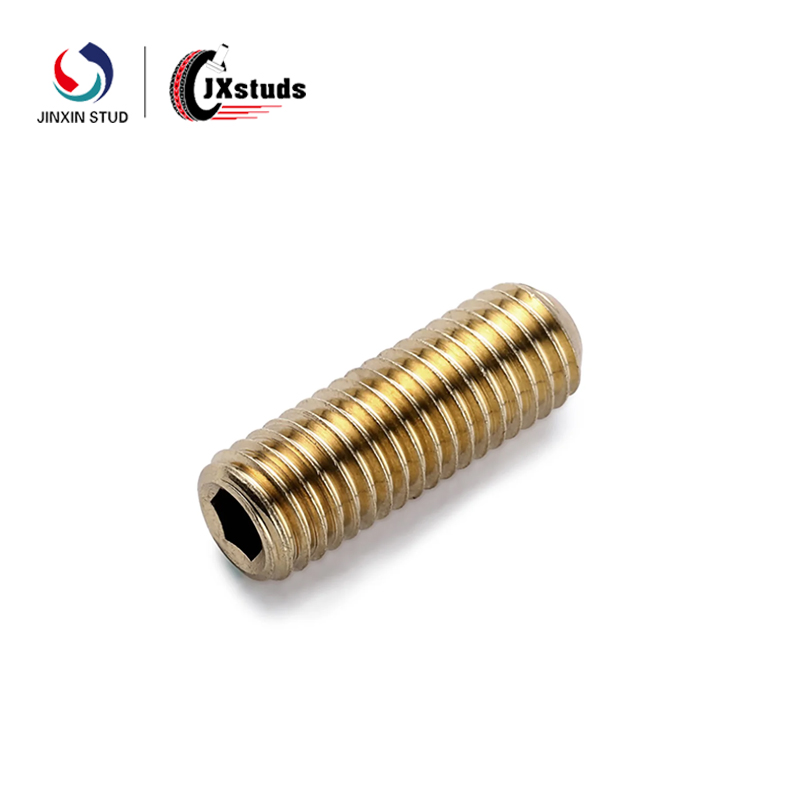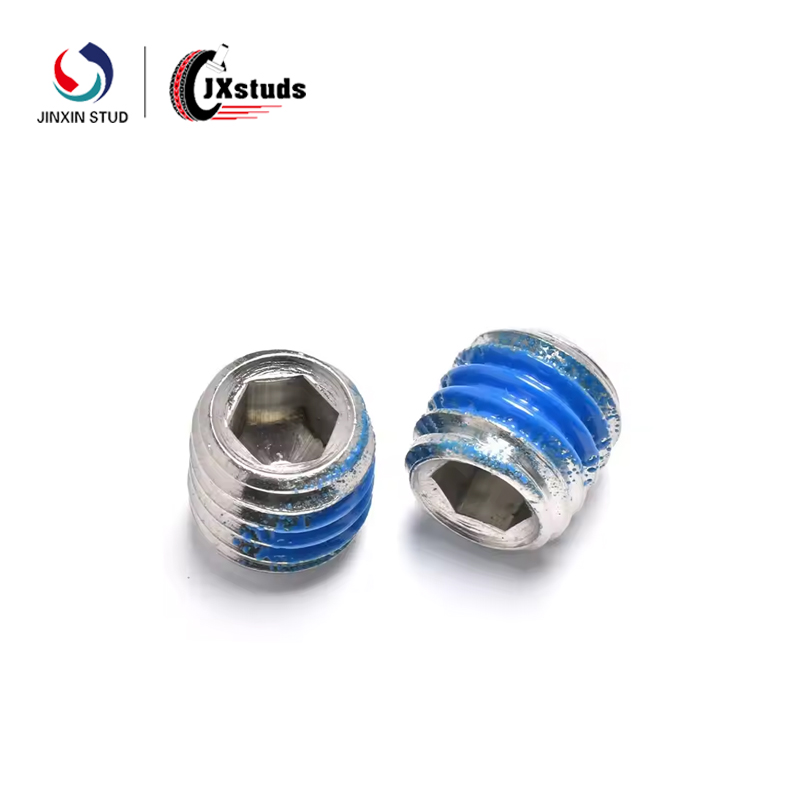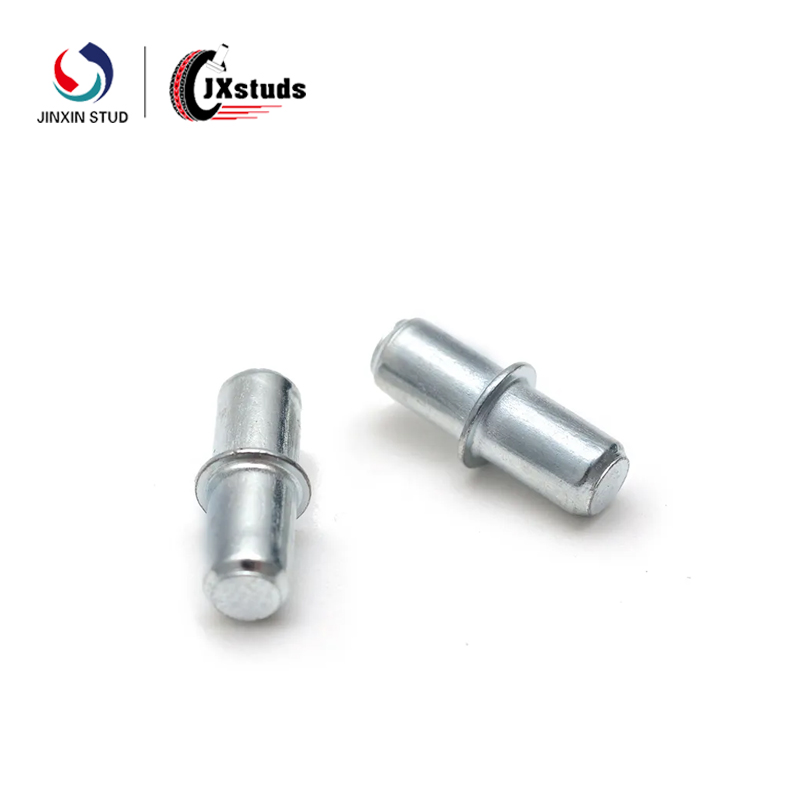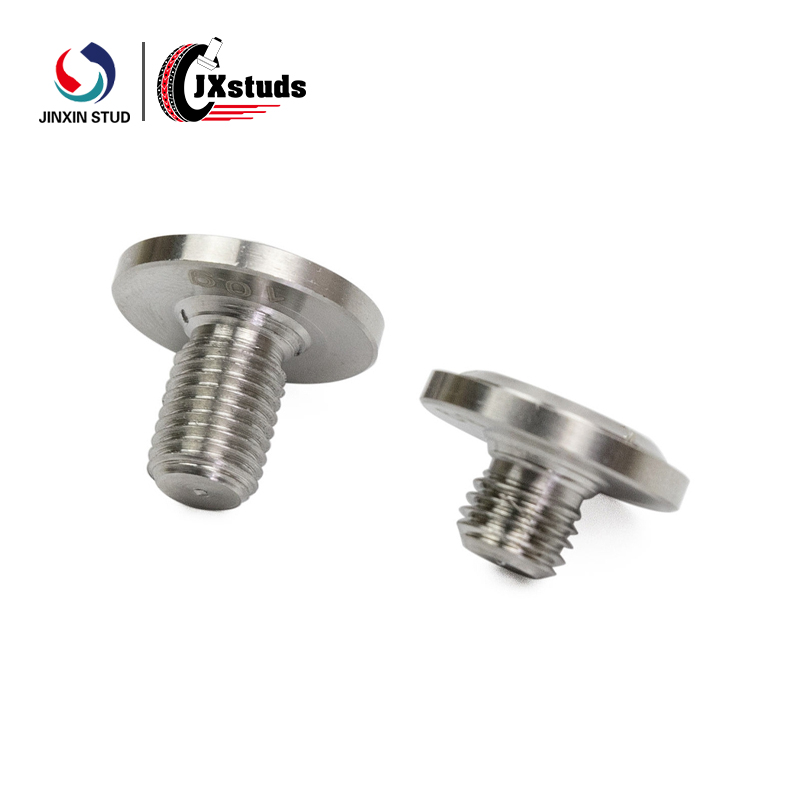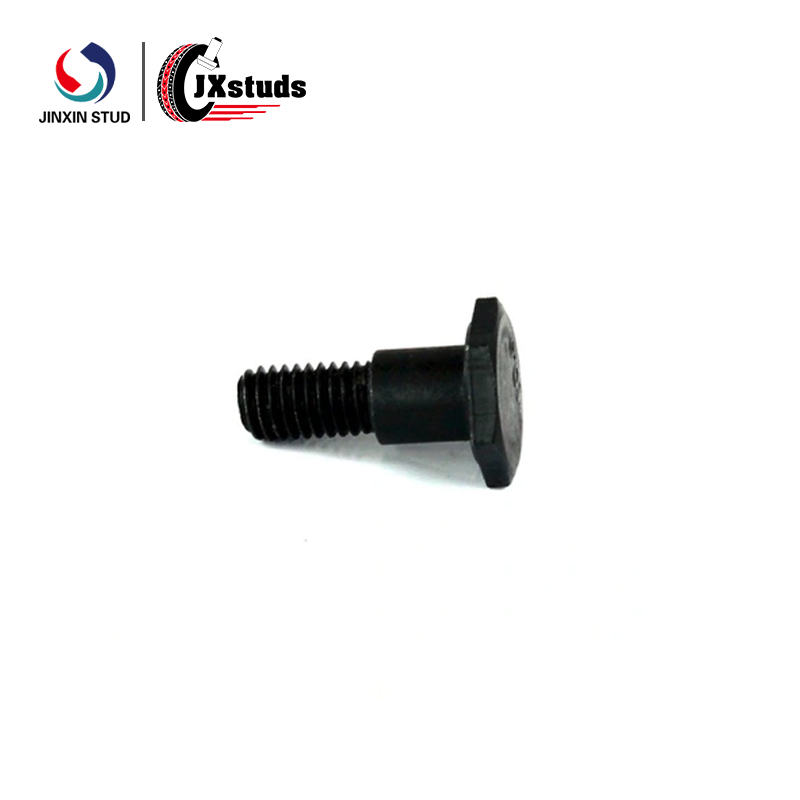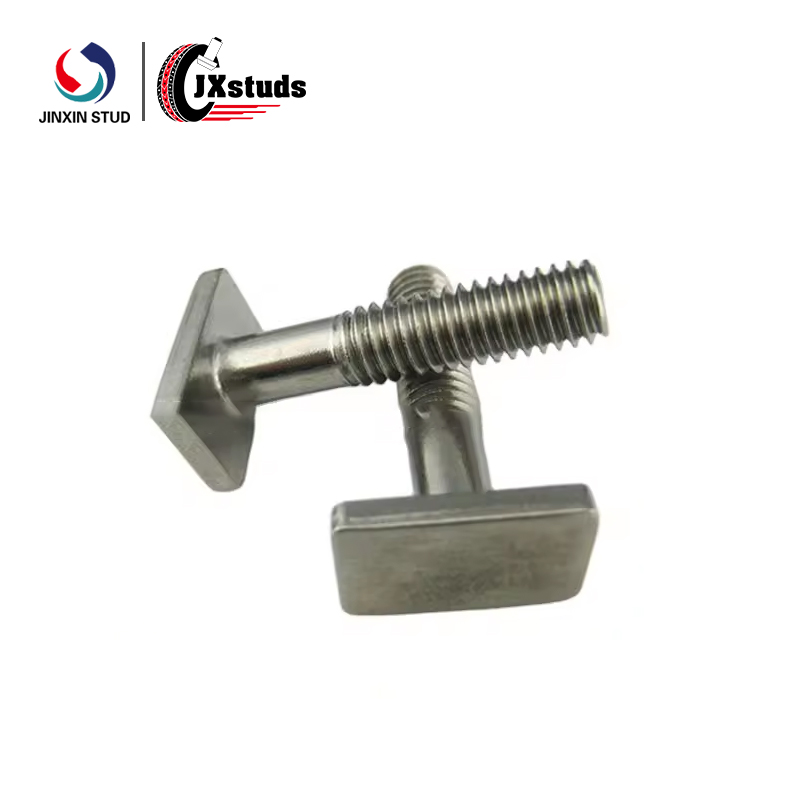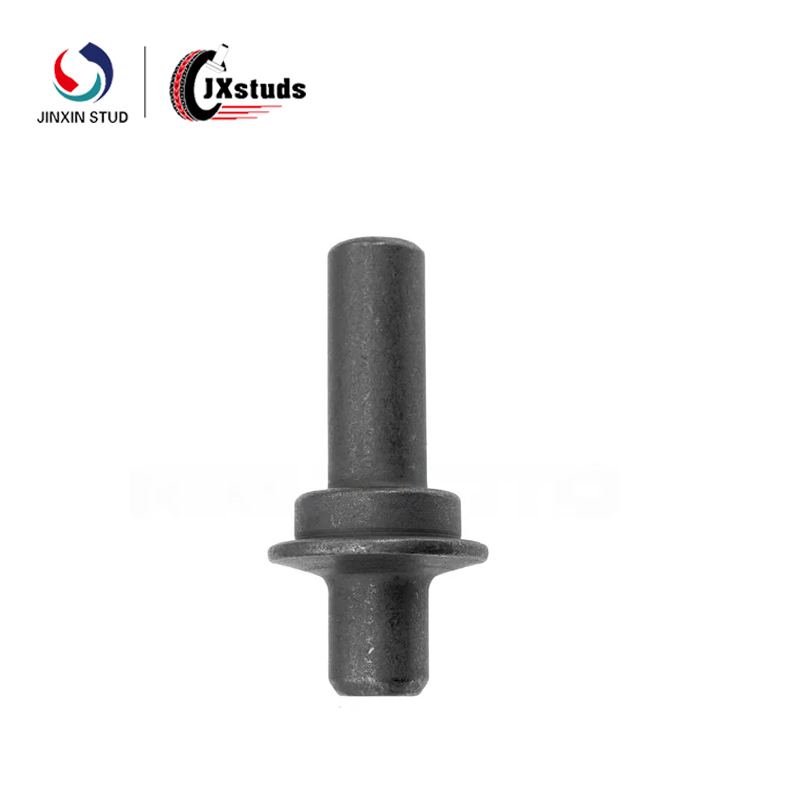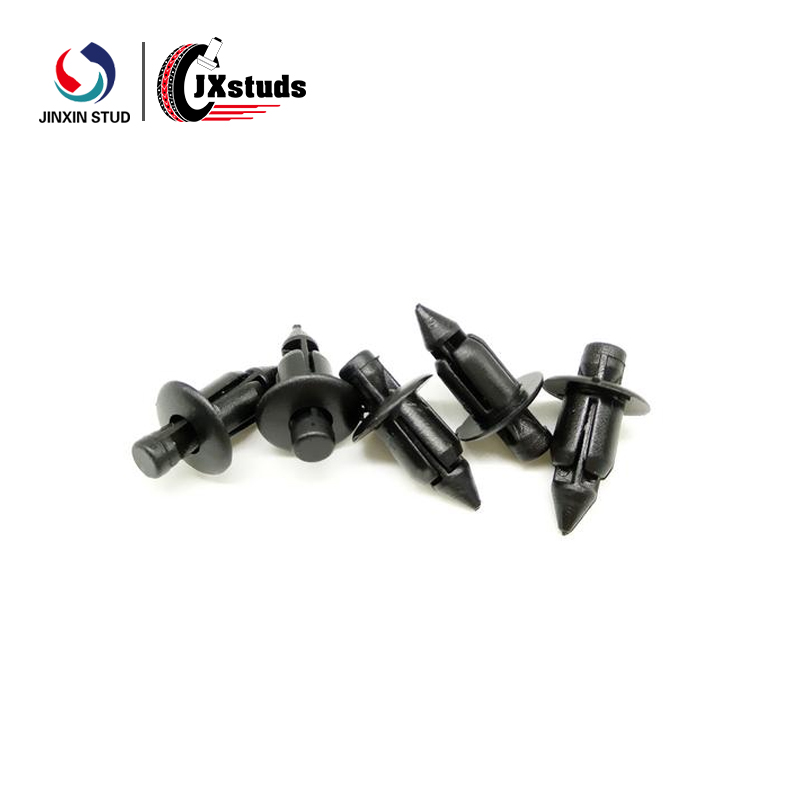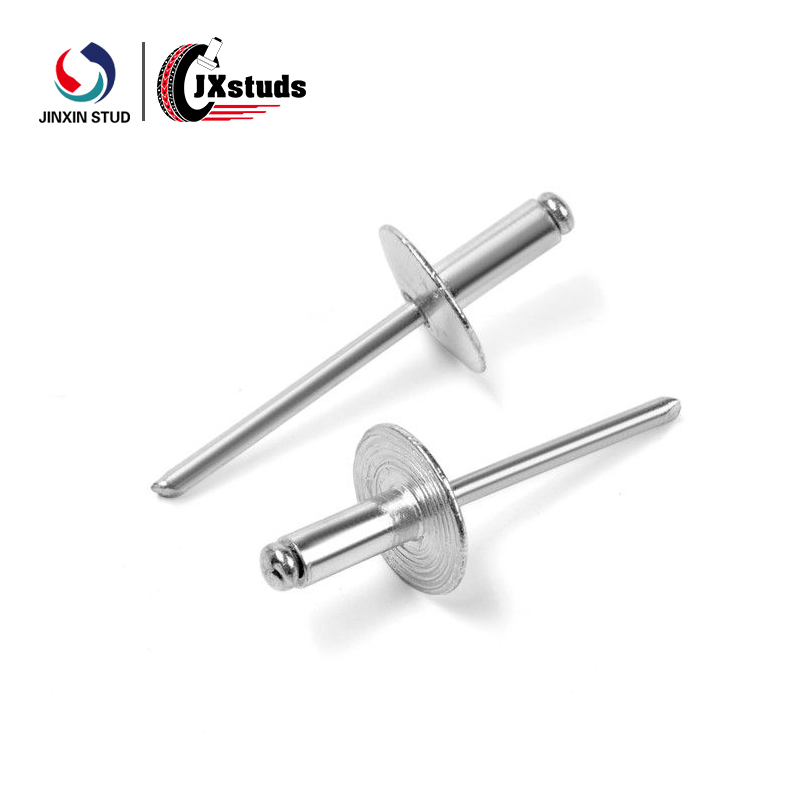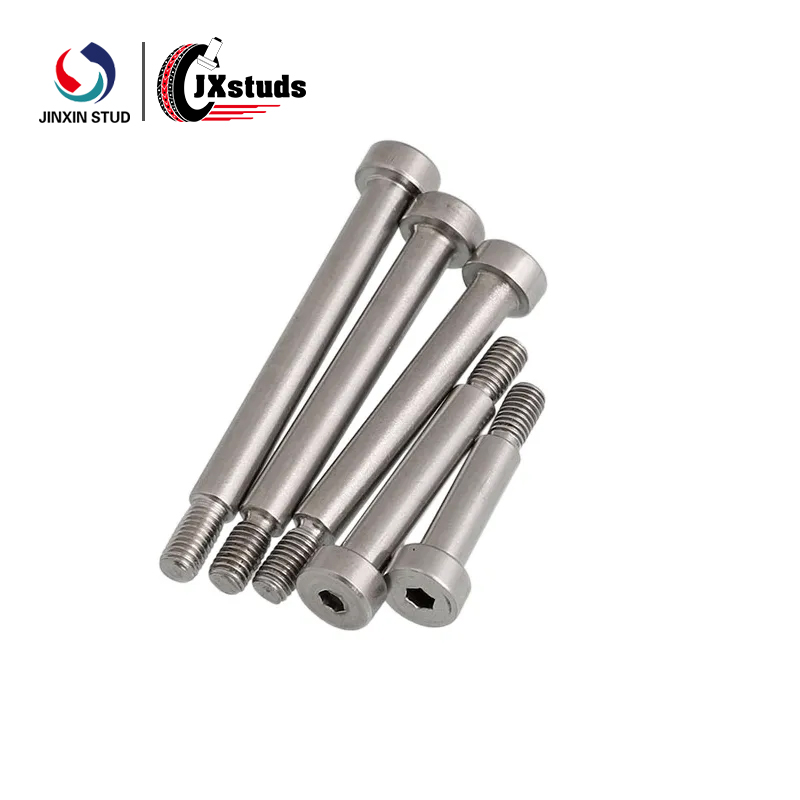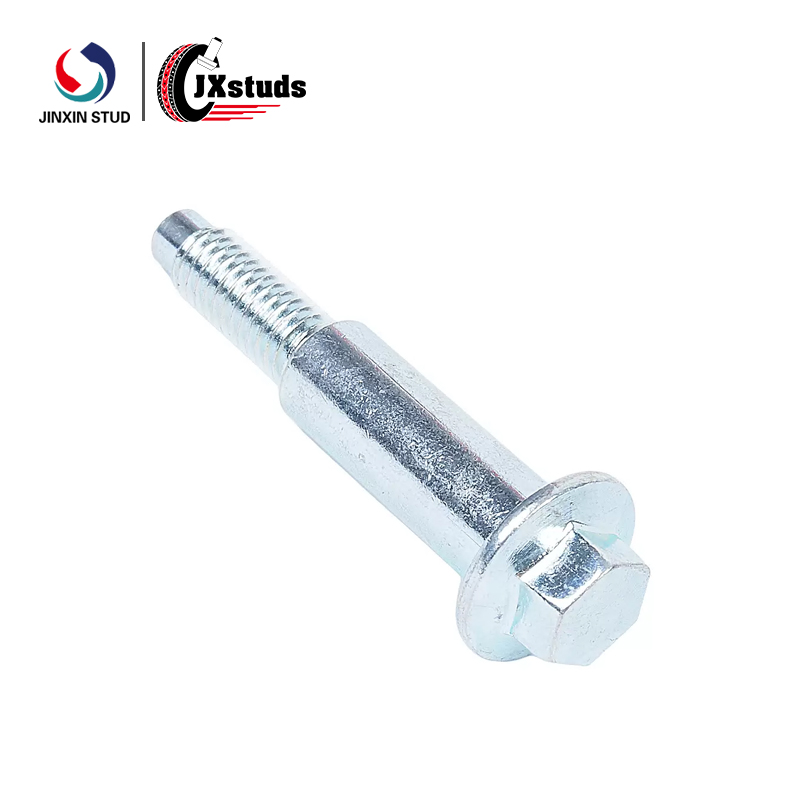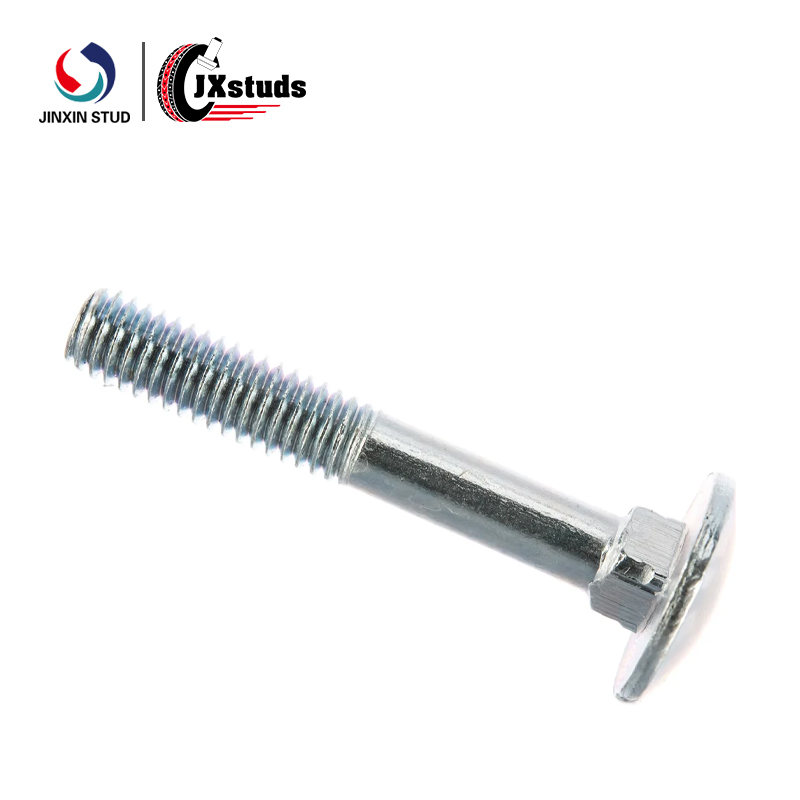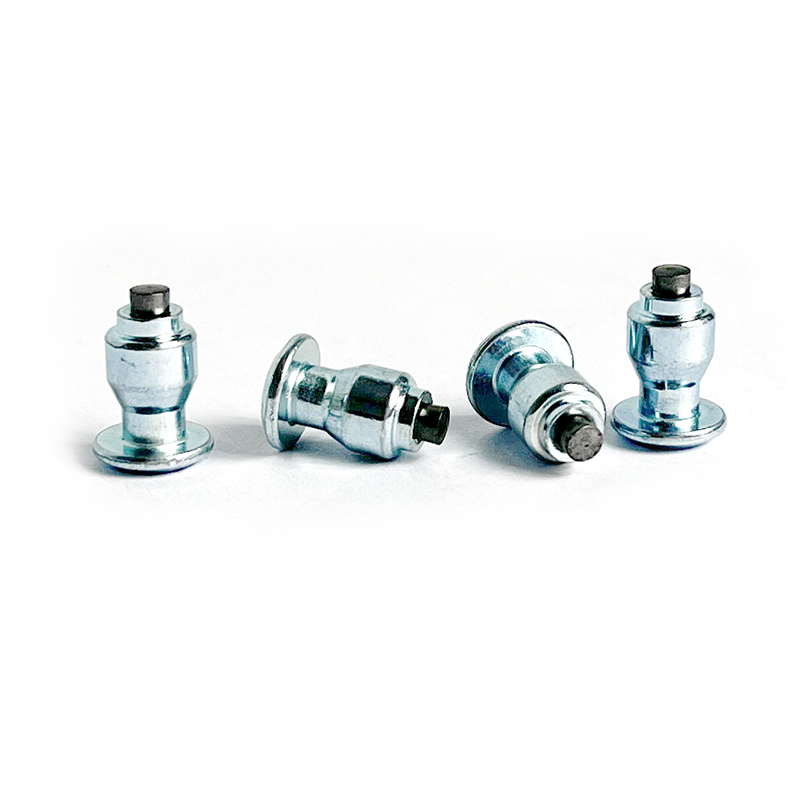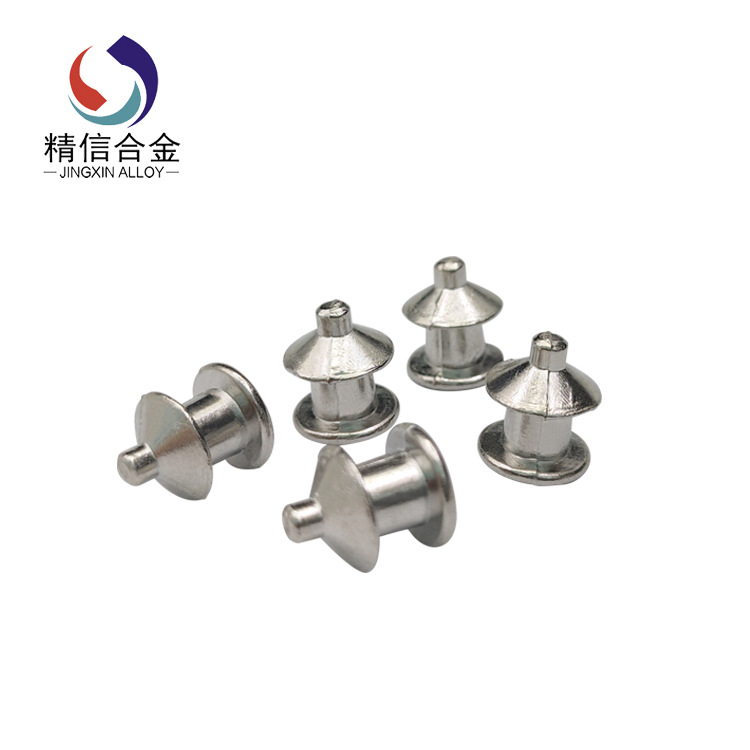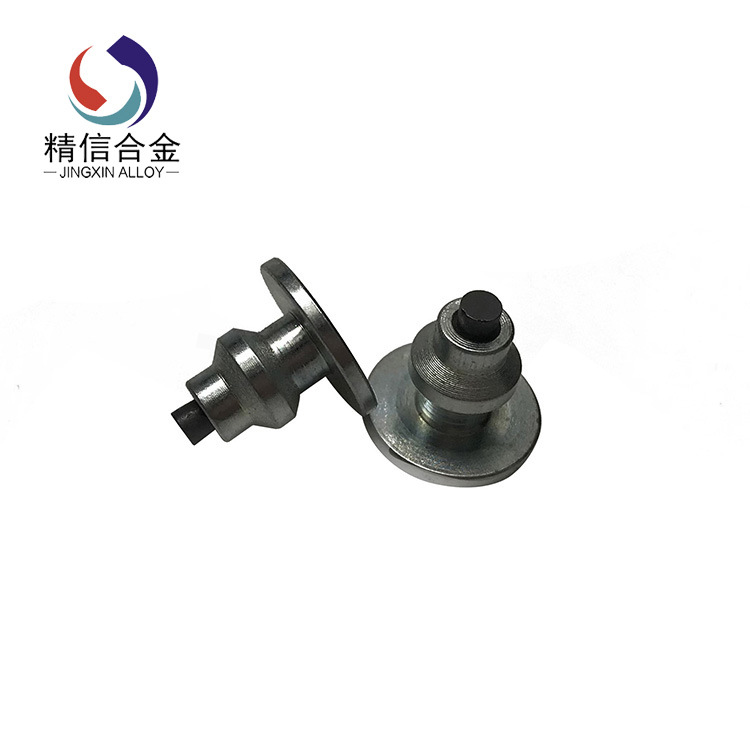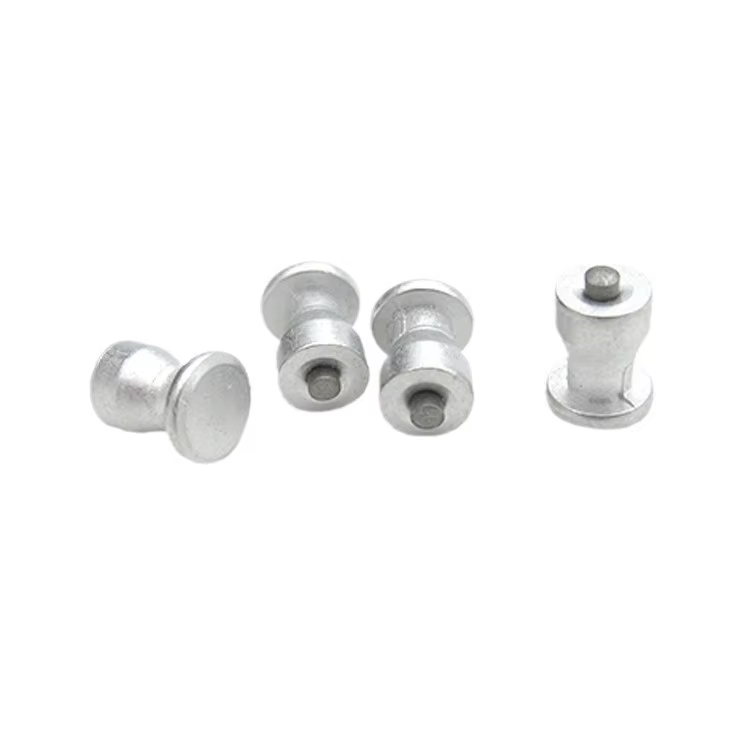
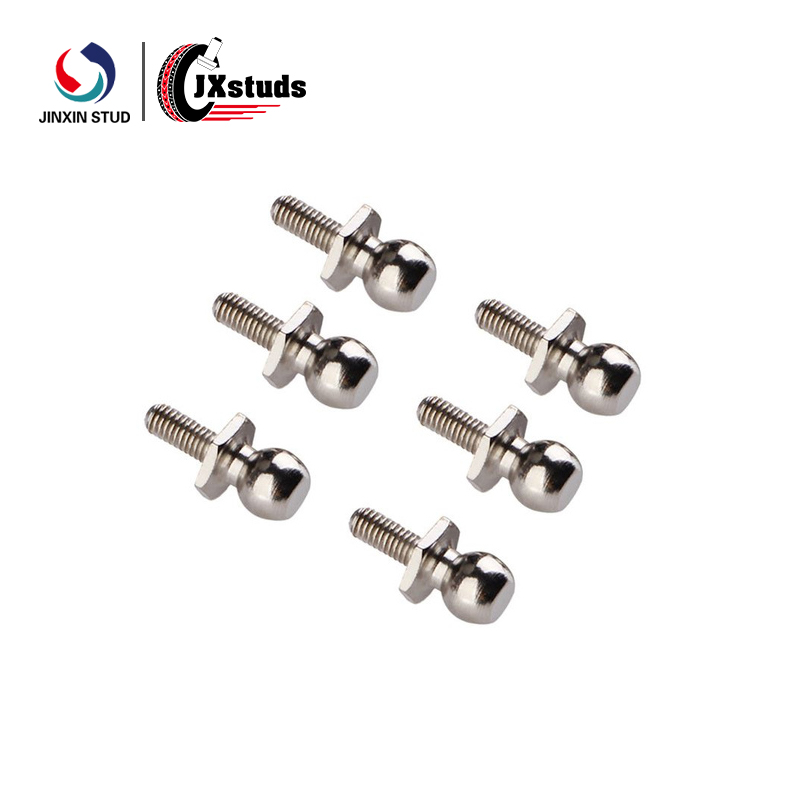
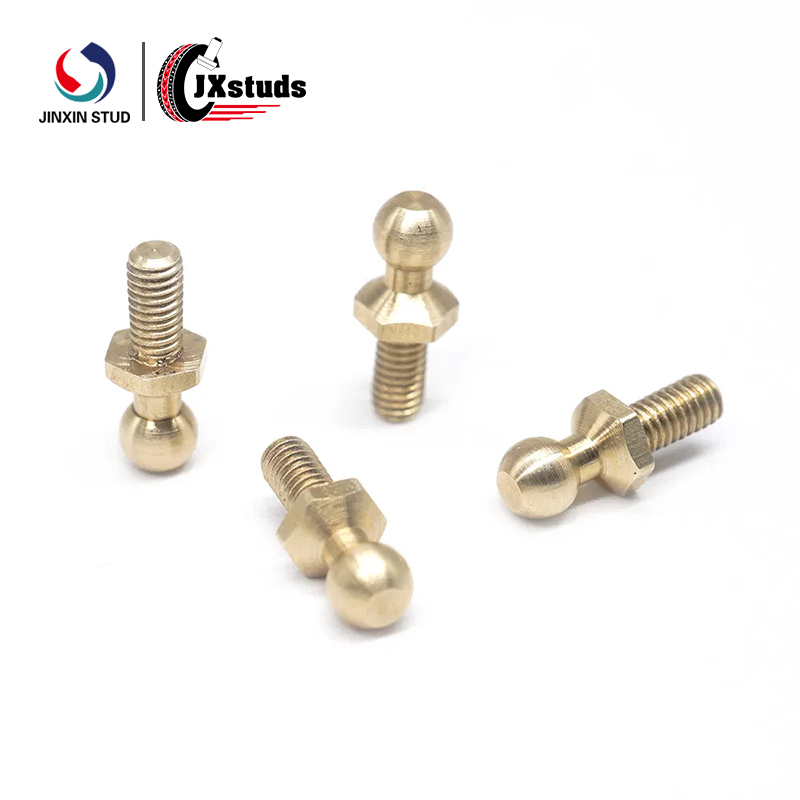
The Critical Role of Ball Head Fasteners
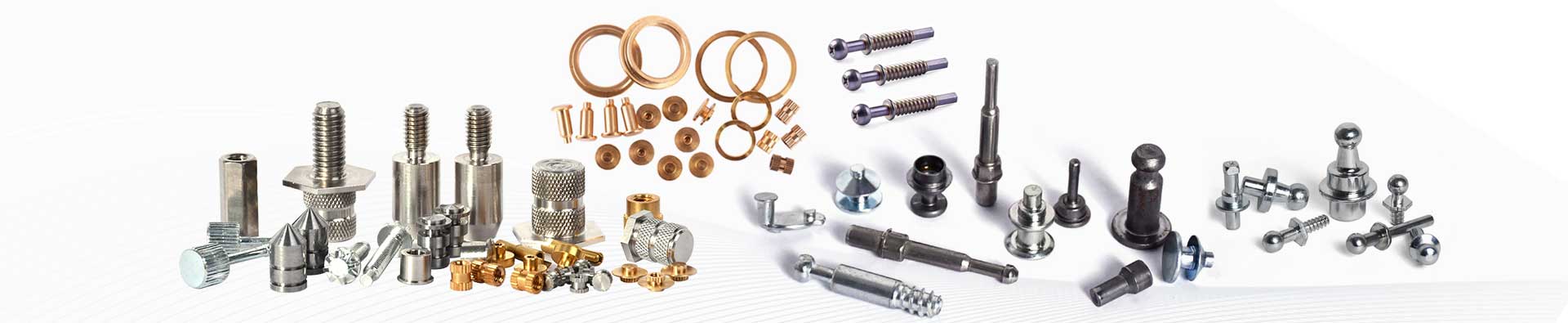
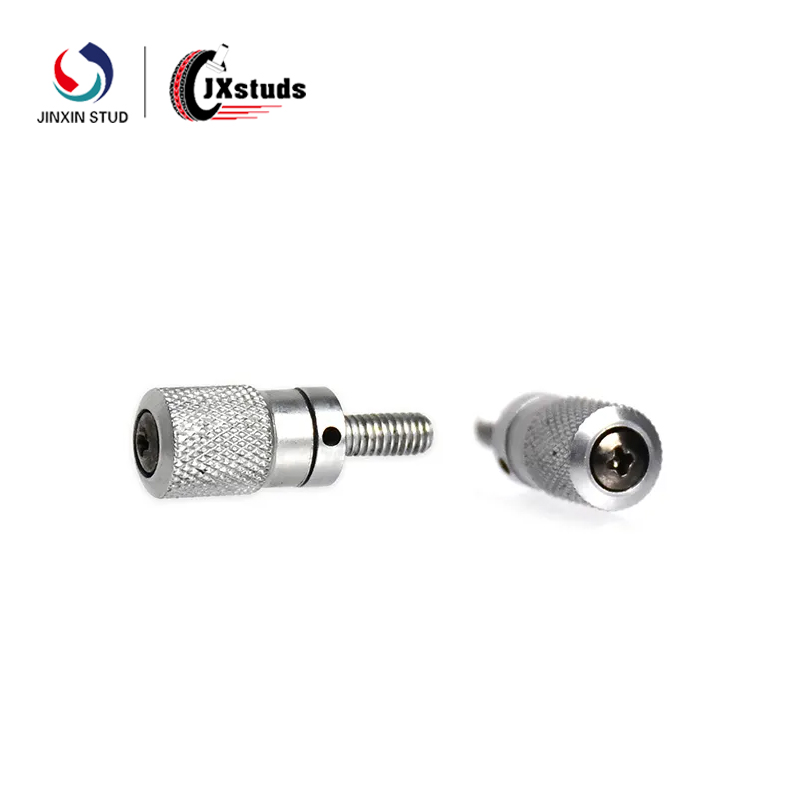
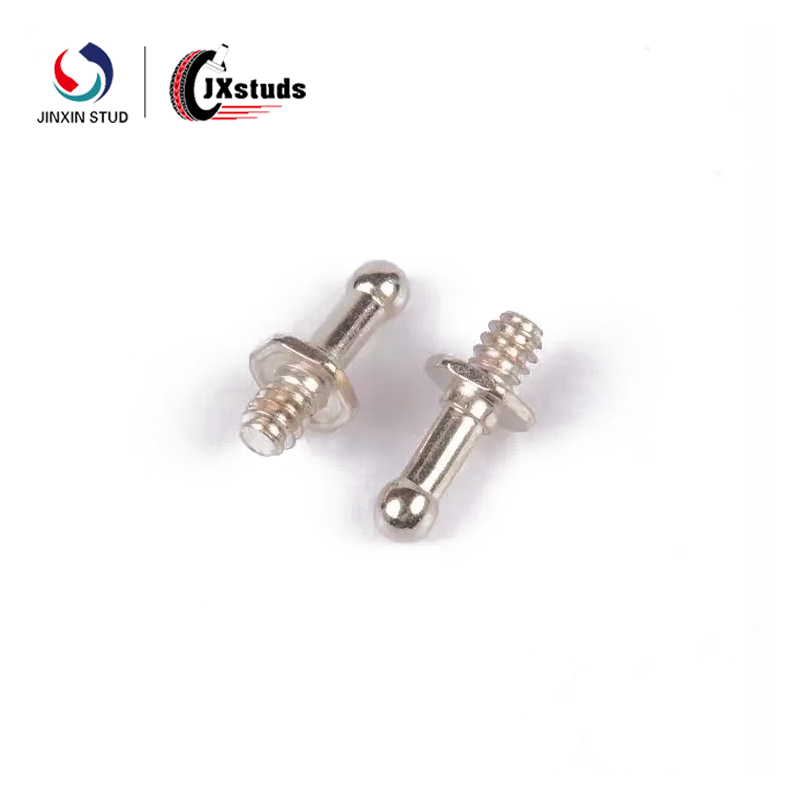
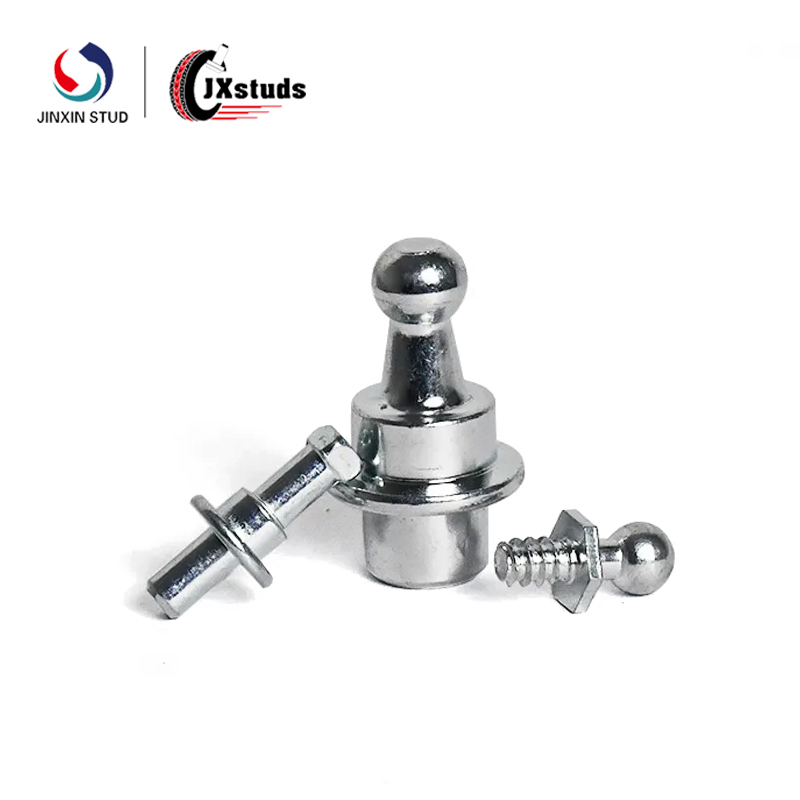
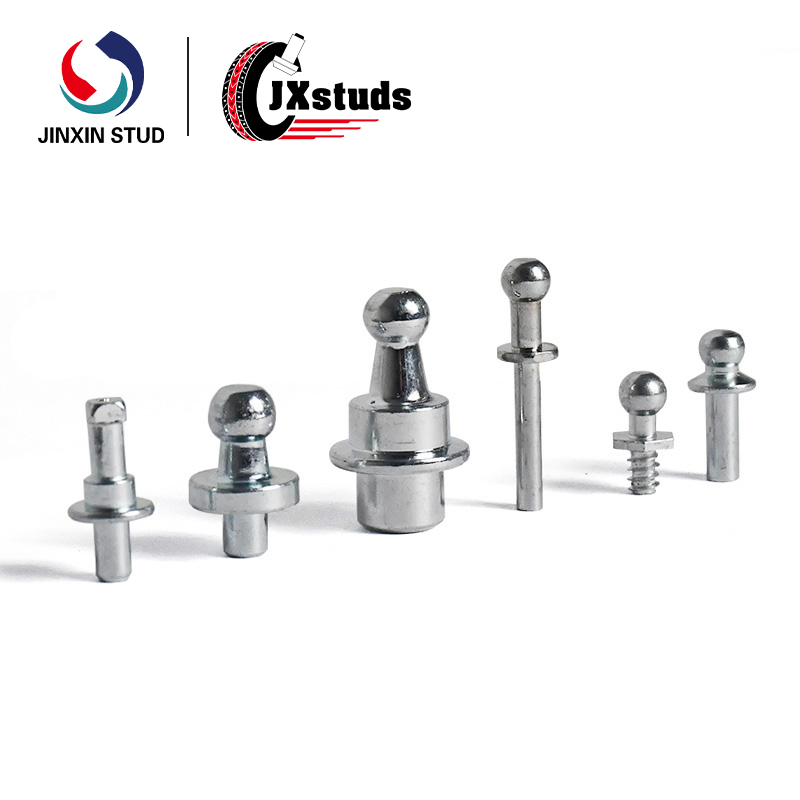
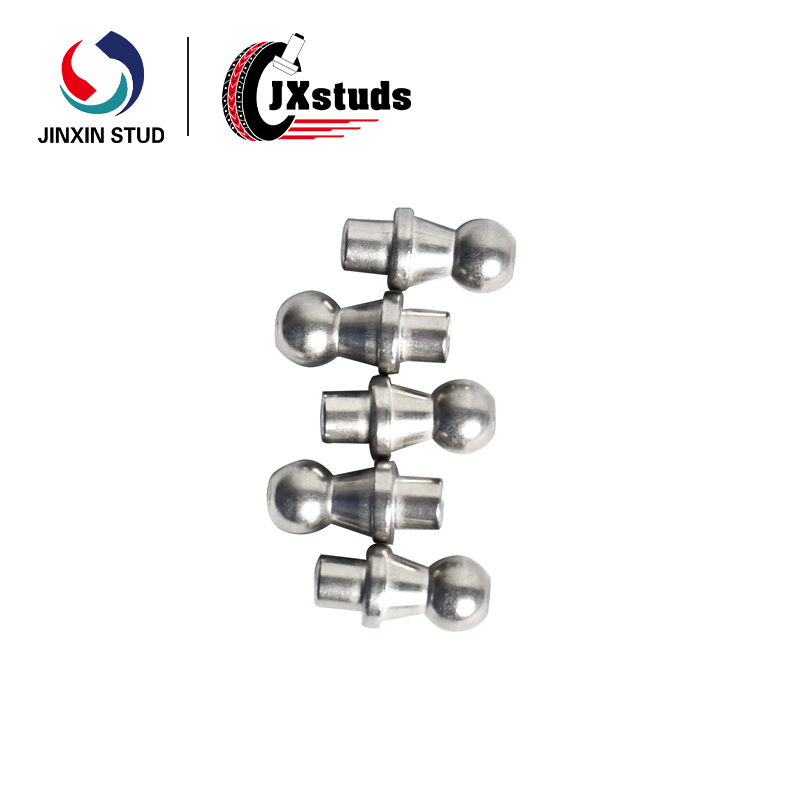
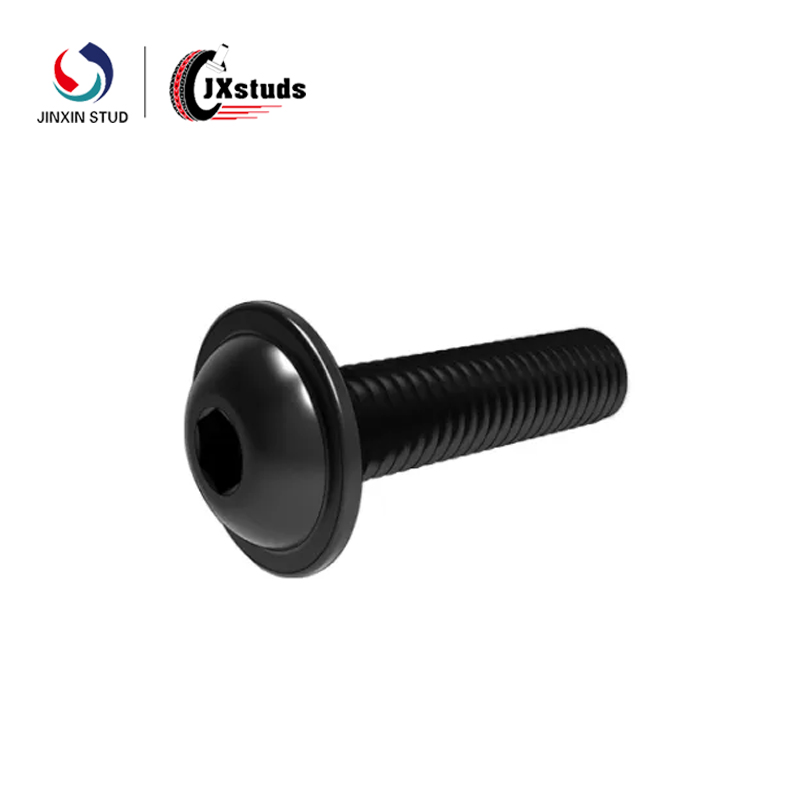
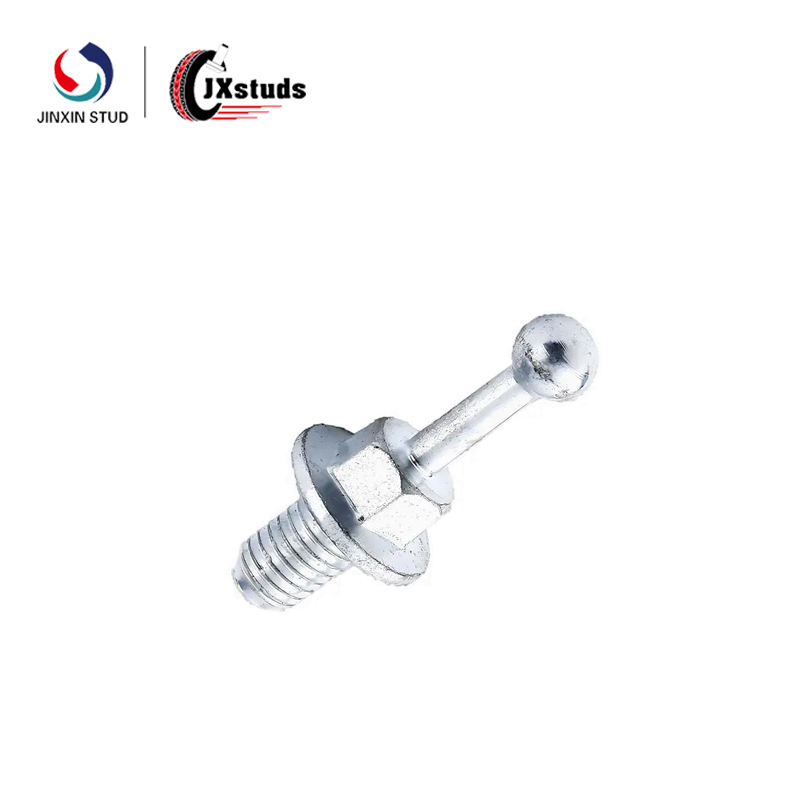
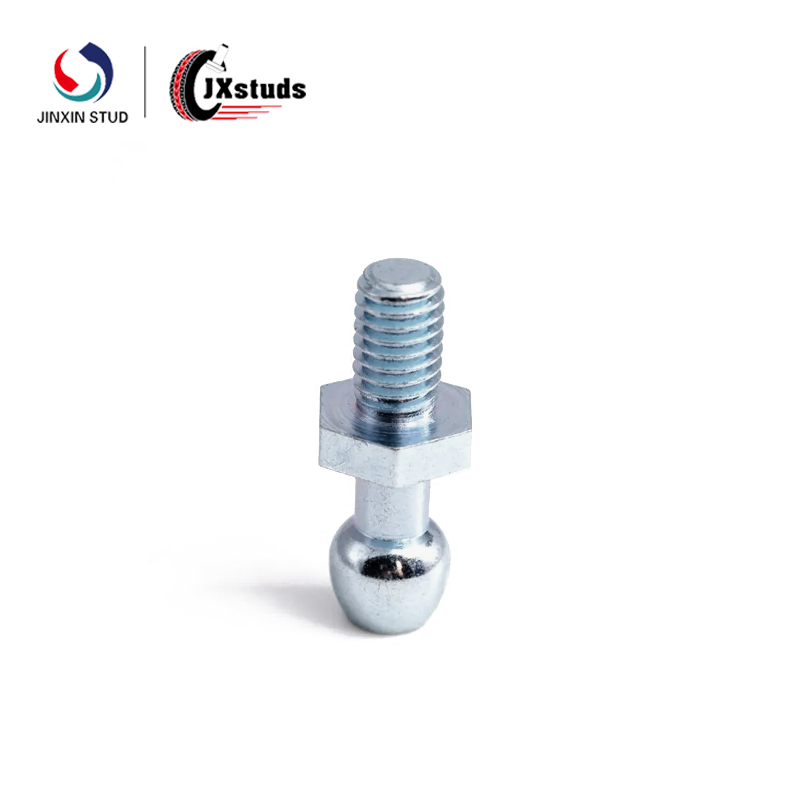
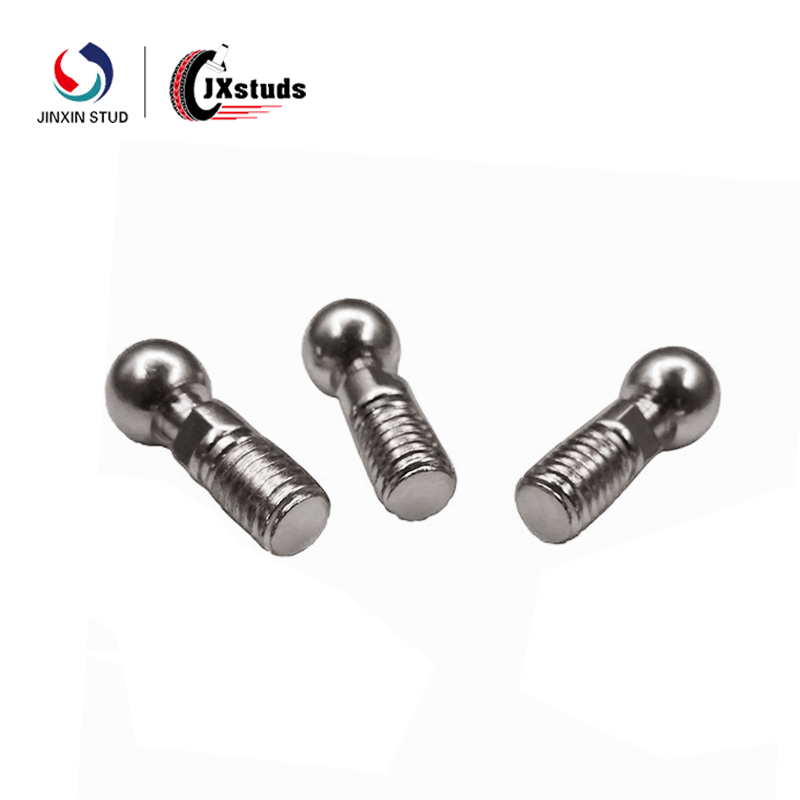
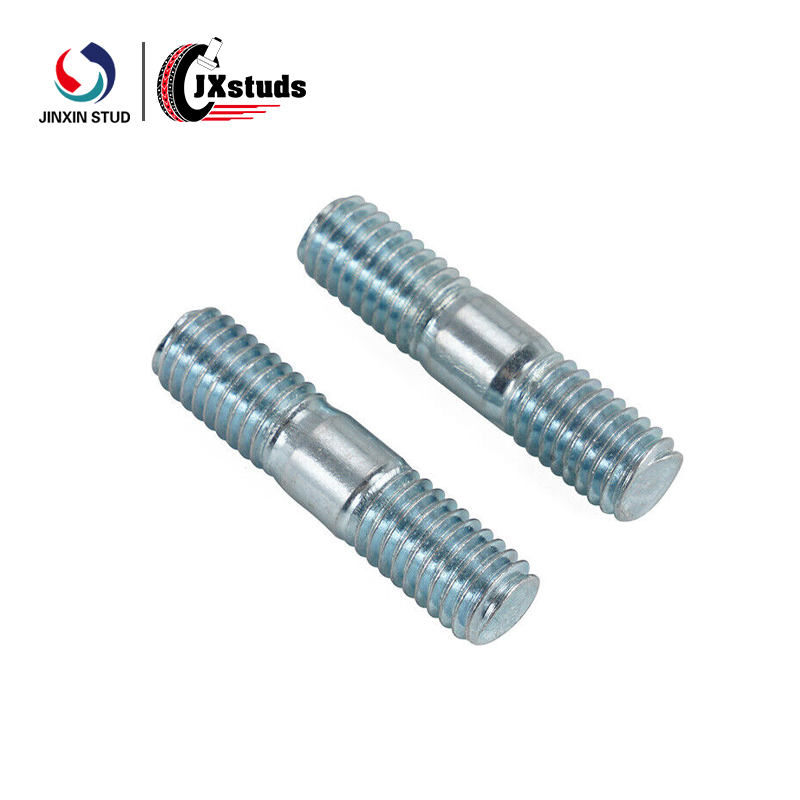
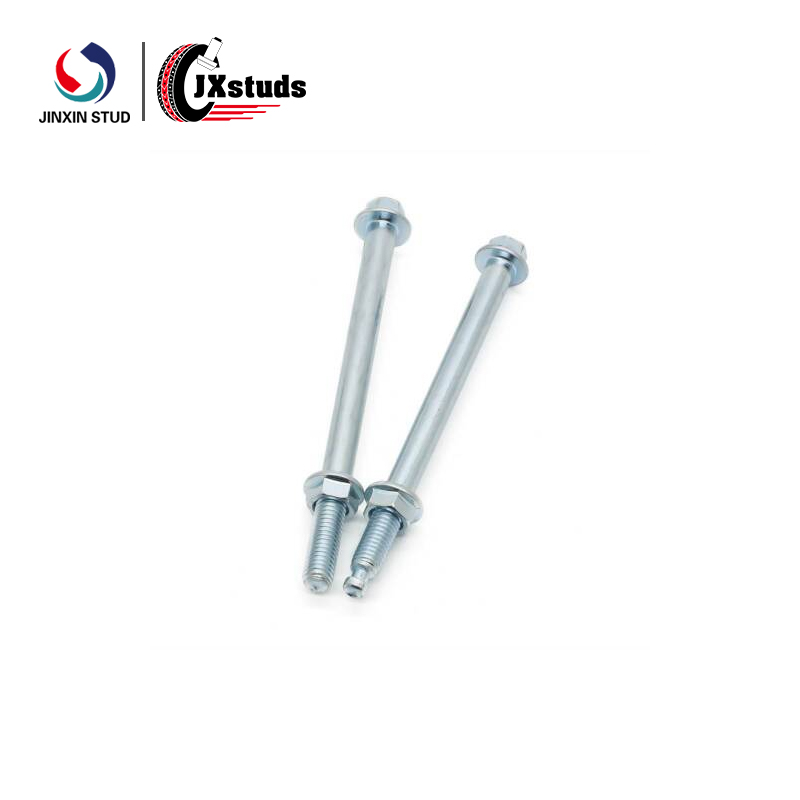
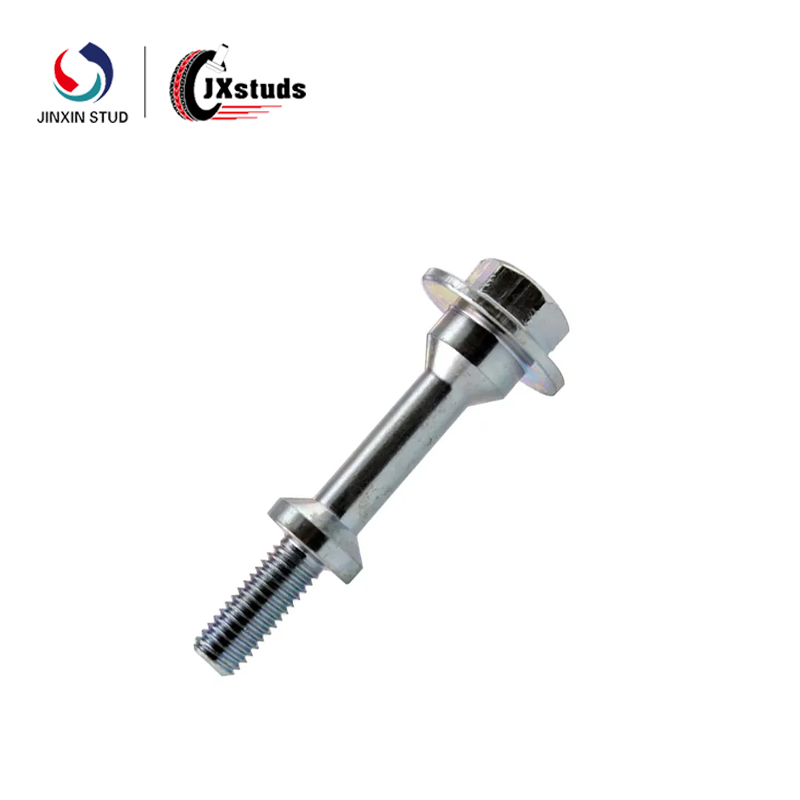
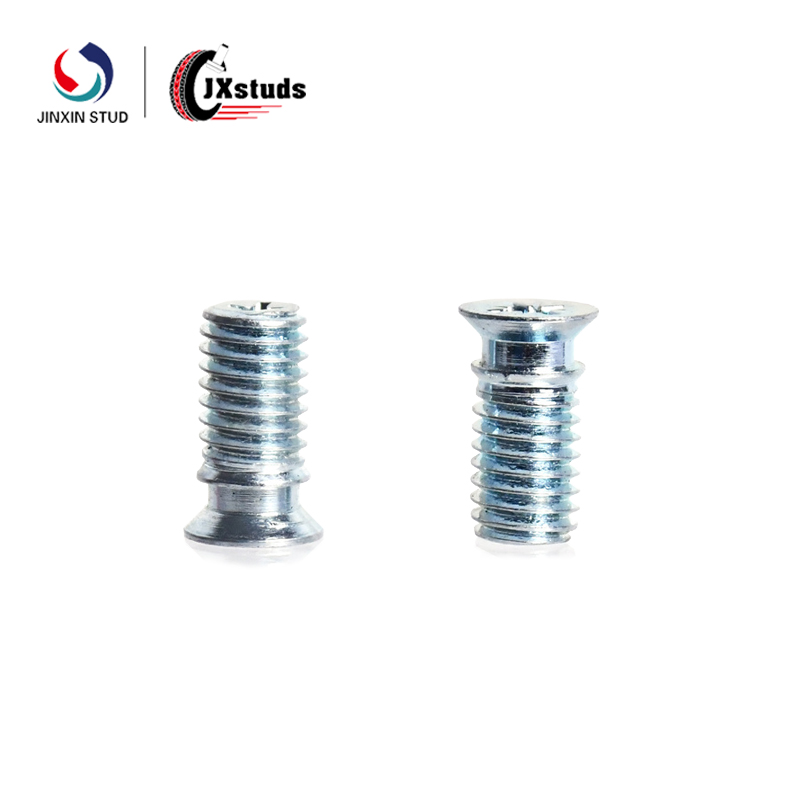
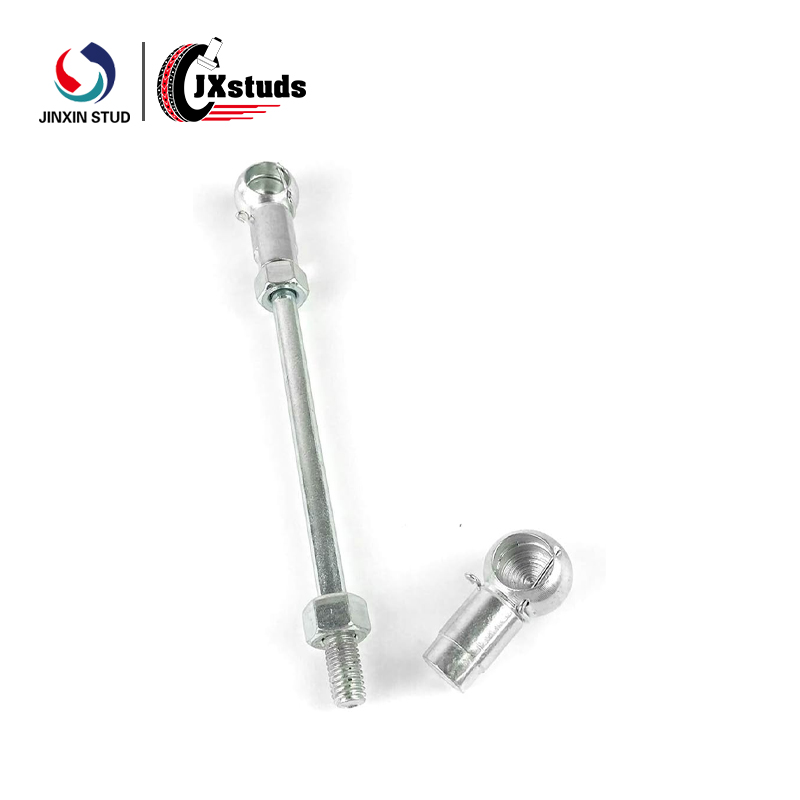
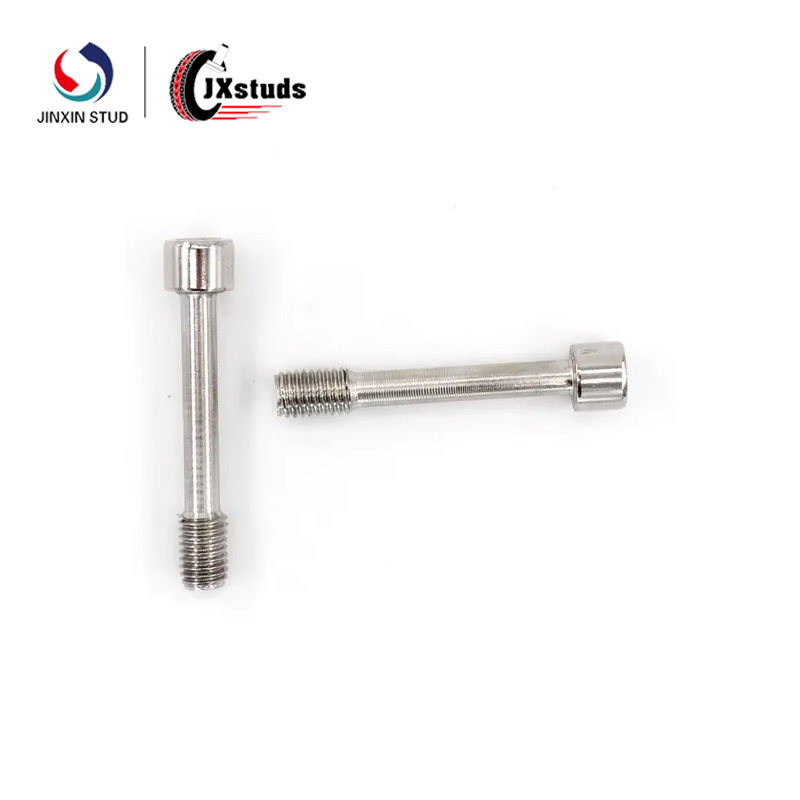
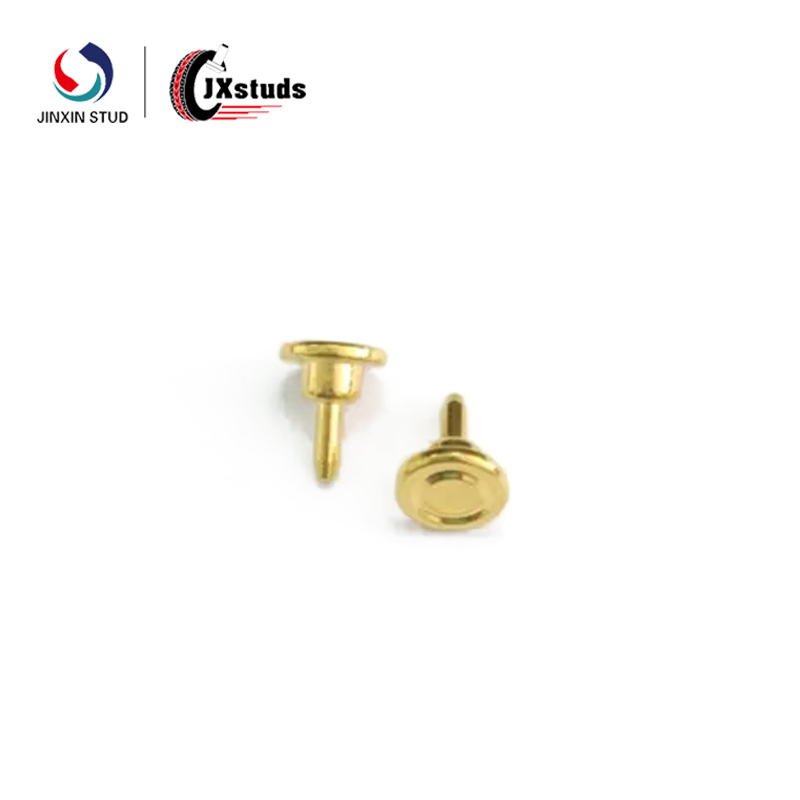
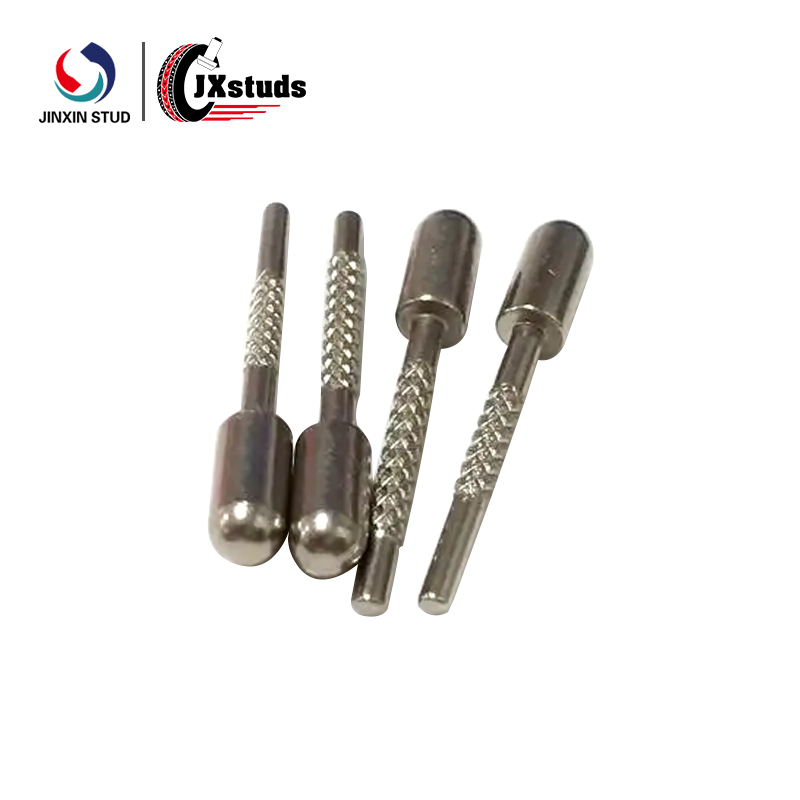
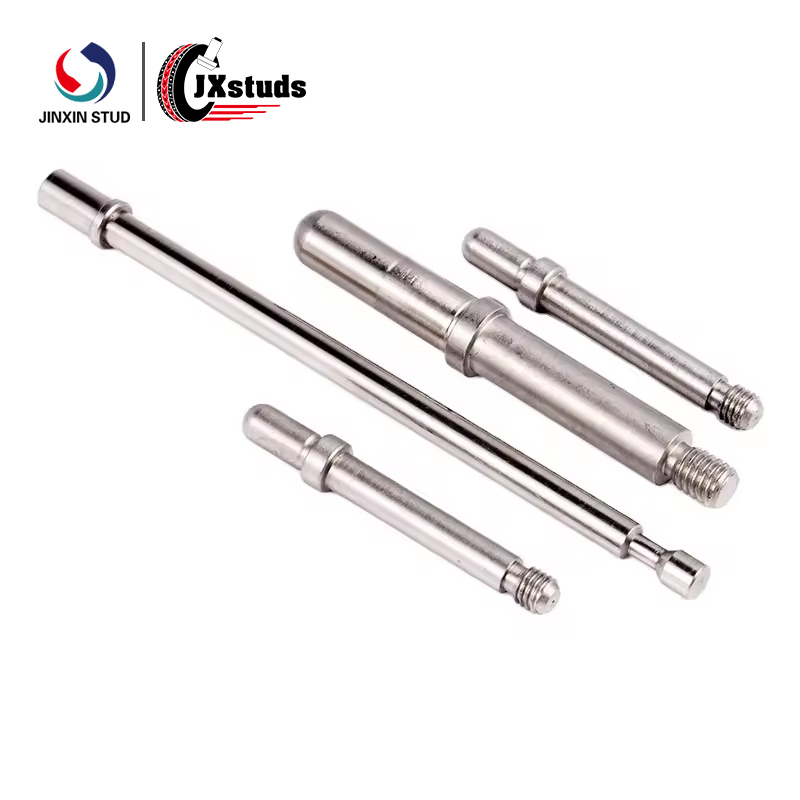
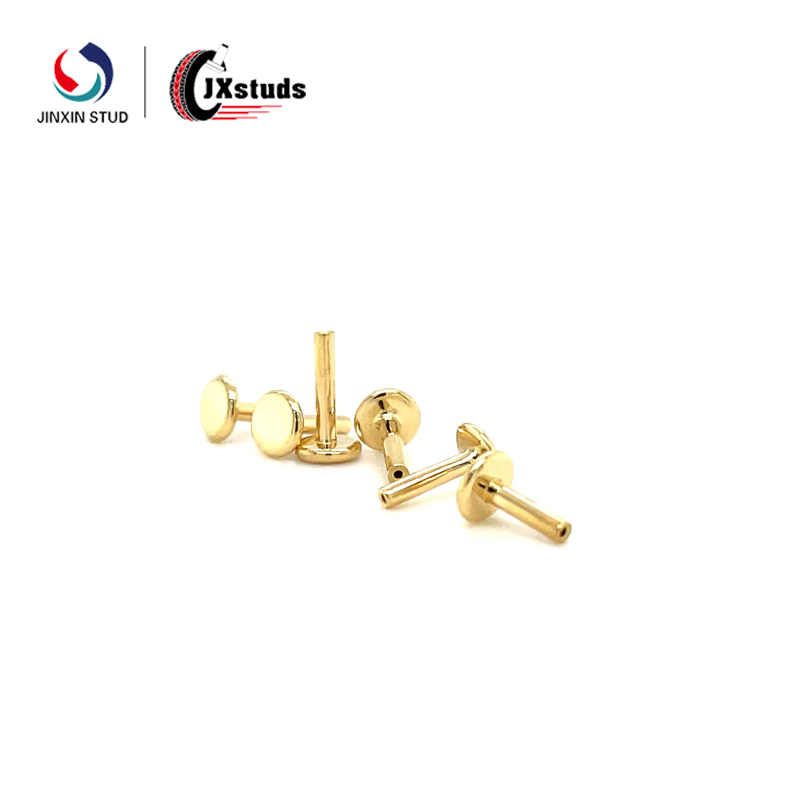
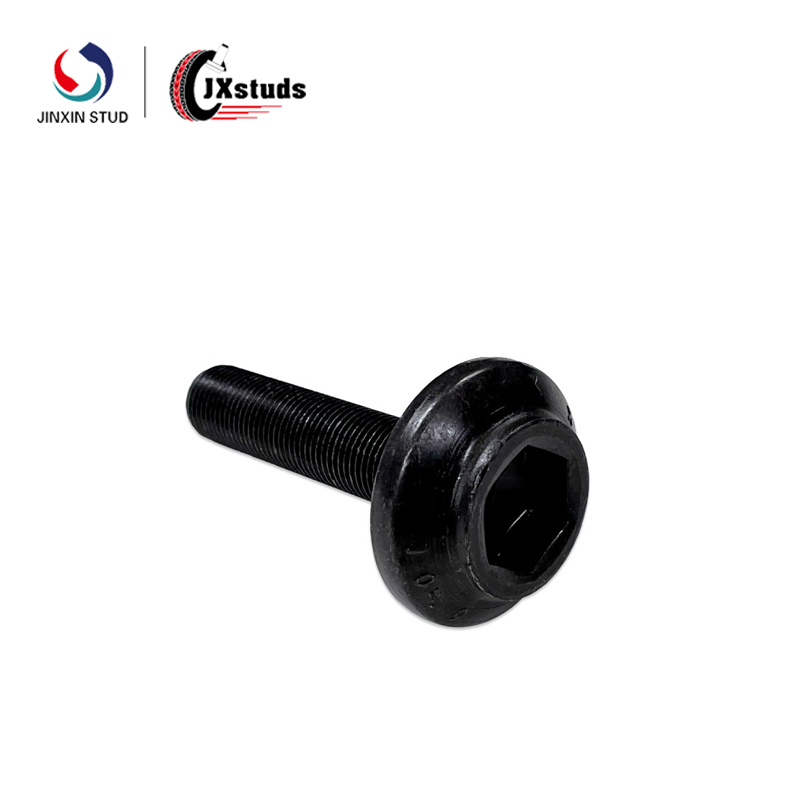
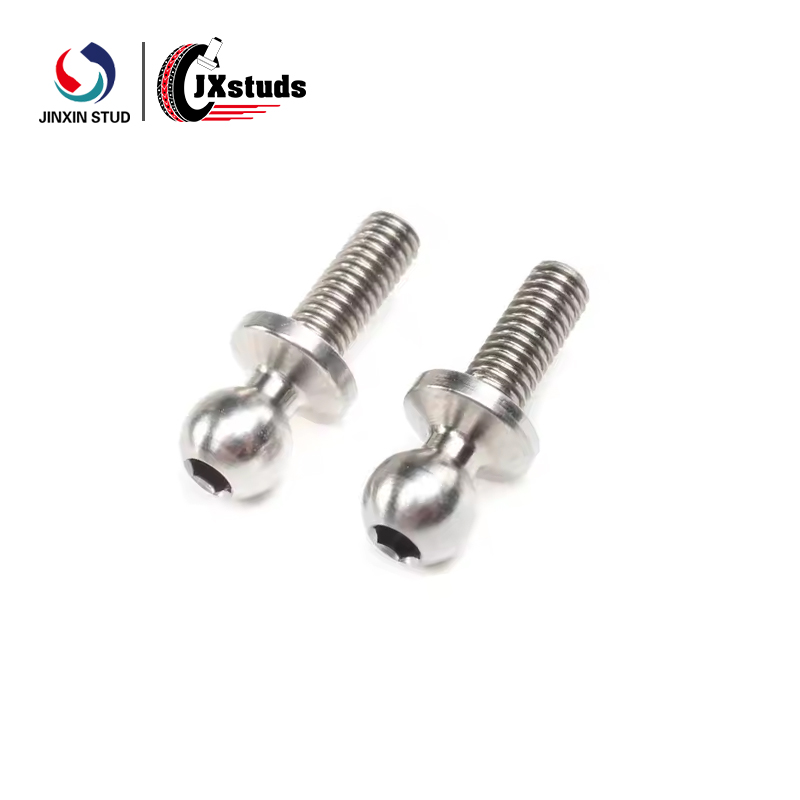
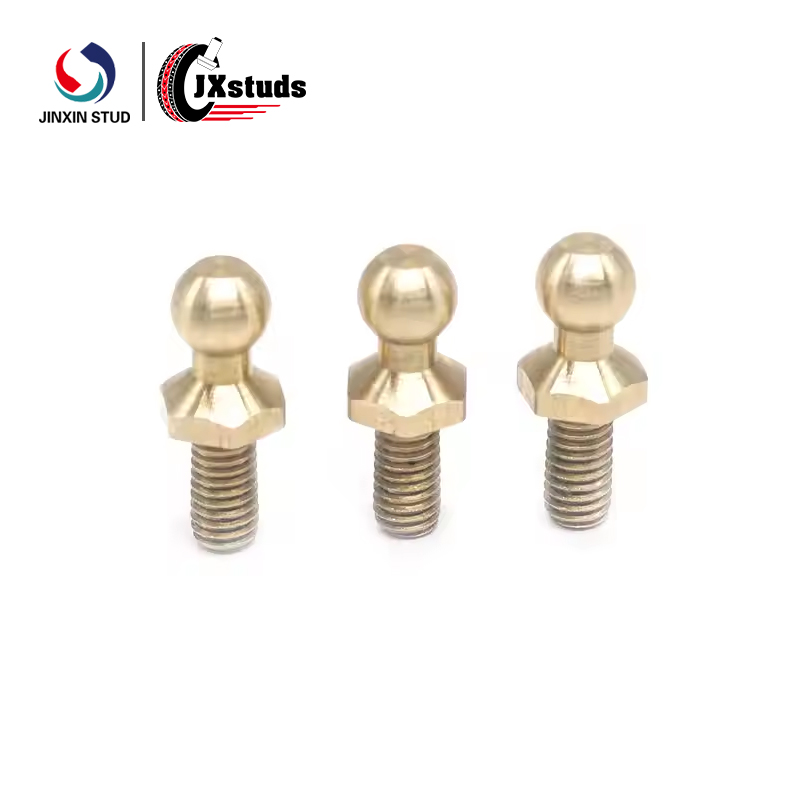
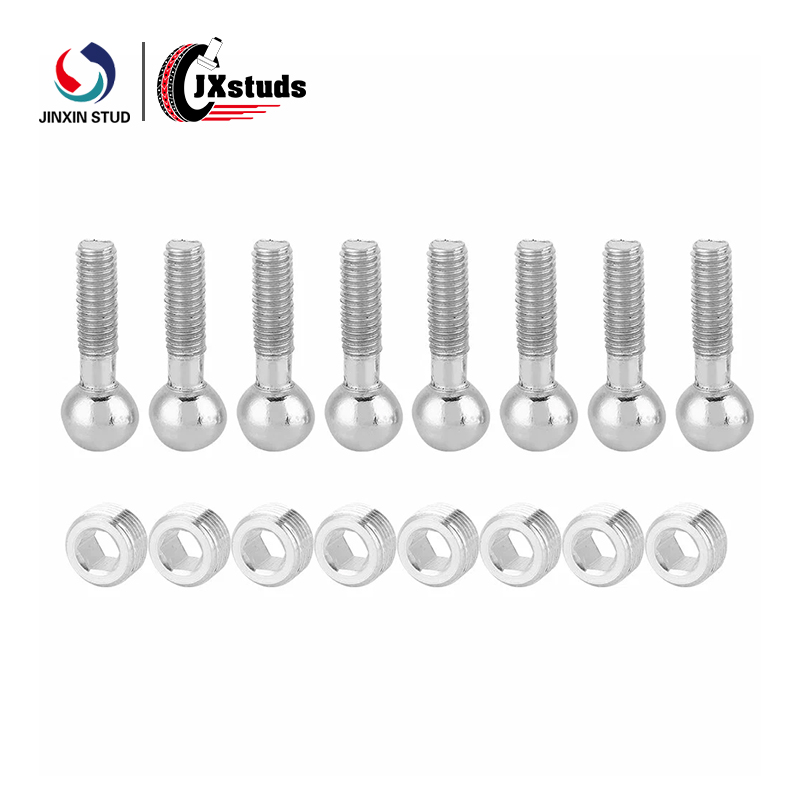
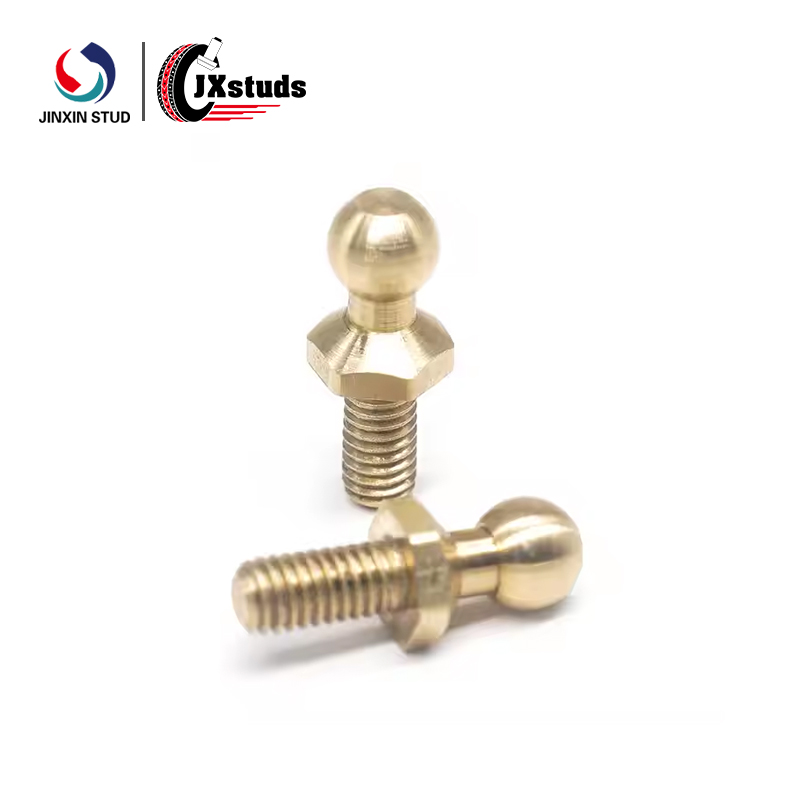
Ball head screws occupy a unique position in precision fastening, serving both functional and aesthetic purposes. In automotive applications, these fasteners are integral to cable linkage systems, door latch mechanisms, seat adjustment assemblies, and under-hood components where spherical articulation enables smooth motion under load. In furniture and cabinetry, ball head screws provide elegant, visible fastening solutions for modular systems, adjustable shelving, and high-end joinery where the fastener itself contributes to the overall design language.
Regardless of application, the performance requirements are demanding: consistent geometry for reliable engagement, surface durability to resist corrosion and wear, and absolute quality assurance to eliminate field failures. Our ball head screws are engineered to exceed these expectations.
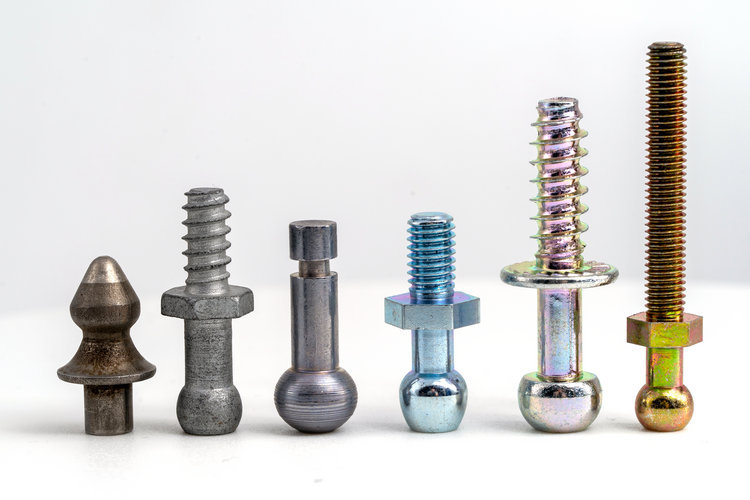
Precision Manufacturing: Geometry That Matters
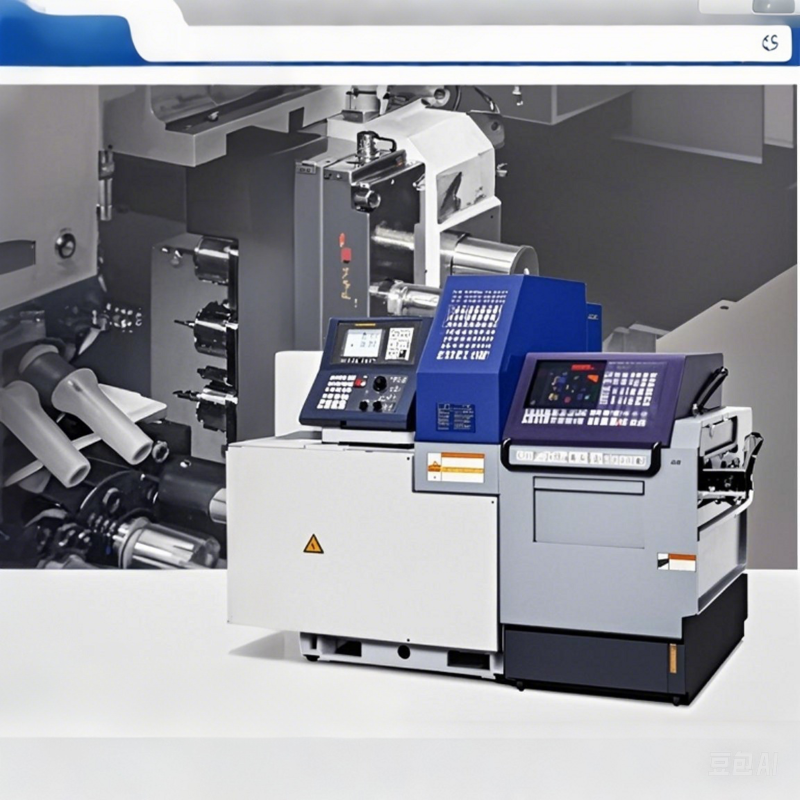
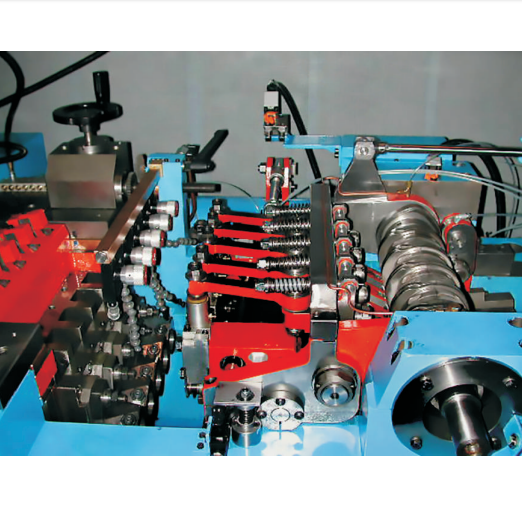
The spherical head geometry of these fasteners demands exceptional manufacturing precision. Any deviation from true sphericity compromises articulation smoothness, load distribution, and visual consistency. Our manufacturing process utilizes high-precision CNC turning and cold heading technologies, with tolerances maintained to:
Spherical Diameter Tolerance: ±0.05 mm
Concentricity: ≤ 0.1 mm between ball centerline and thread axis
Thread Class: 6g or 6h per ISO / DIN standards
Surface Roughness: Ra ≤ 0.8 μm on spherical surface
This precision ensures that every ball head screw performs identically, whether installed in an automotive production line or a furniture assembly workshop.
100% Full Inspection: Uncompromising Quality Assurance
Unlike manufacturers that rely on batch sampling, we commit to 100% full inspection of every ball head screw before shipment. Our quality control protocol encompasses:
| Inspection Stage | Parameters Verified | Method |
|---|---|---|
| Dimensional | Overall length, ball diameter, thread length, head height | Digital calipers, optical comparators |
| Thread Verification | Major/minor diameter, pitch, thread angle, go/no-go gauging | Thread gauges, laser scanning |
| Spherical Profile | Roundness, surface finish, concentricity | CMM, profilometer |
| Mechanical Properties | Hardness, tensile strength, proof load | Rockwell/Vickers, tensile tester |
| Surface Finish | Coating thickness, adhesion, corrosion resistance | XRF, tape test, salt spray |
| Visual | Cosmetic defects, burrs, plating uniformity | Magnified visual inspection |
Each production lot is accompanied by full traceability documentation, enabling complete transparency for automotive and industrial customers requiring strict quality management.
Custom Surface Treatments: Tailored to Application Requirements
We understand that surface finish is not merely cosmetic—it directly influences corrosion resistance, wear performance, friction characteristics, and aesthetic integration. Our surface treatment capabilities accommodate a wide spectrum of requirements:
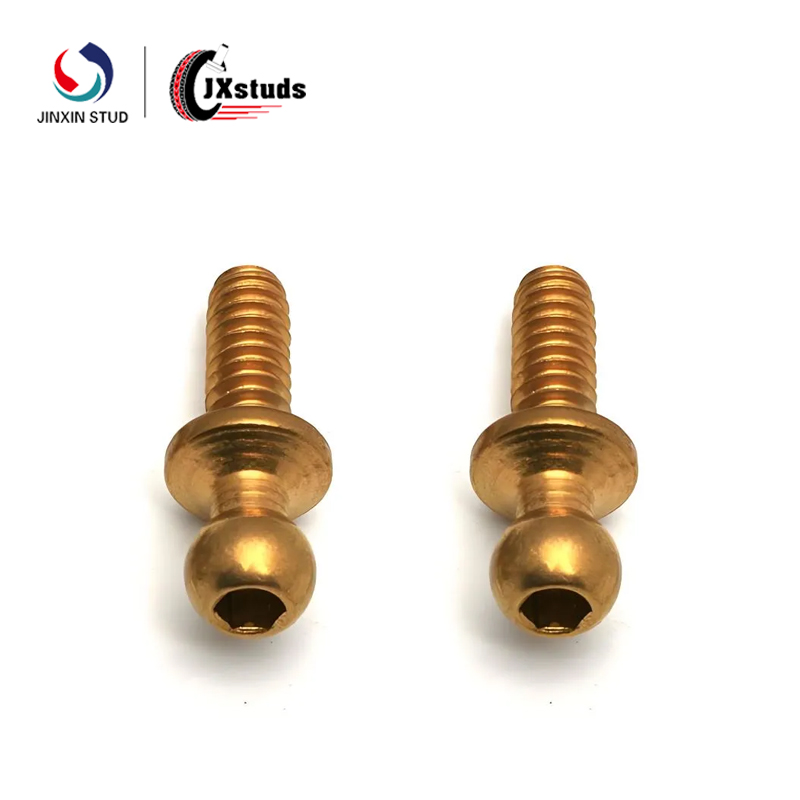
1. Anodizing (Aluminum Substrates)
Process: Electrochemical conversion coating
Benefits: Enhanced corrosion resistance, decorative color options (clear, black, gold, custom colors), improved surface hardness
Applications: Automotive interior components, visible furniture fasteners, consumer products
Thickness: 5–25 μm (Type II), 25–75 μm (Type III hard coat)
2. High-Frequency Induction Hardening
Process: Localized surface hardening of ball head using electromagnetic induction
Benefits: Increased wear resistance at articulation contact surface, maintaining core ductility
Applications: High-cycle automotive linkage systems, adjustable mechanisms
Hardness Achievable: 45–55 HRC at ball surface, core hardness maintained at 25–35 HRC
3. Zinc-Nickel Alloy Plating
Process: Electroplated Zn-Ni alloy (12–15% nickel content)
Benefits: Exceptional corrosion protection (up to 1,000+ hours salt spray), superior thermal stability, minimal hydrogen embrittlement risk
Applications: Automotive under-hood, chassis, and exterior components
Thickness: 5–15 μm
Corrosion Resistance: 720–1,000 hours to red rust (ASTM B117)
4. Zinc-Aluminum Alloy Plating (Geomet / Dacromet Style)
Process: Water-based coating with zinc-aluminum flakes, baked to form protective layer
Benefits: Excellent corrosion protection without hydrogen embrittlement, consistent friction coefficient, good thermal stability
Applications: Automotive structural fasteners, high-strength applications
Thickness: 5–12 μm
Corrosion Resistance: 500–1,000 hours salt spray, depending on topcoat
Surface Treatment Selection Guide
| Application Environment | Recommended Treatment | Rationale |
|---|---|---|
| Automotive exterior / under-hood | Zinc-Nickel or Zinc-Aluminum | Maximum corrosion protection, thermal stability |
| Automotive interior visible | Anodizing (colored) | Aesthetic integration, moderate corrosion protection |
| High-cycle articulation | Induction hardened ball + corrosion coating | Wear resistance at contact surface |
| High-strength structural | Zinc-Aluminum (Geomet/Dacromet) | No hydrogen embrittlement risk |
| Furniture / cabinetry | Anodizing or decorative plating | Visual appeal, indoor corrosion protection |
Quality Certification & Compliance
Our manufacturing facilities maintain quality management systems aligned with automotive and industrial standards:
IATF 16949: Automotive quality management system certification
ISO 9001: Comprehensive quality management
ISO 14001: Environmental management
RoHS & REACH: Compliance with restricted substances regulations
| Parameter | Specification | Notes |
|---|---|---|
| Material Options | Carbon Steel (Grade 8.8 / 10.9 / 12.9), Stainless Steel (304 / 316), Aluminum Alloy (6061 / 7075), Brass | Custom materials available |
| Thread Sizes | M3 – M16 | Custom sizes available |
| Thread Class | 6g, 6h | Per ISO 965 / DIN 13 |
| Ball Diameter | 5 mm – 25 mm ±0.05 mm | Customizable |
| Overall Length | 10 mm – 120 mm ±0.2 mm | Customizable |
| Spherical Surface Finish | Ra ≤ 0.8 μm | Standard |
| Concentricity | ≤ 0.1 mm | Ball center to thread axis |
| Hardness (Carbon Steel) | 22–32 HRC (Grade 8.8), 32–39 HRC (Grade 10.9), 39–45 HRC (Grade 12.9) | Core hardness |
| Induction Hardened Ball | 45–55 HRC | Case depth 0.5–1.5 mm |
| Tensile Strength | 800–1220 MPa (carbon steel), 500–700 MPa (stainless) | Dependent on material grade |
| Surface Treatments | Anodizing, Induction Hardening, Zinc-Nickel, Zinc-Aluminum, Zinc Plating, Black Oxide, Passivation (stainless) | Custom combinations available |
| Corrosion Resistance (Salt Spray) | Zinc-Nickel: 720–1,000+ hrs / Zinc-Aluminum: 500–1,000 hrs / Anodizing: 336+ hrs / Zinc Plating: 72–240 hrs | ASTM B117, depending on coating thickness |
| Inspection | 100% Full Inspection | Dimensional, thread, surface, mechanical |
| Packaging | Bulk cartons, custom kitting, anti-corrosion packaging | Export-ready |
Dimensional Specifications (Sample – M6 x 20 mm)
| Specification | Value |
|---|---|
| Thread Size | M6 x 1.0 |
| Overall Length | 20 mm ± 0.2 mm |
| Ball Diameter | 10 mm ± 0.05 mm |
| Thread Length | 15 mm ± 0.3 mm |
| Head Height | 6 mm ± 0.1 mm |
| Drive Type | Hex socket, slot, or custom |
| Material / Finish | Carbon Steel 10.9 / Zinc-Nickel |
Primary Application Areas
| Industry | Applications | Critical Requirements |
|---|---|---|
| Automotive Manufacturing | Cable linkages, door latches, seat adjusters, pedal assemblies, shift mechanisms, hood release systems | Vibration resistance, corrosion protection, consistent articulation, 100% quality assurance |
| Furniture & Cabinetry | Modular shelving systems, adjustable legs, connector fittings, high-end joinery | Aesthetic finish, smooth thread engagement, visual consistency |
| Industrial Equipment | Control linkages, adjustment mechanisms, safety guards | Wear resistance, reliability under repetitive motion |
| Consumer Products | Bicycle components, sporting goods, ergonomic adjustments | Lightweight options, decorative finishes |
Installation Considerations
Thread Engagement: Ensure sufficient thread engagement length (typically 1.5× thread diameter minimum) to achieve specified clamp load.
Torque Specifications: Follow recommended torque values based on material grade and surface treatment to avoid thread stripping or coating damage.
Articulation Clearance: For ball-and-socket assemblies, verify clearance around the spherical head to ensure full range of motion without binding.
Corrosion Compatibility: When selecting surface treatments, consider galvanic compatibility with mating components, particularly in automotive under-hood environments.
Quality Assurance Documentation
Each shipment of ball head screws is accompanied by:
Material Test Reports (MTR): Certifying chemical composition and mechanical properties
Inspection Reports: Full dimensional and thread inspection data
Coating Certification: Thickness, adhesion, and corrosion test results
Lot Traceability: Complete traceability from raw material to finished product
Packaging Options
Bulk Packaging: 1,000 – 10,000 units per carton, suitable for production line feeding
Custom Kitting: Pre-packaged sets with washers, nuts, or mating components per assembly requirements
Anti-Corrosion Packaging: VCI paper, sealed poly bags with desiccant for extended storage
Labeling: Barcode labeling and lot identification for inventory management
Why Choose Our Ball Head Screws?
100% Full Inspection: Uncompromising quality assurance eliminates field failures
Material & Surface Flexibility: Extensive customization options to match any application requirement
Automotive-Grade Quality: IATF 16949 certified manufacturing processes
Application Expertise: Proven performance across automotive, furniture, and industrial sectors
Traceability & Documentation: Full transparency for quality management systems