The Self-Clinching Principle: Permanent Installation Without Welding
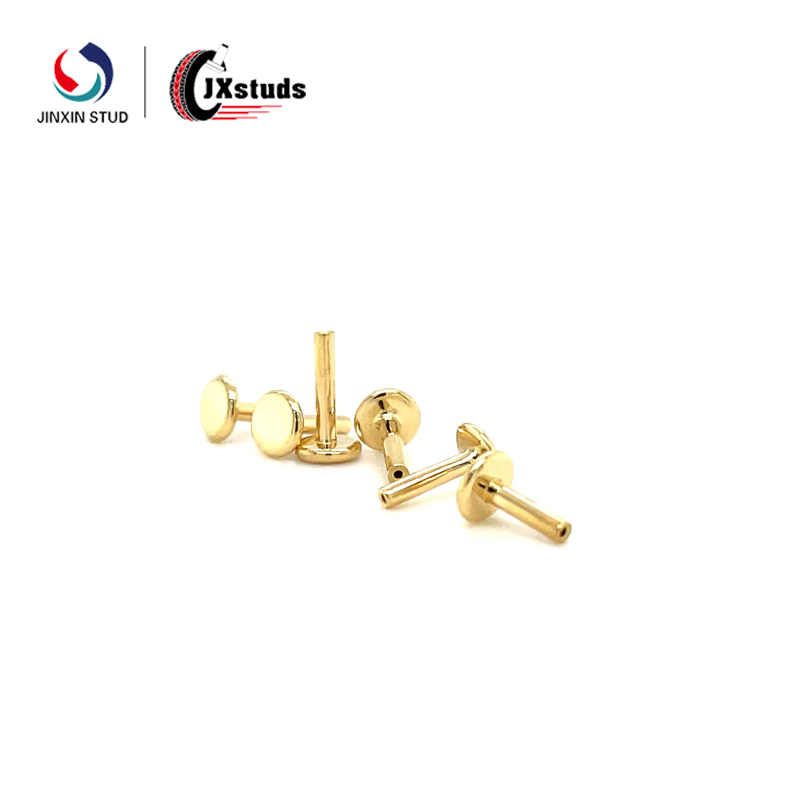
Self-clinching fasteners solve a fundamental challenge in sheet metal assembly: creating strong, reusable threaded connections in thin materials where welding is impractical, tapping yields insufficient thread engagement, and loose hardware complicates assembly. The clinching process uses controlled displacement of the host material into a specially designed recess or groove on the fastener. When pressed into a properly sized mounting hole, the displaced material flows into the fastener's undercut or knurl, creating a permanent mechanical lock.
Key Advantages of the Clinching Process:
No Welding Required: Eliminates heat distortion, spatter, and post-weld finishing
Flush Installation: Fastener head remains flush with or below the sheet surface on the installation side
Material Integrity: No cracking, distortion, or thinning of the host material
Reusable Threads: Provides durable, serviceable threads that withstand repeated assembly cycles
High Strength: Push-out and torque-out resistance typically exceeds the strength of the host material
Automation Ready: Compatible with pneumatic and servo-driven insertion equipment
Overview
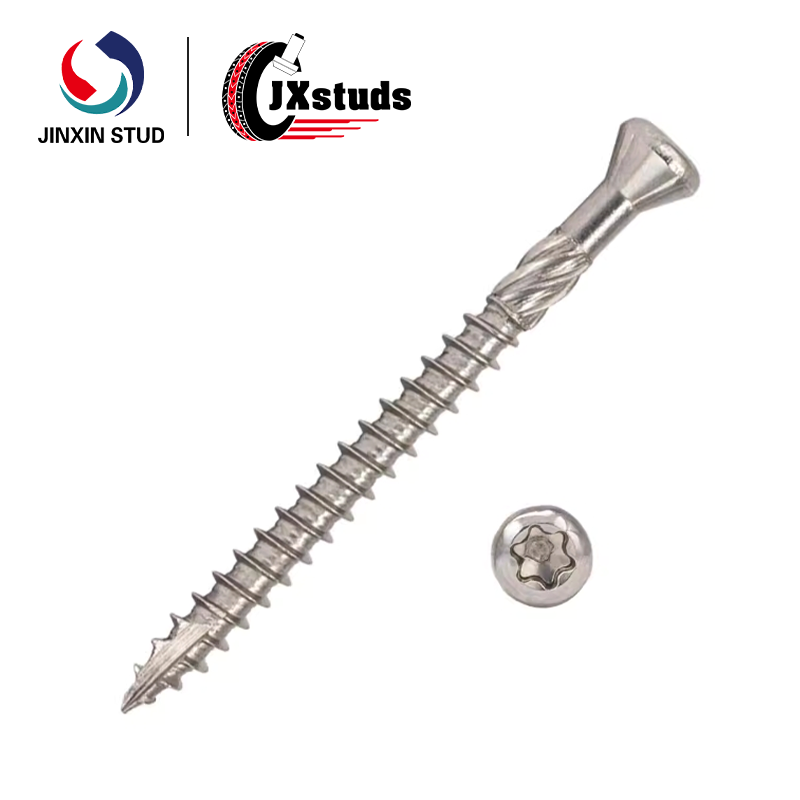
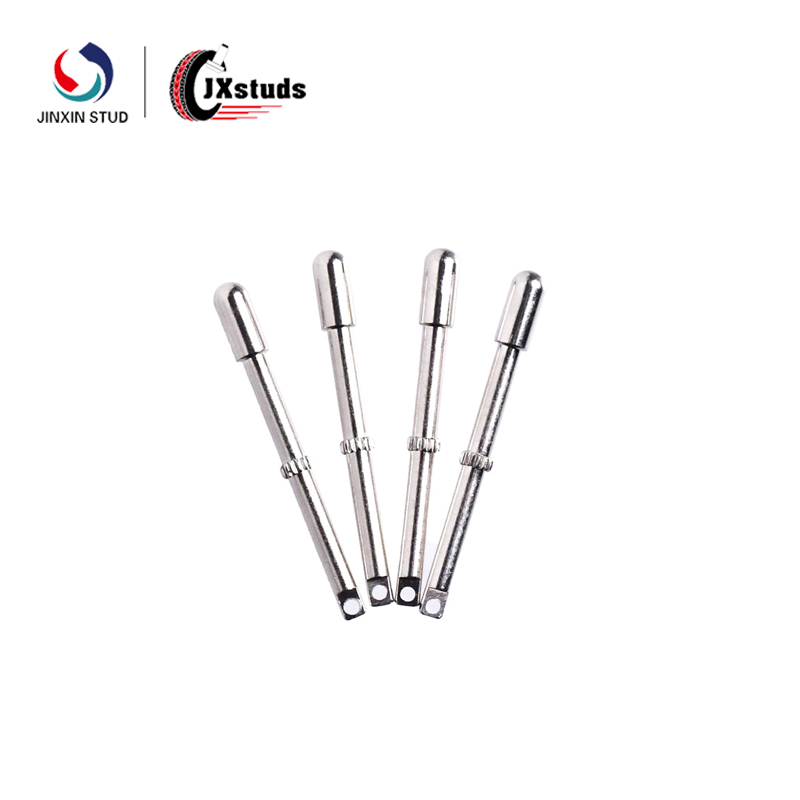
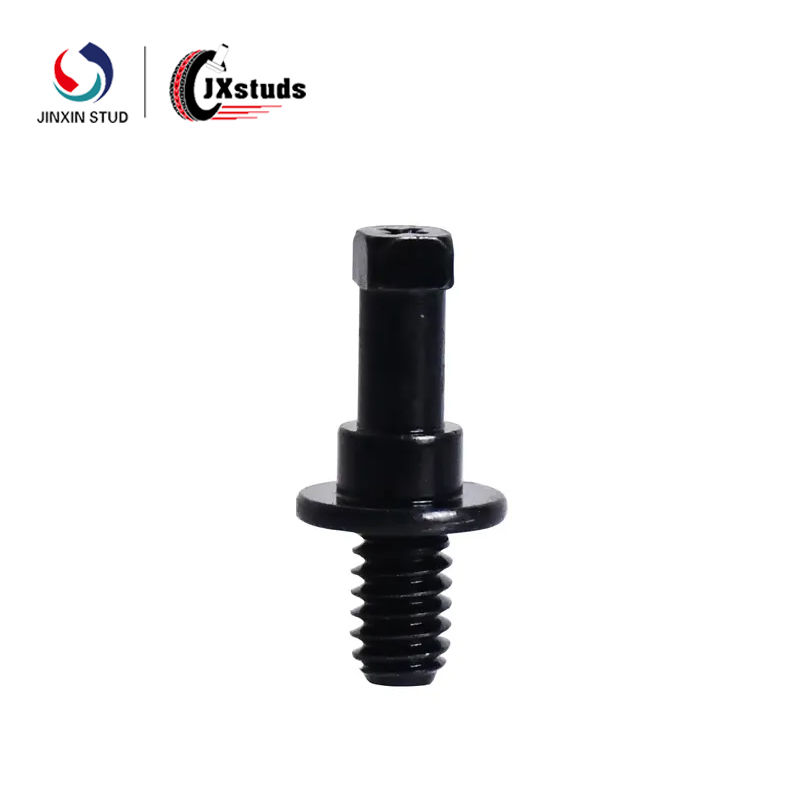
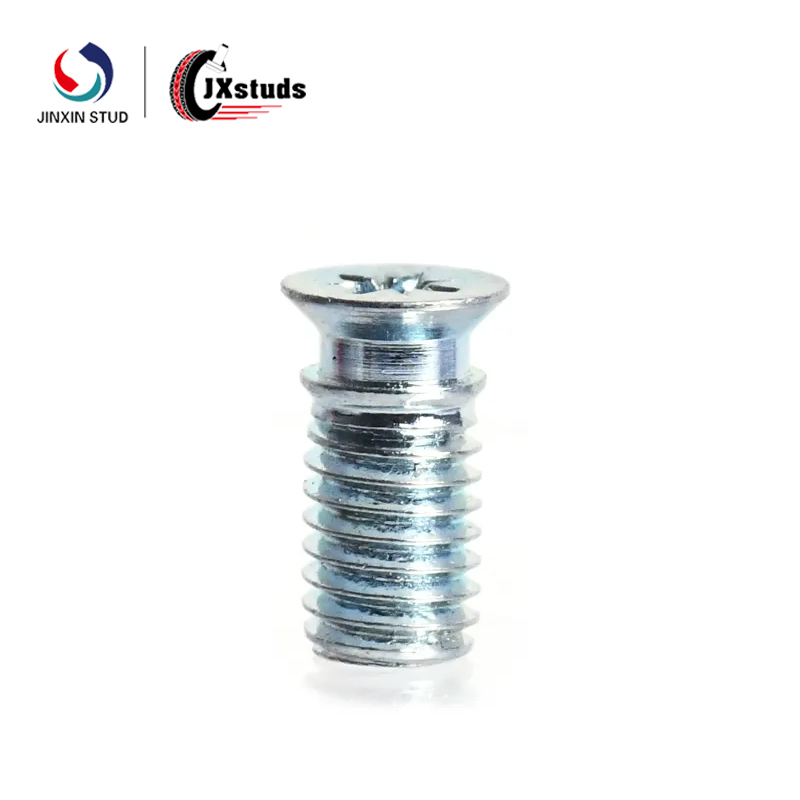
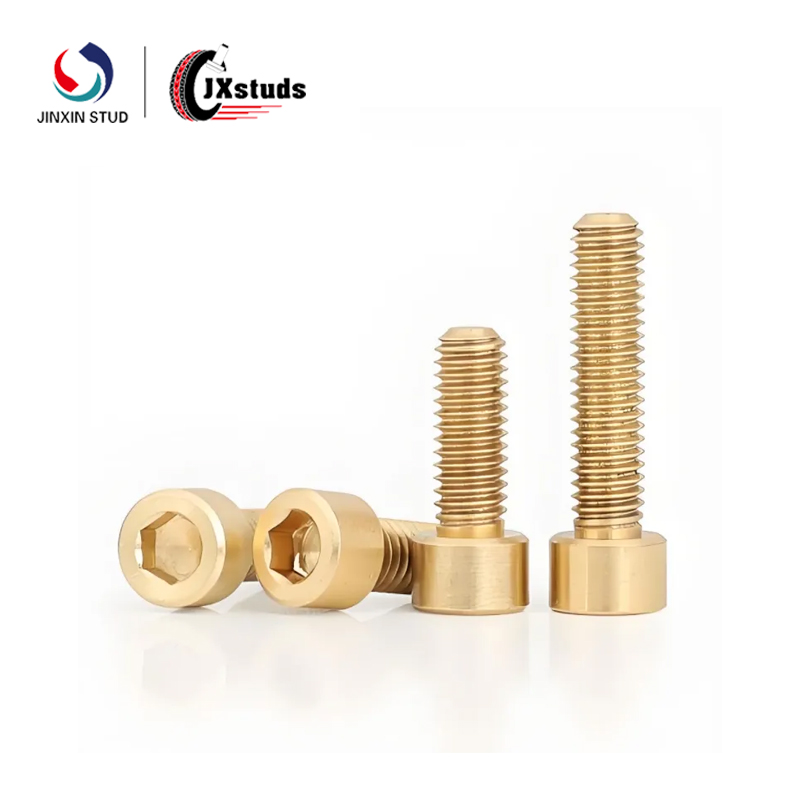
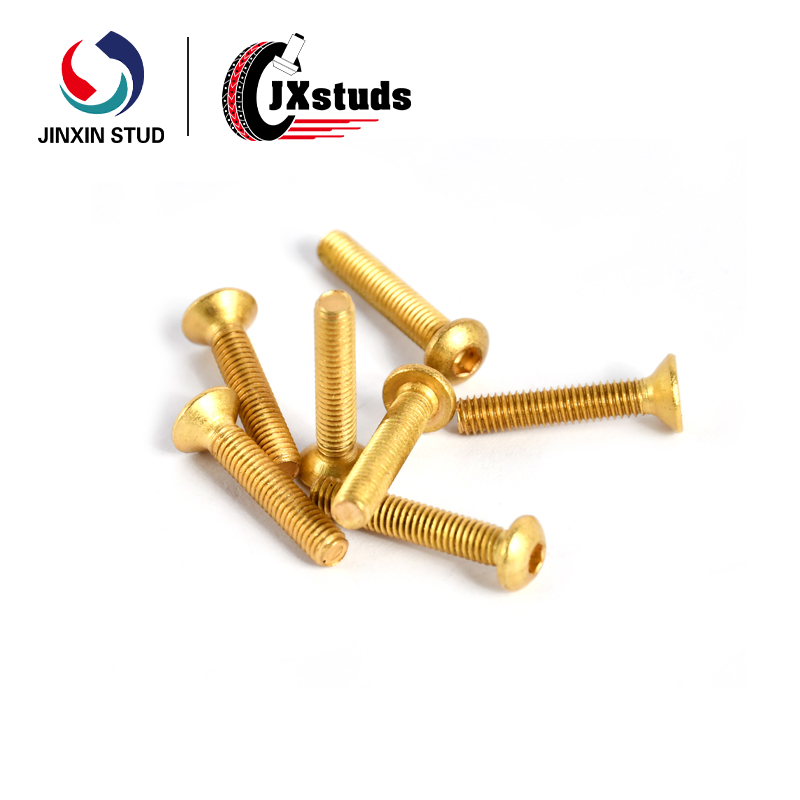
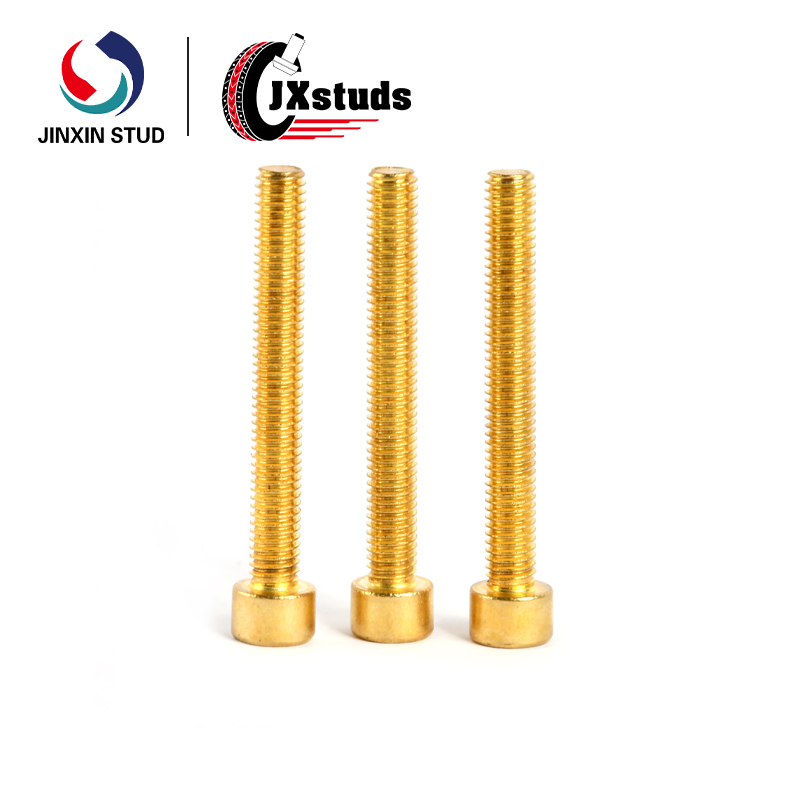
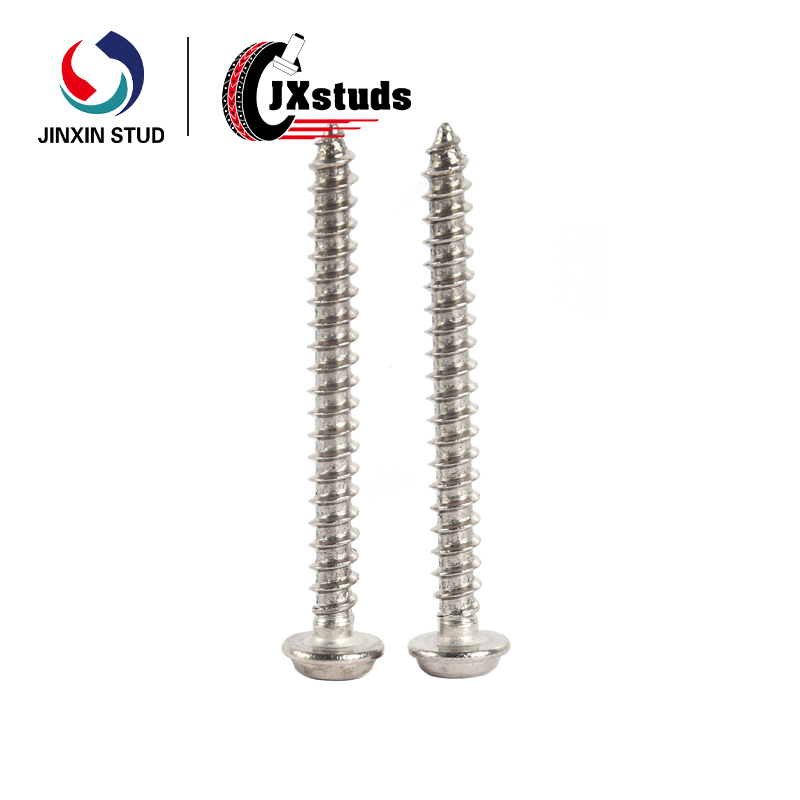
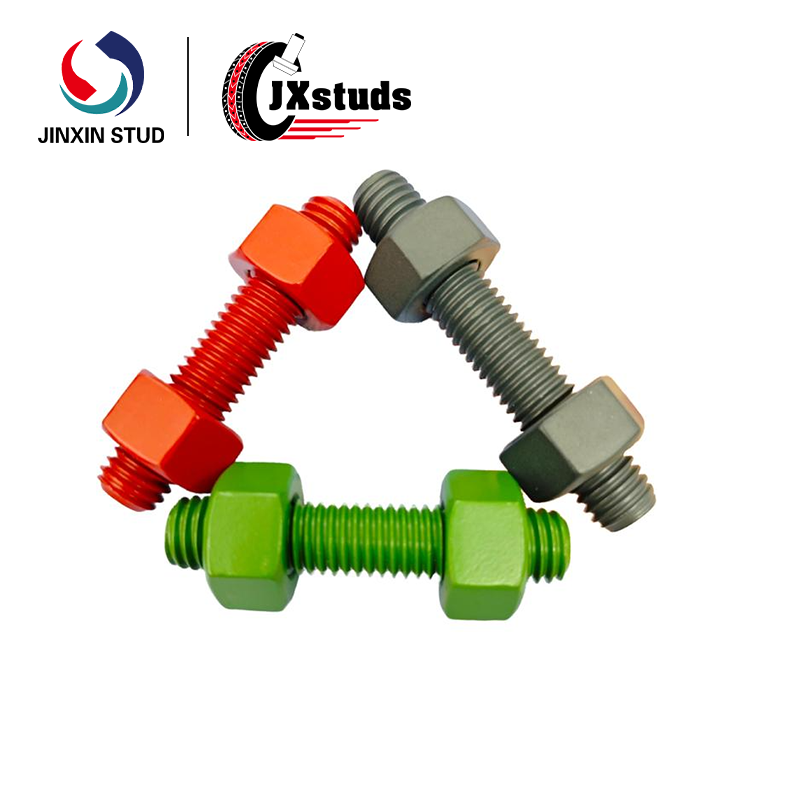
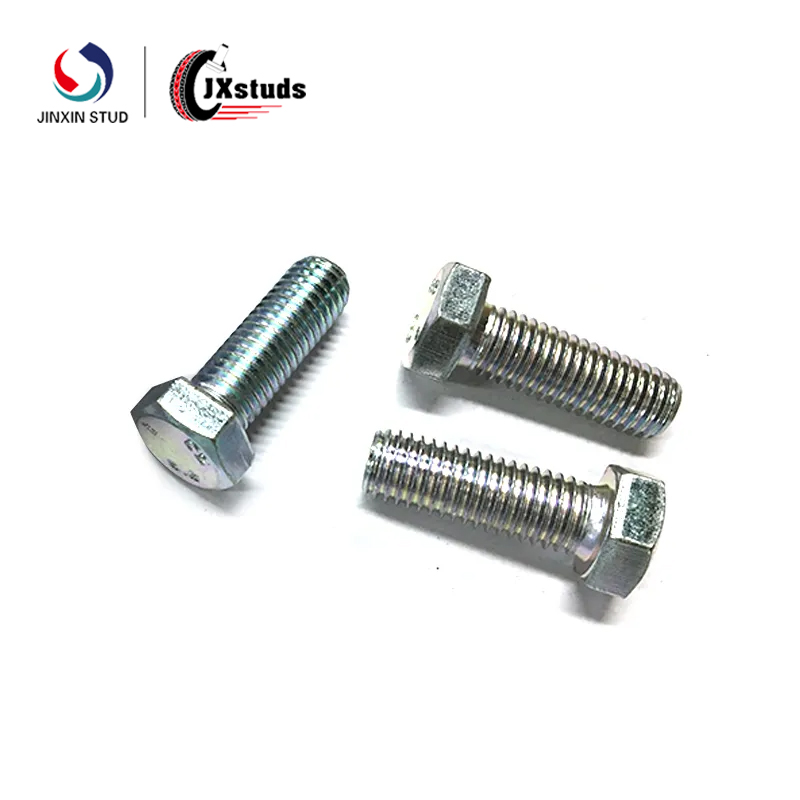
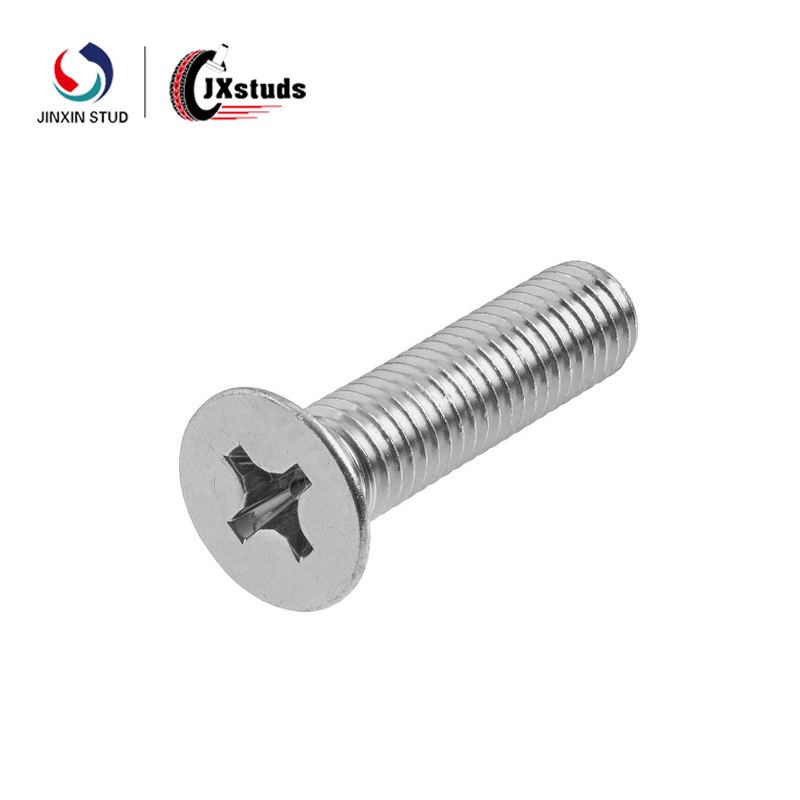
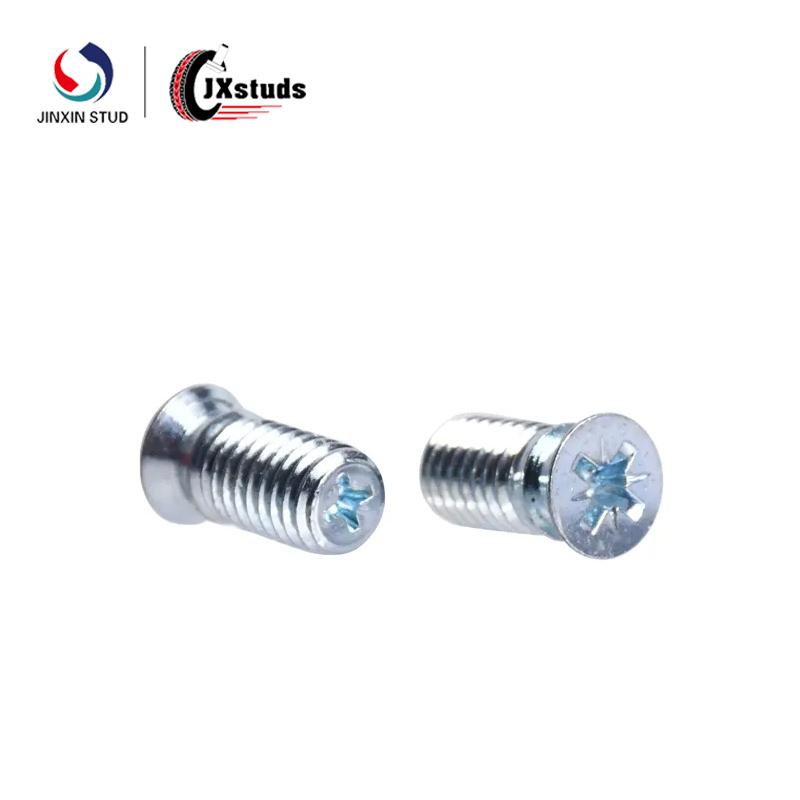
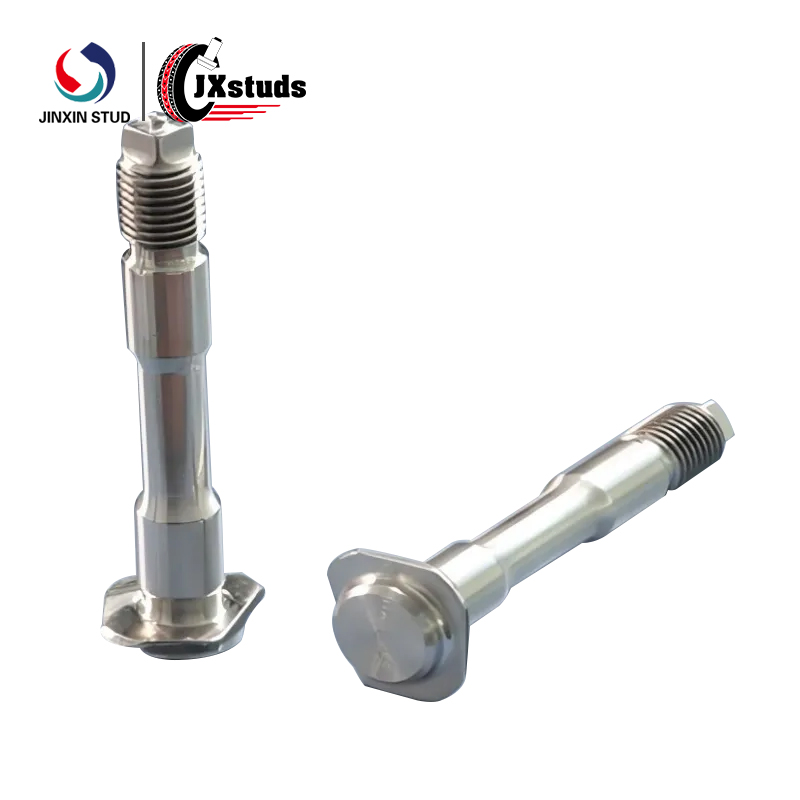
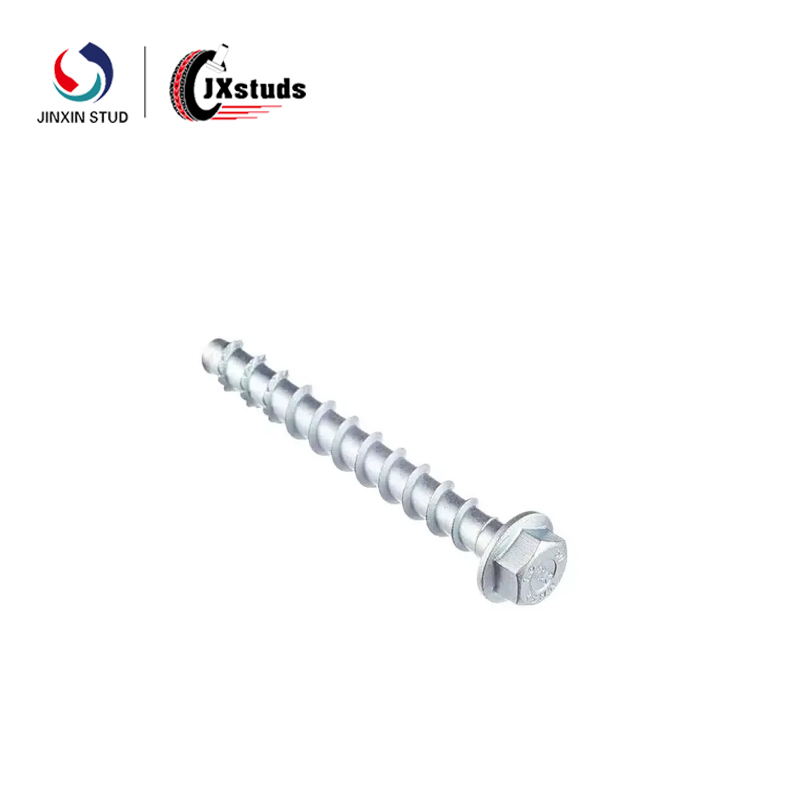
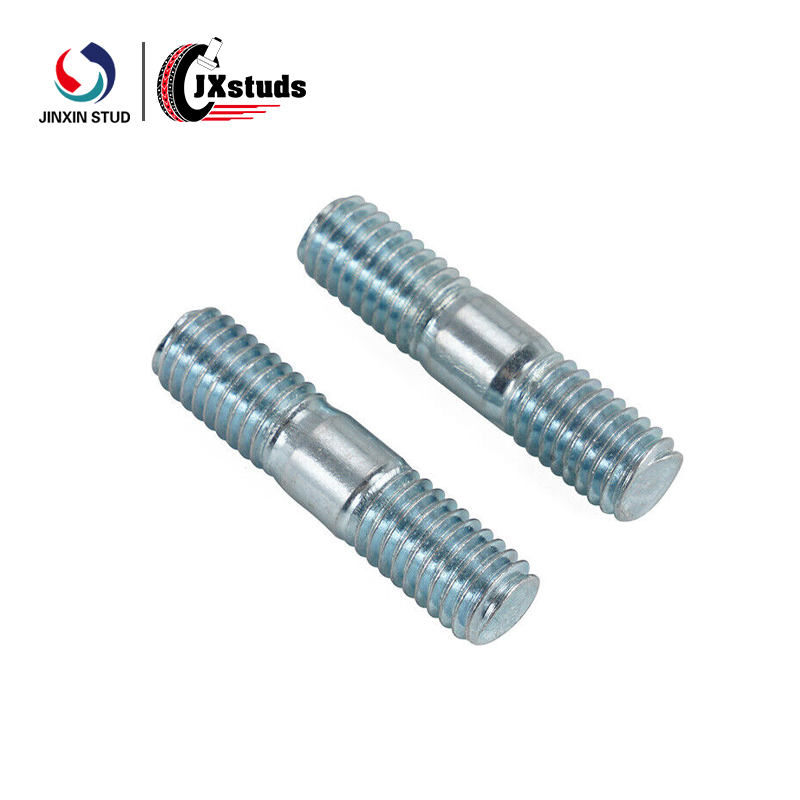
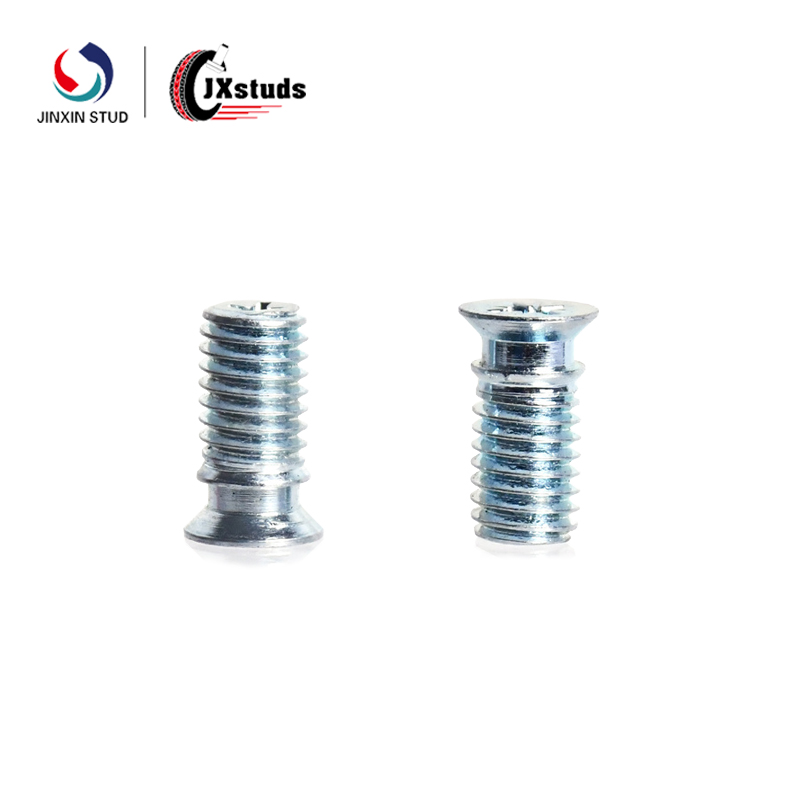
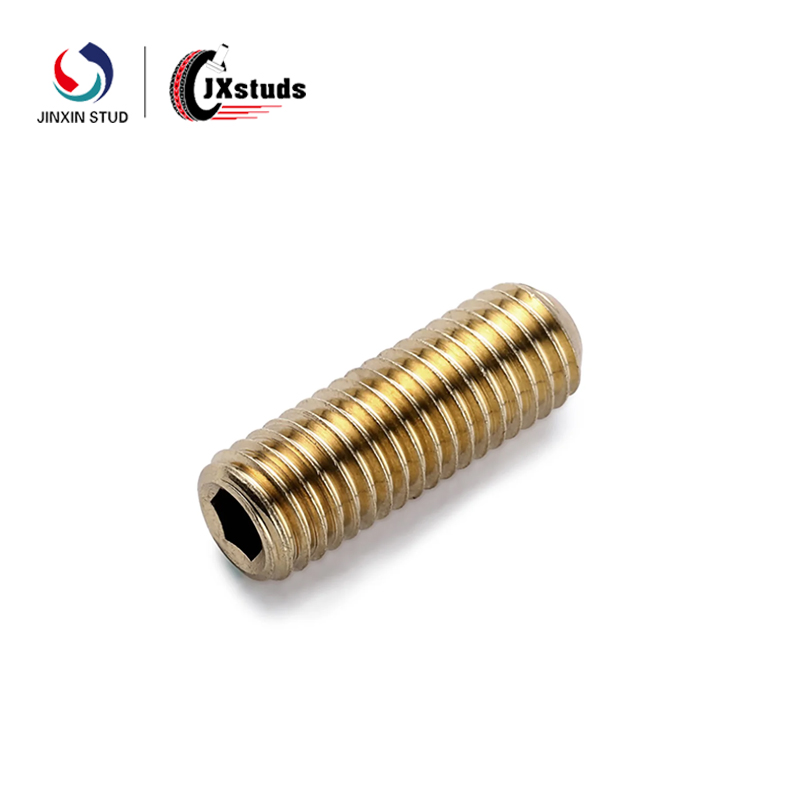
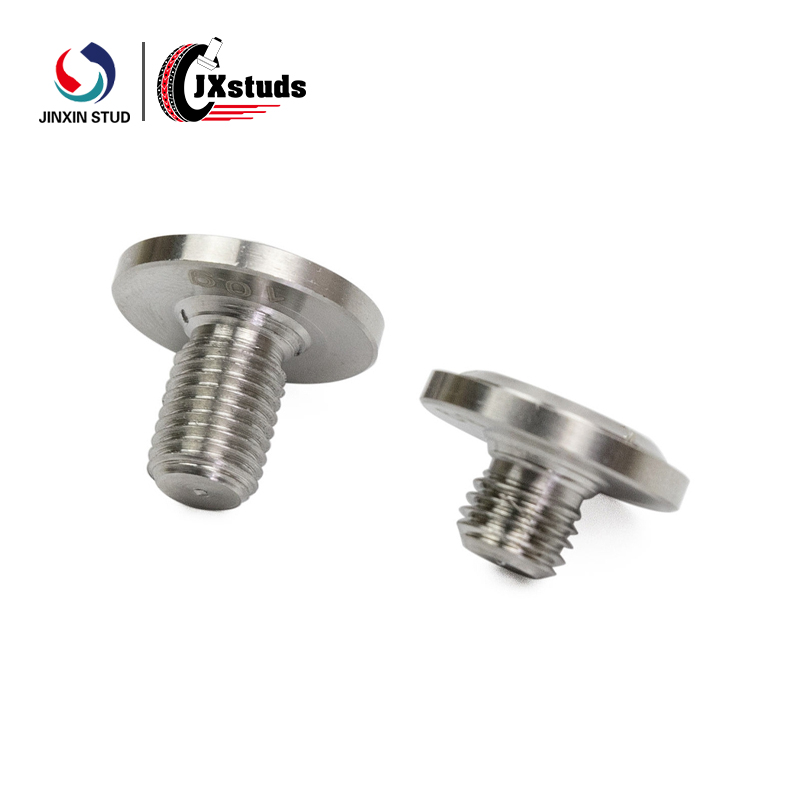
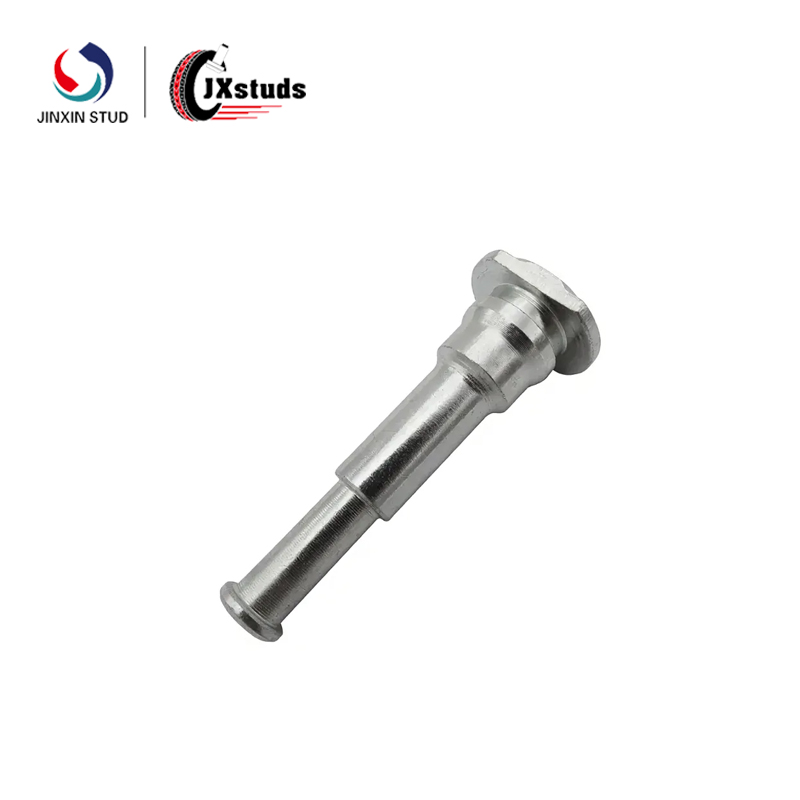
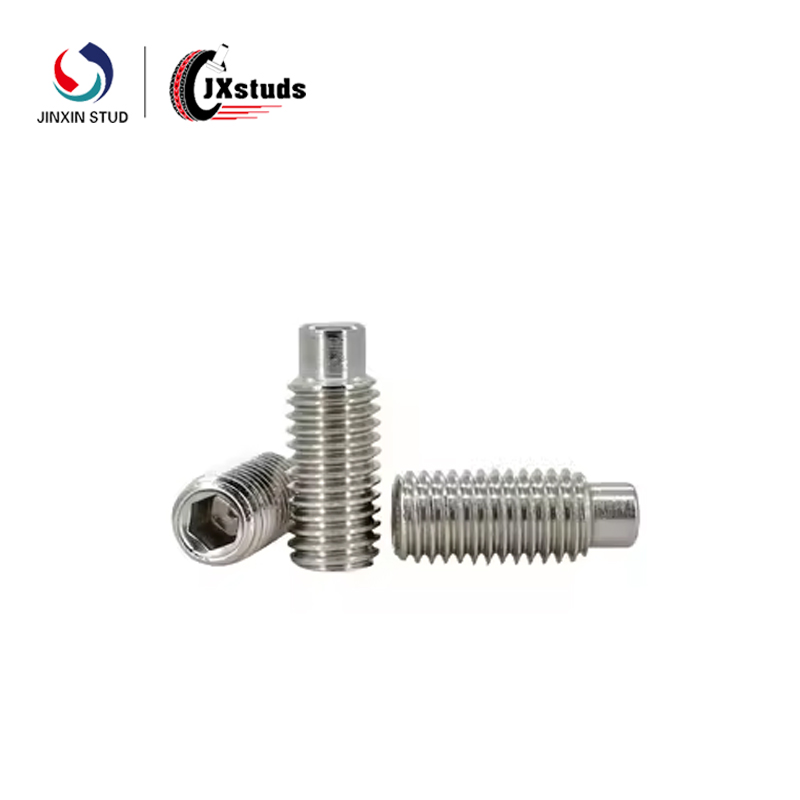
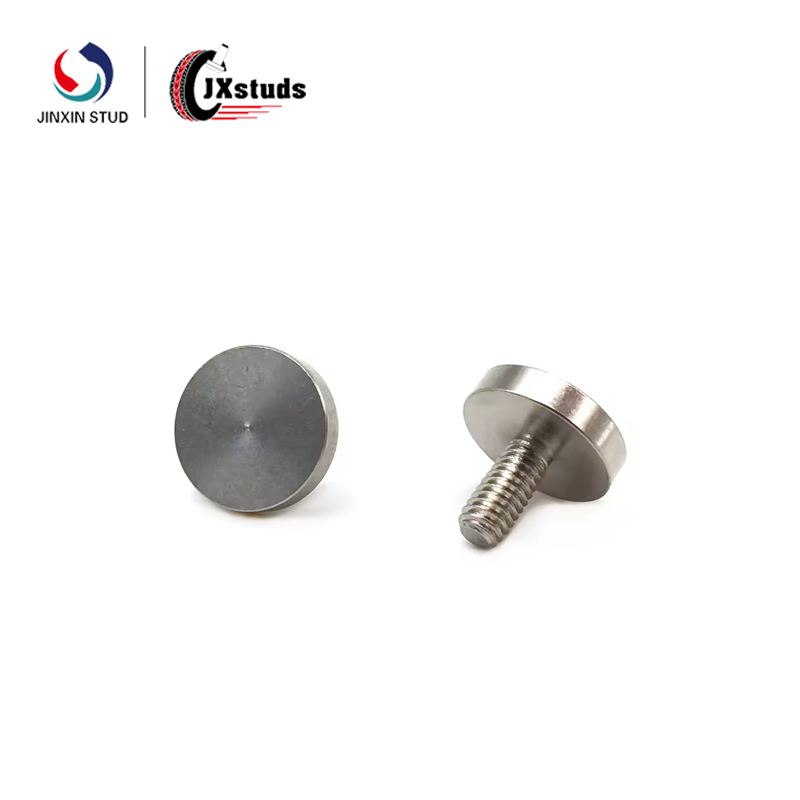
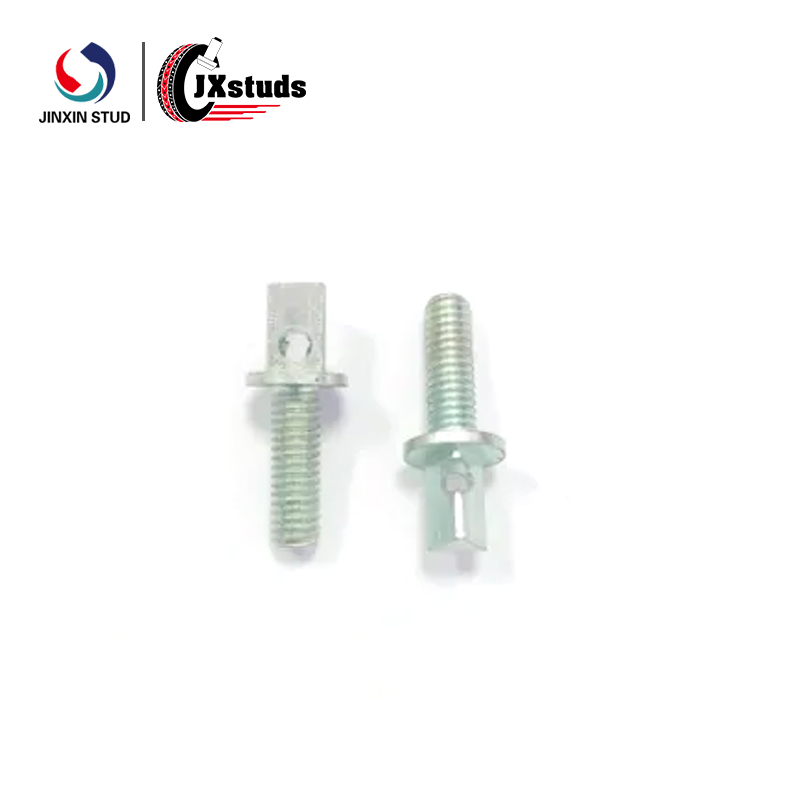
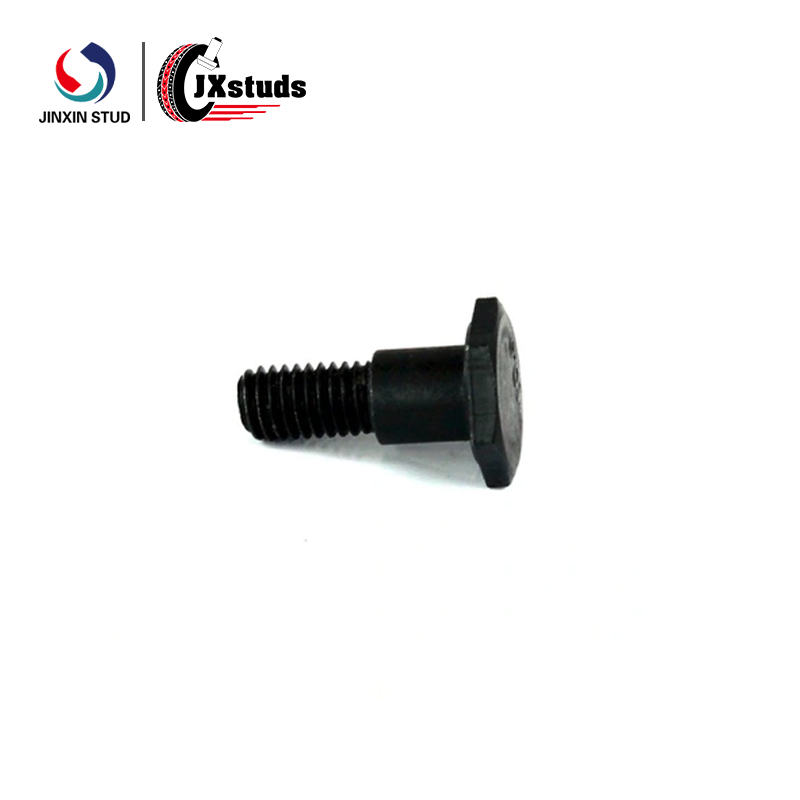
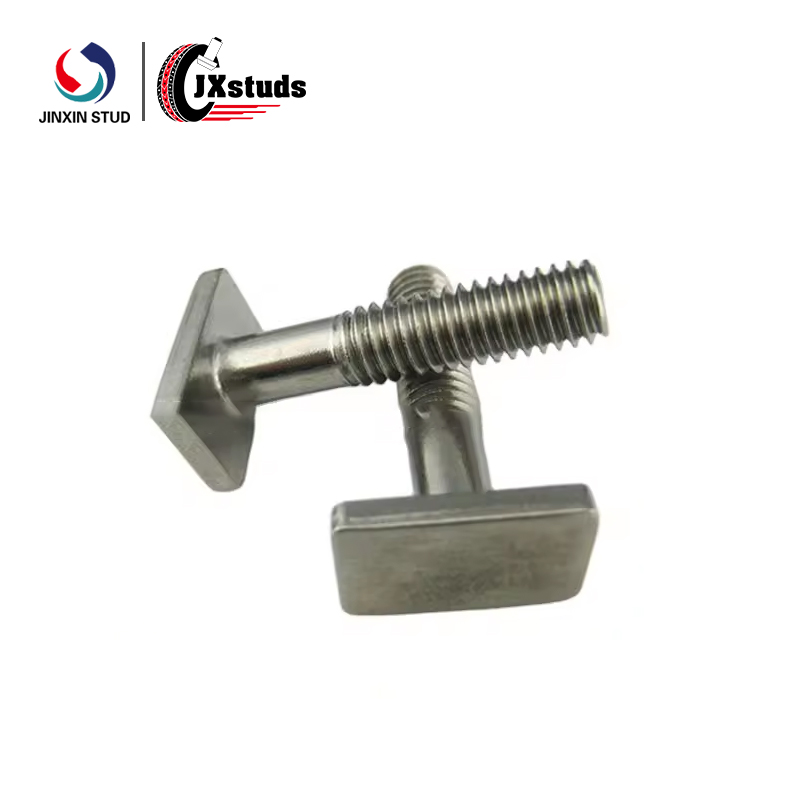
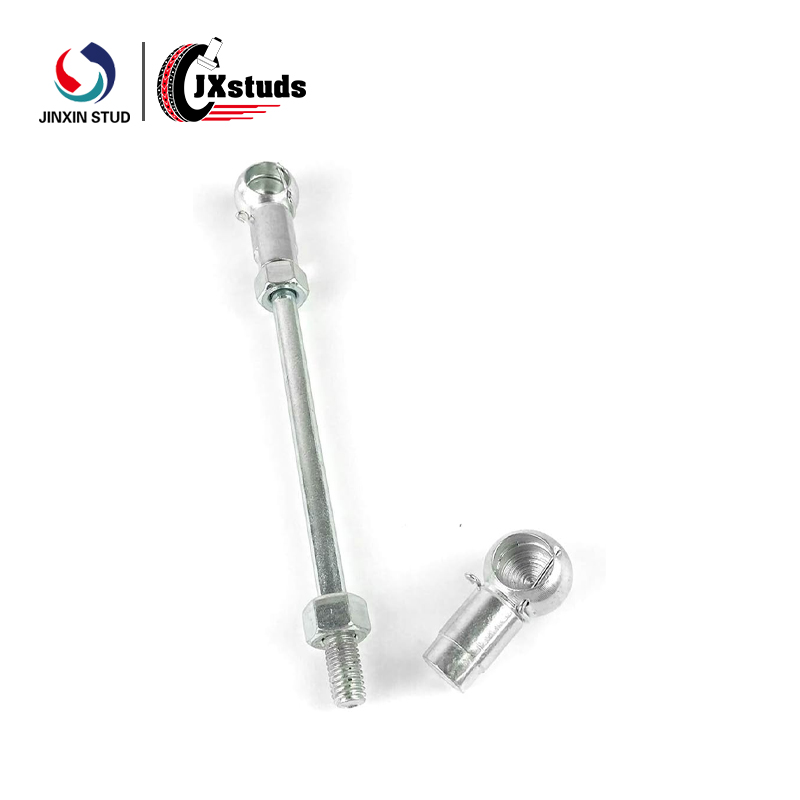
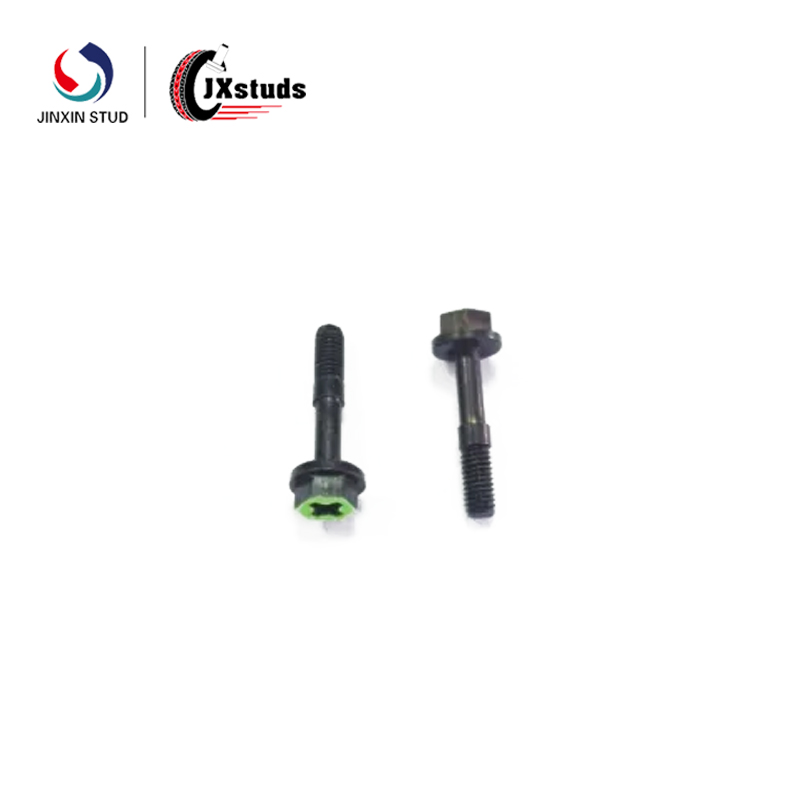
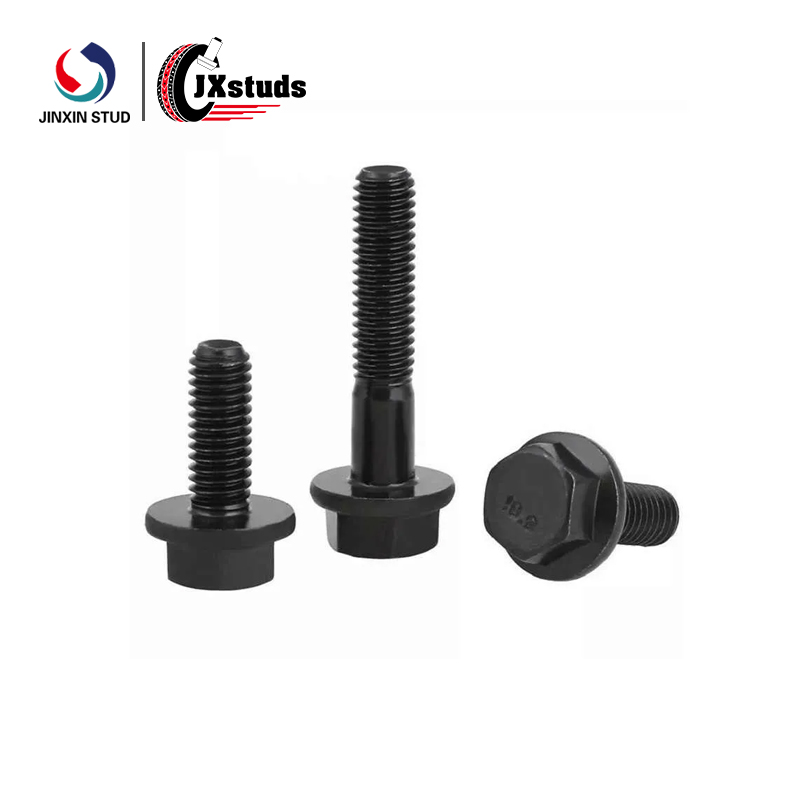
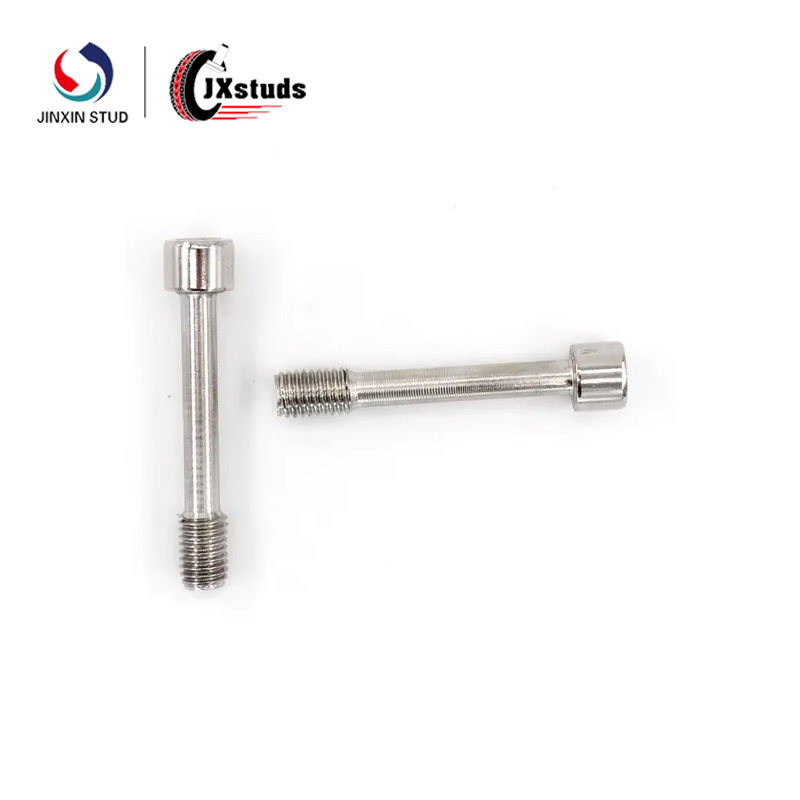
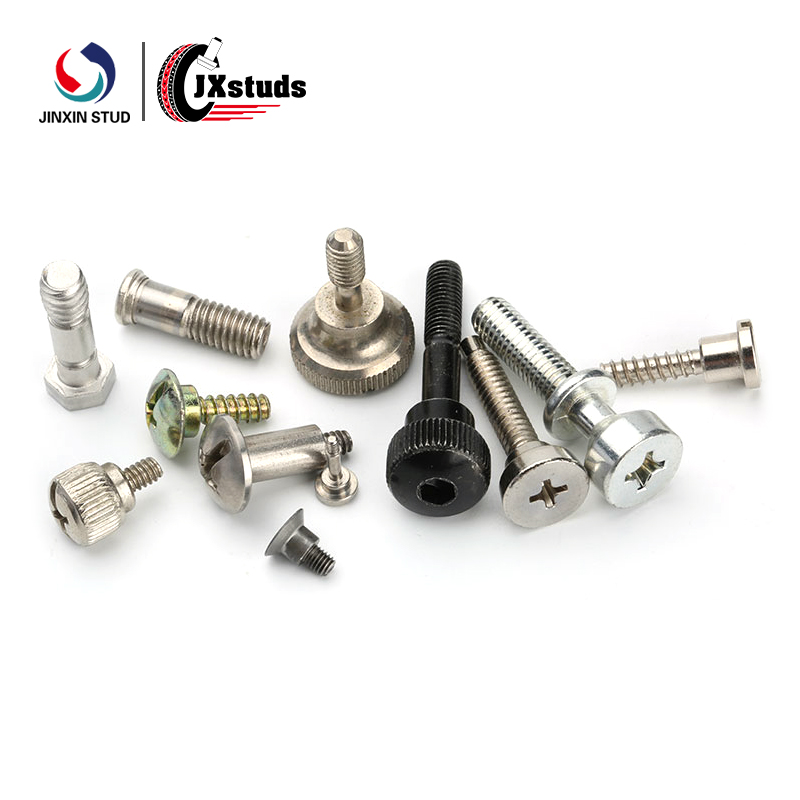
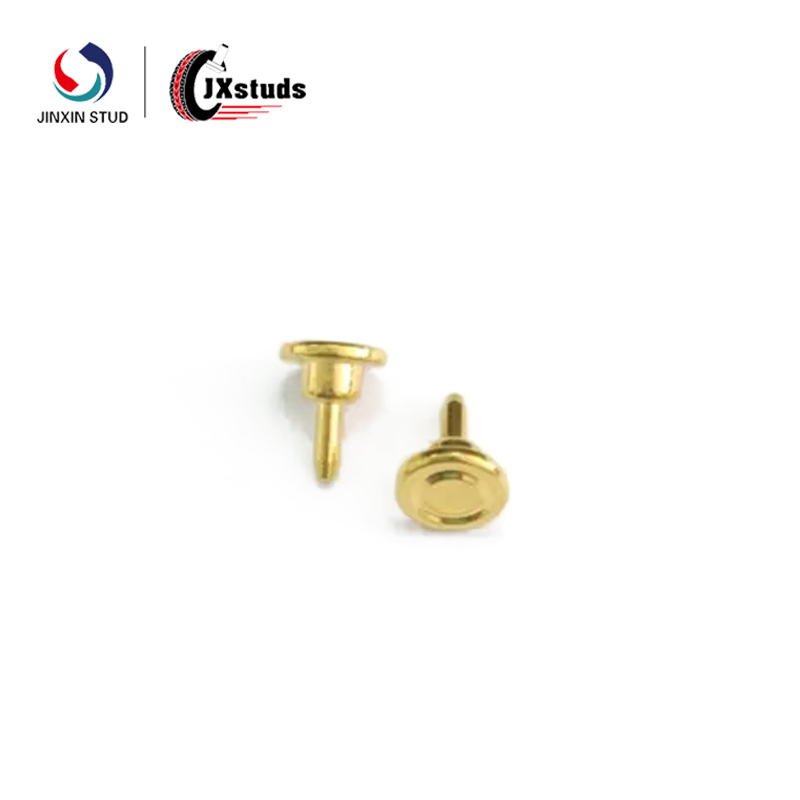
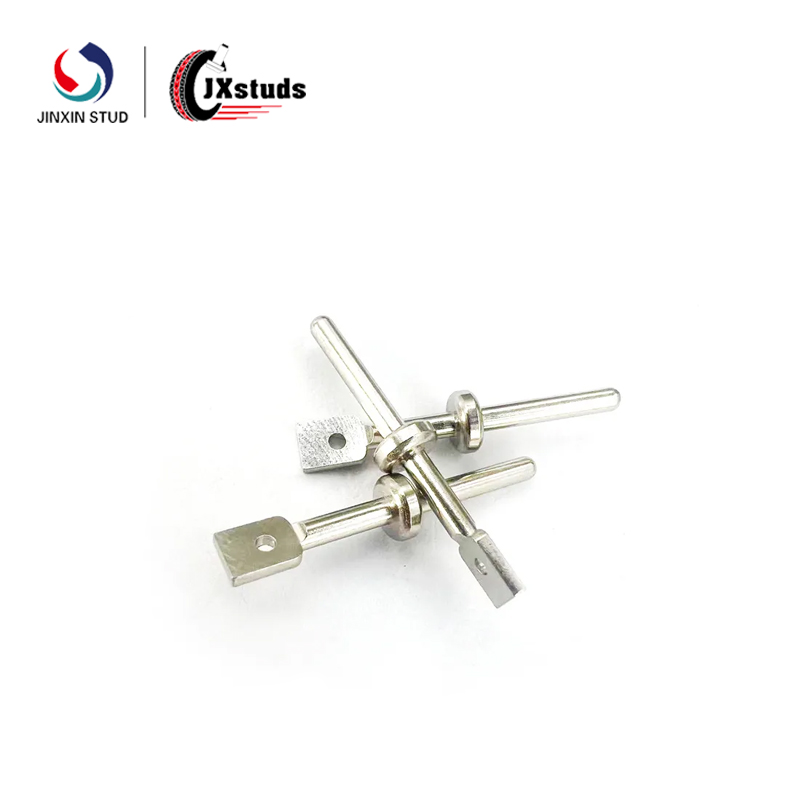
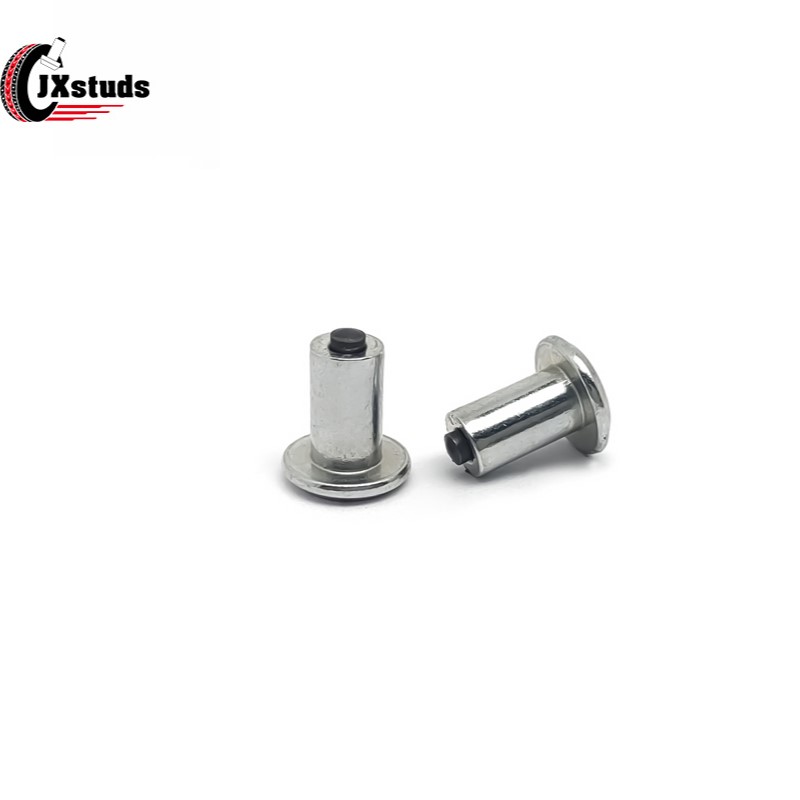
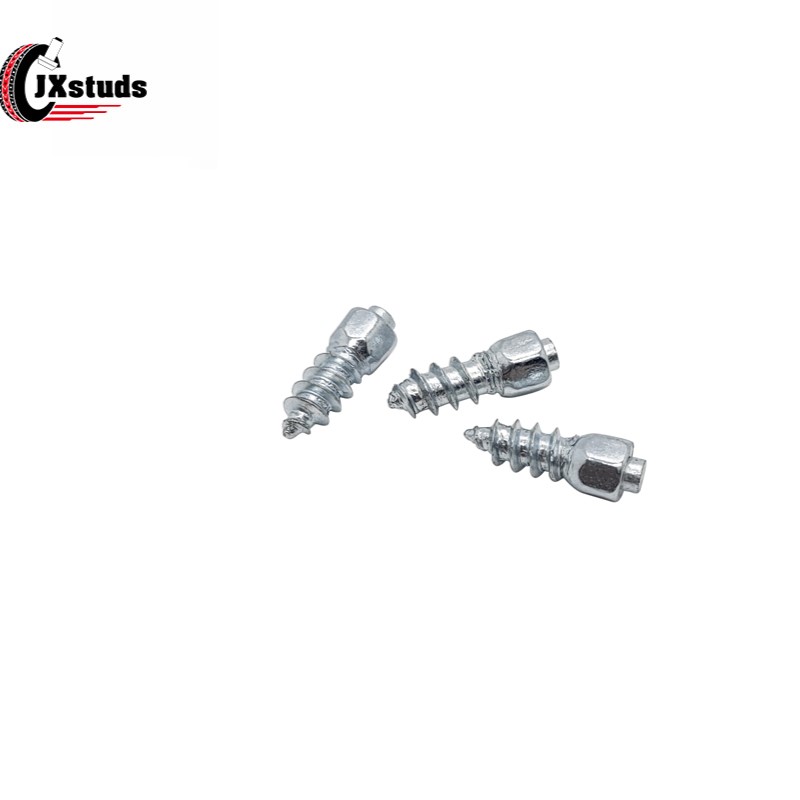
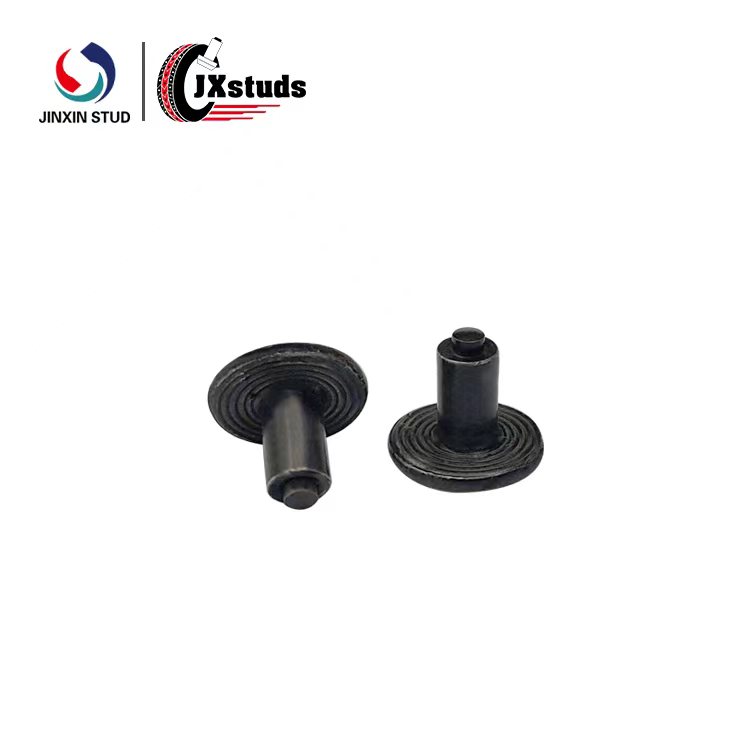
Self-clinching screws, also known as press-in screws or studs, provide a permanent, flush-mounted threaded stud that projects from the sheet surface. Unlike traditional screws that pass through the material and require a separate nut, these fasteners become integral to the panel, creating a fixed threaded post that accepts a mating nut or component.
How It Works
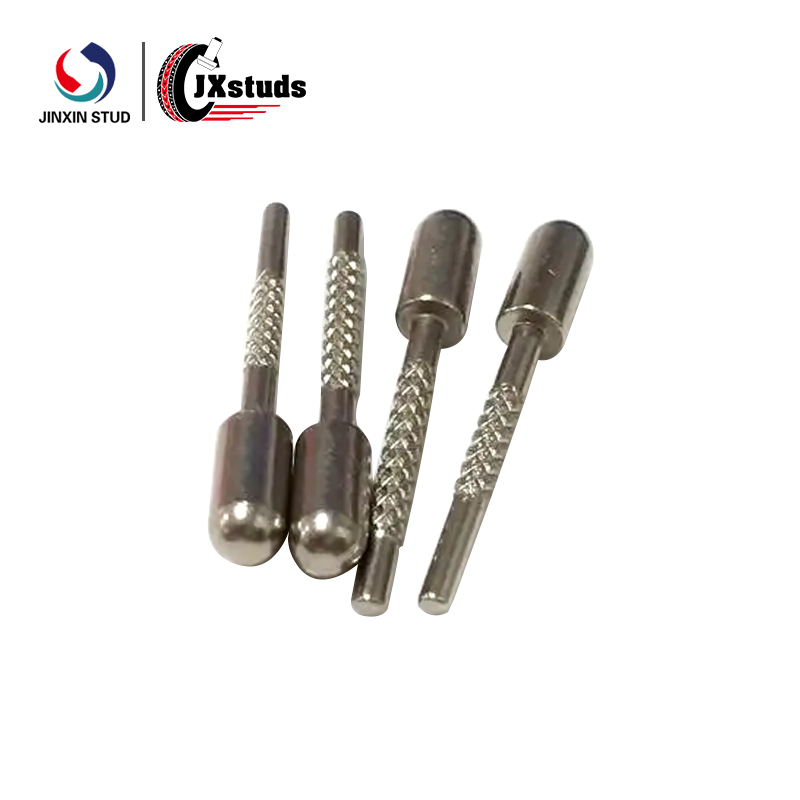
The fastener features a specially designed shank with an undercut or knurled collar. When pressed into a pre-punched hole, the displaced sheet metal flows into the undercut, creating a mechanical lock that resists both push-out (axial) and torque-out (rotational) forces. The installation side remains flush, preserving the panel's surface profile.
Key Features
| Feature | Description |
|---|---|
| Flush Installation | Fastener head sits flush with panel surface; no protrusion on installation side |
| Permanent Thread | Provides fixed threaded stud that accepts standard nuts or components |
| High Retention | Push-out resistance typically 300–800 N depending on fastener size and sheet thickness |
| Material Compatibility | Suitable for steel, aluminum, copper, and other ductile metals |
| Thread Sizes | M2 – M10, UNC/UNF #2 – 3/8″ |
Typical Configurations
| Type | Description | Application |
|---|---|---|
| FH (Flush Head) | Countersunk head sits flush with panel | Applications requiring flat surface on both sides |
| FHS (Flush Head, Self-Locking) | Flush head with thread locking feature | Vibration-prone assemblies |
| FH4 (Flush Head, Longer Shank) | Extended shank for thicker panels | Applications with thicker host materials |
| Type L (Low Profile) | Reduced head height | Space-constrained assemblies |
Overview
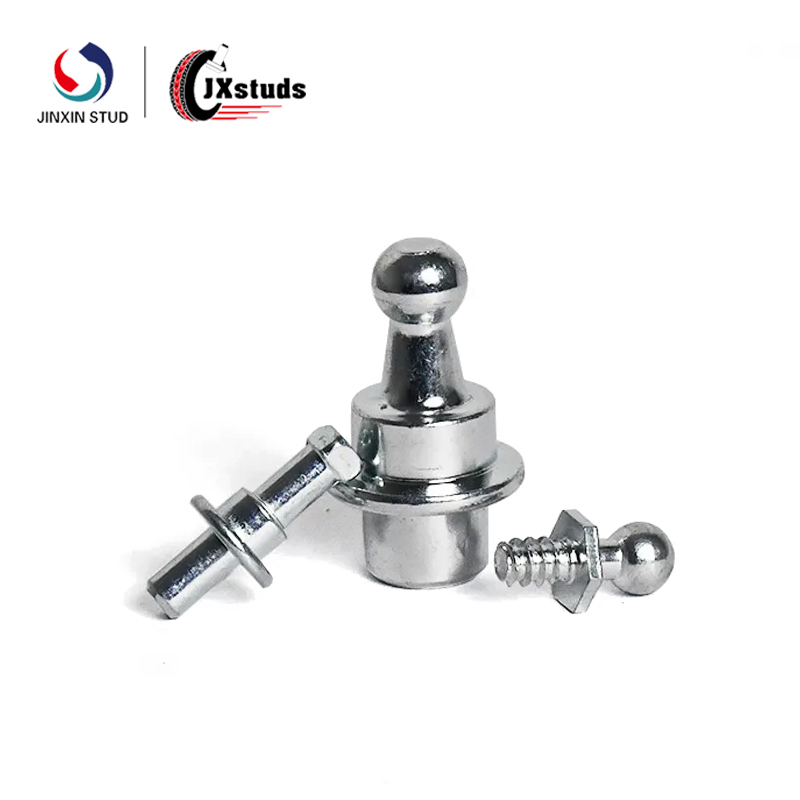
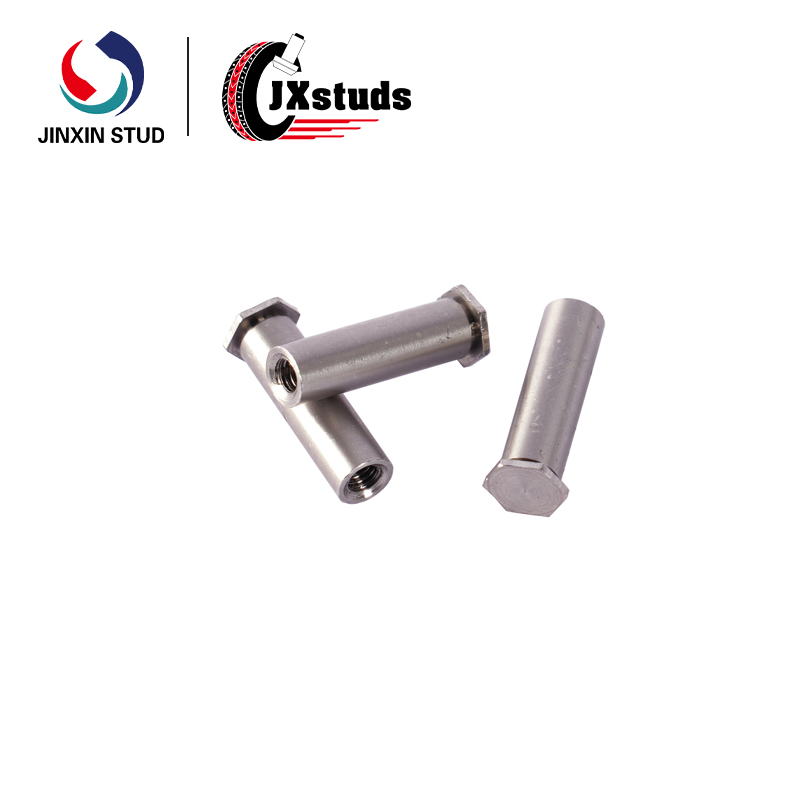
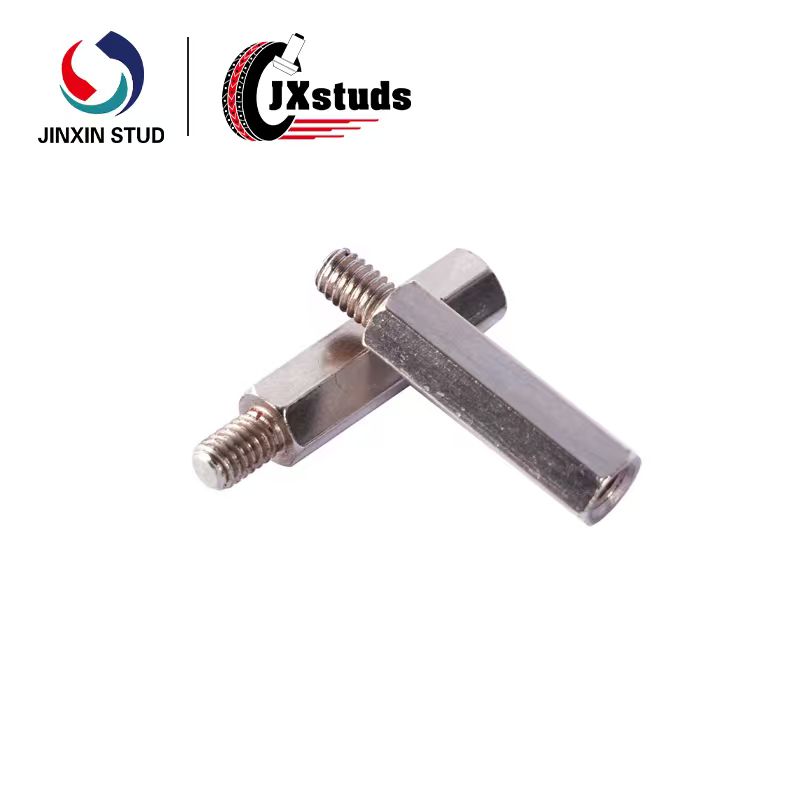
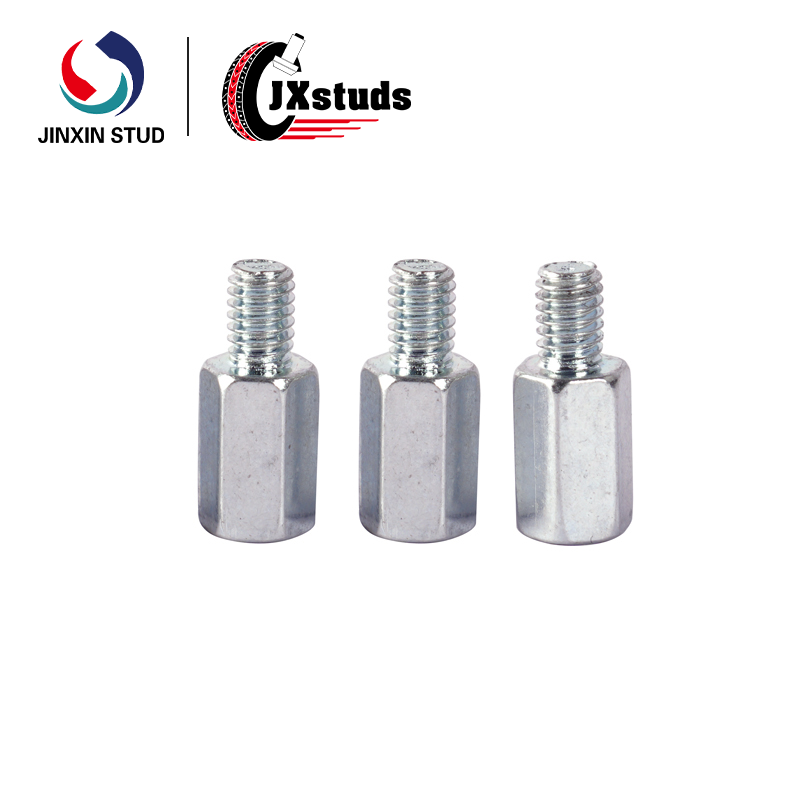
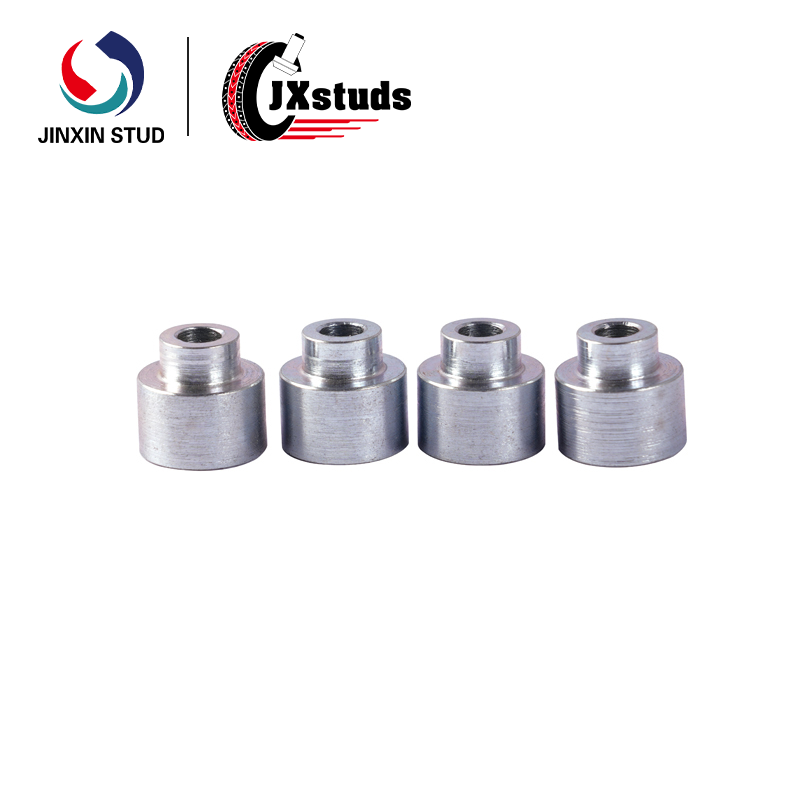
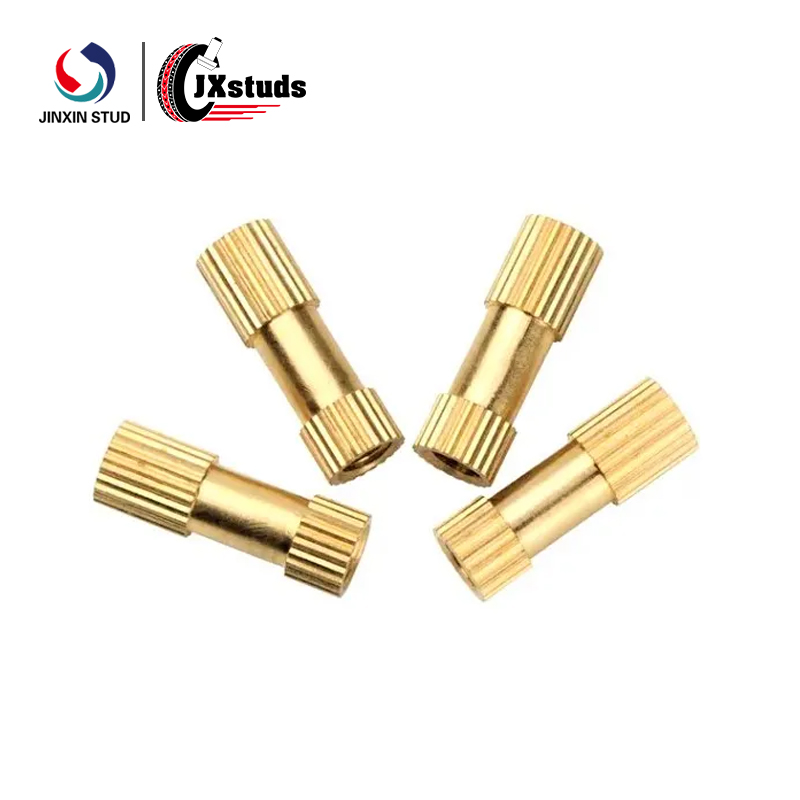
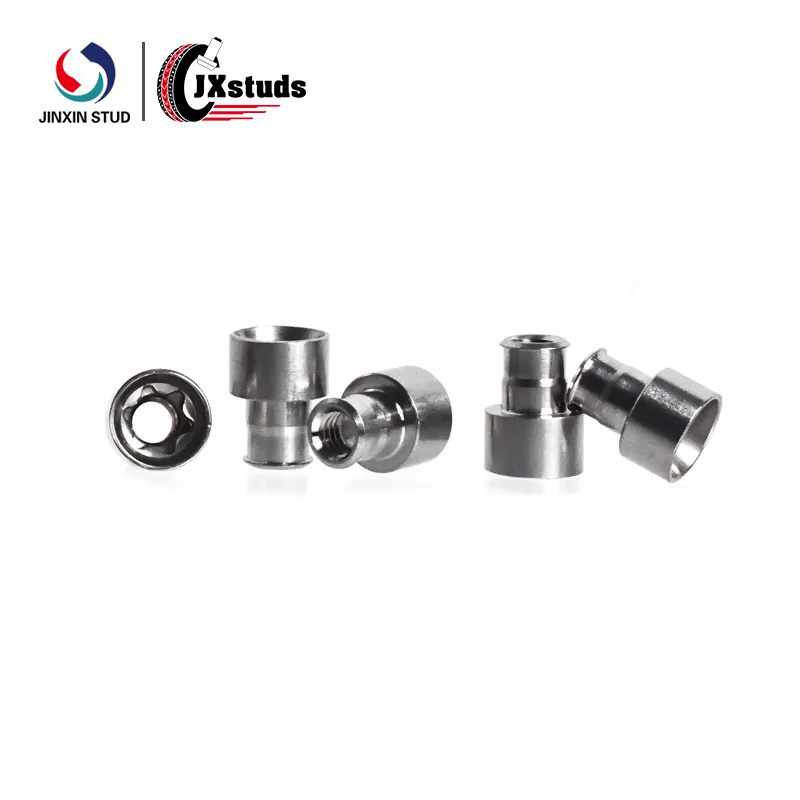
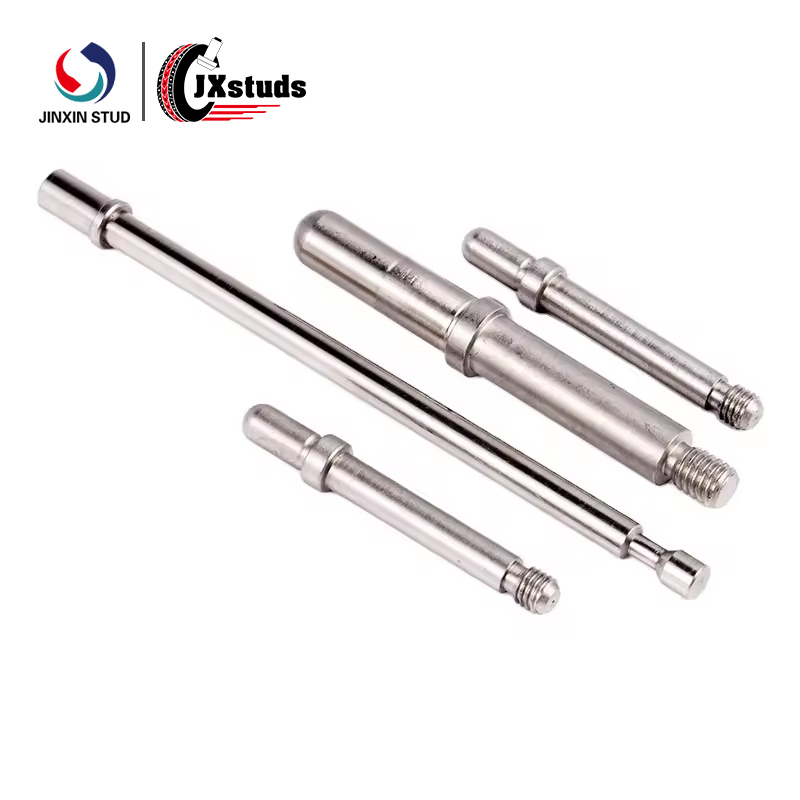
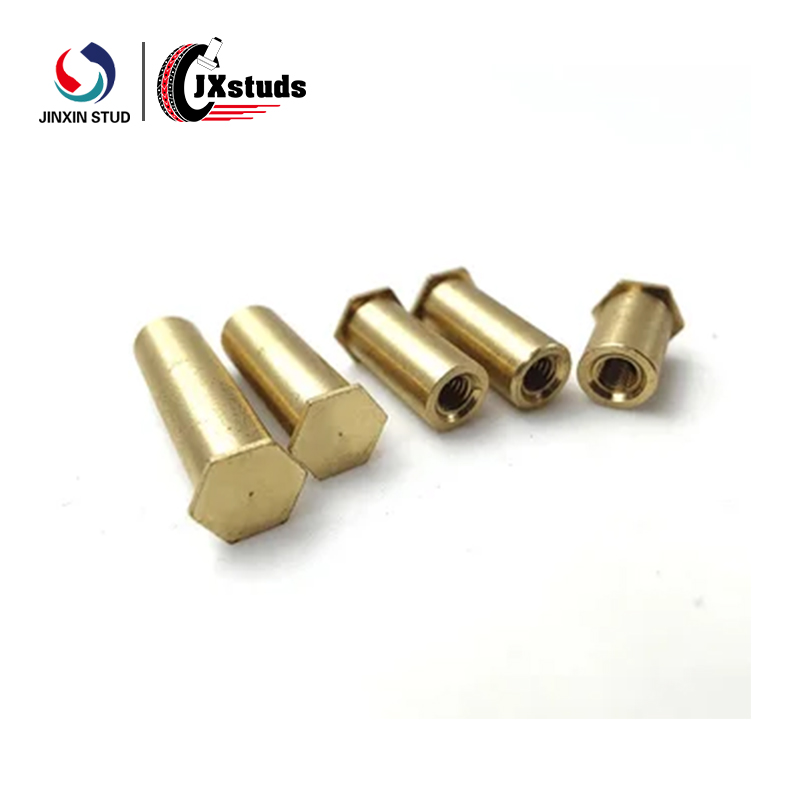
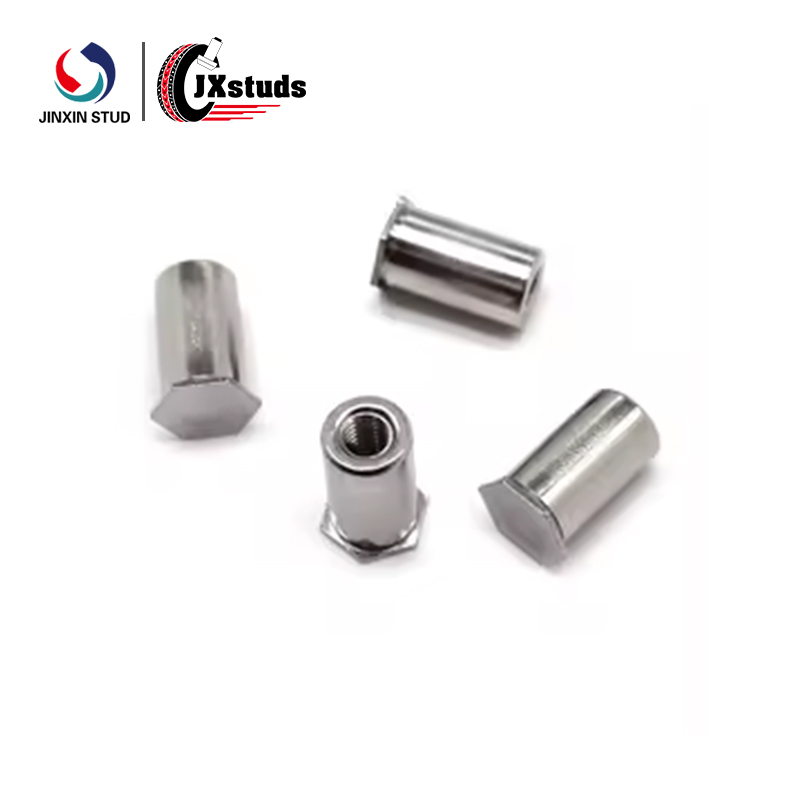
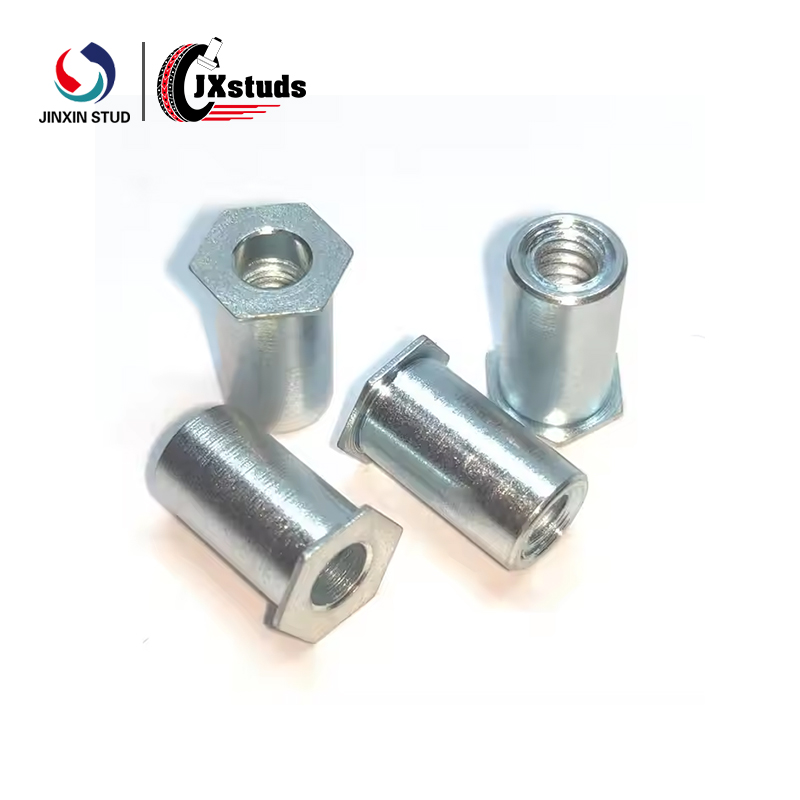
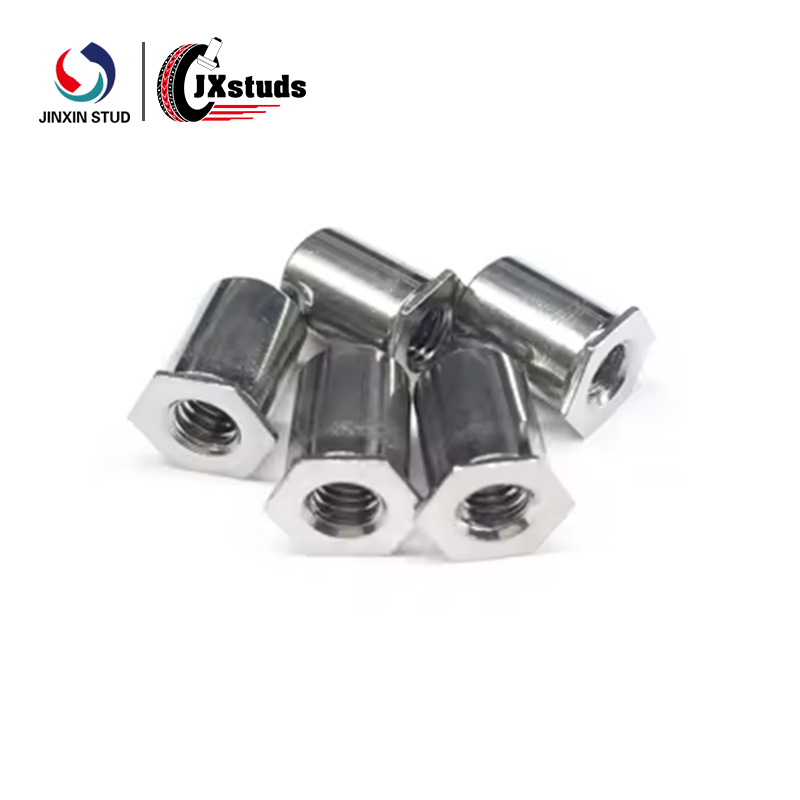
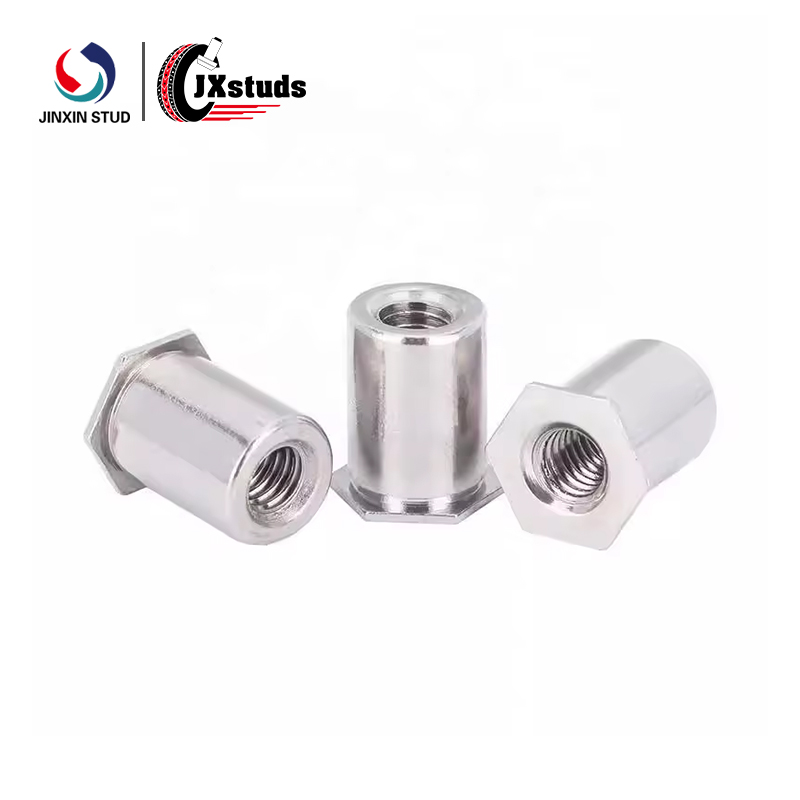
Hex standoffs, also referred to as hexagonal nut posts or threaded spacers, combine the functions of a spacer and a threaded connector in a single component. These fasteners provide elevated mounting points that separate stacked components, create air gaps for thermal management, or establish precise spacing between printed circuit boards and chassis surfaces.
How It Works
Like self-clinching screws, hex standoffs install by pressing into a mounting hole. The fastener's knurled or hex-shaped shank embeds into the sheet metal, while the threaded portion (either internal or external) projects above the panel surface to accept mating hardware. The hexagonal profile provides wrench flats for tightening or loosening threaded connections without rotating the standoff within the panel.
Key Features
| Feature | Description |
|---|---|
| Elevated Mounting | Raises components above panel surface for clearance or thermal management |
| Thread Options | Available with internal threads (female) or external threads (male) |
| Anti-Rotation | Hexagonal body or knurled shank prevents spinning during assembly |
| Precise Spacing | Consistent height tolerances for repeatable stack-up dimensions |
| Thread Sizes | M2 – M6, UNC/UNF #2 – 1/4″ |
| Standoff Heights | 3 mm – 25 mm (custom heights available) |
Configurations
| Type | Thread Configuration | Application |
|---|---|---|
| SO (Standoff, Female-Female) | Internal threads both ends | Stacking multiple standoffs, PCB mounting |
| SOA (Standoff, Male-Female) | External thread one end, internal opposite | Threaded attachment through panel |
| SOS (Standoff, Female-Female, Self-Locking) | Internal threads with locking element | Vibration-resistant stacked assemblies |
| BSO (Blind Standoff) | Threaded bore with closed end | Sealed applications, moisture protection |
Mounting Hole Preparation
Proper hole size and quality are essential for consistent clinching performance:
| Fastener Type | Hole Tolerance | Edge Distance (Minimum) |
|---|---|---|
| Self-Clinching Screws | +0.05 / -0.00 mm | 3× hole diameter |
| Hex Standoffs | +0.08 / -0.00 mm | 4× fastener width |
Holes should be punched or drilled with clean edges; deburring is recommended to ensure uniform material flow during installation.
Installation Equipment
| Equipment | Suitable For | Notes |
|---|---|---|
| Manual Arbor Press | Low-volume production, prototyping | Cost-effective, operator-dependent |
| Pneumatic Press | Medium-volume production | Consistent force, adjustable pressure |
| Servo Press | High-volume automated lines | Force and position monitoring, data logging |
| C-Frame Press | Large panels, complex assemblies | Versatile, accommodates varied panel sizes |
Installation Parameters
Force Requirements: 5–50 kN depending on fastener size and sheet thickness
Installation Speed: 1–3 seconds per fastener (manual); 0.5–1 second (automated)
Panel Hardness: Maximum 80 HRB for carbon steel; softer materials require reduced force
| Material | Fastener Options | Typical Applications |
|---|---|---|
| Carbon Steel (Grade 10B21 / 12L14) | Zinc plating, zinc-nickel, black oxide | General industrial, automotive under-hood |
| Stainless Steel (303 / 304 / 316) | Passivated, electropolished | Corrosion-sensitive, medical, marine |
| Aluminum (2024 / 6061) | Clear anodize, chem film | Lightweight assemblies, electronics enclosures |
| Brass | Natural or nickel plated | Electrical conductivity, decorative applications |
Corrosion Protection Comparison
| Finish | Salt Spray (ASTM B117) | Application |
|---|---|---|
| Zinc Plating (Clear/Blue) | 72–120 hours | Indoor, moderate environments |
| Zinc-Nickel | 500–1,000 hours | Automotive, outdoor exposure |
| Passivated Stainless | 500–1,000 hours | Corrosion-critical applications |
| Black Oxide | 24–48 hours (requires topcoat) | Interior, cosmetic |
| Parameter | Self-Clinching Screw | Hex Standoff |
|---|---|---|
| Thread Sizes | M2 – M10, #2 – 3/8″ | M2 – M6, #2 – 1/4″ |
| Material Thickness Range | 0.5 mm – 3.0 mm | 0.8 mm – 3.5 mm |
| Mounting Hole Diameter | 3.0 mm – 12.0 mm | 4.0 mm – 10.0 mm |
| Push-Out Resistance | 300 – 800 N | 400 – 1,200 N |
| Torque-Out Resistance | 1.5 – 8.0 N·m | 2.0 – 12.0 N·m |
| Standoff Height Range | N/A | 3 mm – 25 mm |
| Head / Body Profile | Flush or low-profile | Hexagonal or round |
| Material Options | Steel, Stainless, Aluminum, Brass | Steel, Stainless, Aluminum, Brass |
| Finish Options | Zn, Zn-Ni, Black Oxide, Passivation | Zn, Zn-Ni, Anodize, Passivation |
| Installation Force | 5 – 35 kN | 10 – 50 kN |
Fastener Selection Criteria
| Requirement | Recommended Fastener |
|---|---|
| Fixed threaded post on panel surface | Self-Clinching Screw |
| Elevated mounting with through-hole access | Hex Standoff (female-female) |
| Stacked assemblies with precise spacing | Hex Standoff (male-female or stacking configuration) |
| Vibration-prone environment | Self-locking thread option |
| Corrosive environment | Stainless steel with passivation |
| Lightweight assembly | Aluminum fasteners |
| Electrical grounding requirement | Brass or conductive finish |
Sheet Metal Compatibility
Self-clinching fasteners are designed for use with ductile metals that can flow under pressure without cracking:
Carbon Steel: HRB 80 maximum (HRB 70 for aluminum fasteners)
Aluminum: Alloy 5052, 6061, 3003
Stainless Steel: Limited compatibility; requires higher installation force
Thread Engagement
When using self-clinching screws as mounting points, ensure the mating component has sufficient thread engagement length—typically 1.5× thread diameter for steel fasteners and 2× thread diameter for aluminum or brass.
Each production batch undergoes verification of critical parameters:
Push-Out Testing: Confirms fastener retention in host material
Torque-Out Testing: Verifies anti-rotation performance
Thread Gaging: Go/no-go verification of internal or external threads
Dimensional Inspection: Height, diameter, and concentricity verification
Coating Thickness: XRF measurement for plated finishes
Packaging Options
Bulk Cartons: 1,000–10,000 units, suitable for automated feeding systems
Tape-and-Reel: For high-volume automated insertion equipment
Custom Kitting: Pre-packaged quantities with other fasteners per assembly requirements
Anti-Corrosion Packaging: VCI paper and sealed bags for extended storage