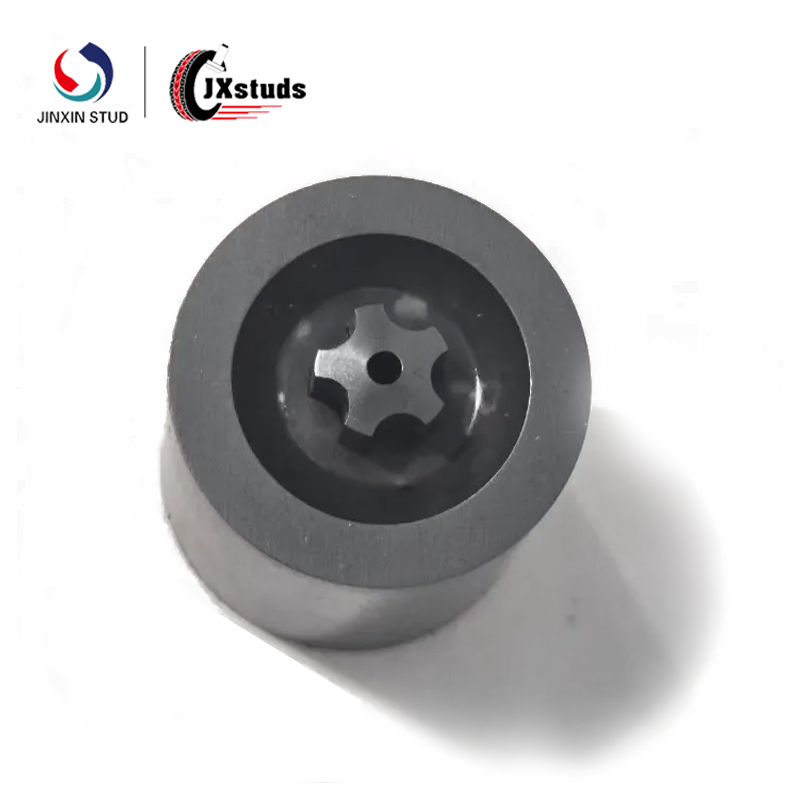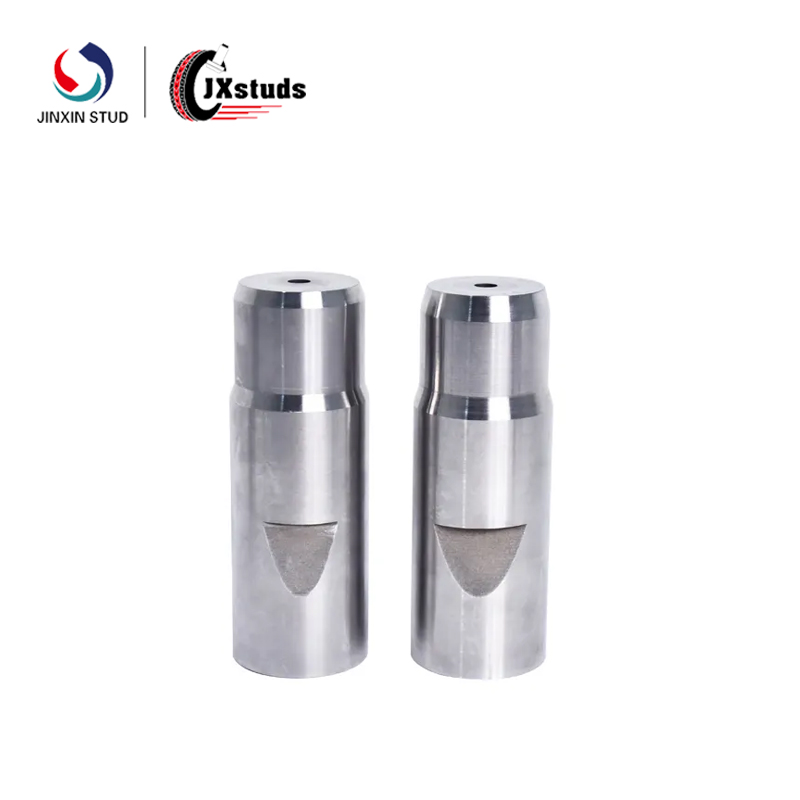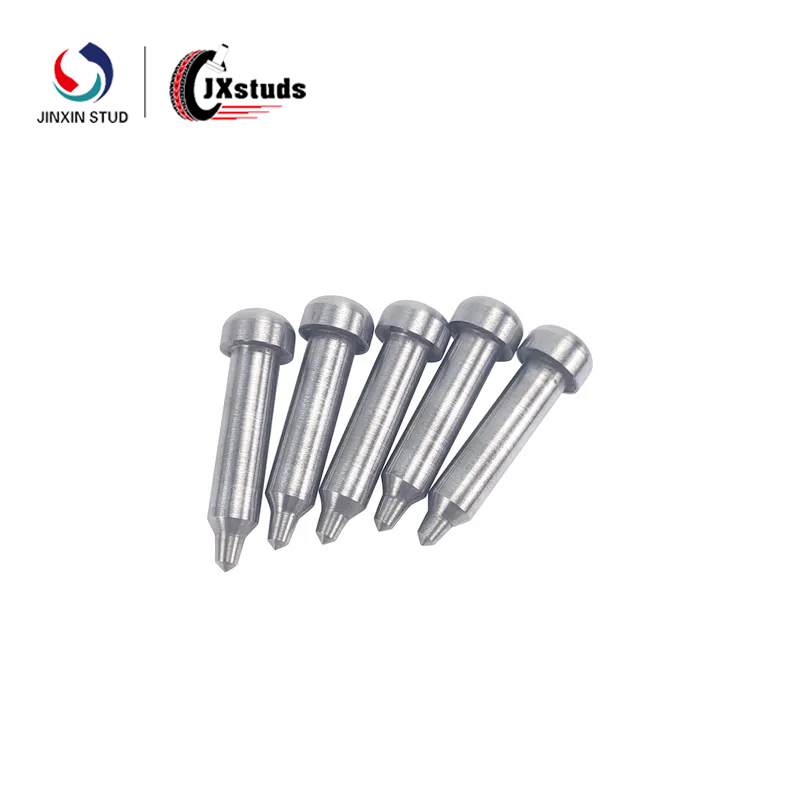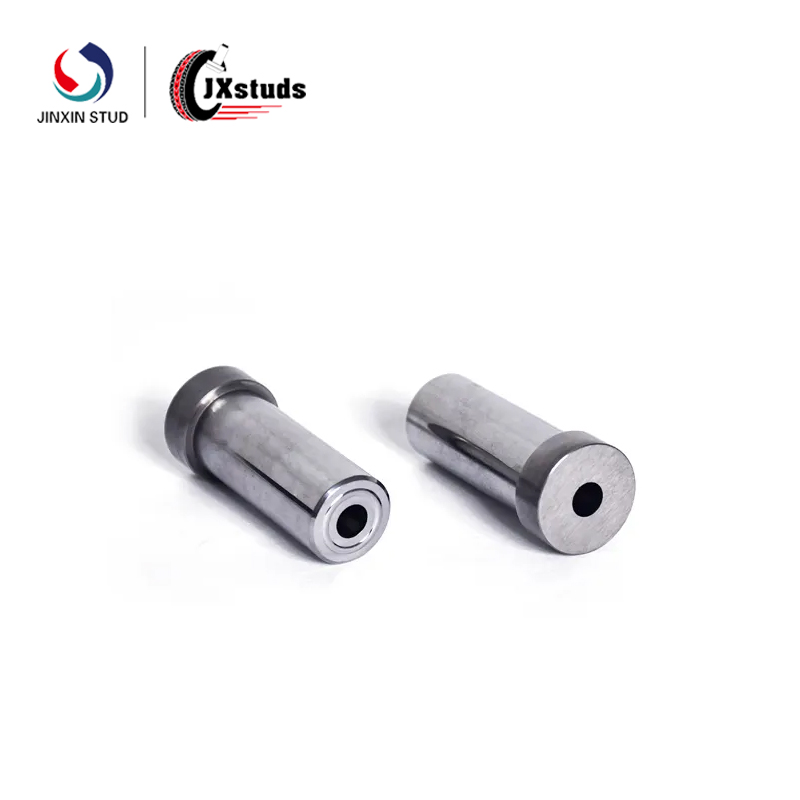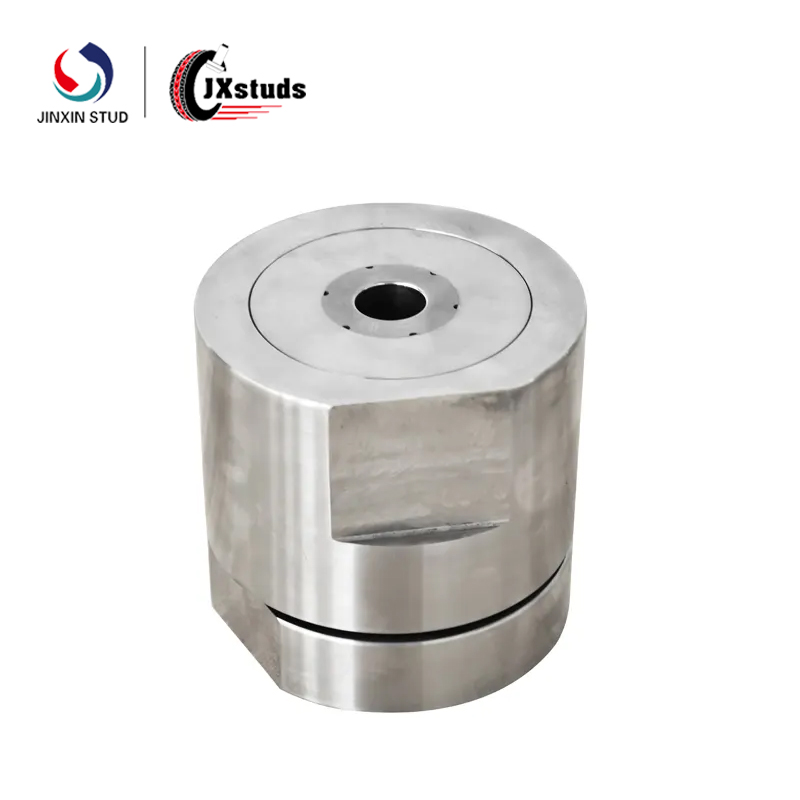
What Is a Carbide Powder Compacting Mold?
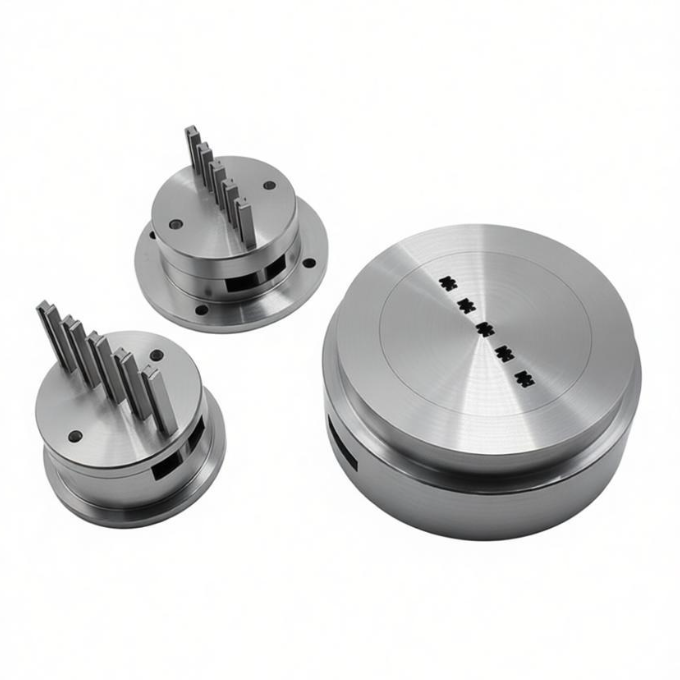
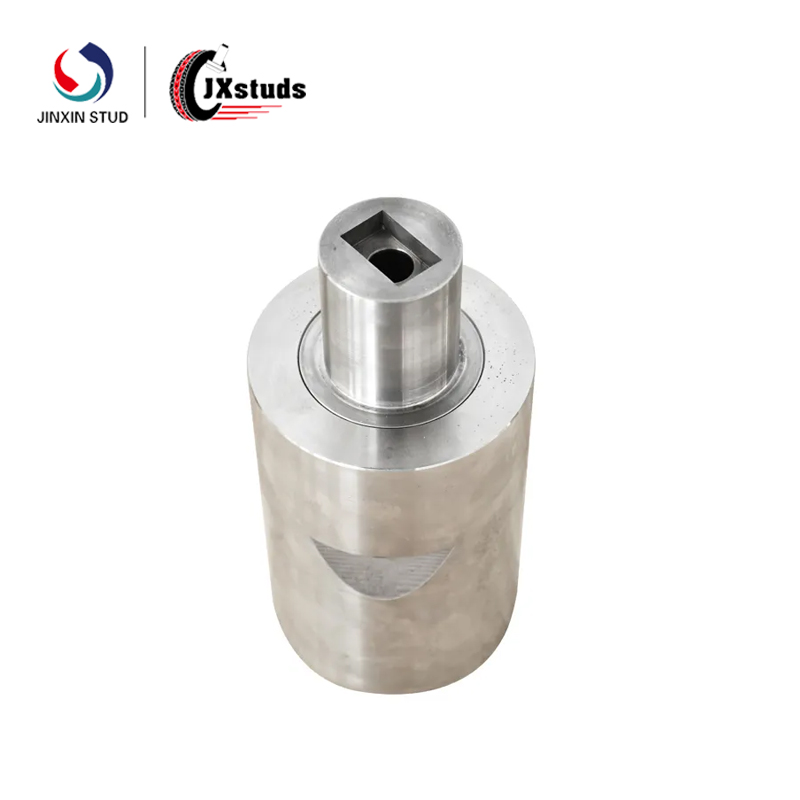
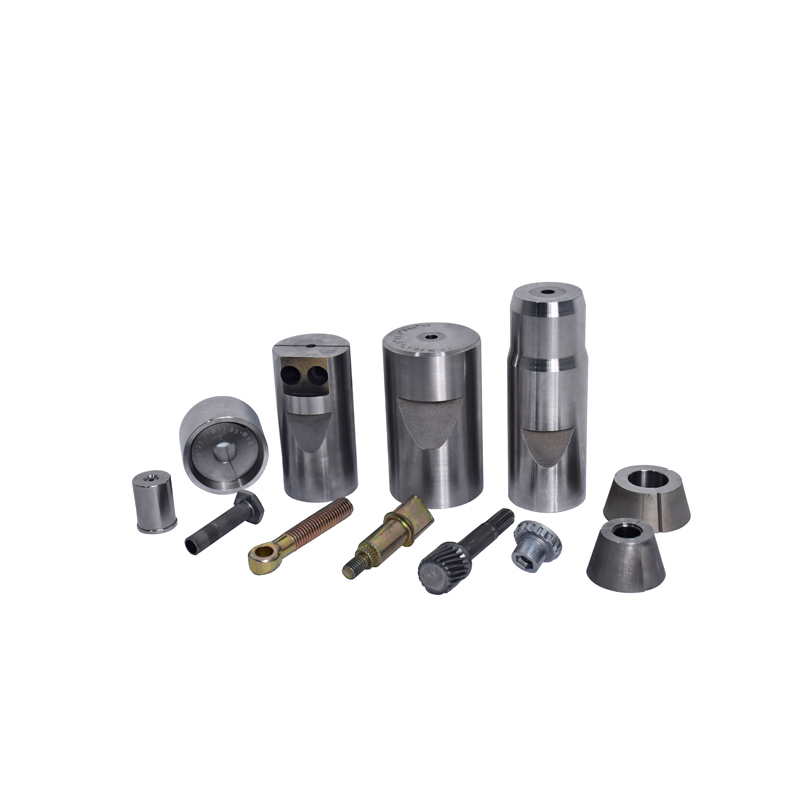
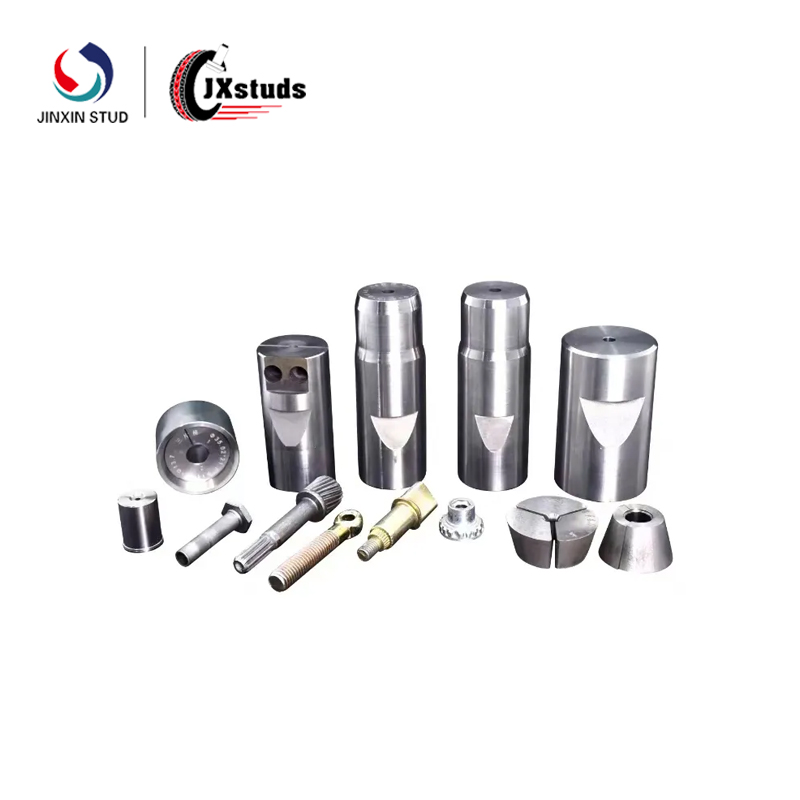
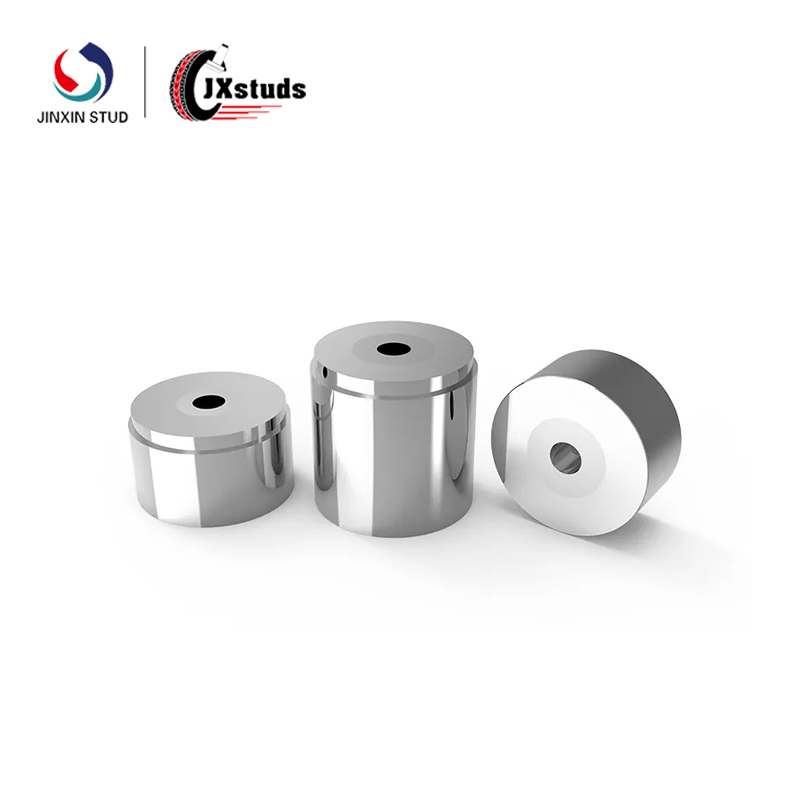
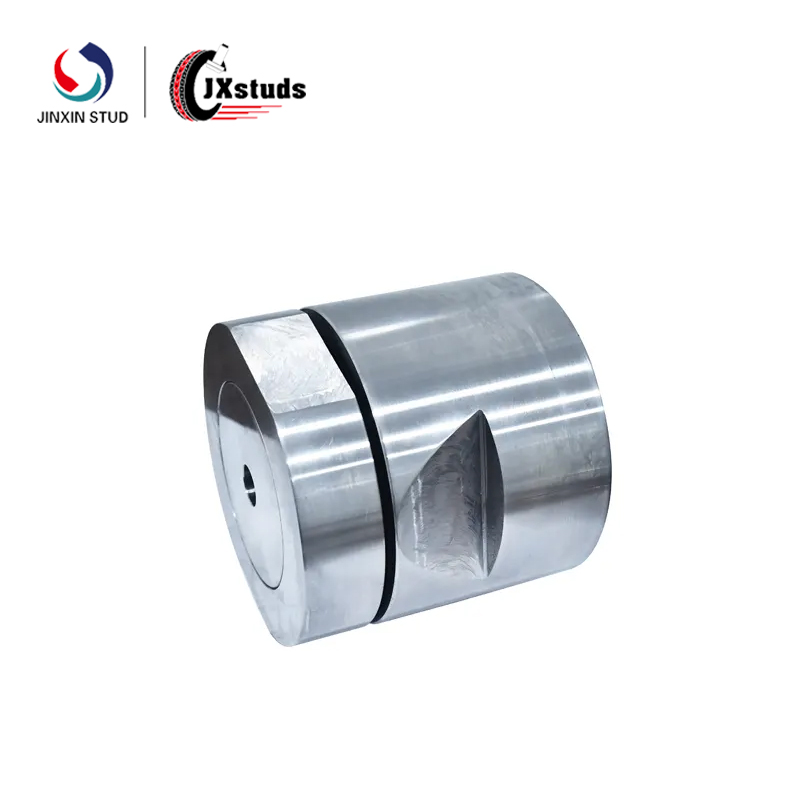
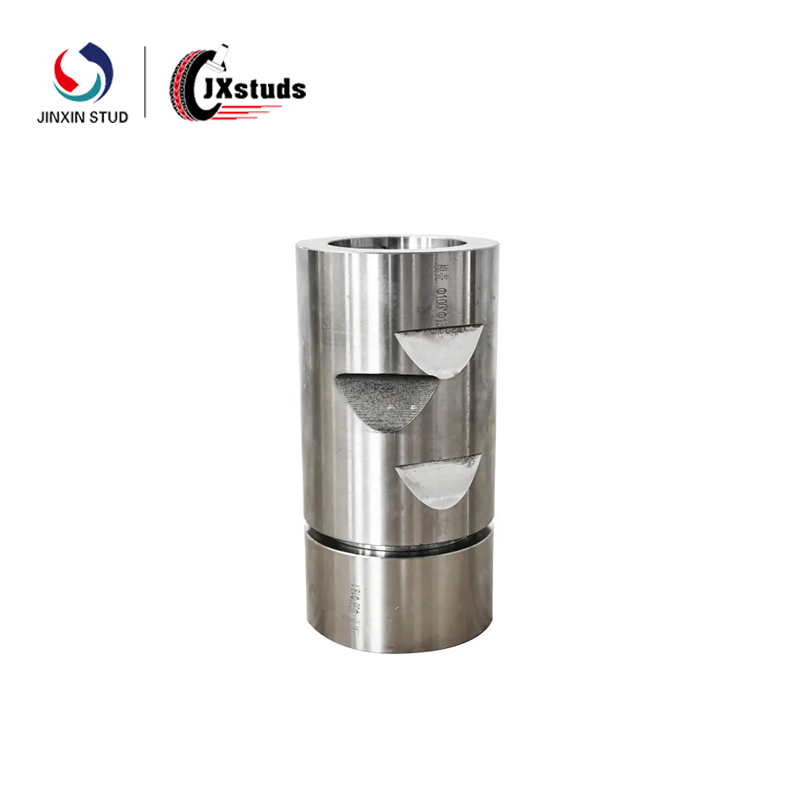
A carbide powder compacting mold—also referred to as a powder metallurgy mold or hard alloy forming die—is a precision tool that shapes loose powder materials into compacted, cohesive forms under high pressure. This process, known as powder pressing or compaction, transforms powders into "green compacts" that possess sufficient strength for handling and subsequent sintering operations.
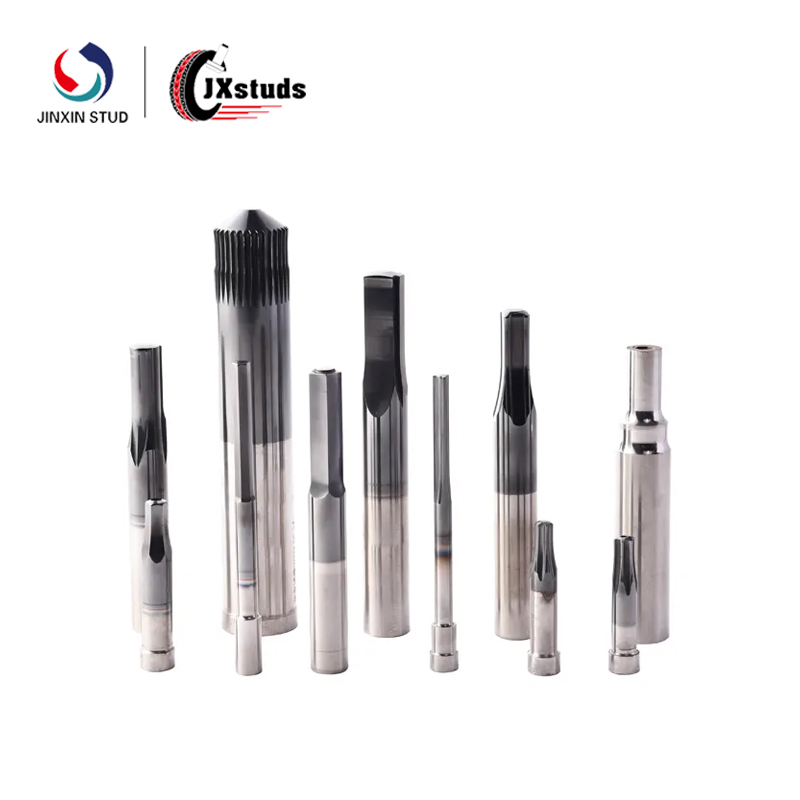
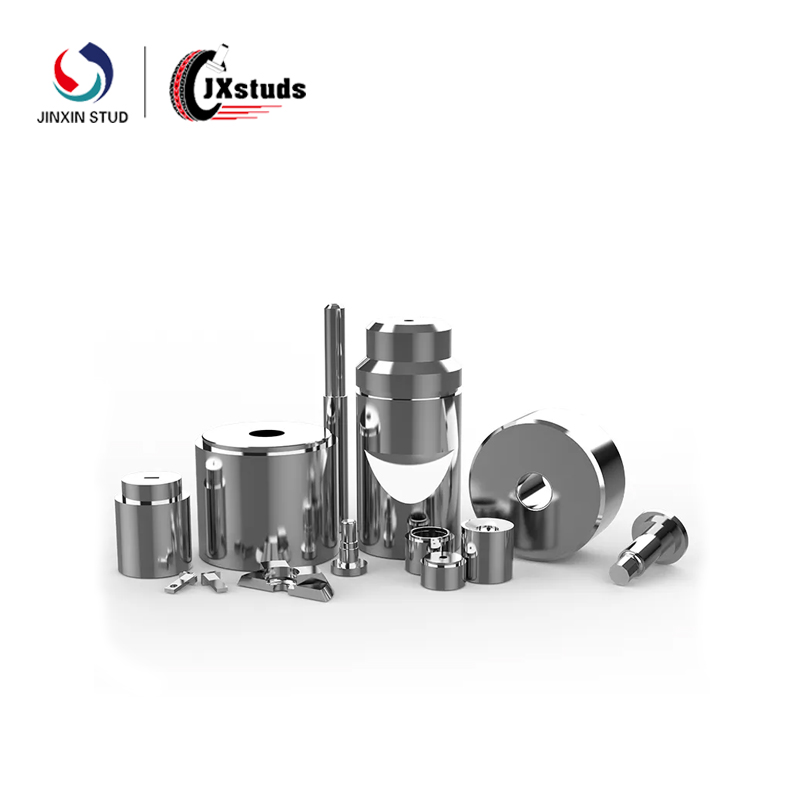
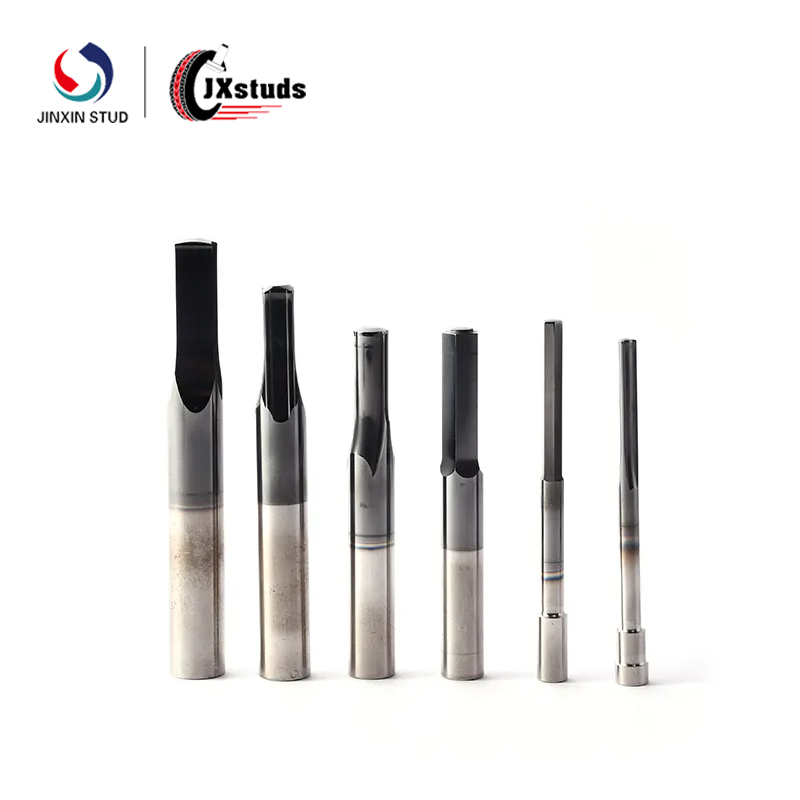
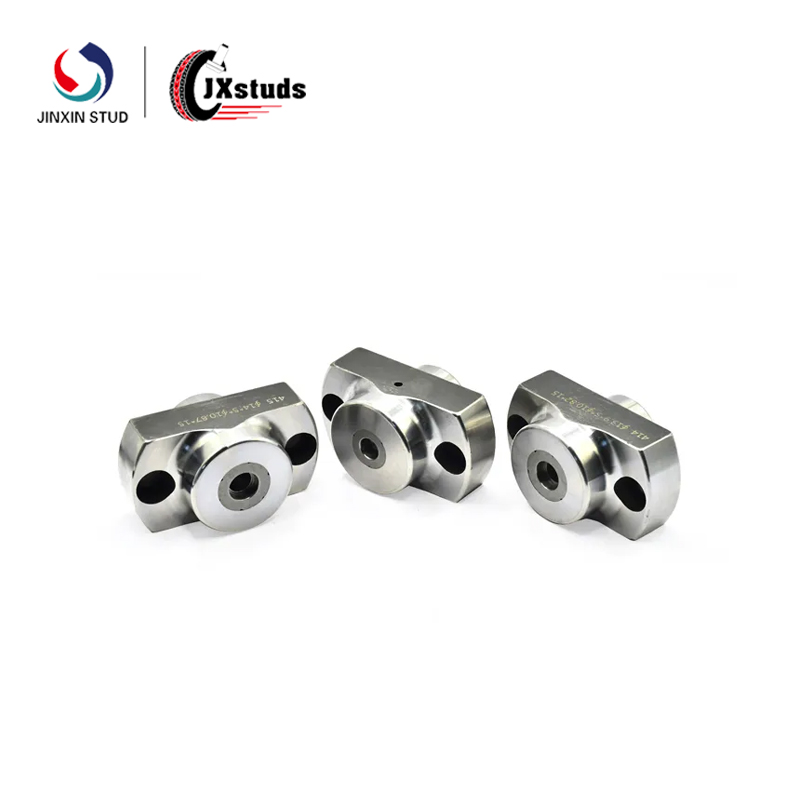
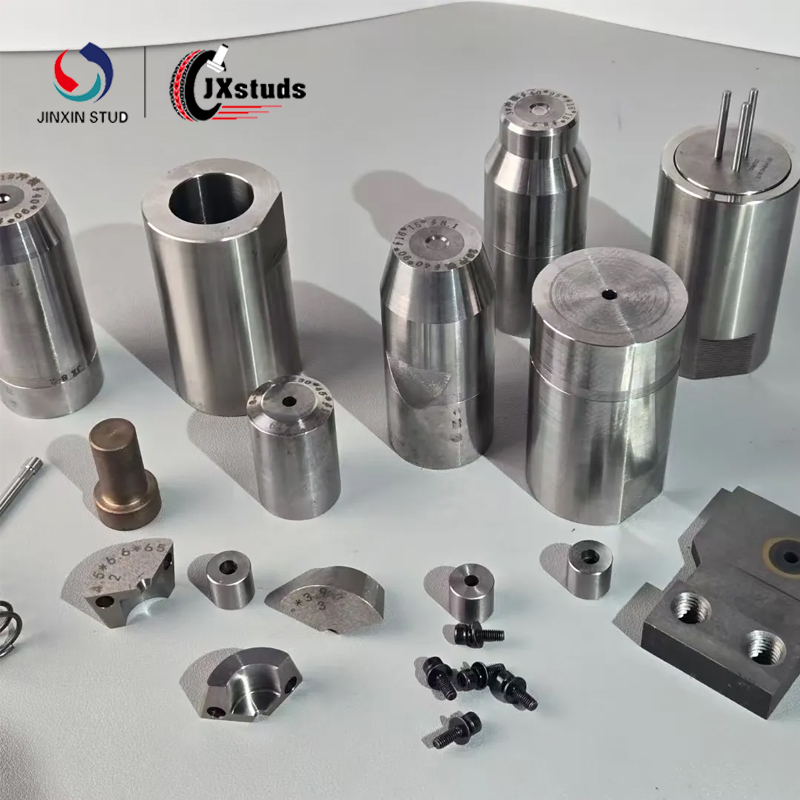
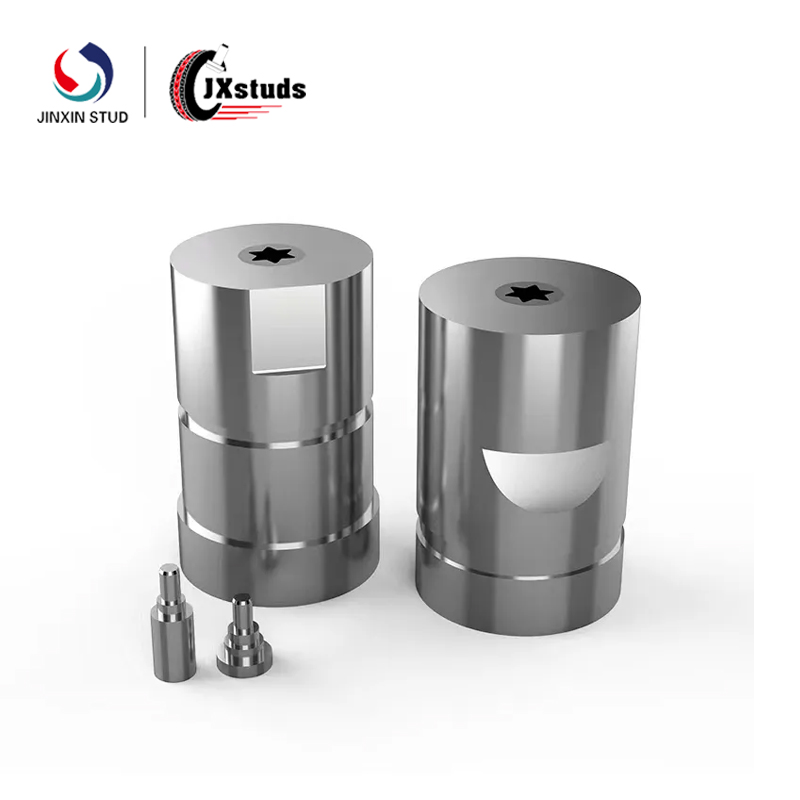
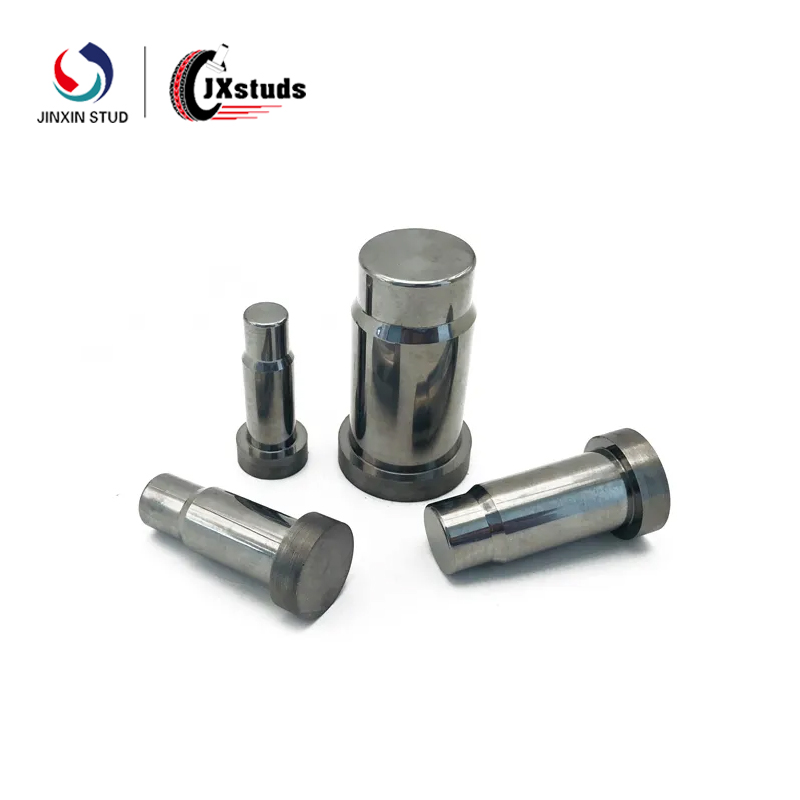
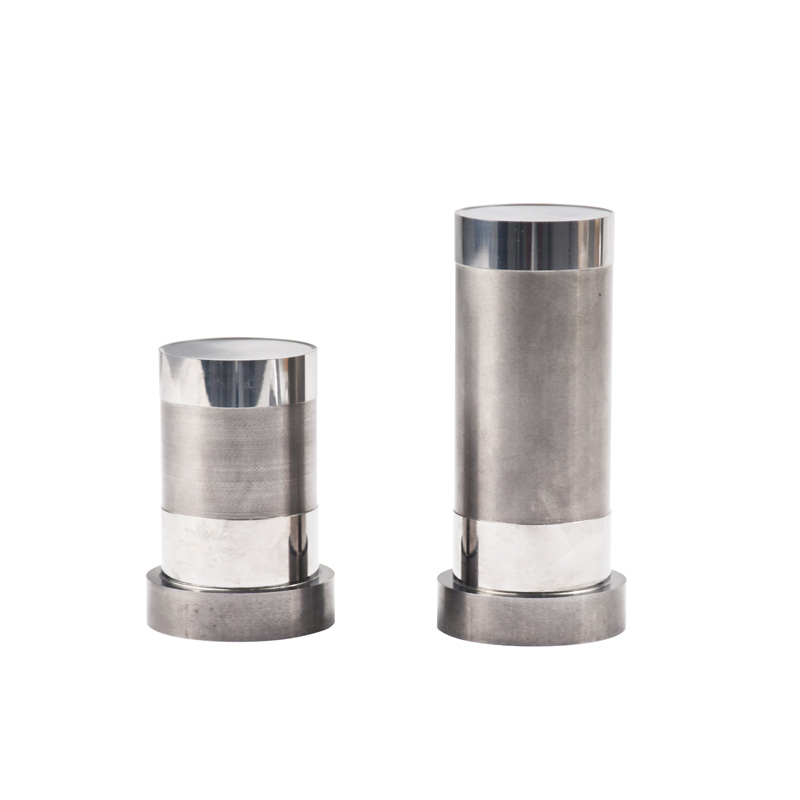
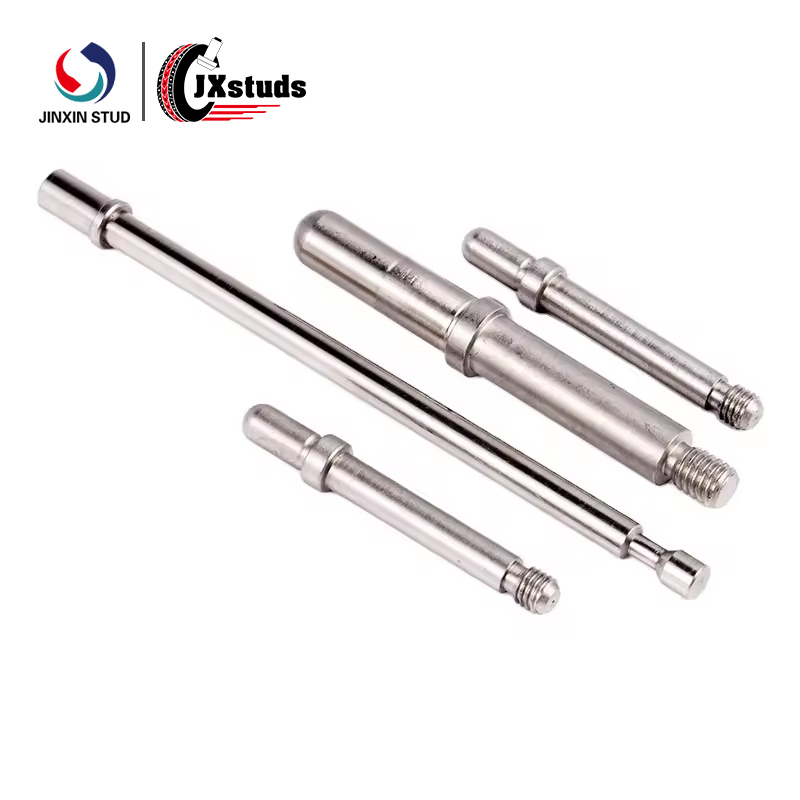
The mold assembly typically consists of several critical components that work together to define the final part geometry:
Mold Component | Function |
Die Cavity (Matrix) | Defines the outer shape of the compact; holds powder during pressing |
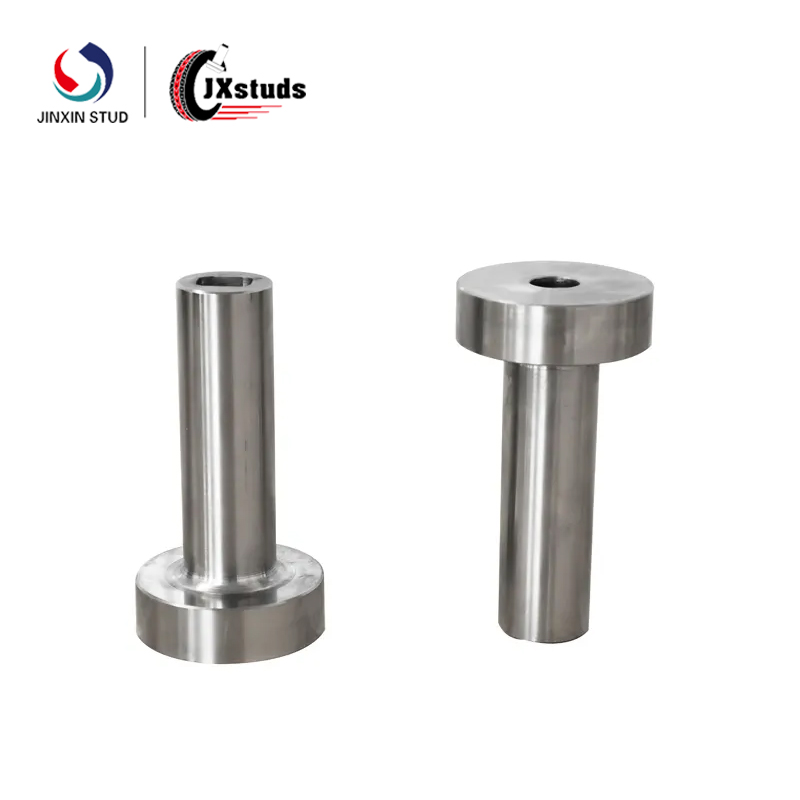
Upper Punch | Applies downward pressure from the top; forms upper features |
Lower Punch | Supports the compact from below; forms lower features |
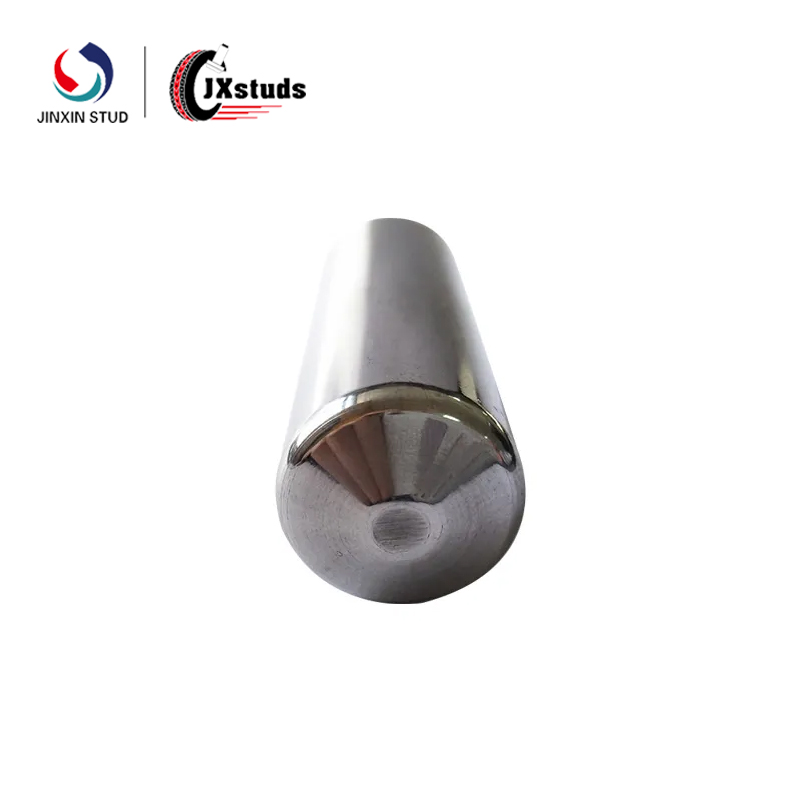
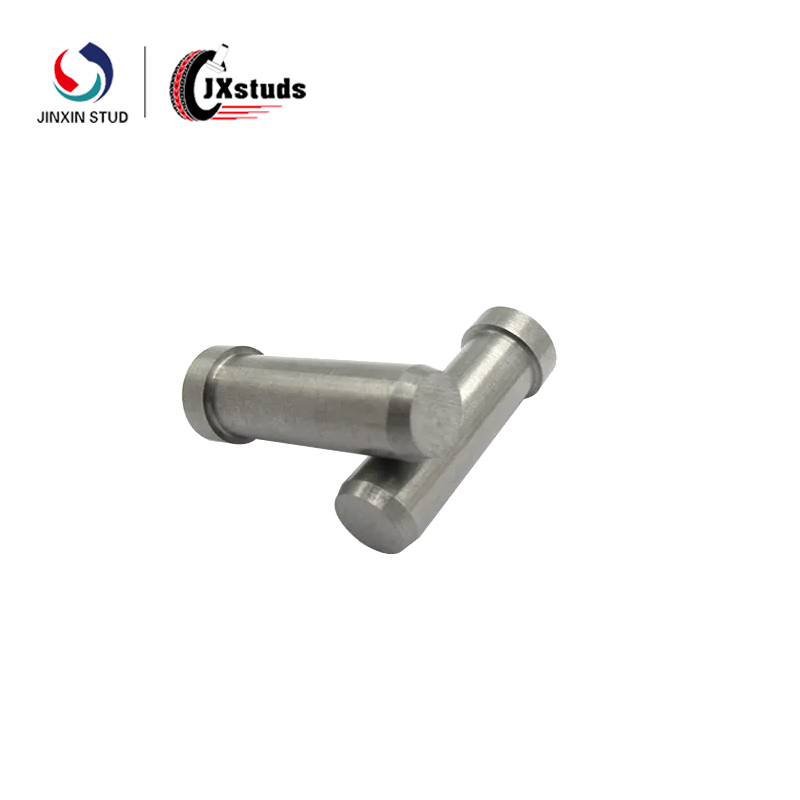
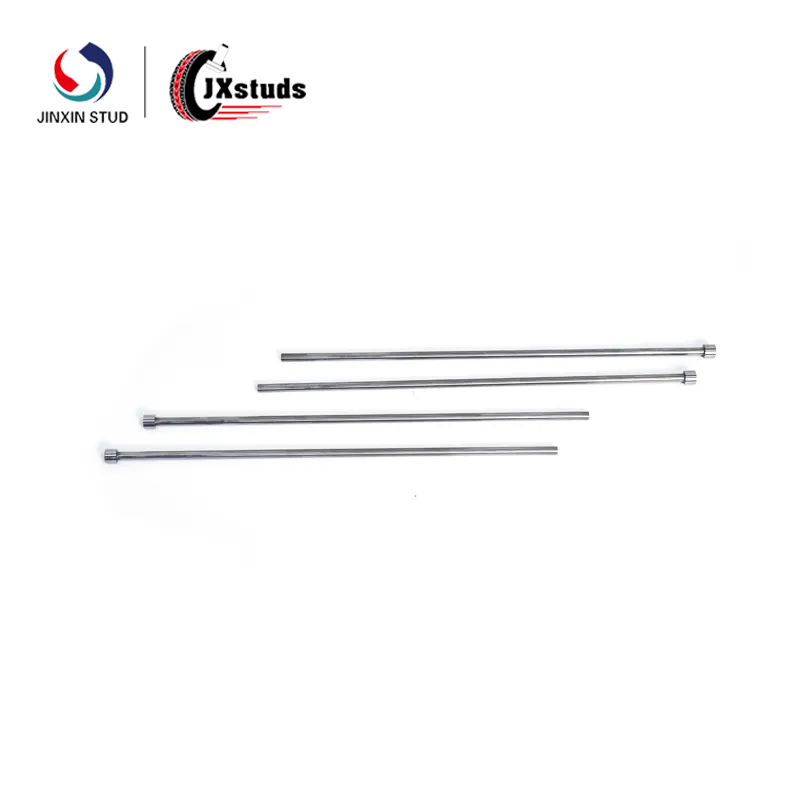
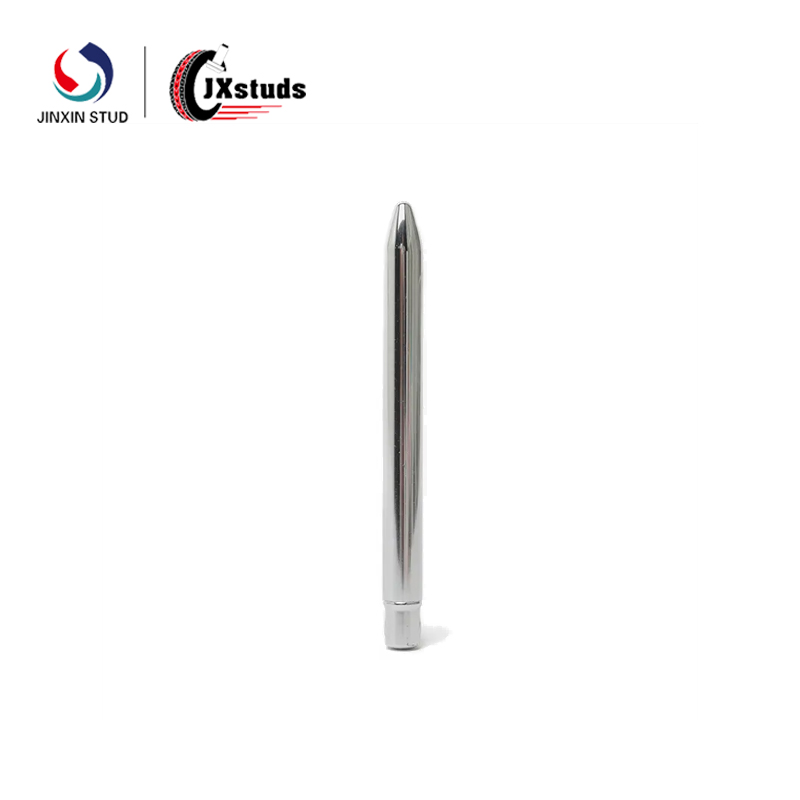
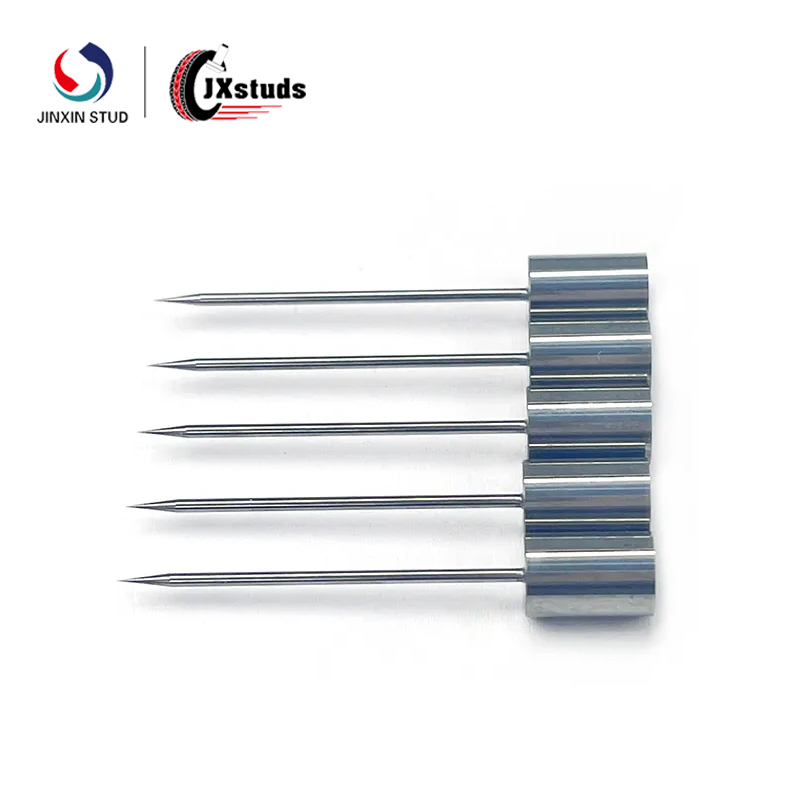
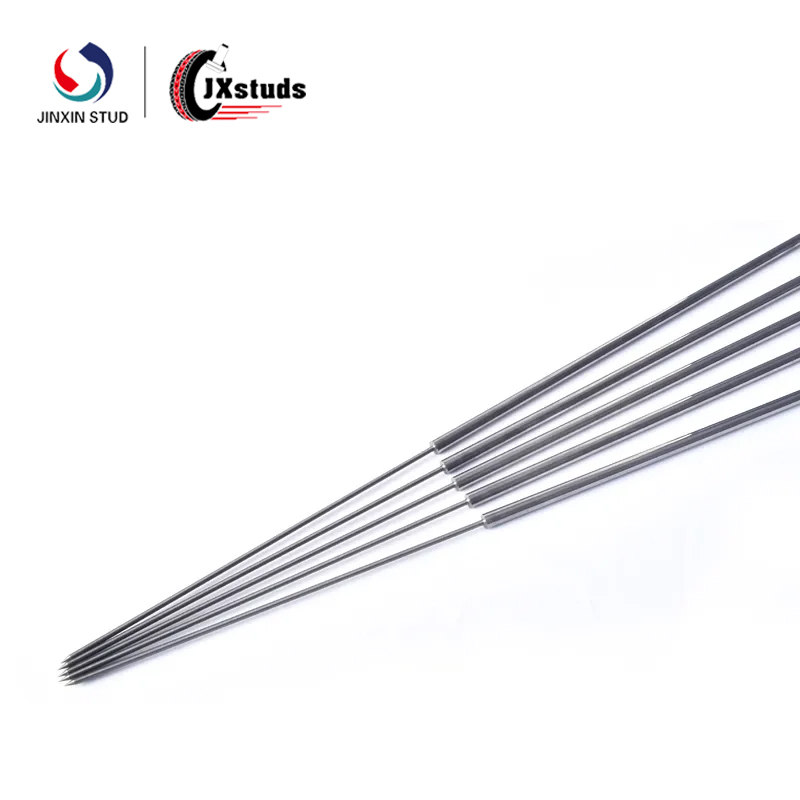
Core Rod | Defines internal holes, tapers, or stepped cavities |
Advanced designs incorporate multiple punches, floating die elements, and spring-loaded cores to produce complex shapes—including parts with stepped profiles, tapered bores, and multi-level geometries—in a single pressing operation.
Material: Why Tungsten Carbide?
The choice of mold material directly impacts production efficiency, dimensional consistency, and tooling cost. Tungsten carbide offers distinct advantages over traditional tool steels for powder pressing applications:
Parameter | Tungsten Carbide Mold | Tool Steel Mold (T10A/Cr12) |
Hardness (HRA) | 85 – 92 | 62 – 66 (HRC) |
Service Life | 5 – 10× longer | Baseline |
Wear Resistance | Exceptional; maintains dimensional accuracy over extended runs | Moderate; frequent rework required |
Compressive Strength | 2,800 – 4,000+ MPa | ~2,000 MPa |
Dimensional Stability | Excellent; resists deformation under repeated high-pressure cycles | Prone to wear and distortion |
Cost | Higher initial investment | Lower initial cost; higher long-term replacement frequency |
The economic decision between carbide and steel tooling depends on production volume and precision requirements. For large-scale production runs and high-precision parts, carbide molds deliver superior total cost of ownership despite higher upfront material costs.
Common Carbide Grades for Pressing Molds
| Grade | Cobalt Content | Hardness (HRA) | TRS (MPa) | Recommended Application |
| YG8 | 8% | ≥ 89.5 | ≥ 2,200 | High wear resistance; precision finishing; fine powders |
| YG15 | 15% | ≥ 87.5 | ≥ 2,500 | High impact resistance; rough pressing; interrupted loads |
| YG15C / YG20C | 15–20% | 85–87 | ≥ 3,000 | Cold heading and upsetting; high-toughness requirements |
Generally, higher cobalt content provides greater toughness and impact resistance at the expense of hardness and wear resistance. For applications prone to mold cracking or edge chipping, select a higher-cobalt grade (e.g., YG15, YG20C). For applications where abrasive wear is the primary failure mode, choose a higher-hardness grade (e.g., YG8, YG10).
Dimensional Precision & Surface Quality
The mold cavity and punch surfaces are precision-ground to achieve:
Surface Roughness: Ra ≤ 0.4 μm, reducing friction during ejection and preventing powder adhesion
Dimensional Tolerance: ±0.01 mm or better on critical features, ensuring consistent compact dimensions
Geometric Accuracy: Precision concentricity and perpendicularity between punches and die cavity
These quality attributes directly influence:
Density Uniformity: Proper clearance and surface finish ensure consistent compaction across the part
Ejection Performance: Smooth surfaces facilitate easy part removal without cracking or distortion
Tool Life: Reduced friction and wear extend mold service life
Custom Configuration Capabilities
We support fully custom mold designs to match specific part geometries, powder characteristics, and production requirements. Typical customization parameters include:
Parameter | Options |
Part Shape | Cylindrical, rectangular, stepped, flanged, tapered, multi-level |
Die Cavity | Round, square, rectangular, oval, non-standard profiles |
Core Configuration | Straight bore, tapered bore, stepped bore, blind hole |
Punch Design | Flat, contoured, stepped, with insert features |
Pressing Direction | Single-action, double-action, floating die, with core rod |
Material Grade | YG8, YG10, YG15, YG20, or customer-specified composition |
Complex geometries—including parts with internal tapers, stepped bores, or multiple diameter sections—can be produced using multi-component mold assemblies with synchronized punch movements.
Parameter | YG8 | YG15 | YG20C |
Hardness (HRA) | 89.5 – 91.5 | 87.5 – 89.5 | 85.0 – 87.0 |
Density (g/cm³) | 14.6 – 14.8 | 14.0 – 14.2 | 13.4 – 13.6 |
Cobalt Content (%) | 8 | 15 | 20 |
TRS (MPa) | ≥ 2,200 | ≥ 2,500 | ≥ 3,000 |
Grain Size (μm) | 0.7 – 1.2 | 0.7 – 1.8 | 1.0 – 2.0 |
Recommended Application | Fine powders, precision pressing | General pressing, moderate impact | High-impact forming, cold heading |
Powder Metallurgy Components
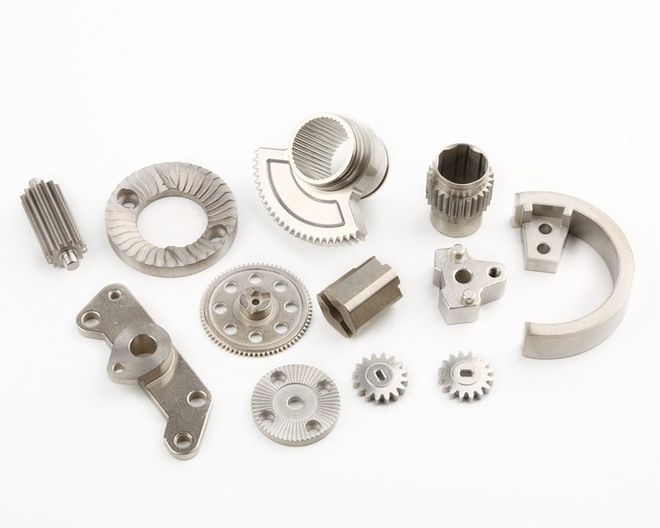
Carbide pressing molds are essential for producing powder metallurgy (PM) parts across numerous industries:
Automotive: Gear blanks, bearing caps, valve guides, synchronizer rings
Electronics: Magnetic cores, ferrite components, connector terminals
Hardware: Lock cylinders, hinge components, fasteners
Industrial: Wear plates, tool inserts, structural parts
Refractory & Hard Metal Powder Compaction
For pressing tungsten carbide, titanium carbide, and other hard material powders, carbide molds provide the wear resistance necessary to maintain dimensional accuracy over extended production runs.
Ceramic & Magnetic Material Forming
Ceramic powders and ferrite materials are highly abrasive; carbide molds offer the hardness and surface finish required for consistent quality.
Non-Ferrous Metal Powder Pressing
Copper, aluminum, bronze, and stainless steel powders require molds with excellent surface finish and corrosion resistance.
Anti-Powder Adhesion Design
Our molds incorporate advanced surface treatments and optimized clearance designs to minimize powder sticking and bridging, ensuring consistent fill and ejection.
Precision Ground Surfaces
All mold working surfaces are precision-ground to achieve the surface finish and dimensional accuracy required for high-density, defect-free compacts.
Thermal Stability
Carbide's low coefficient of thermal expansion ensures dimensional stability across temperature variations encountered during high-speed production.
Each carbide pressing mold undergoes rigorous quality verification:
Dimensional Inspection: All critical dimensions verified against customer drawings using CMM or optical comparator
Surface Finish: Profilometer measurement of all working surfaces
Hardness Testing: Rockwell A scale verification per batch
Material Certification: Chemical composition and physical properties documented
Concentricity: Verification of punch-to-cavity alignment and core rod concentricity
Trial Pressing: Sample compacts produced to validate performance prior to shipment
Parameter | Detail |
Minimum Order Quantity | Flexible; single mold sets available for qualification |
Custom Tooling | Customer drawing required; no mold opening fee for standard shapes |
Lead Time | 3–6 weeks depending on complexity |
Documentation | Material Test Reports, dimensional inspection, surface finish reports |
Packaging | Individual protective packaging with anti-rust protection |
Contact our engineering team to discuss your carbide powder pressing mold requirements, submit part drawings for custom design, or request sample qualification for your production program.