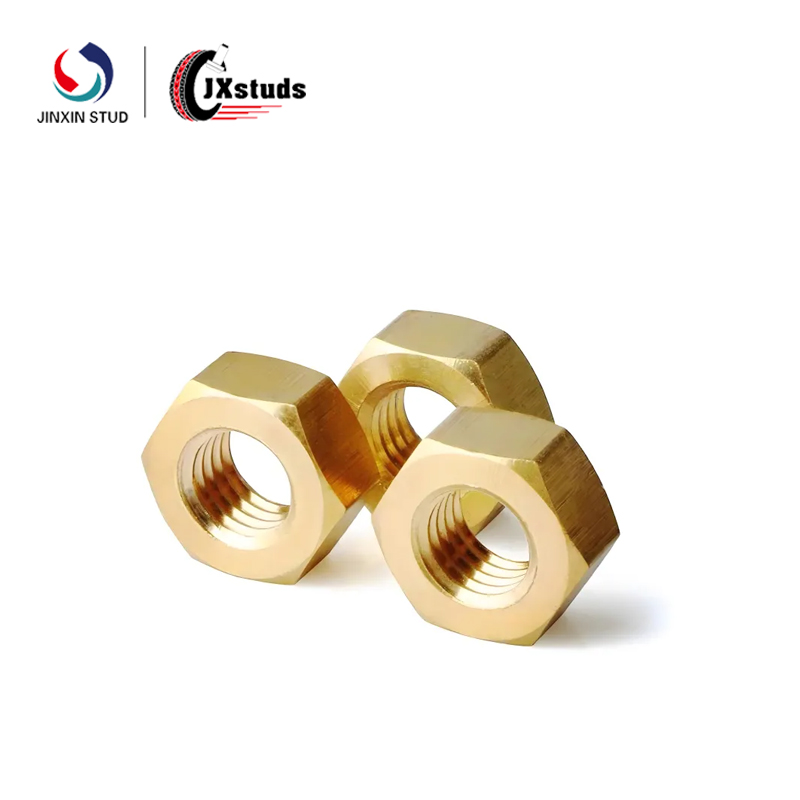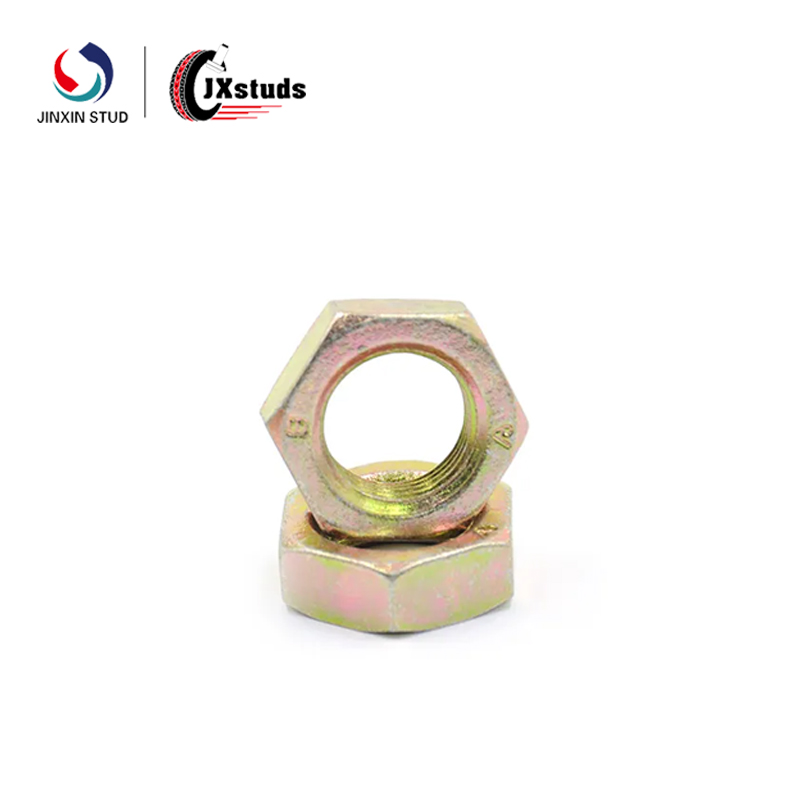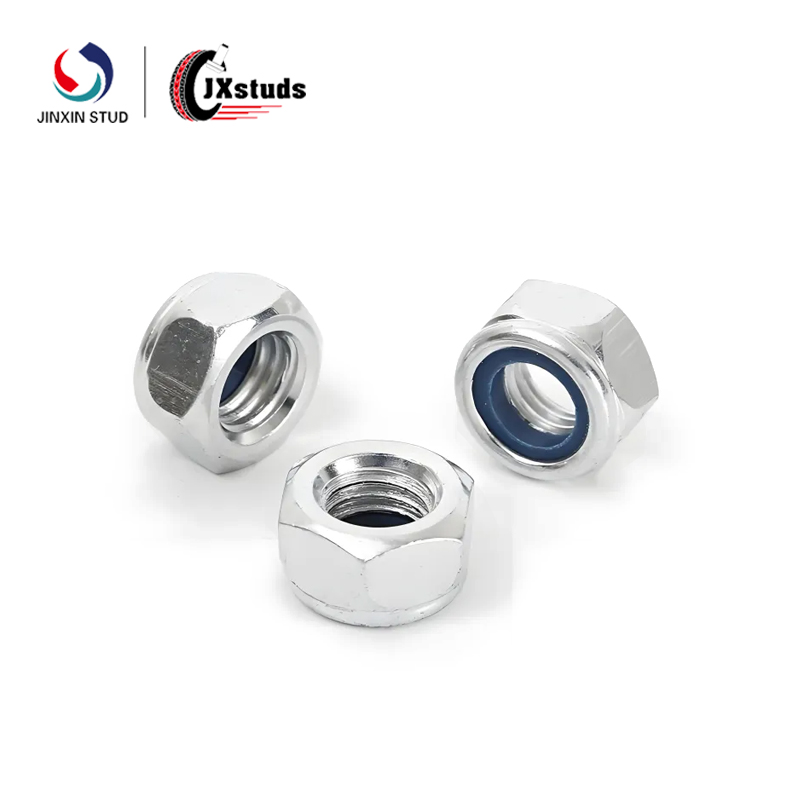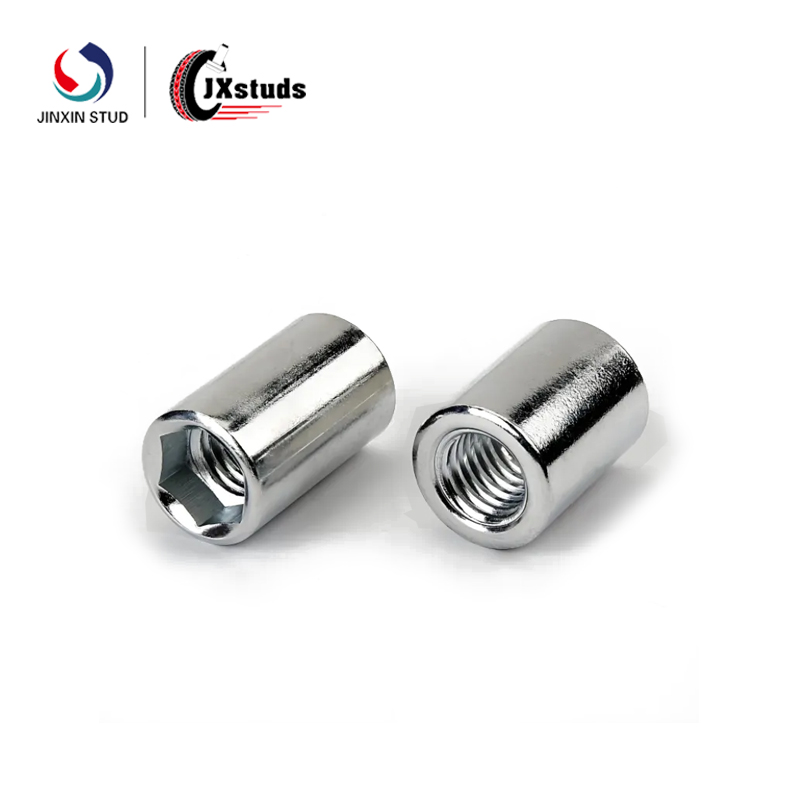
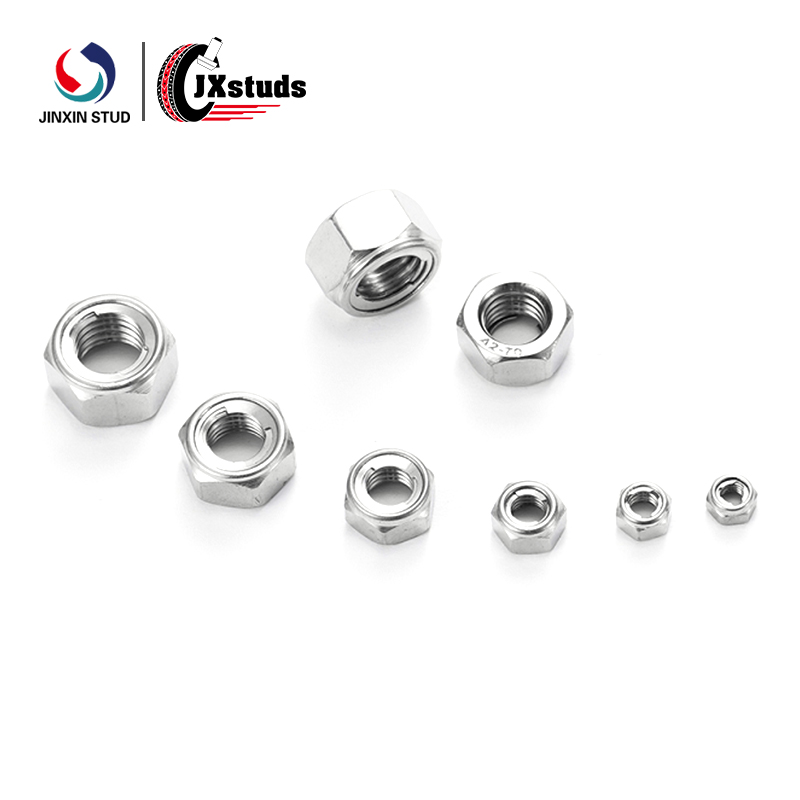
The Challenge: Vibration-Induced Loosening
In the world of industrial machinery and critical infrastructure, bolt loosening remains one of the most persistent reliability challenges. Transverse vibration, thermal expansion cycles, and dynamic loads gradually degrade clamping force, leading to joint failure, unplanned downtime, and safety risks. Traditional solutions—whether nylon inserts, deformed threads, or chemical adhesives—offer partial relief but often compromise reusability, installation consistency, or performance under extreme conditions.
A Different Approach: Beyond Wedge Technology
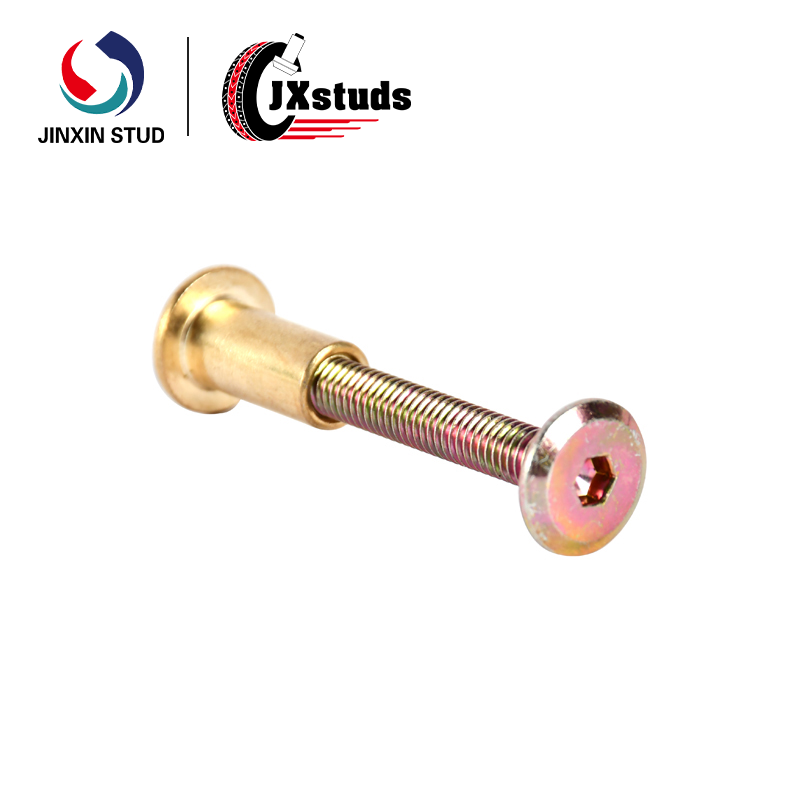
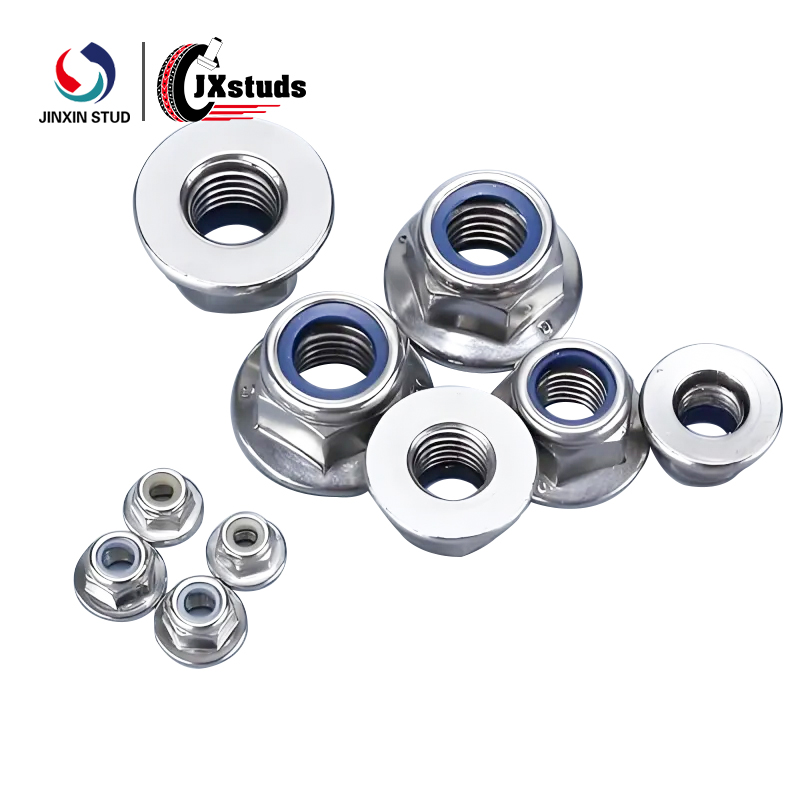
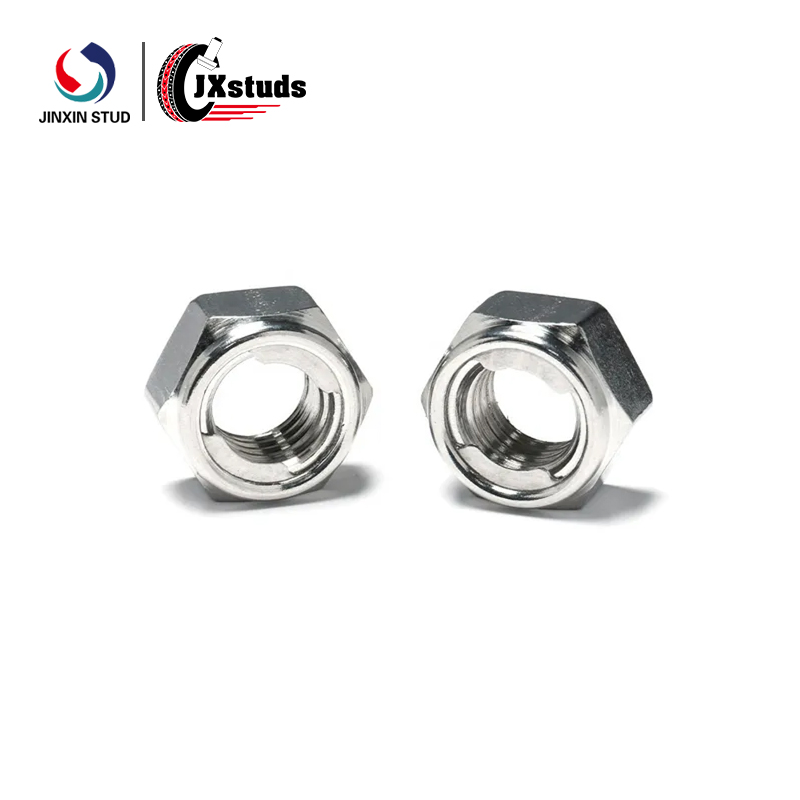
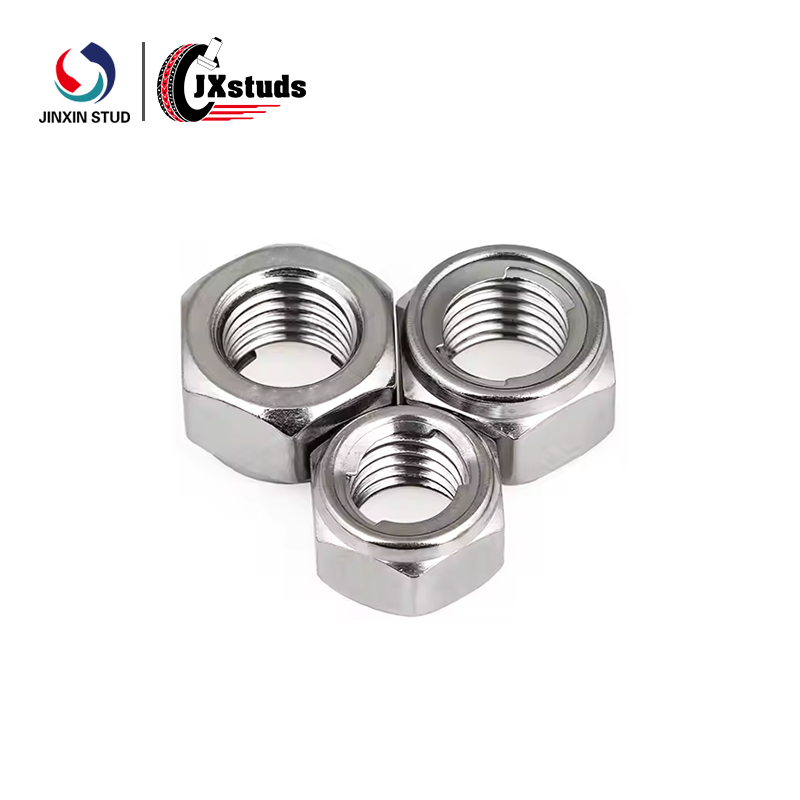
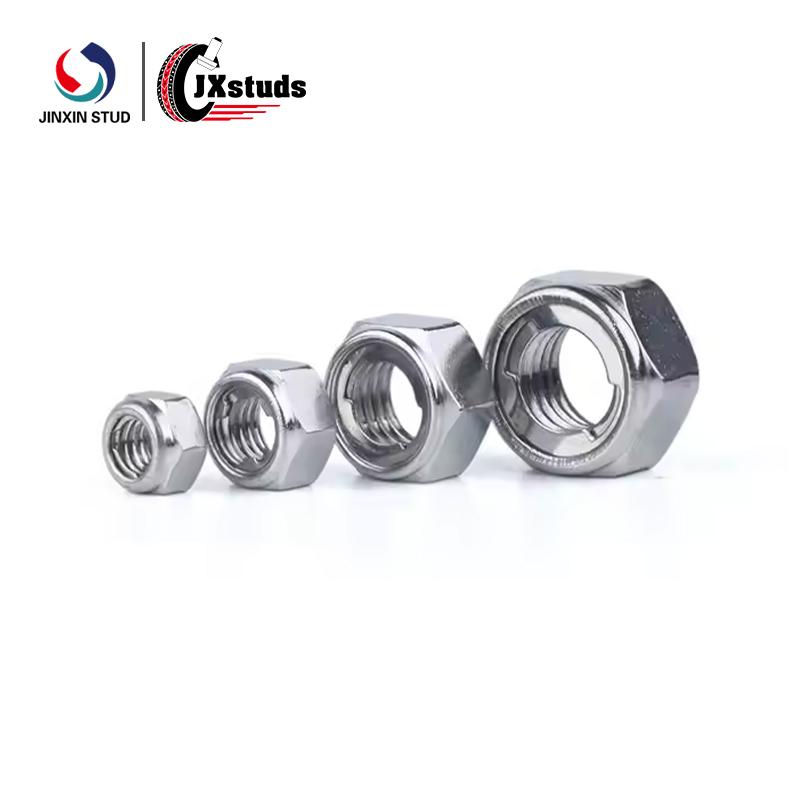
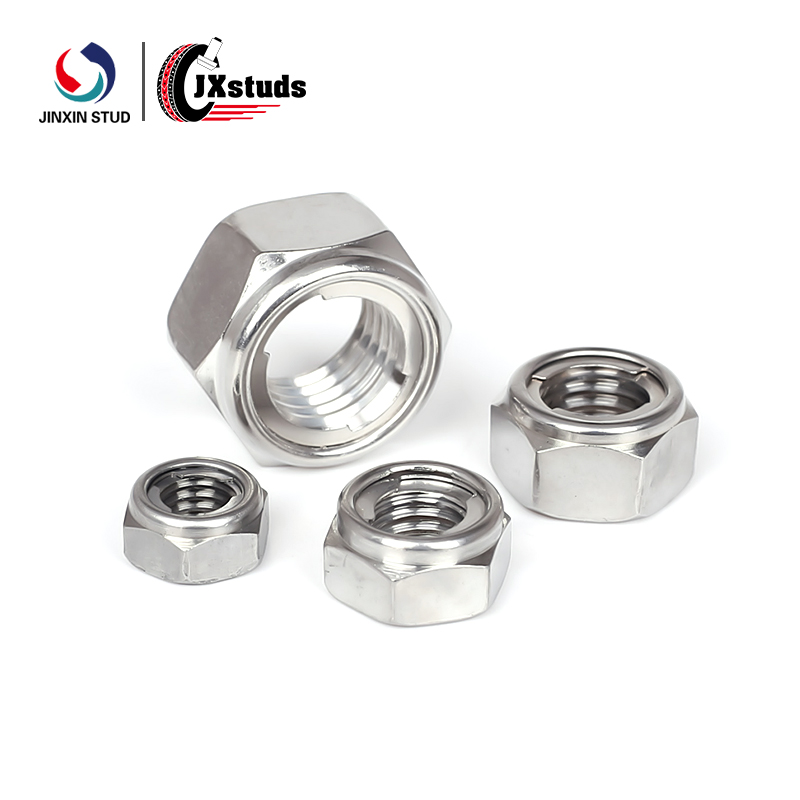
While the well-known Japanese Hard Lock system relies on a wedge-shaped cam mechanism between two nuts, our Never-Loose Lock Nut System employs a fundamentally different engineering principle. The three-piece assembly works through a synergistic combination of:
Precision Differential Thread Engagement: The internal geometry of the components creates controlled axial interference that distributes clamping force across optimized contact surfaces.
Radial Expansion Management: The middle component generates uniform radial expansion when torqued, establishing a persistent mechanical lock that resists vibrational energy transfer.
Independent Load Paths: Each of the three components carries a distinct portion of the total joint load, ensuring that vibrational harmonics cannot simultaneously overcome all three locking mechanisms.
This design results in a fastener that maintains consistent clamping force even under sustained vibration exceeding industry test standards—without the drawbacks of thread galling, surface damage, or single-use limitations.
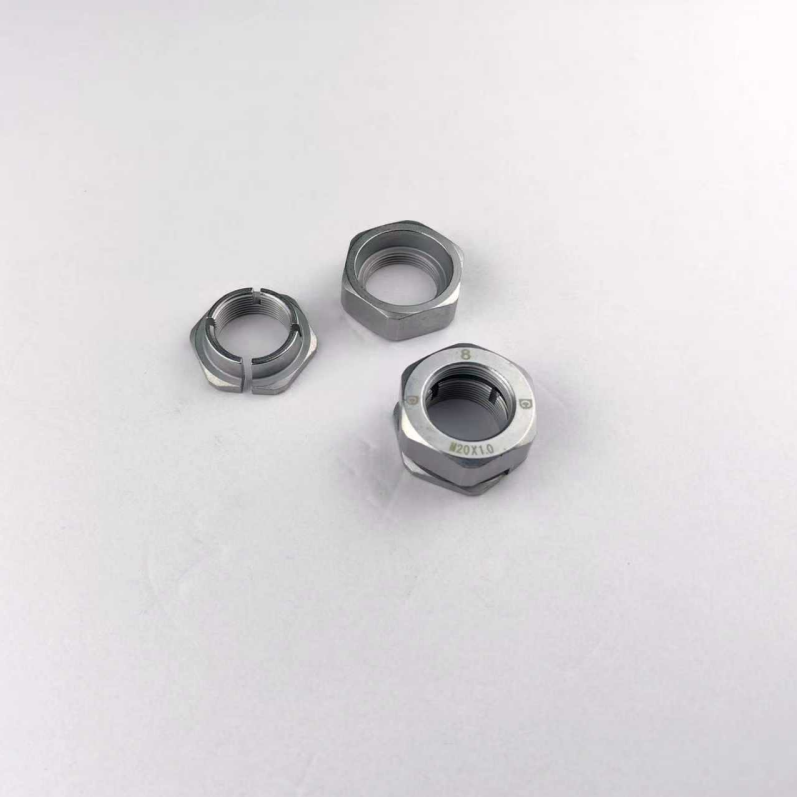
The 3-Piece Advantage
| Component | Function |
|---|---|
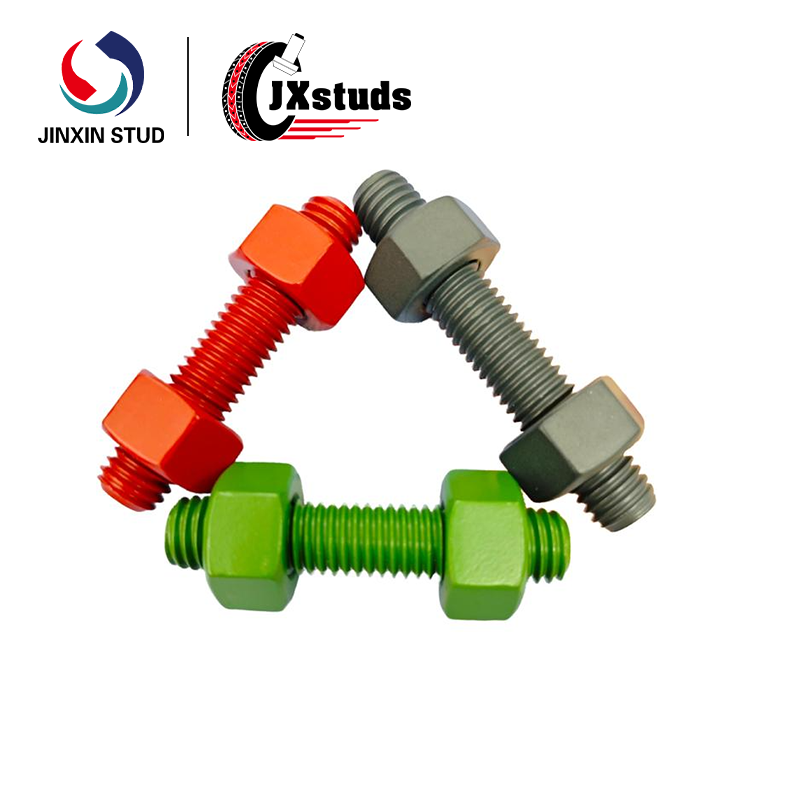
| Primary Nut | Provides initial clamping force and interfaces with the bolted joint surface |
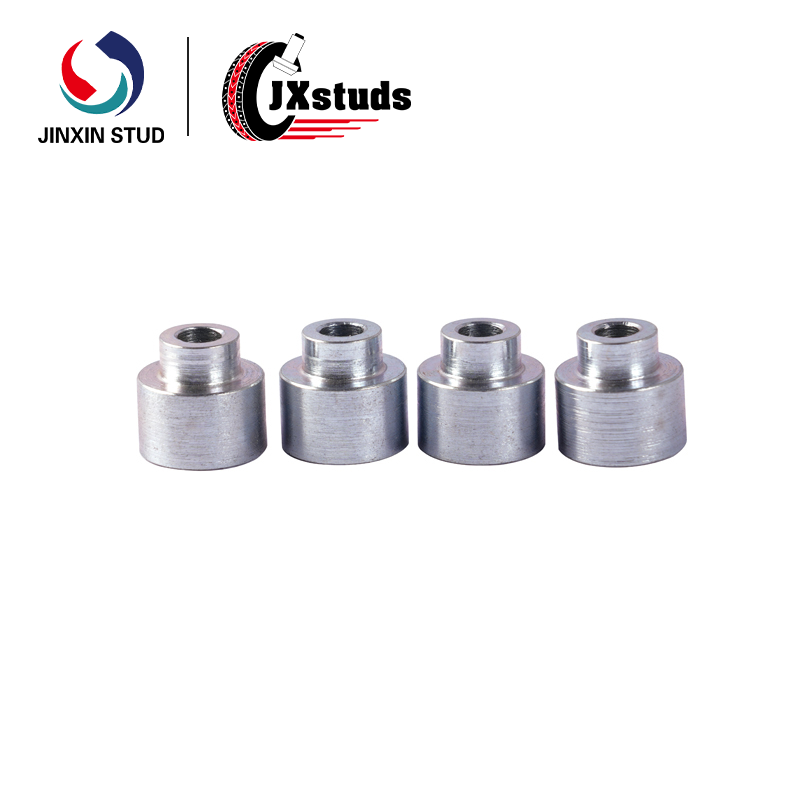
| Locking Insert | Precision-engineered intermediate component that creates mechanical interference |
| Secondary Cap Nut | Compresses the locking insert and secures the assembly with independent thread engagement |
This three-element configuration offers several critical advantages over conventional two-nut or single-nut locking solutions:
Reusability: Can be disassembled and reinstalled multiple times without degradation of locking performance
Installation Simplicity: Requires no special tools, torque procedures, or skilled labor beyond standard practices
Temperature Stability: Maintains locking effectiveness across a wide thermal range (-50°C to +300°C depending on material selection)
Surface Protection: Eliminates thread galling and fretting corrosion commonly associated with interference-fit locking methods
Material Options: Carbon Steel & Titanium
We offer this advanced locking system in two distinct material grades to match your application requirements:
High-Strength Carbon Steel (Grade 10.9 / 12.9)
Property Class: 10.9 or 12.9 available
Surface Finish: Zinc plating, zinc-nickel, Dacromet, or Geomet coating for corrosion resistance
Tensile Strength: Up to 1220 MPa (Class 12.9)
Applications: Heavy machinery, mining equipment, construction equipment, automotive chassis, rail fasteners, industrial presses, wind turbine towers
Titanium Alloy (Grade 5 / Ti-6Al-4V)
Composition: Ti-6Al-4V (Grade 5) aerospace-grade titanium
Density: Approximately 60% of steel with superior strength-to-weight ratio
Corrosion Resistance: Exceptional performance in marine environments, chemical processing, and coastal infrastructure
Non-Magnetic: Critical for sensitive electronic equipment and MRI/medical applications
Temperature Range: -200°C to +400°C with consistent mechanical properties
Applications: Aerospace structures, marine propulsion systems, offshore platforms, motorsport chassis, medical equipment, high-performance automotive
Field Validation: Consistent Customer Acclaim
Our lock nut system has been deployed across demanding industrial environments, earning consistent positive feedback from maintenance engineers, reliability specialists, and design engineers. Key observations from field deployments include:
Zero loosening incidents after 12 months of continuous operation on vibrating mining screen equipment
Successful elimination of weekly re-torque requirements on heavy vehicle suspension components
Maintained clamp load within 5% of initial installation after 500+ thermal cycles from -30°C to +120°C
Simplified maintenance procedures with standard tools and no specialized training
| Parameter | Carbon Steel (Class 10.9/12.9) | Titanium Alloy (Grade 5 / Ti-6Al-4V) |
|---|---|---|
| Material Grade | Alloy Steel, 10.9 or 12.9 | Ti-6Al-4V (AMS 4928 / ASTM B348) |
| Tensile Strength | 1040 – 1220 MPa | 950 – 1100 MPa |
| Proof Load | 830 – 970 MPa | 820 – 900 MPa |
| Yield Strength (0.2%) | 940 – 1100 MPa | 880 – 950 MPa |
| Hardness (HRC) | 32 – 39 HRC | 33 – 38 HRC |
| Density | 7.85 g/cm³ | 4.43 g/cm³ |
| Operating Temperature | -50°C to +250°C (coated) | -200°C to +400°C |
| Corrosion Resistance | Moderate (coating dependent) | Excellent (uncoated, passive film) |
| Surface Finish | Zinc-Ni, Geomet, Dacromet | Natural passivated, bead blasted |
| Magnetic Properties | Ferromagnetic | Non-magnetic |
| Thread Sizes Available | M6 – M42, 1/4″ – 1-1/2″ | M6 – M30, 1/4″ – 1″ |
| Configuration | 3-piece assembly | 3-piece assembly |
| Reusability | Up to 5 cycles | Up to 10 cycles |
| Standards Compliance | ISO 898-1, DIN, ASTM A325 | AMS 4967, ASTM F468 |
| RoHS Compliant | Yes (with RoHS coatings) | Yes |
Dimensional Specifications (Sample – M12 Carbon Steel)
| Specification | Value |
|---|---|
| Thread Size | M12 x 1.75 |
| Overall Height (Assembled) | 18.5 mm ± 0.3 mm |
| Width Across Flats | 18 mm (standard hex) |
| Primary Nut Height | 10.2 mm |
| Locking Insert Height | 4.5 mm |
| Cap Nut Height | 3.8 mm |
| Recommended Torque | 80 – 100 N·m (Class 10.9) |
| Prevailing Torque (Initial) | None – free spinning until seated |
Custom dimensions, thread pitches, and specialized surface treatments available upon request.
Principle of Operation: How It Differs from Wedge Locking Systems
| Feature | Our 3-Piece Never-Loose System | Japanese Hard Lock (Wedge) |
|---|---|---|
| Mechanism | Differential thread engagement + radial expansion | Wedge-shaped cam between two nuts |
| Components | 3-piece assembly | 2-piece assembly |
| Installation | Standard torque procedure | Requires specific tightening sequence |
| Reusability | Multiple cycles without degradation | Reduced effectiveness after disassembly |
| Surface Sensitivity | No galling or surface damage | Potential for thread deformation |
| Temperature Range | Consistent performance across range | Performance varies with coefficient of friction |
Installation Procedure
Thread Preparation: Ensure male threads are clean, free of burrs, and within specified tolerances. No thread locker or lubricant required unless specified for corrosion protection.
Primary Nut Installation: Thread the primary nut onto the bolt or stud and tighten to approximately 30% of final torque to seat the joint surfaces.
Locking Insert Placement: Thread the locking insert onto the exposed threads, bringing it into contact with the primary nut. No torque is applied at this stage.
Cap Nut Application: Thread the cap nut onto the assembly and bring it into contact with the locking insert.
Final Torquing: Using a standard torque wrench, tighten the cap nut to the specified torque value. The locking insert automatically engages the differential thread geometry, establishing the permanent locking mechanism. The primary nut does not require additional torque beyond the initial seating.
Verification: Visual inspection should confirm that the assembly is fully seated. No specialized inspection equipment is required.
Application Suitability Matrix
| Industry | Application | Recommended Material |
|---|---|---|
| Heavy Machinery | Excavator track links, crusher mounts | Carbon Steel 12.9 |
| Wind Energy | Tower flange connections, nacelle components | Carbon Steel with Dacromet |
| Rail Infrastructure | Rail fasteners, switch mechanisms | Carbon Steel 10.9 |
| Mining Equipment | Vibrating screens, conveyor drives | Carbon Steel 12.9 |
| Aerospace | Engine mounts, structural attachments | Titanium Grade 5 |
| Motorsport | Suspension components, roll cage connections | Titanium Grade 5 |
| Marine / Offshore | Deck equipment, subsea assemblies | Titanium Grade 5 |
| Medical Equipment | MRI tables, surgical robotics | Titanium Grade 5 |
Quality Assurance & Testing
Every production batch undergoes rigorous testing to ensure consistent locking performance:
| Test | Method | Performance Criteria |
|---|---|---|
| Junker Vibration Test | DIN 65151 / ISO 16130 | No loosening after 2,000 cycles at 20 Hz, 12 mm amplitude |
| Transverse Vibration | NAS 3350 / NASM 1312-7 | Residual clamp load ≥ 85% after 50,000 cycles |
| Thermal Cycling | -40°C to +150°C, 200 cycles | No torque loss > 5% |
| Salt Spray | ASTM B117 | Carbon Steel: 500+ hours (coated), Titanium: 2,000+ hours |
| Proof Load | ISO 898-1 | ≥ 95% of specified proof load without permanent set |
| Reusability | 5 install/remove cycles | Maintains ≥ 80% of initial locking effectiveness |
Packaging Options
3-Piece Kit: Individually bagged sets with traceability labeling, ideal for maintenance kits and service replacements
Bulk Packs: 25, 50, or 100 sets in resealable containers for production environments
Custom Kitting: Pre-assembled with flat washers, lock washers, or flange bolts per customer specifications
Why Choose Our Never-Loose Lock Nut System?
Proven Performance: Field-validated across demanding industrial environments with zero loosening incidents
Distinct Technology: Engineered on principles different from Japanese Hard Lock, offering alternative benefits for specific applications
Dual Material Options: Carbon steel for high-strength industrial use, titanium for weight-sensitive and corrosive environments
Simplified Installation: Standard tools, no special training, consistent results
Full Traceability: Complete material certification and test reports available for each production lot
Contact our engineering team to discuss your specific locking requirements, request samples for validation testing, or explore custom configurations for your application.