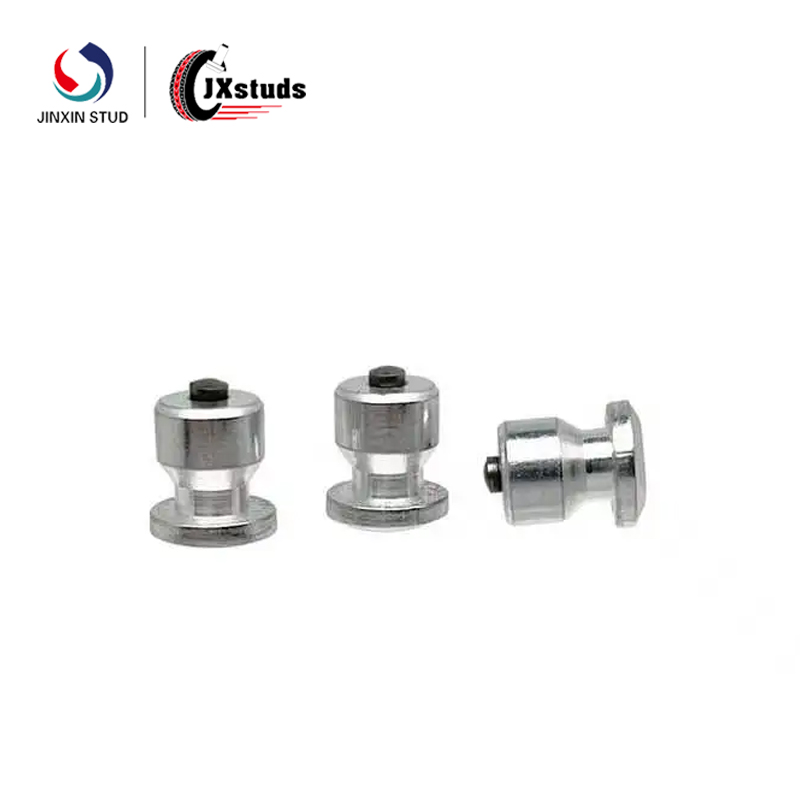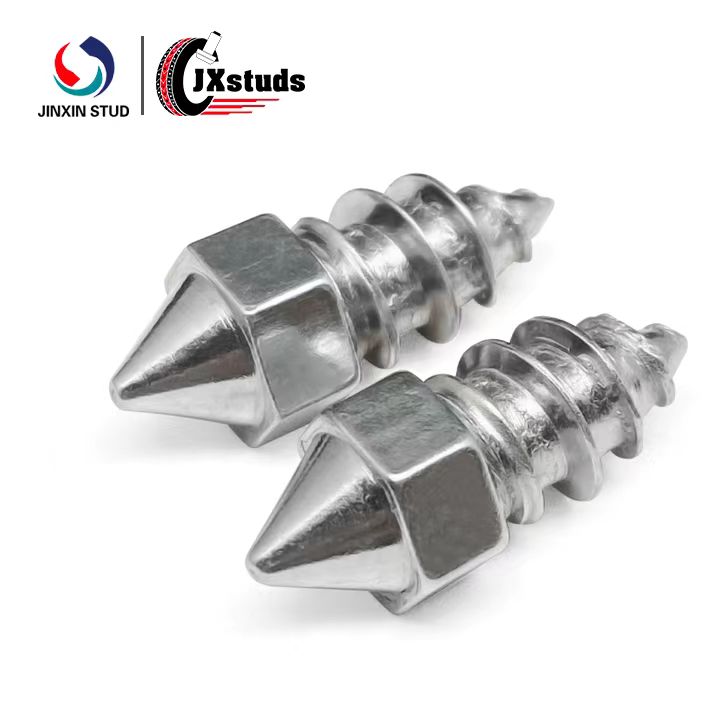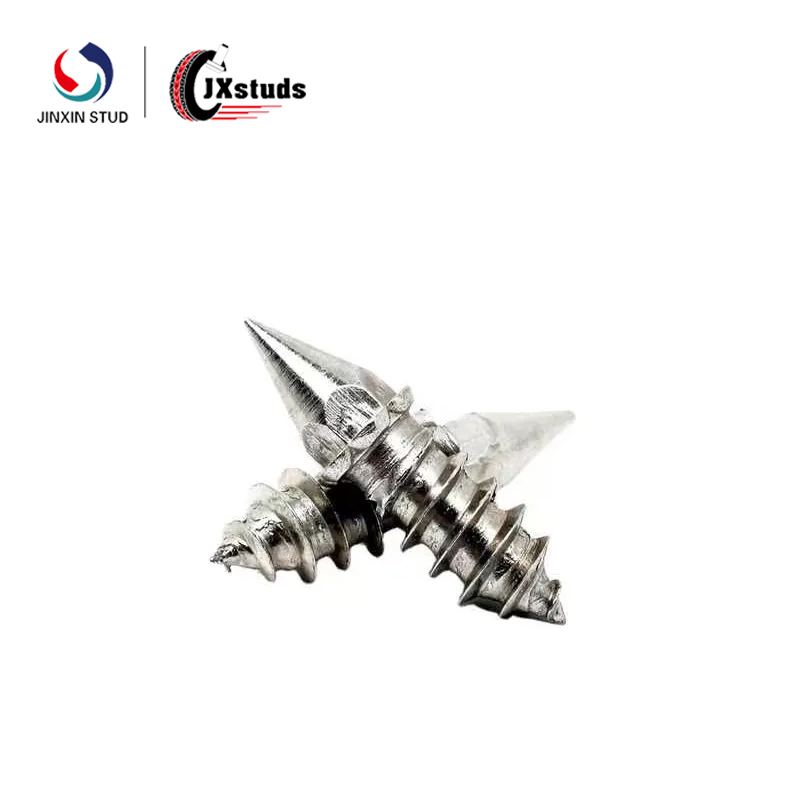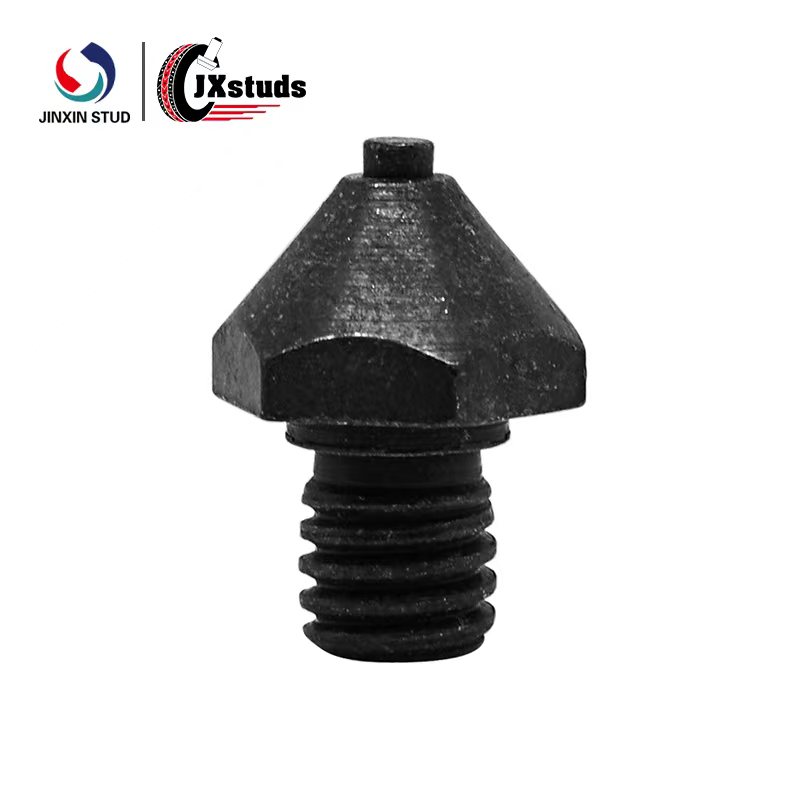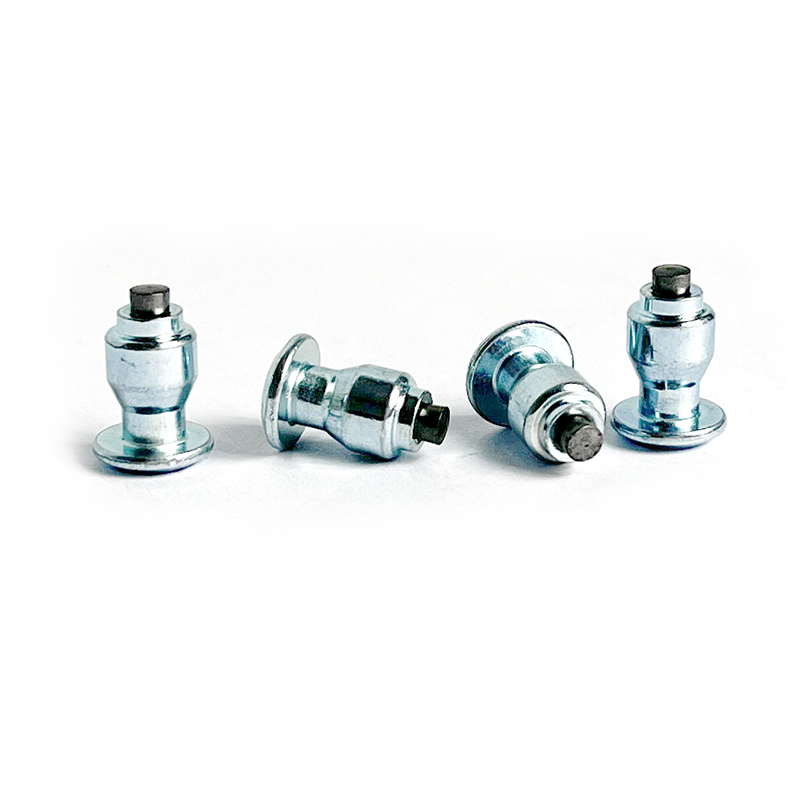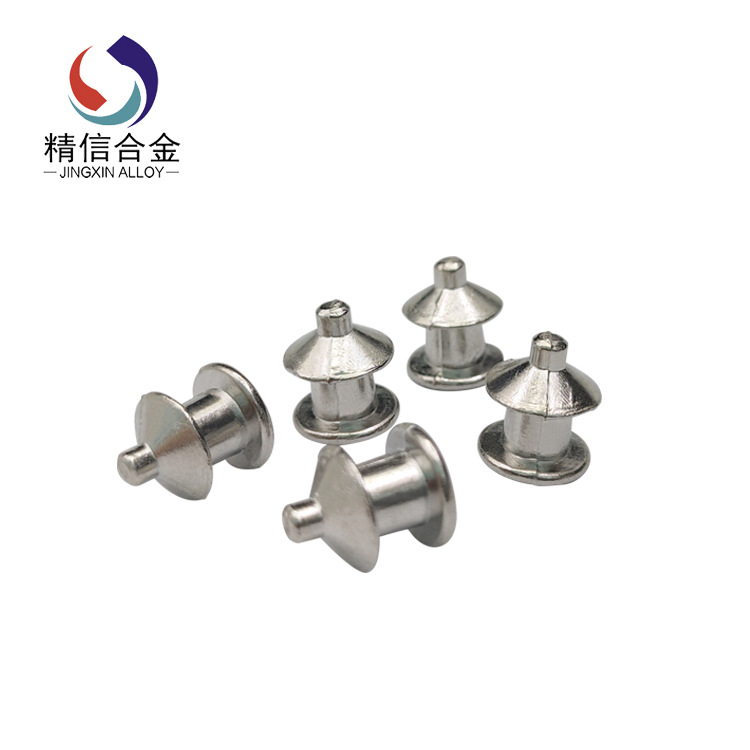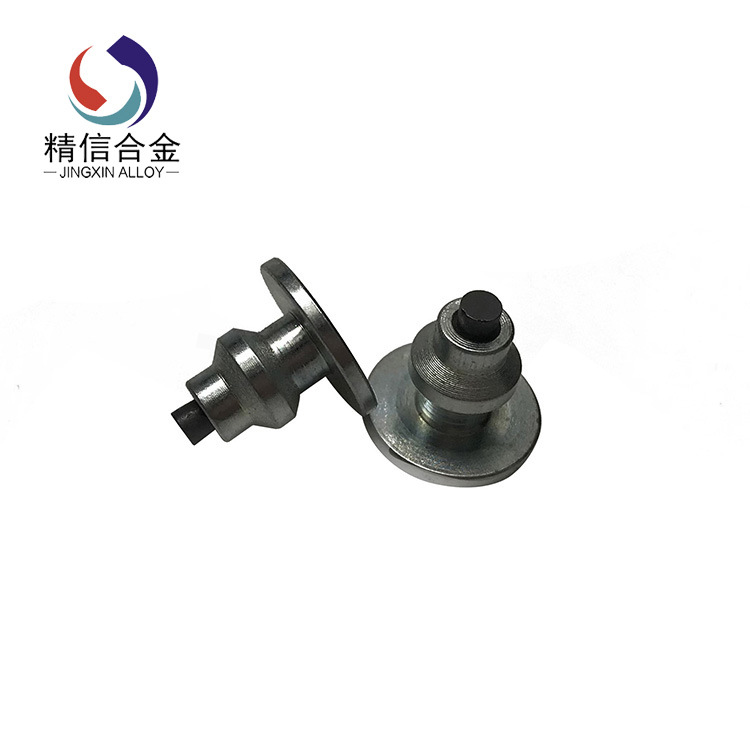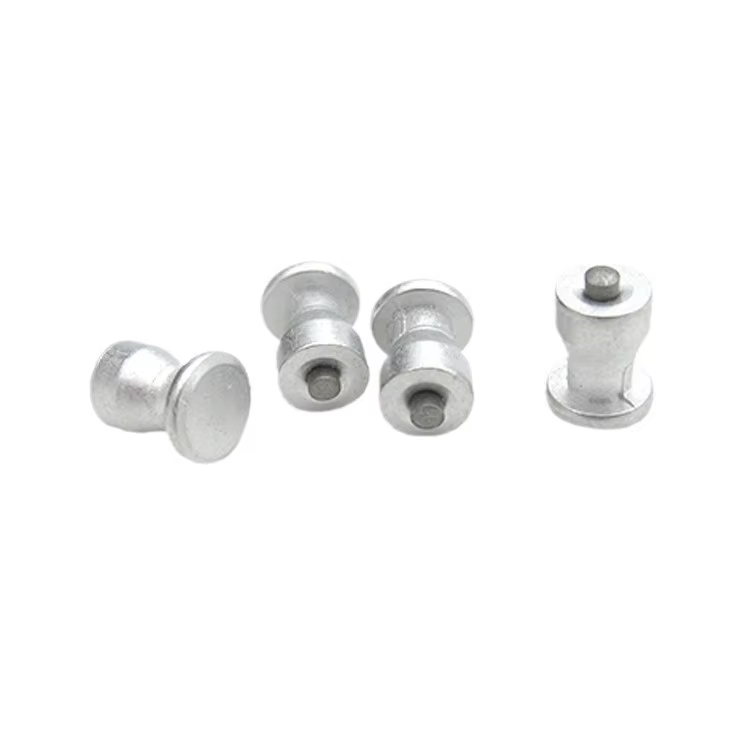
The Critical Role of Tactile Surfaces
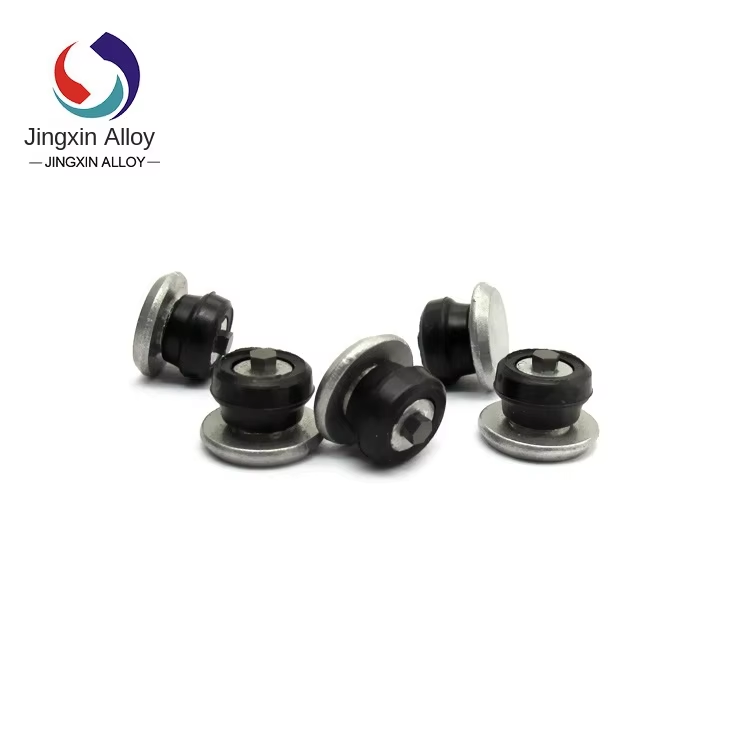
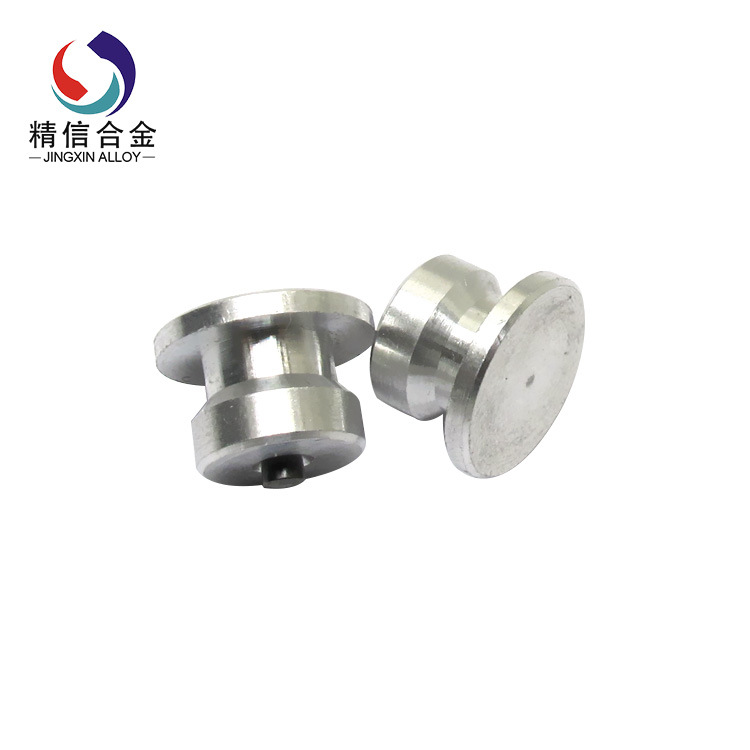
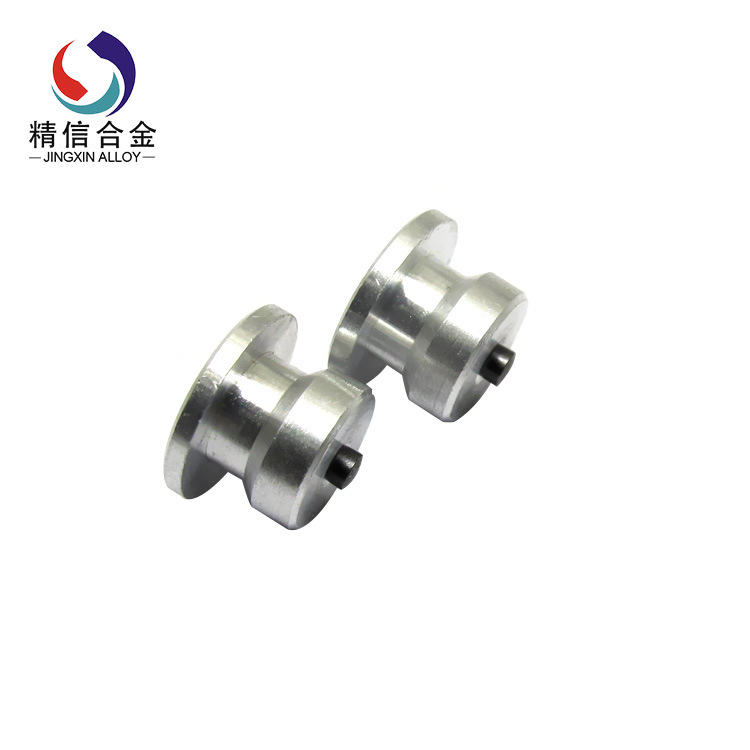
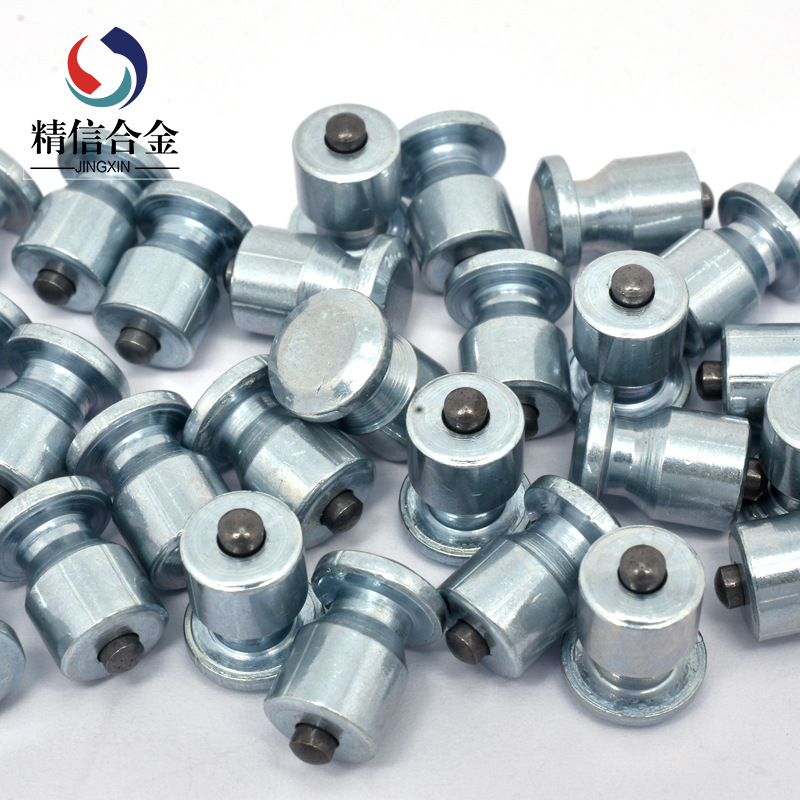
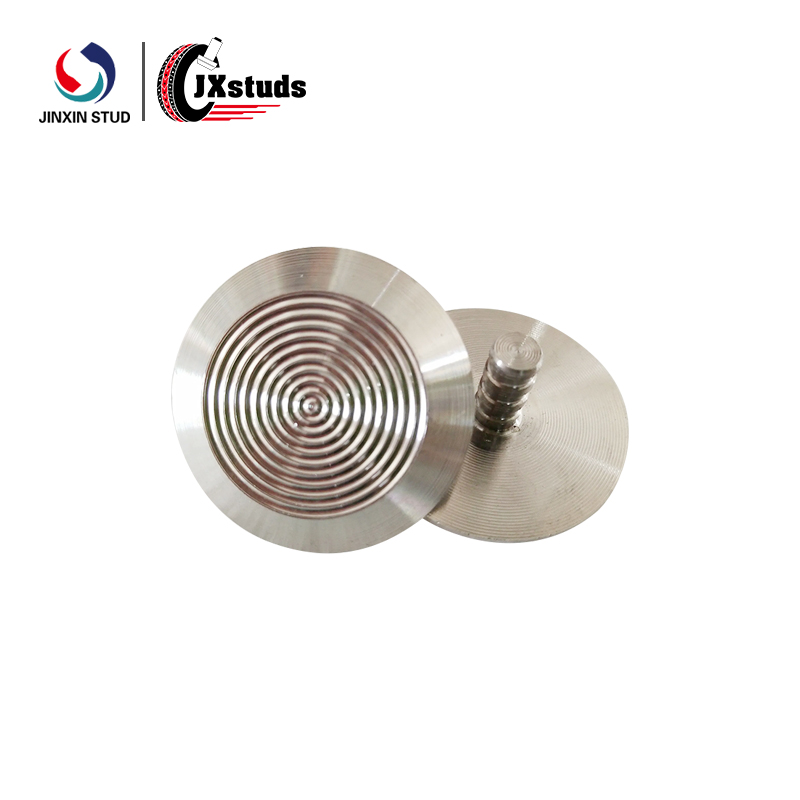
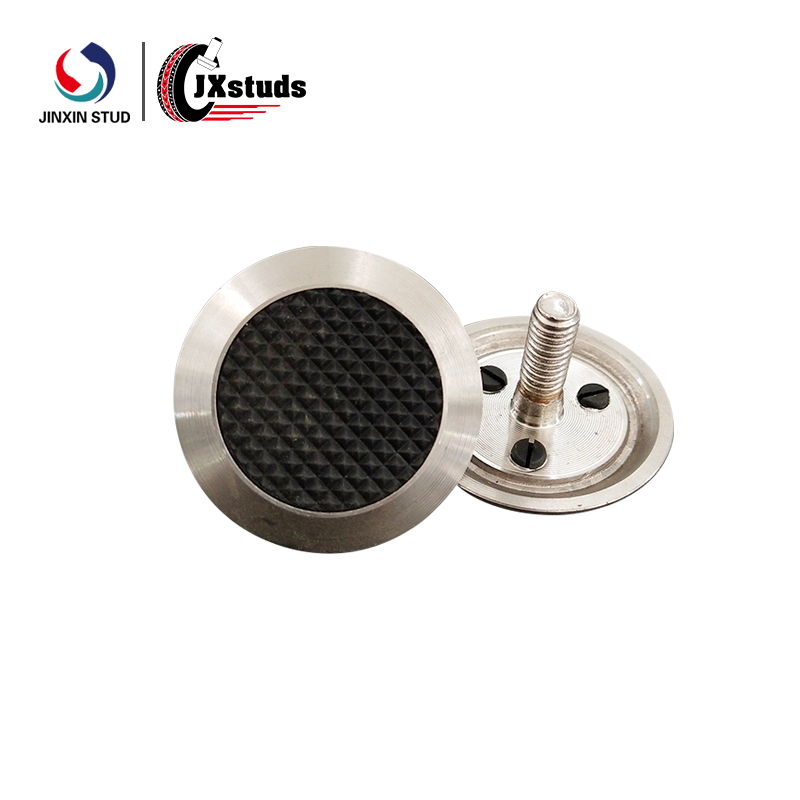
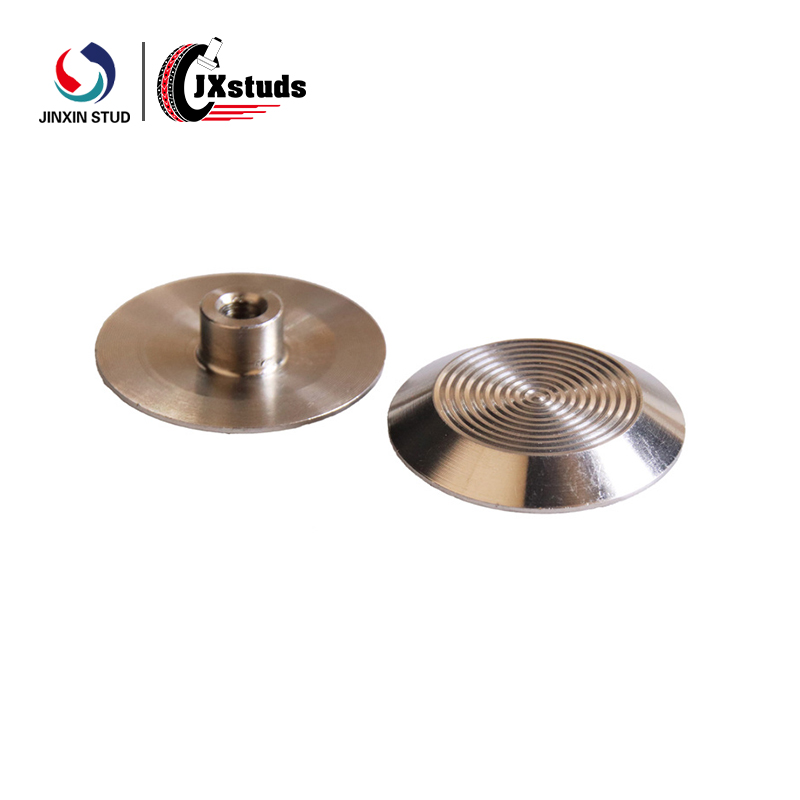
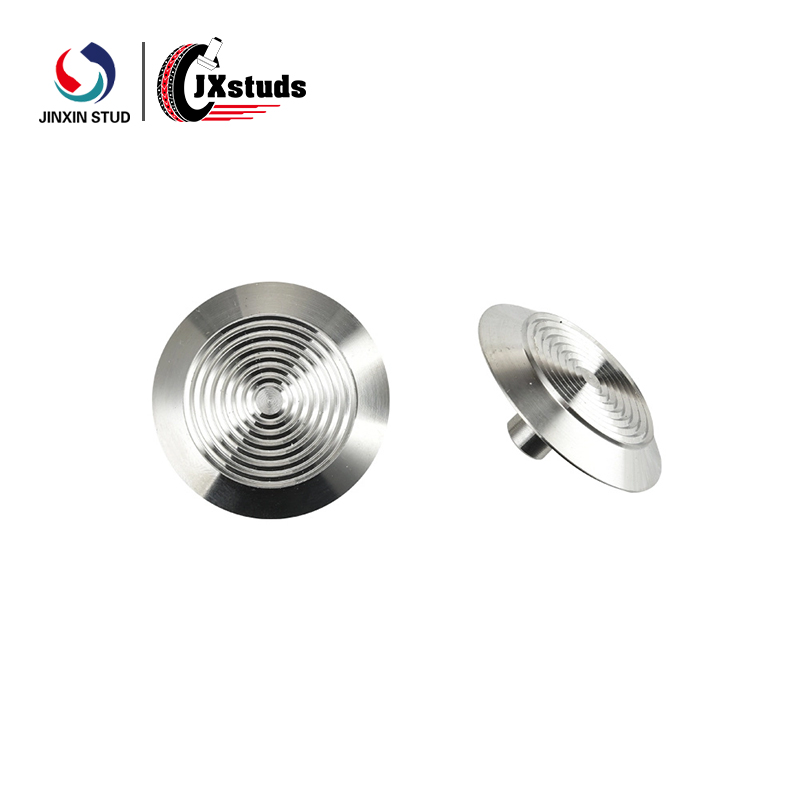
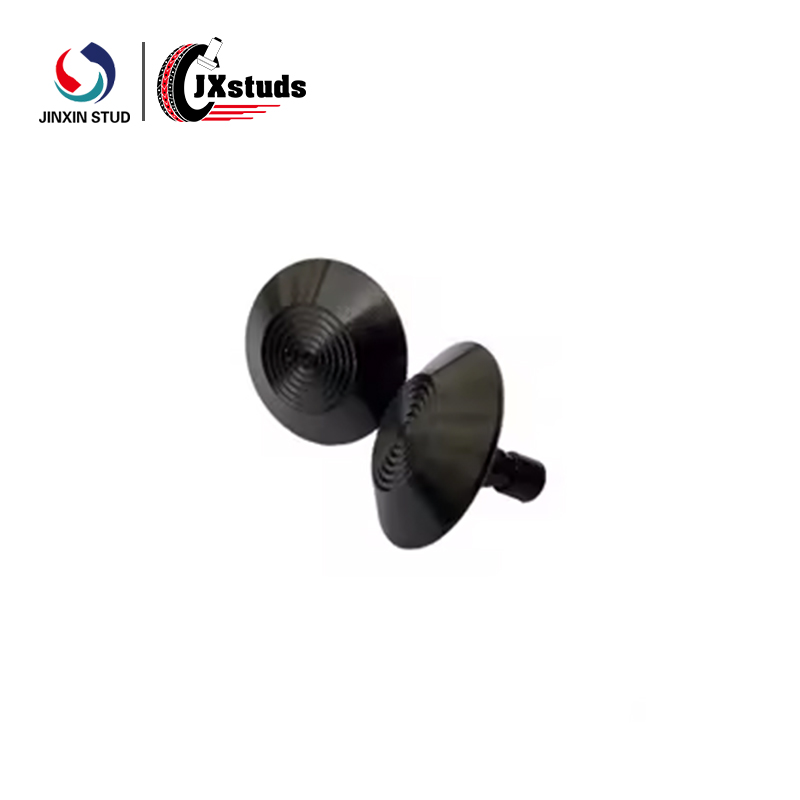
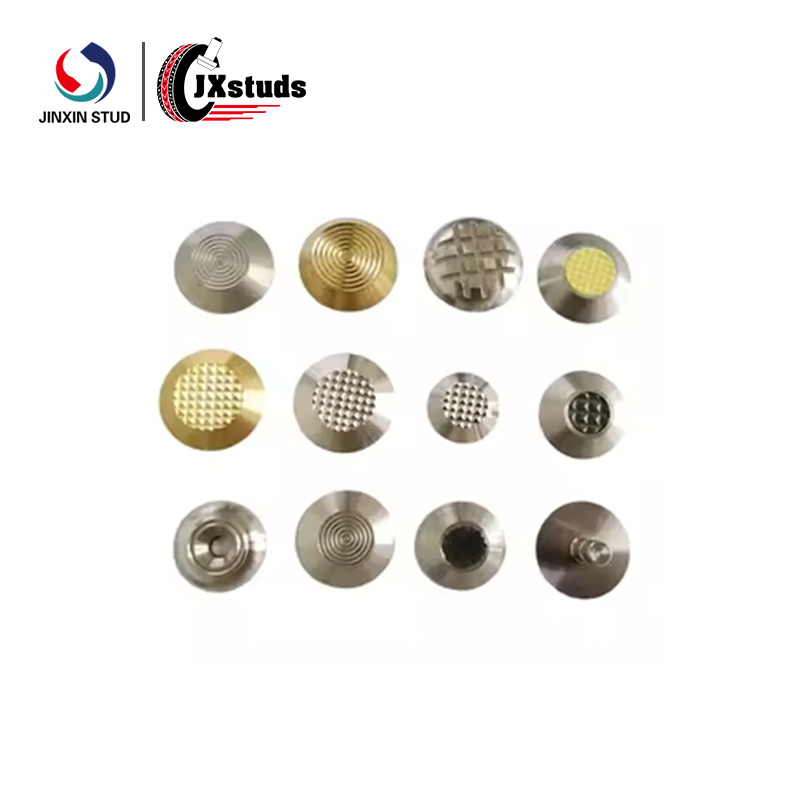
Accessible pedestrian infrastructure relies on standardized tactile ground surface indicators to guide visually impaired individuals and alert them to potential hazards—platform edges, street crossings, stair descents, and directional changes. At the heart of these systems are tactile studs or domes that must withstand relentless foot traffic, wheel loads, weather exposure, and de-icing chemicals while maintaining consistent detectability underfoot. Choosing the right material for these studs directly impacts safety reliability, maintenance frequency, and lifecycle cost.
Material Science for Maximum Longevity
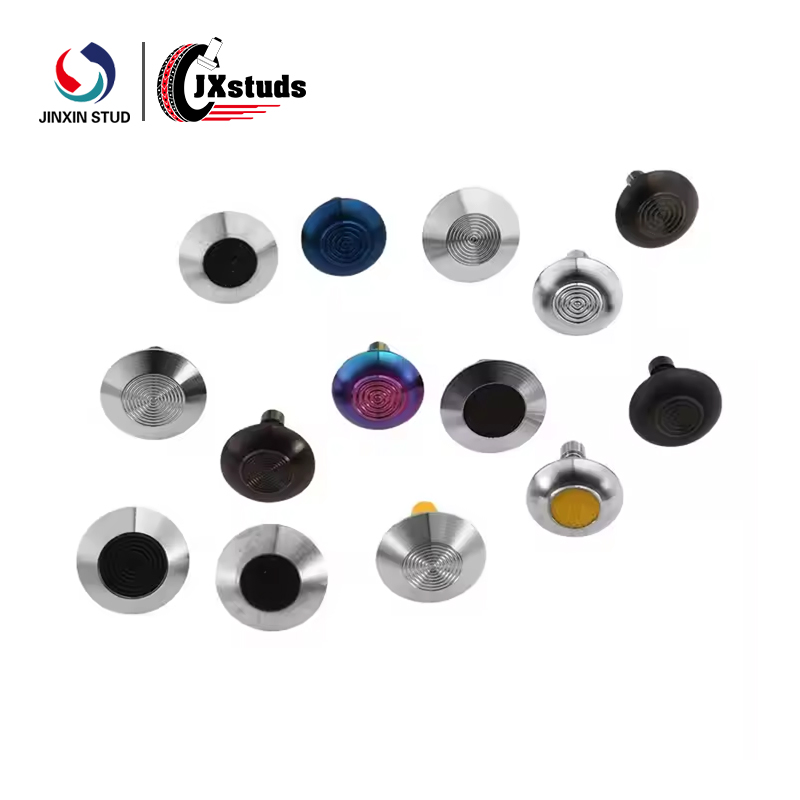
Our tactile studs are available in four distinct material families, each engineered for specific performance requirements and budget considerations:
1. Tungsten Carbide (WC) – Maximum Wear & Corrosion Resistance
Tungsten carbide represents the pinnacle of abrasion resistance for tactile applications. With hardness approaching 8.5–9.0 on the Mohs scale (comparable to corundum) and exceptional compressive strength, tungsten carbide studs maintain their dome profile and slip-resistant surface texture even under decades of heavy pedestrian and light vehicle traffic. The material exhibits virtually no corrosion in saltwater, de-icing chemicals, or industrial atmospheric conditions.
Hardness: 1300–1800 HV
Abrasion Resistance: Exceptional; ideal for airports, transit hubs, and coastal installations
Corrosion Resistance: Superior; unaffected by chlorides, acids, or alkaline environments
Lifecycle Expectancy: 20+ years with minimal degradation
Consideration: Premium cost position; best suited for critical infrastructure where replacement disruption is unacceptable
2. Metal Ceramic (Cermet) – High Performance, Optimized Cost
Through advanced powder metallurgy, we have successfully developed a metal ceramic (cermet) composition that bridges the performance gap between conventional materials and tungsten carbide. Cermet combines ceramic hardness with metallic toughness, delivering wear resistance approaching that of tungsten carbide at a substantially reduced material cost. The powder metallurgy process enables precise control over microstructure, resulting in consistent mechanical properties across high-volume production runs.
Hardness: 800–1200 HV
Abrasion Resistance: Excellent; suitable for most high-traffic urban applications
Corrosion Resistance: Very good; resistant to road salts and typical environmental exposure
Manufacturing: Powder metallurgy enables efficient, repeatable mass production
Value Proposition: Exceptional price-to-performance ratio for municipal and infrastructure projects
3. Sintered Alloy – Engineered Toughness, Economical Scale
Our proprietary sintered alloy formulation represents a further refinement of powder metallurgy technology. By carefully selecting metallic powders and optimizing sintering parameters, we achieve a material that combines good wear resistance with superior impact toughness. This alloy is particularly well-suited for applications where occasional wheel impact or freeze-thaw cycling demands durability beyond standard stainless steel, yet project budgets cannot accommodate premium materials.
Hardness: 500–800 HV
Abrasion Resistance: Good to very good
Corrosion Resistance: Good; suitable for most temperate and urban environments
Manufacturing: Fully optimized for high-volume powder metallurgy production
Value Proposition: Ideal for large-scale infrastructure projects requiring consistent quality with controlled costs
4. Stainless Steel (304 / 316) – Economical Entry, Predictable Maintenance
Stainless steel remains a widely specified tactile stud material due to its familiar properties, widespread availability, and lower upfront cost. Our stainless steel studs are available in 304 grade for general indoor and mild outdoor applications, and 316 marine-grade for coastal or chemically aggressive environments. While stainless steel offers adequate performance for many standard installations, it is important to note that subsequent maintenance costs—including replacement due to wear, corrosion pitting, or loss of slip-resistant texture—tend to be higher over the lifecycle compared to advanced materials.
Hardness: 200–300 HV
Abrasion Resistance: Moderate; texture may wear smooth over time in high-traffic areas
Corrosion Resistance: Good (304) to Very Good (316)
Lifecycle Expectancy: 5–10 years depending on traffic and environment
Consideration: Lower initial investment; higher long-term maintenance and replacement frequency
Powder Metallurgy Advantage: Scalable Production, Consistent Quality
For our metal ceramic and sintered alloy product lines, we utilize advanced powder metallurgy (PM) manufacturing. This process offers distinct advantages over traditional casting or machining:
Near-Net-Shape Forming: Minimal material waste, reduced secondary operations
Microstructural Consistency: Homogeneous material properties throughout each stud
High-Volume Efficiency: Capable of producing tens of thousands of units with repeatable geometry and performance
Cost Control: Economies of scale enable competitive pricing without compromising quality
Real-World Validation
Our tactile studs have been deployed across multiple infrastructure projects, earning positive feedback from contractors, municipal engineers, and facility managers. Key observations include:
Tungsten carbide studs in subway station platforms showing no measurable wear after 8 years of continuous service
Metal ceramic studs installed at coastal pedestrian crossings maintaining slip resistance without corrosion after 5 years
Sintered alloy studs selected for a 40-kilometer urban wayfinding project, delivering consistent quality across 15,000+ units
Stainless steel studs providing reliable service in covered transit shelters with straightforward replacement protocols when needed
| Parameter | Tungsten Carbide (WC) | Metal Ceramic (Cermet) | Sintered Alloy | Stainless Steel (316) |
|---|---|---|---|---|
| Hardness (HV) | 1300 – 1800 | 800 – 1200 | 500 – 800 | 200 – 300 |
| Density (g/cm³) | 14.5 – 15.0 | 7.8 – 8.5 | 7.6 – 7.9 | 7.98 |
| Abrasion Resistance | ★★★★★ (Exceptional) | ★★★★☆ (Excellent) | ★★★☆☆ (Good-Very Good) | ★★☆☆☆ (Moderate) |
| Corrosion Resistance | ★★★★★ (Superior) | ★★★★☆ (Very Good) | ★★★☆☆ (Good) | ★★★★☆ (Very Good) |
| Impact Toughness | Moderate | Good | Very Good | Good |
| Compressive Strength (MPa) | 4500 – 6000 | 1800 – 2500 | 1200 – 1600 | 450 – 600 |
| Operating Temperature | -50°C to +400°C | -40°C to +300°C | -40°C to +250°C | -40°C to +300°C |
| Manufacturing Process | Sintered Carbide | Powder Metallurgy | Powder Metallurgy | Investment Casting / Machined |
| Typical Lifecycle | 20+ years | 15–20 years | 10–15 years | 5–10 years |
| Relative Cost | Premium | Moderate-High | Moderate | Economical |
| Maintenance Frequency | Minimal | Low | Low-Moderate | Moderate-Higher |
| Ideal Applications | Airports, transit hubs, coastal, chemical plants | Urban streets, plazas, high-traffic crosswalks | Municipal projects, parks, educational campuses | Indoor, covered transit, temporary installations |
Dimensional Specifications (Standard Domed Profile)
| Specification | Value |
|---|---|
| Diameter | 25 mm, 30 mm, 35 mm (custom available) |
| Height (Dome) | 4 mm – 6 mm ± 0.2 mm |
| Base Type | Round, square, or countersunk flange |
| Mounting | Adhesive-set, cast-in-place, or mechanical anchor |
| Color / Finish | Natural (uncoated), black oxide, or custom coating |
| Packaging | 100, 500, 1000 units per carton |
Custom profiles, branding, and specialized mounting configurations available upon request.
Material Selection Matrix: Balancing Performance, Budget, and Lifecycle Cost
| Consideration | Recommended Material | Rationale |
|---|---|---|
| Maximum longevity, minimal replacement | Tungsten Carbide | Unmatched wear and corrosion resistance; ideal for critical infrastructure |
| High traffic + budget sensitivity | Metal Ceramic | Powder metallurgy delivers near-carbide performance at optimized cost |
| Large-scale municipal project | Sintered Alloy | Consistent quality, good durability, cost-effective mass production |
| Short-term or indoor installation | Stainless Steel (304) | Lower upfront investment; predictable replacement cycles |
| Coastal or chemically aggressive | Tungsten Carbide or 316 Stainless | Superior corrosion resistance; tungsten carbide offers longer lifecycle |
| Heavy wheel loads (service vehicles) | Tungsten Carbide or Sintered Alloy | Higher compressive strength for vehicular crossings |
Installation Methods
| Method | Description | Suitable Substrates |
|---|---|---|
| Adhesive-Set | Two-part epoxy or polyurethane adhesive | Concrete, asphalt, stone, metal |
| Cast-in-Place | Embedded during concrete or asphalt pour | New construction, full-depth replacement |
| Mechanical Anchor | Threaded insert with expansion anchor | Precast concrete, existing hard surfaces |
Maintenance Considerations
Tungsten Carbide / Metal Ceramic / Sintered Alloy: Routine cleaning only. Inspect for adhesive bond integrity every 3–5 years. No wear-related replacement expected within typical project lifecycle.
Stainless Steel: Monitor for surface wear of slip-resistant texture in high-traffic zones. Plan for periodic replacement of heavily trafficked studs. Check for crevice corrosion in coastal environments.
Compliance & Standards
Our tactile studs are designed to meet or exceed international accessibility standards:
ADA (Americans with Disabilities Act): Compliant detectable warning dome specifications
CSA B651 (Canada): Tactile walking surface indicators
DIN 32984 (Germany): Tactile paving requirements
AS 1428.4 (Australia): Tactile ground surface indicators
ISO 23599: Assistive products for blind and vision-impaired persons
Quality Assurance
| Test | Method | Criteria |
|---|---|---|
| Slip Resistance (Wet) | ASTM E303 / EN 15597 | ≥ 80 PTV |
| Abrasion Resistance | Taber Abraser / Custom wear test | ≤ 0.1 mm depth loss after 10,000 cycles (carbide/cermet) |
| Salt Spray | ASTM B117 | 500+ hours (stainless), 2,000+ hours (carbide/cermet) |
| Compressive Strength | Destructive test | Meets or exceeds AASHTO / local standards |
| Pull-Out Strength | Adhesive-set test | ≥ 2,500 N for 30 mm stud |