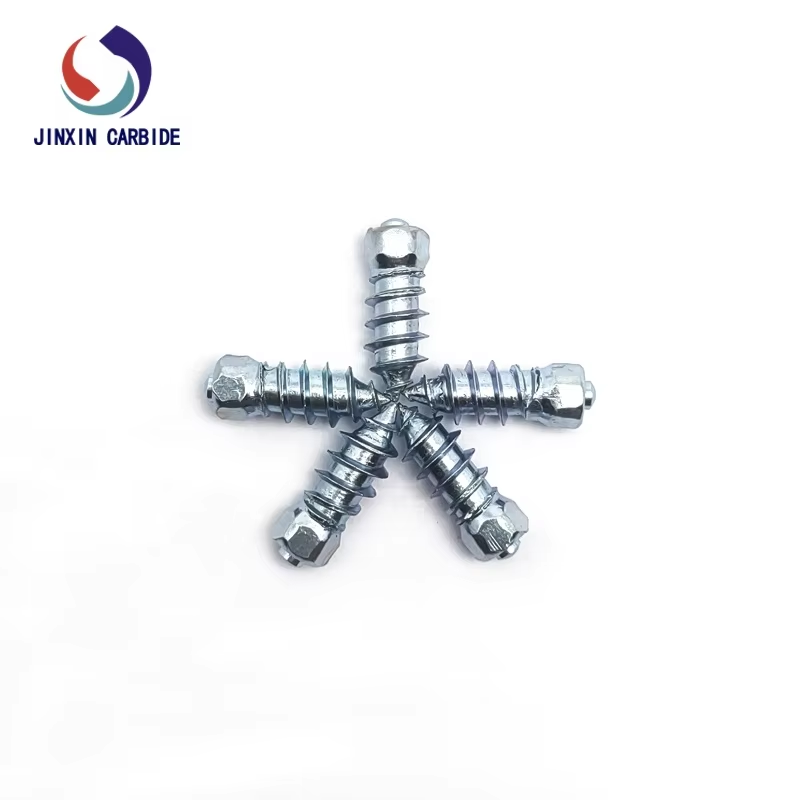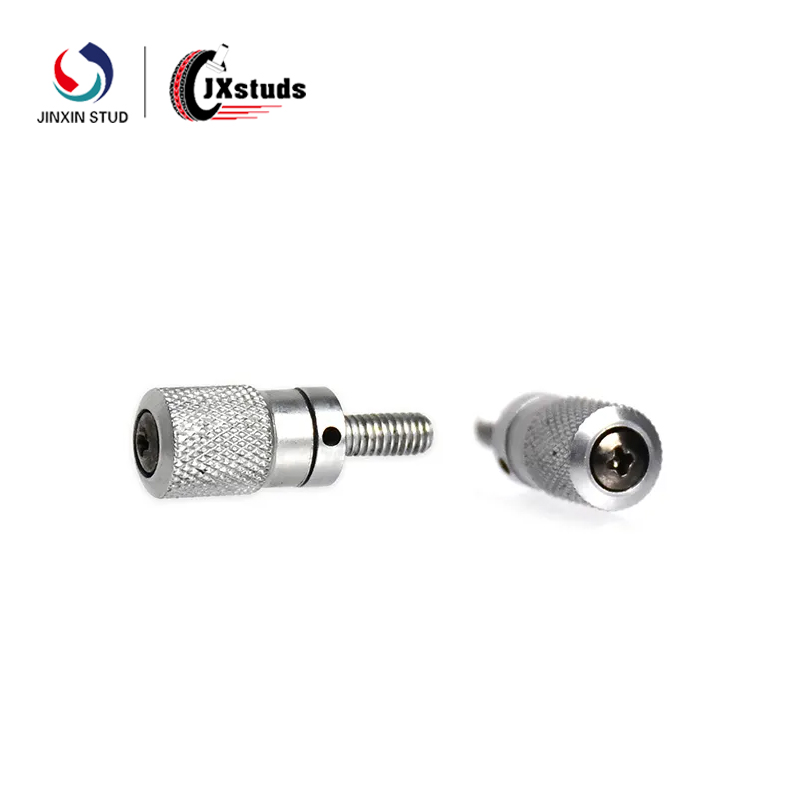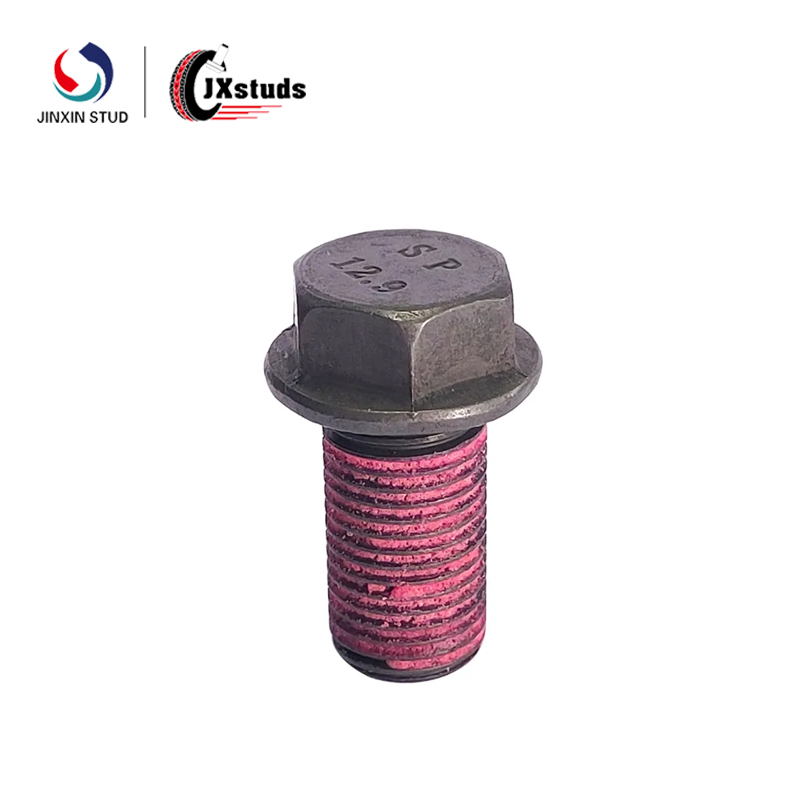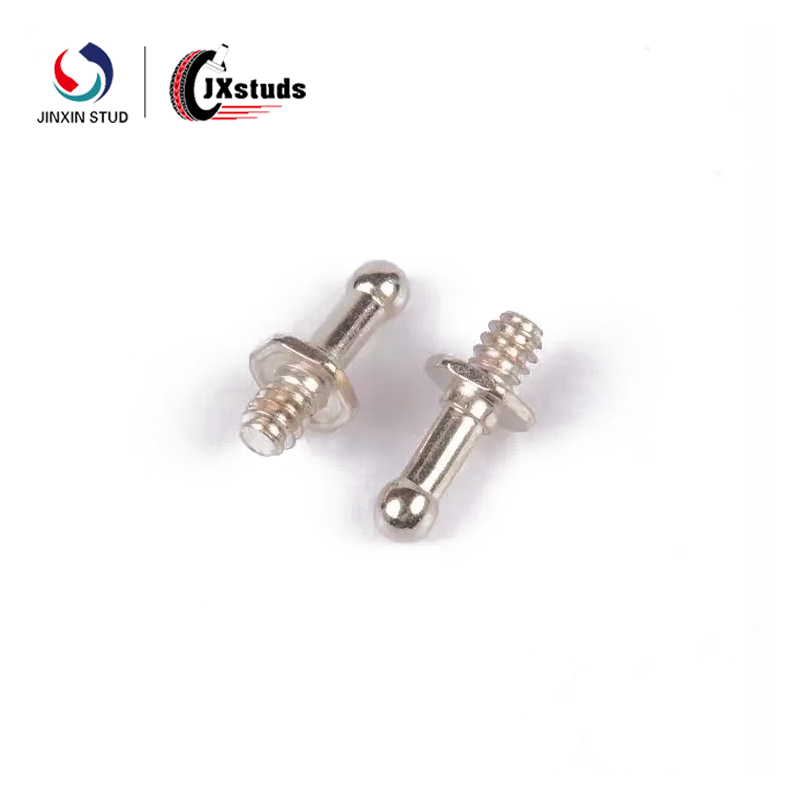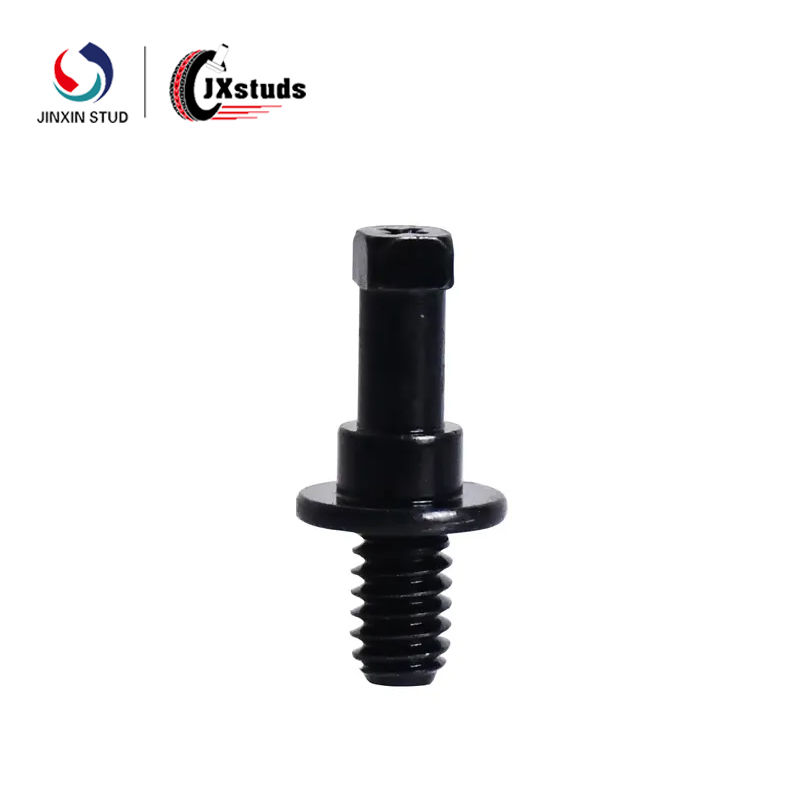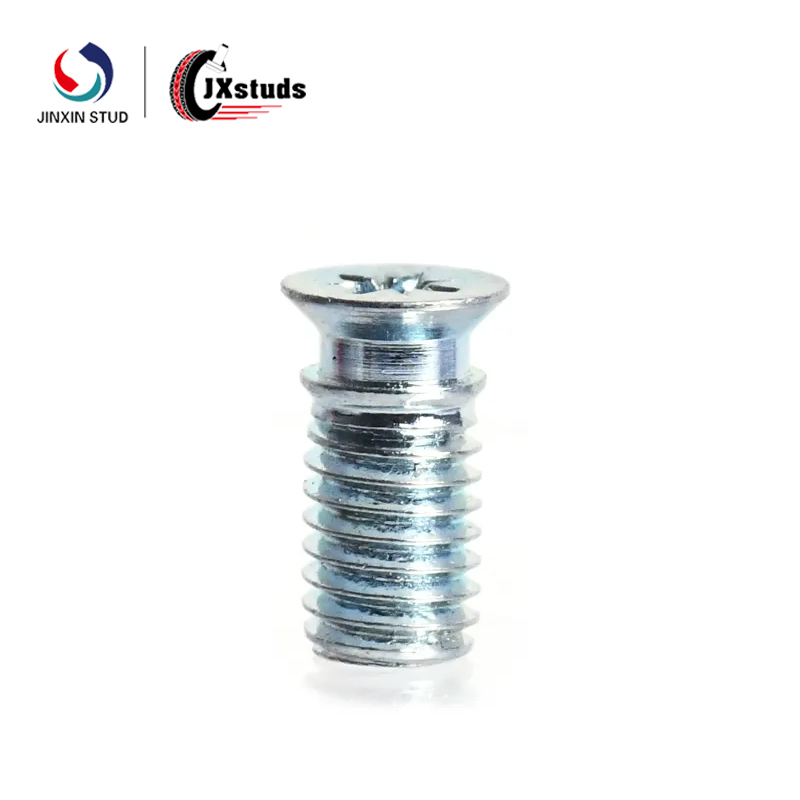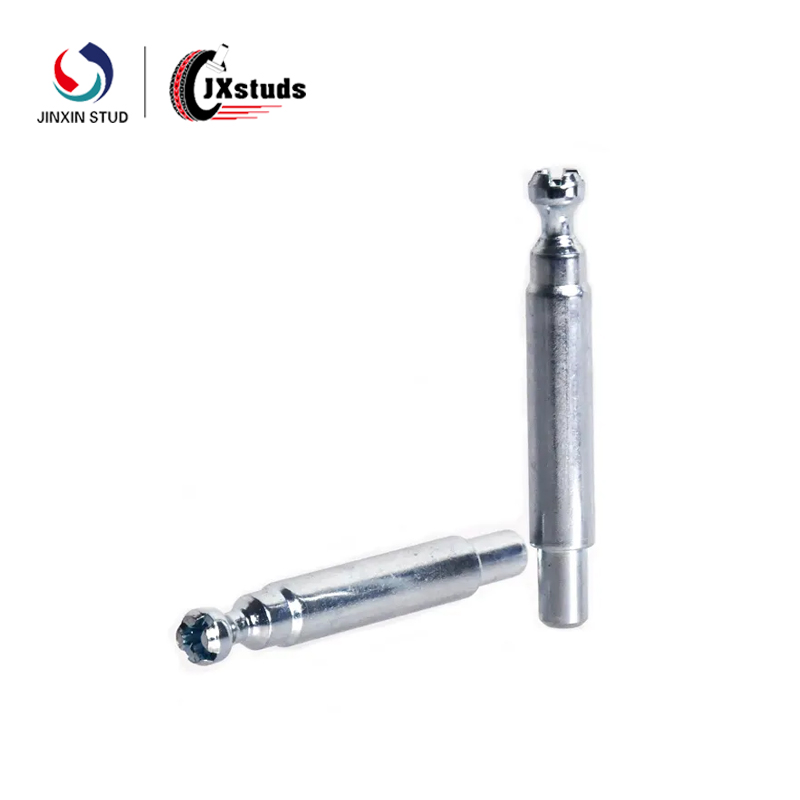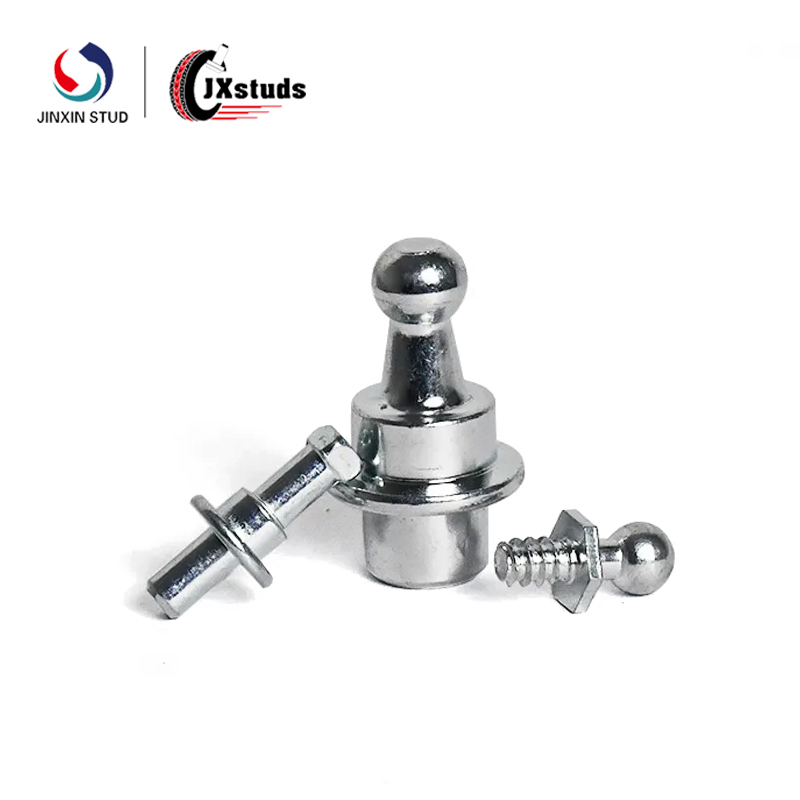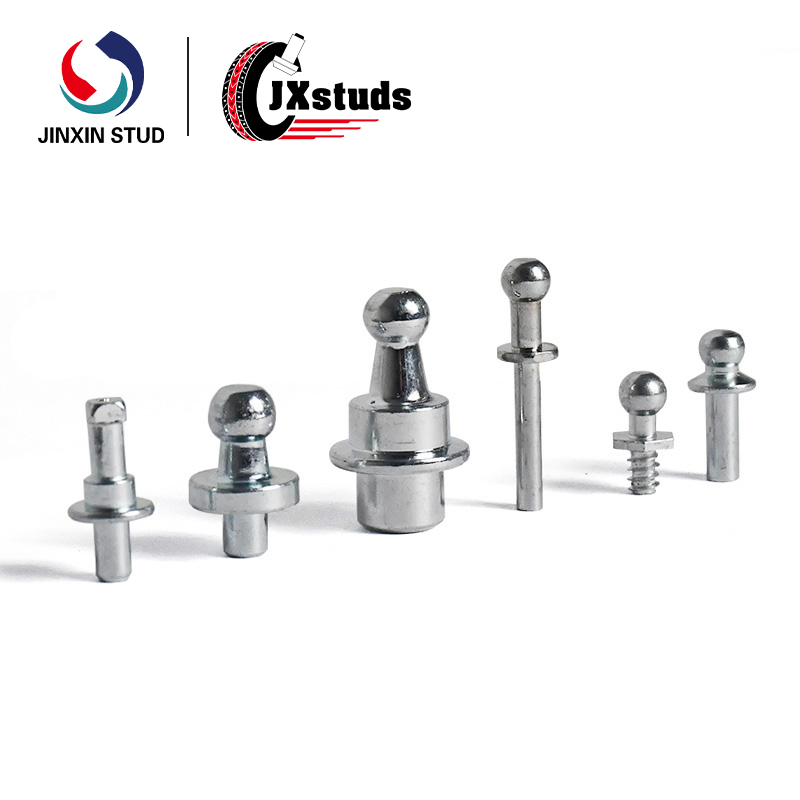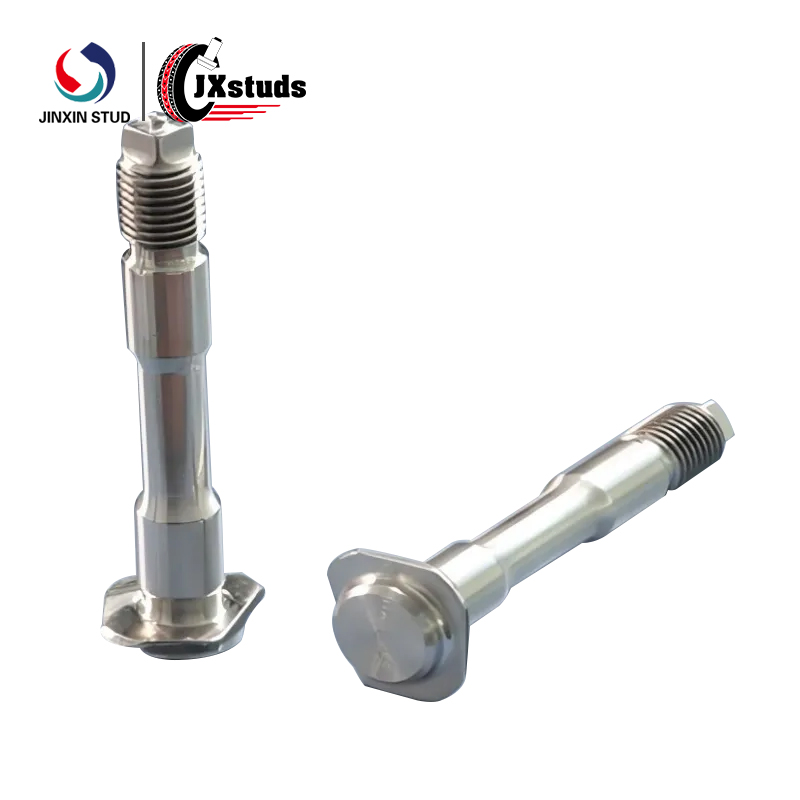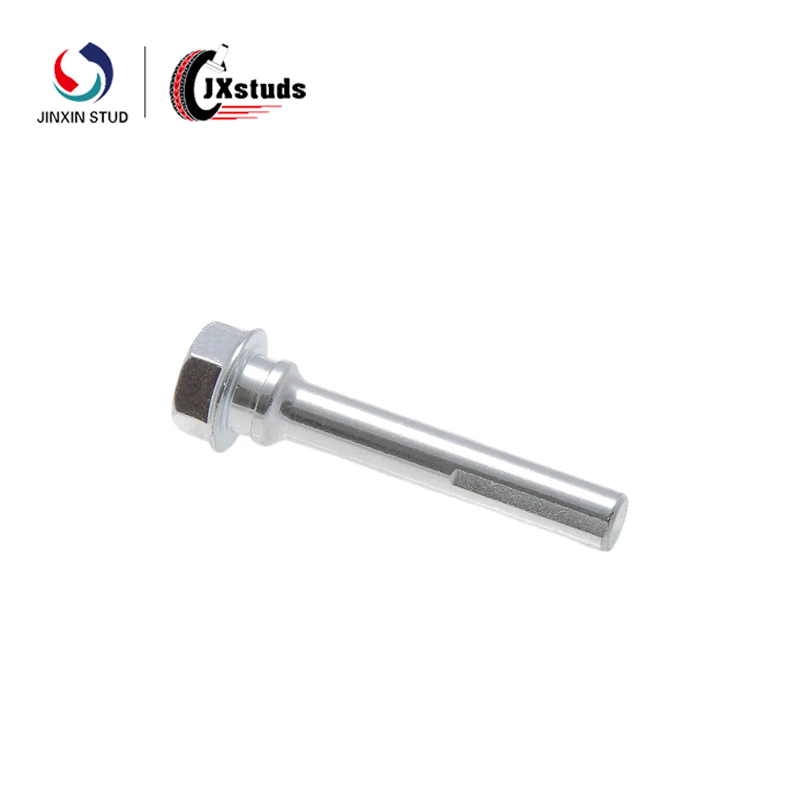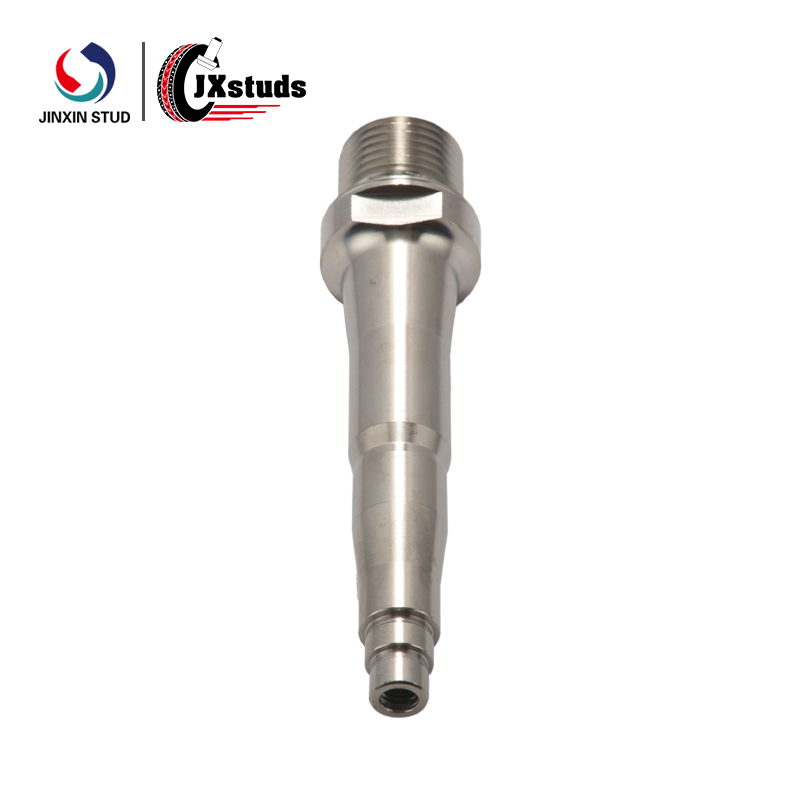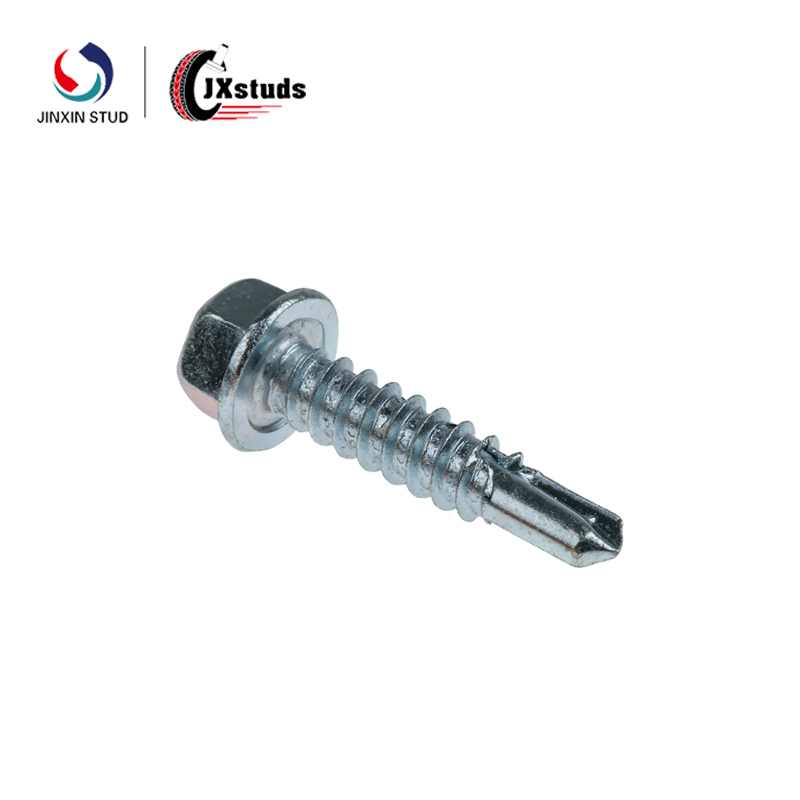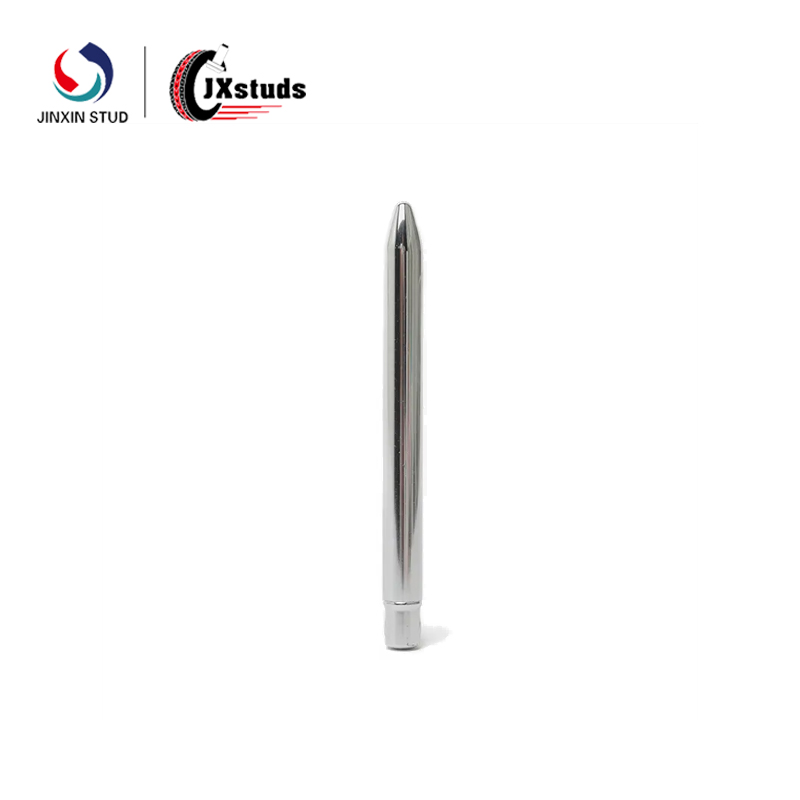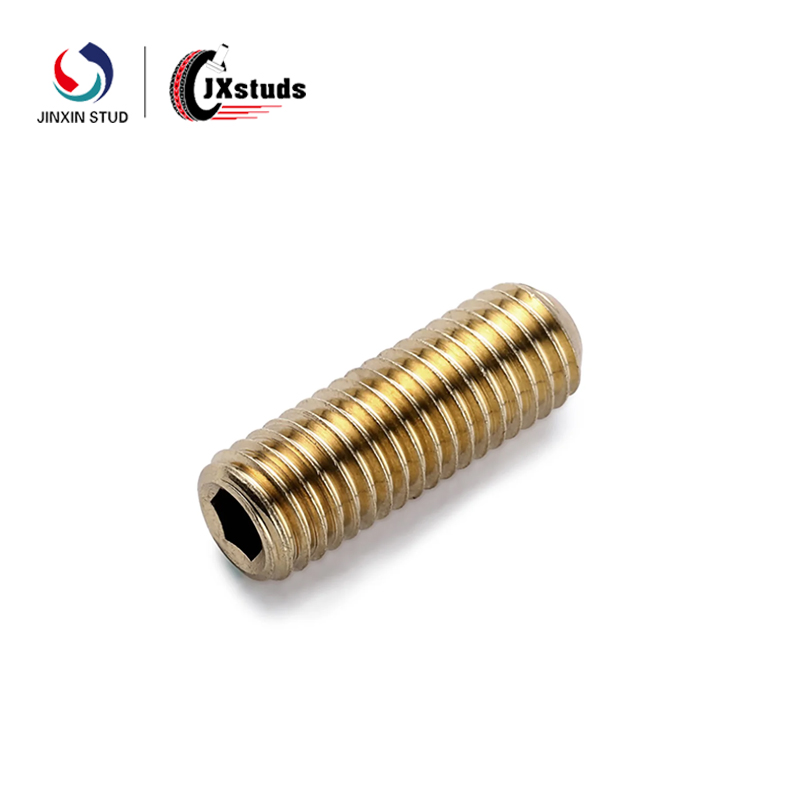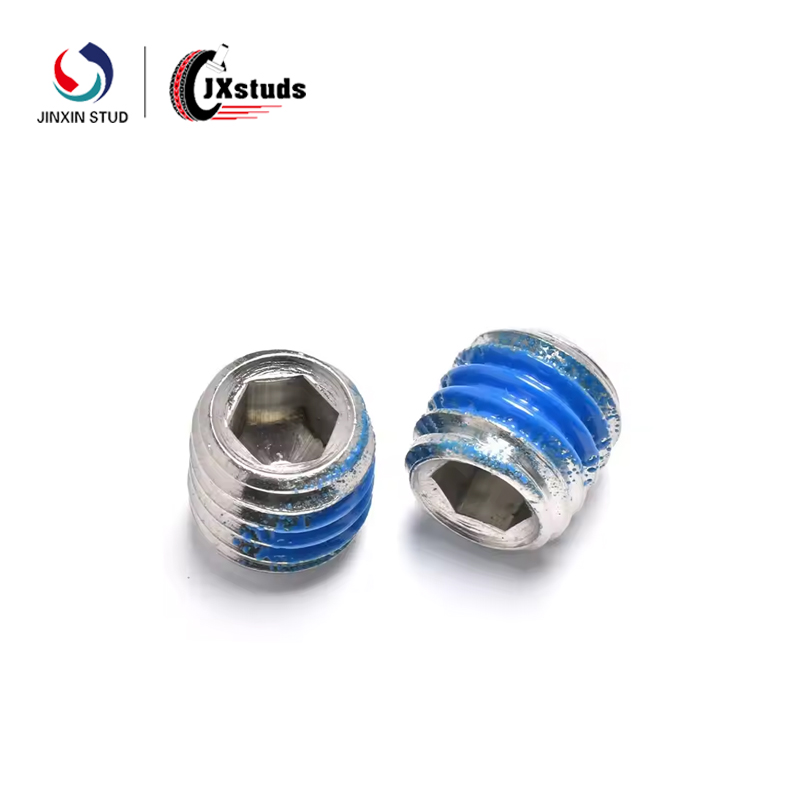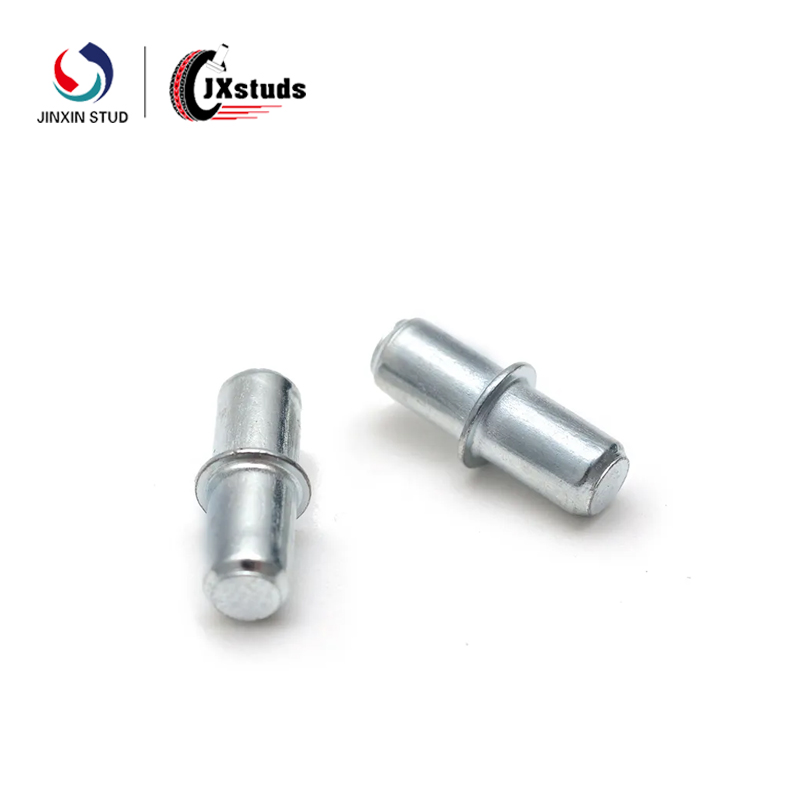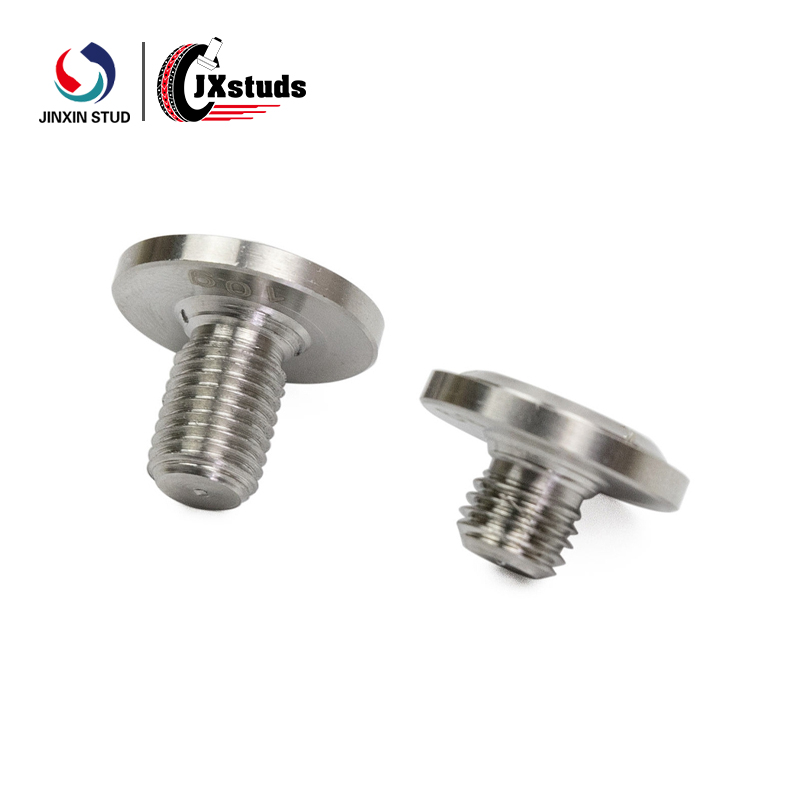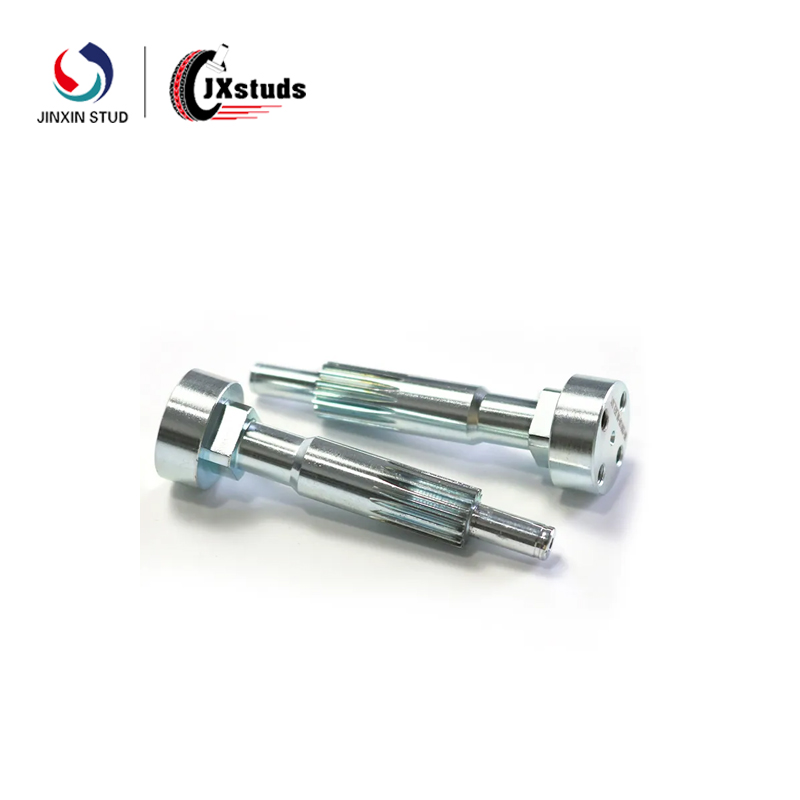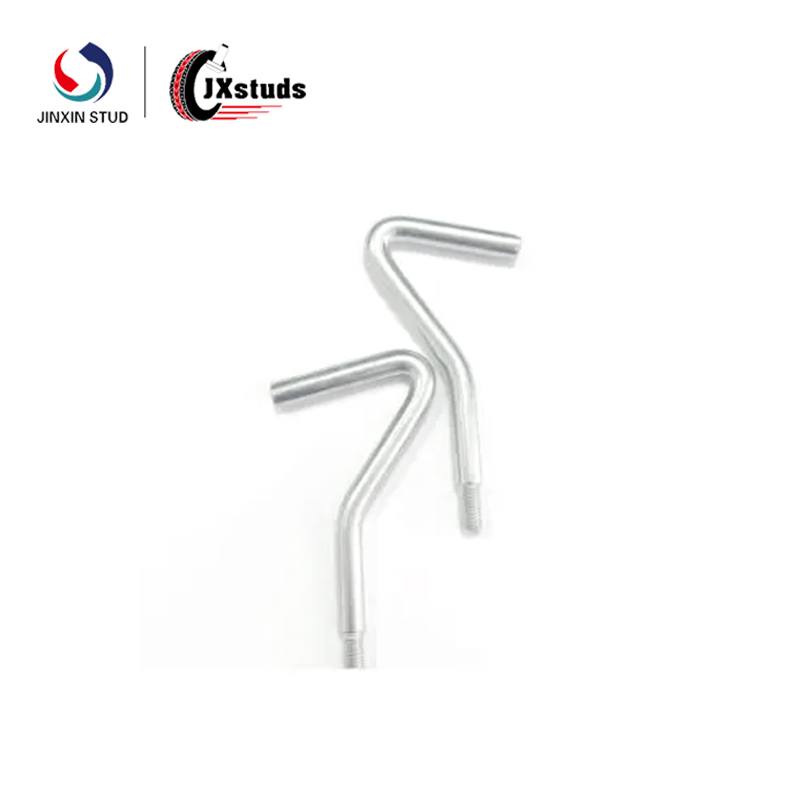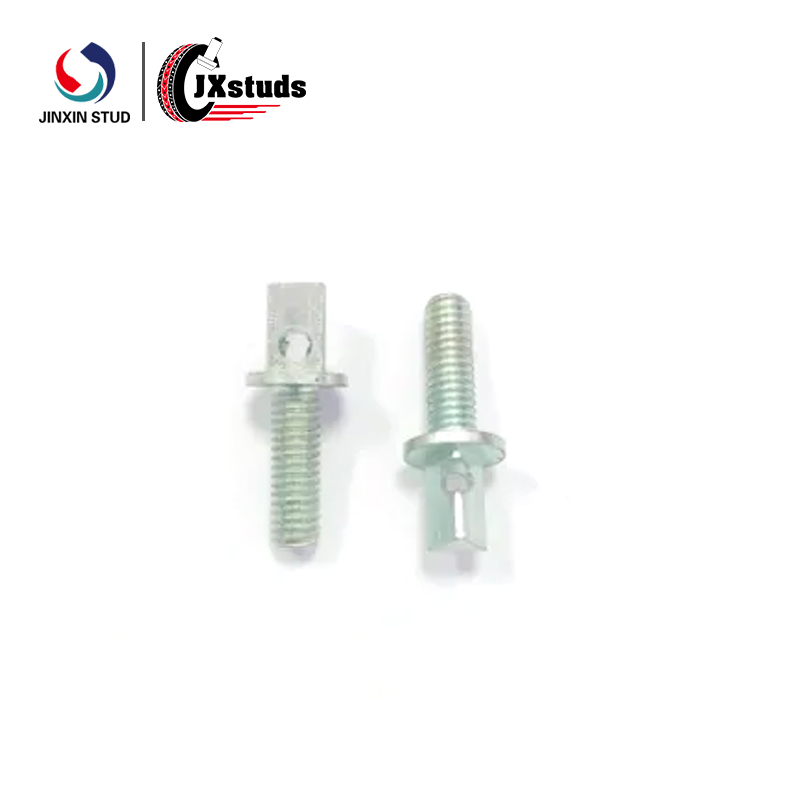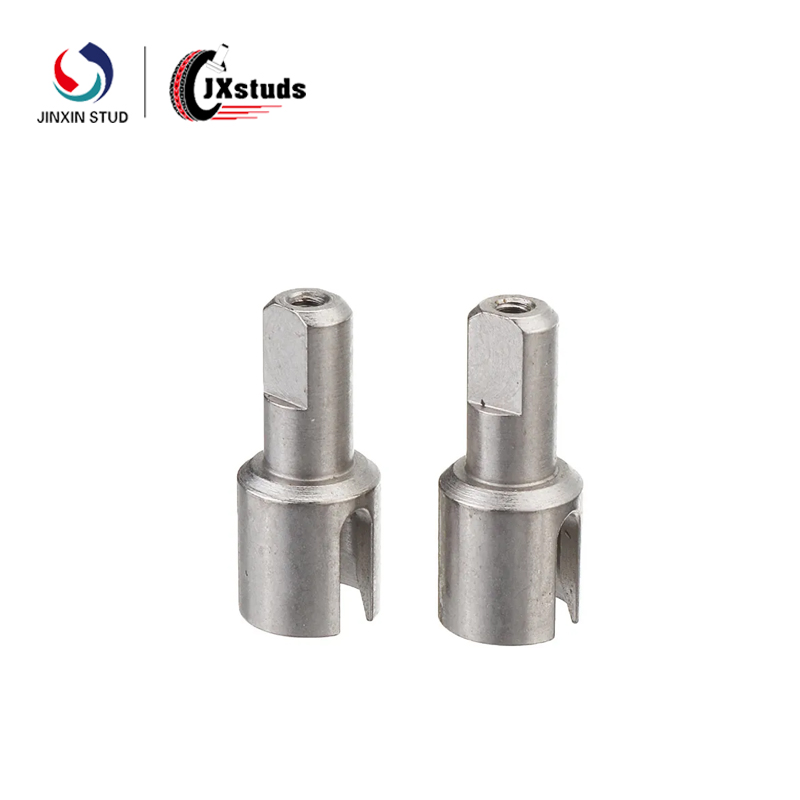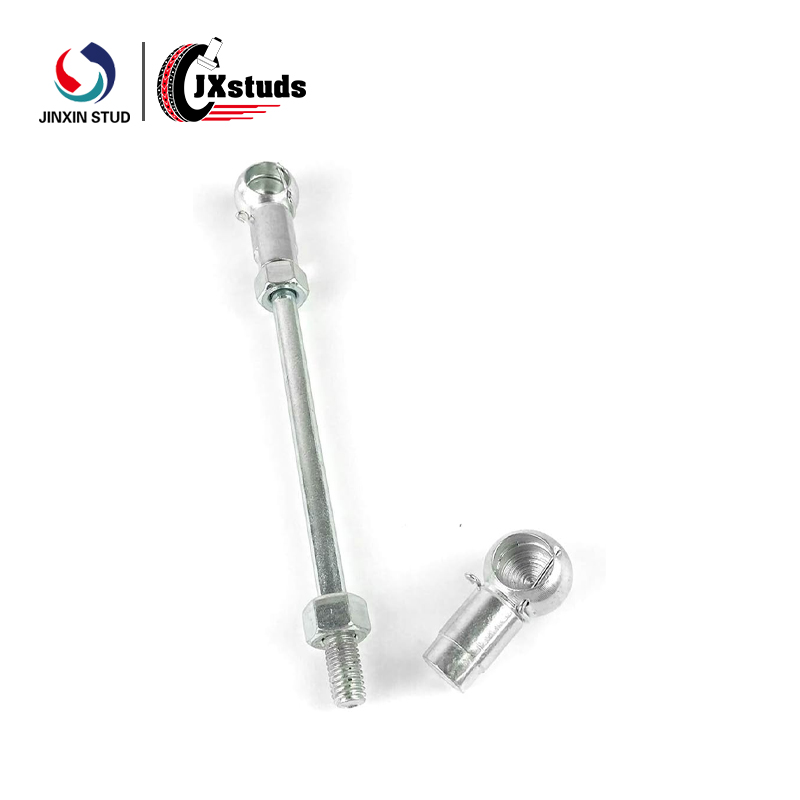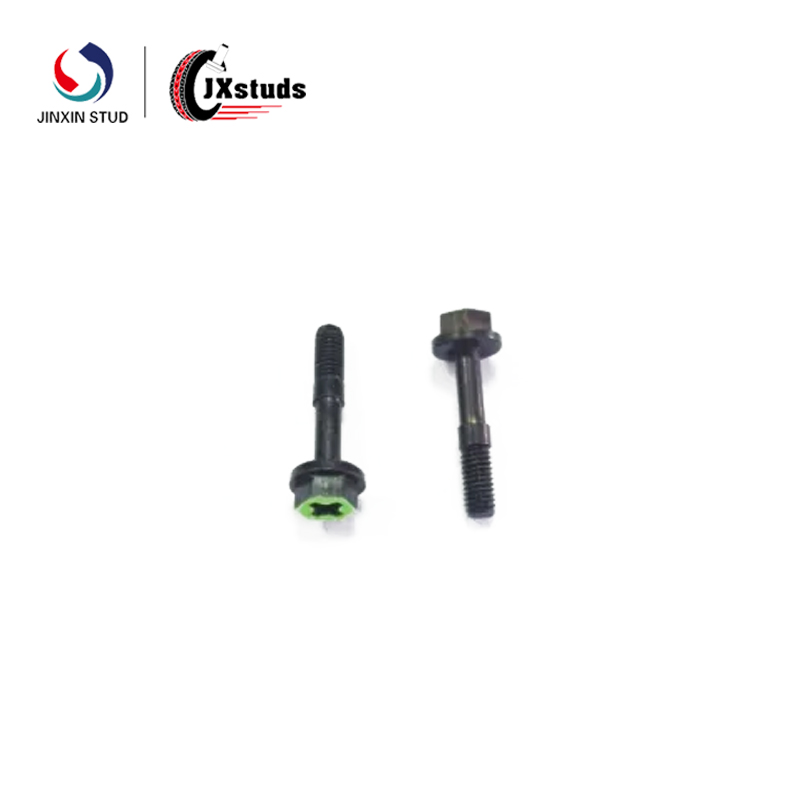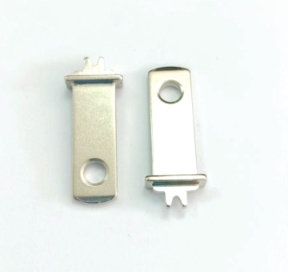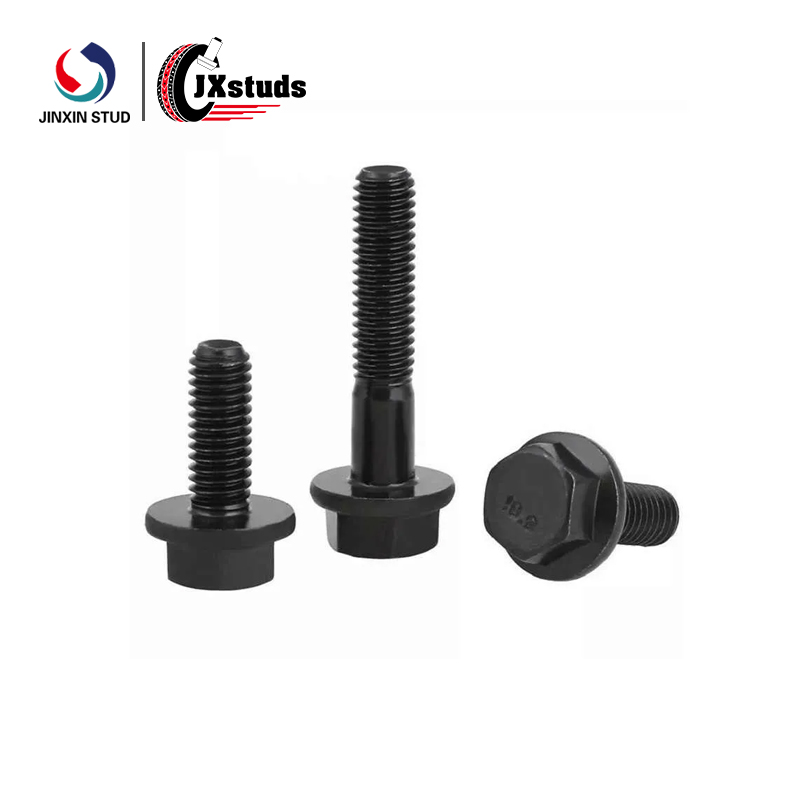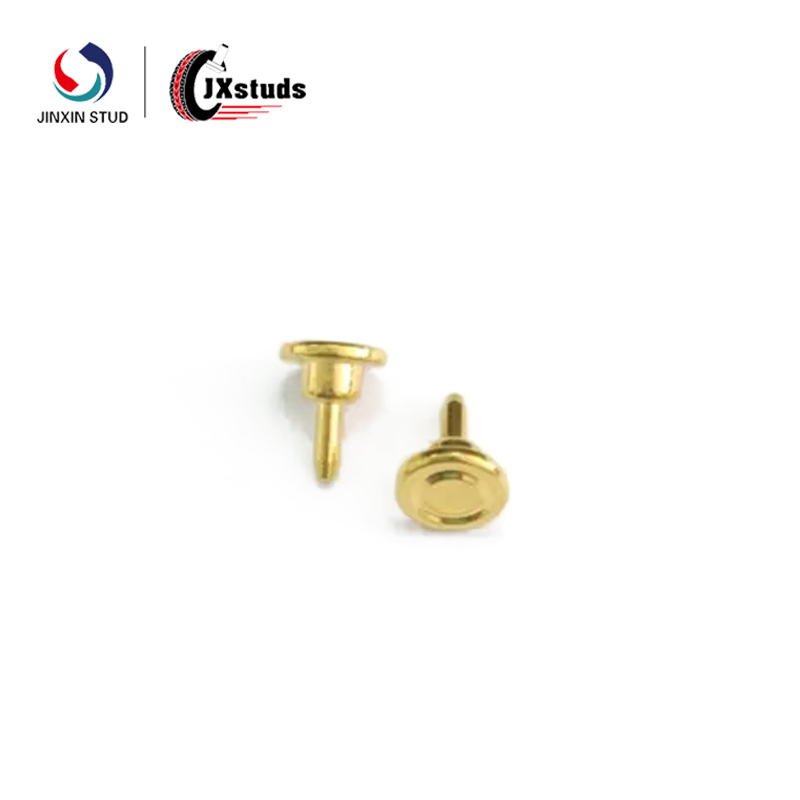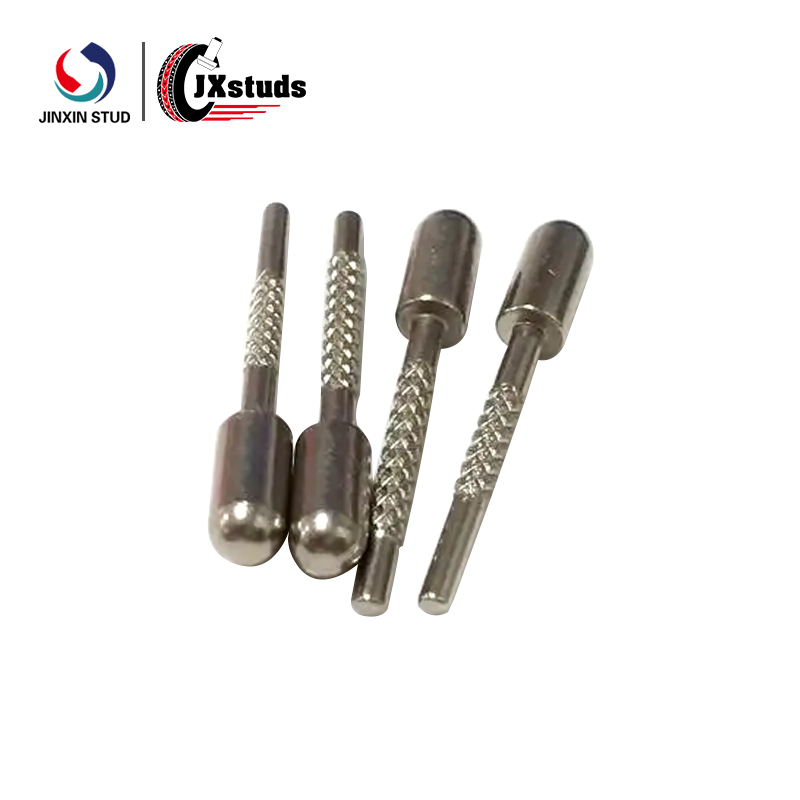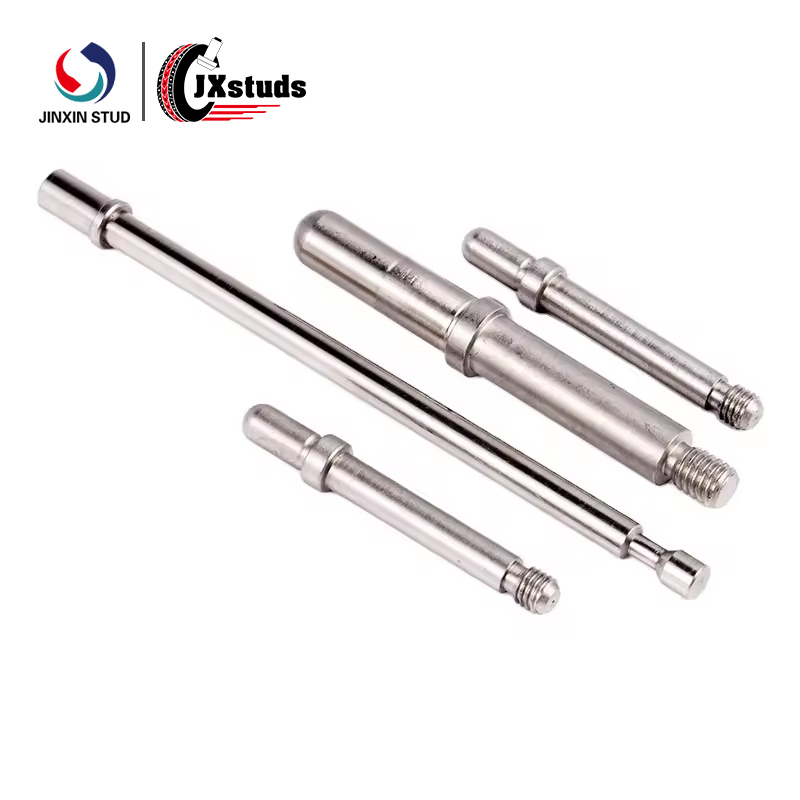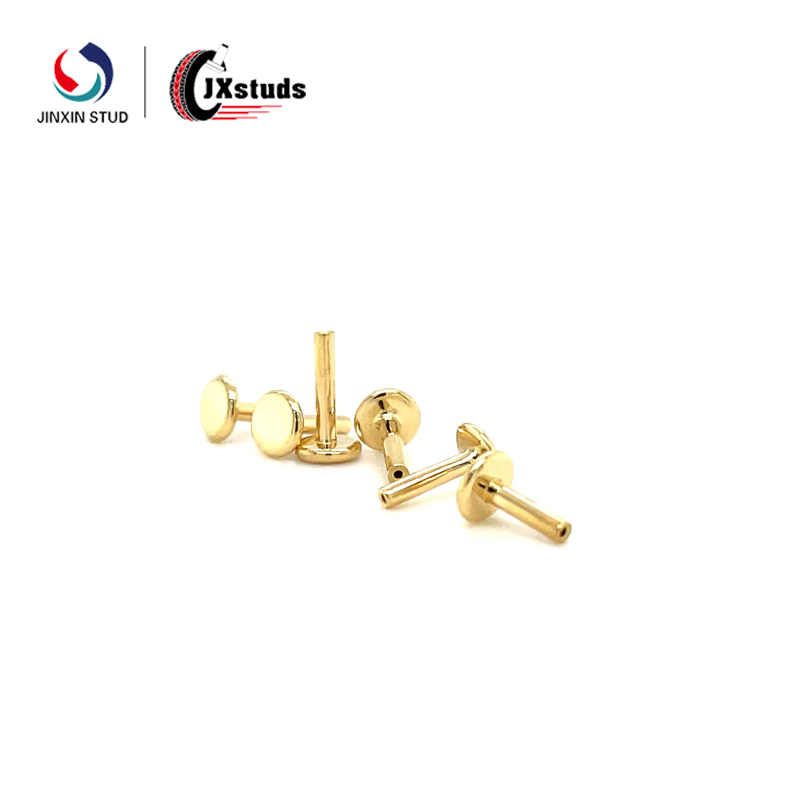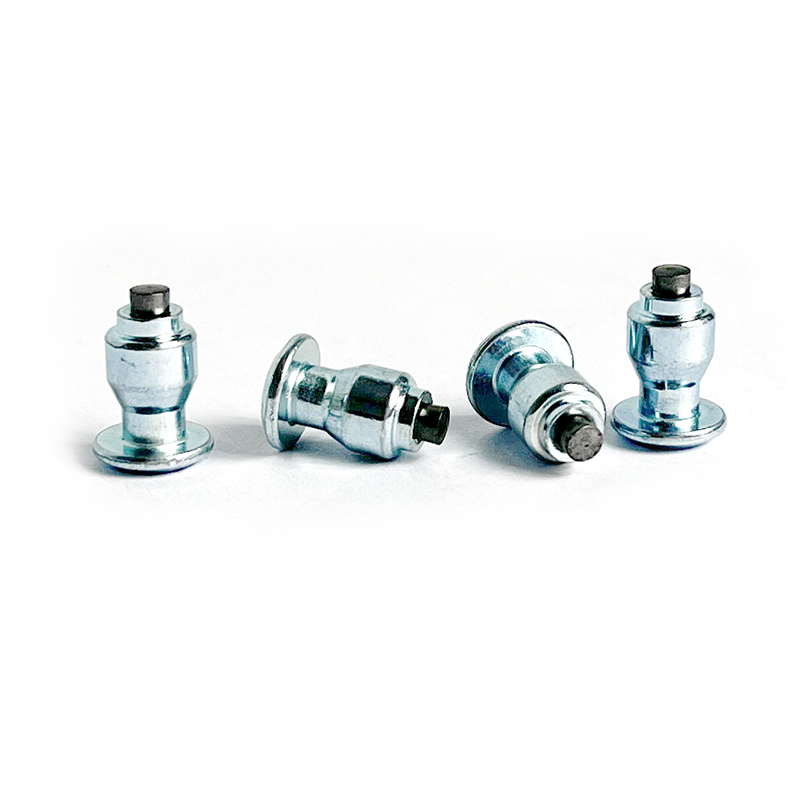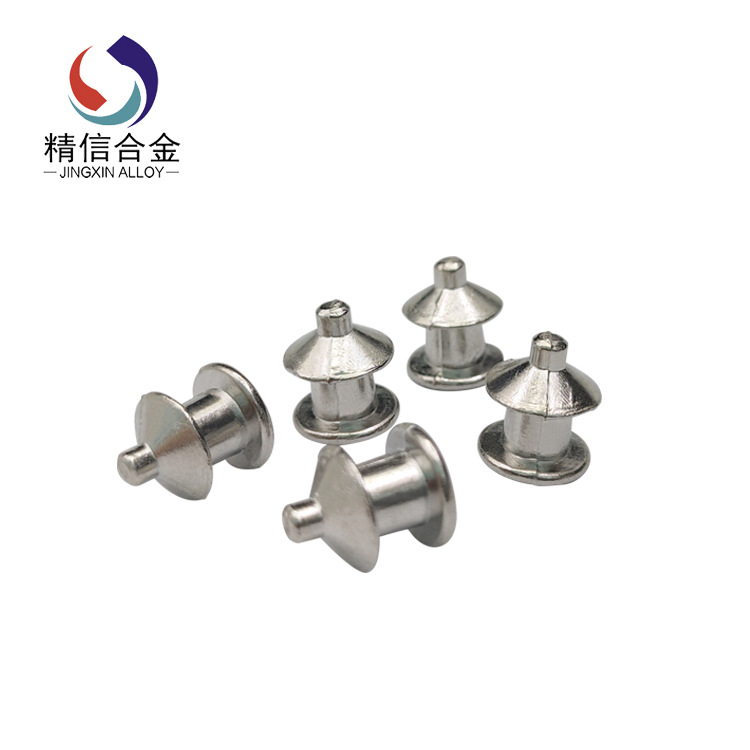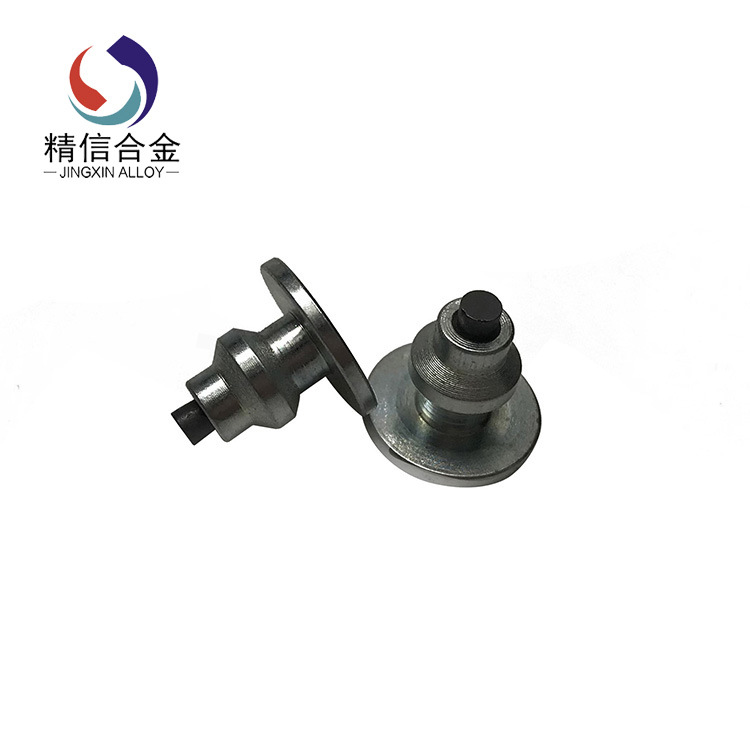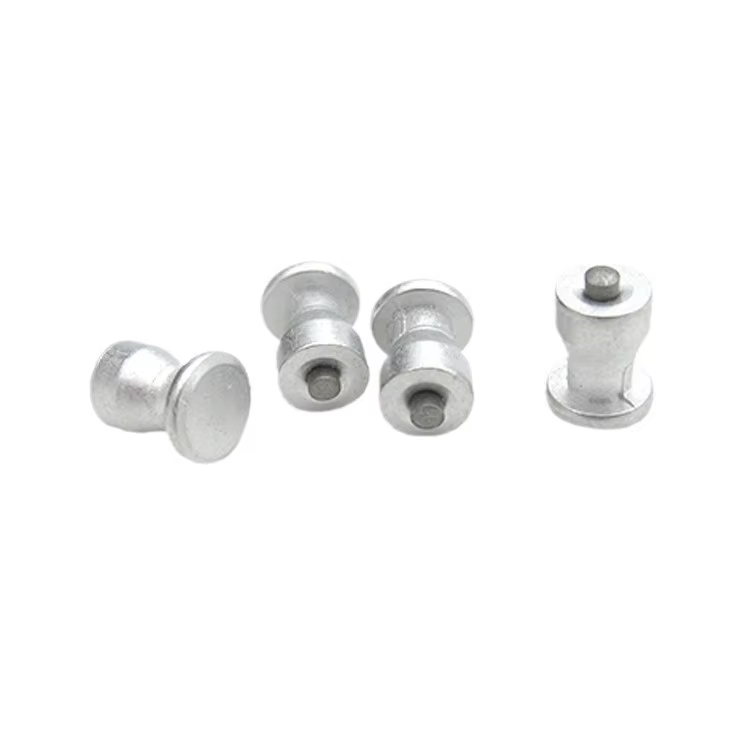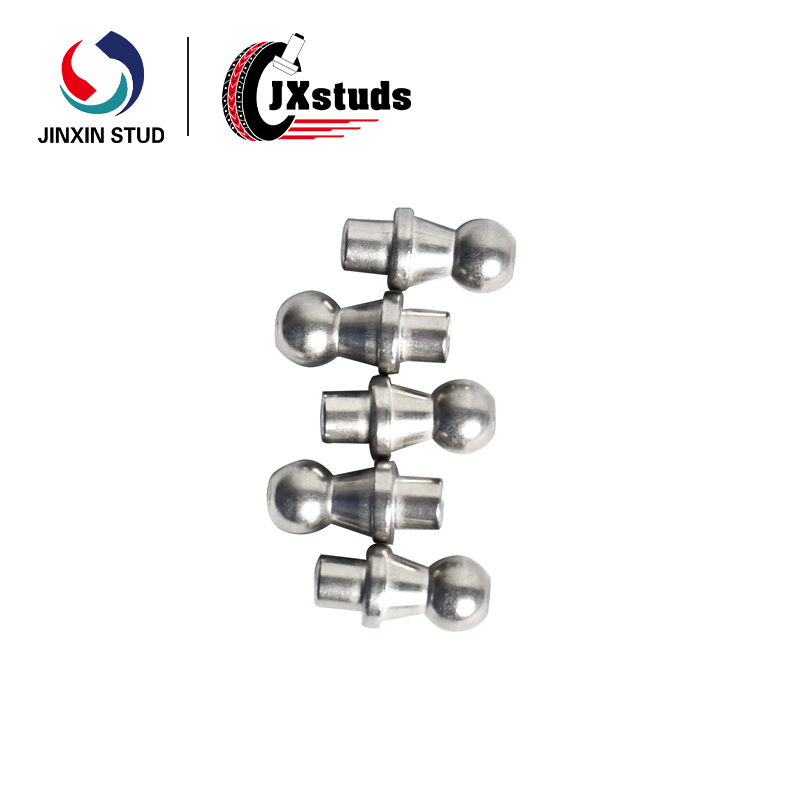
The Critical Role of Ball Studs in Automotive Systems
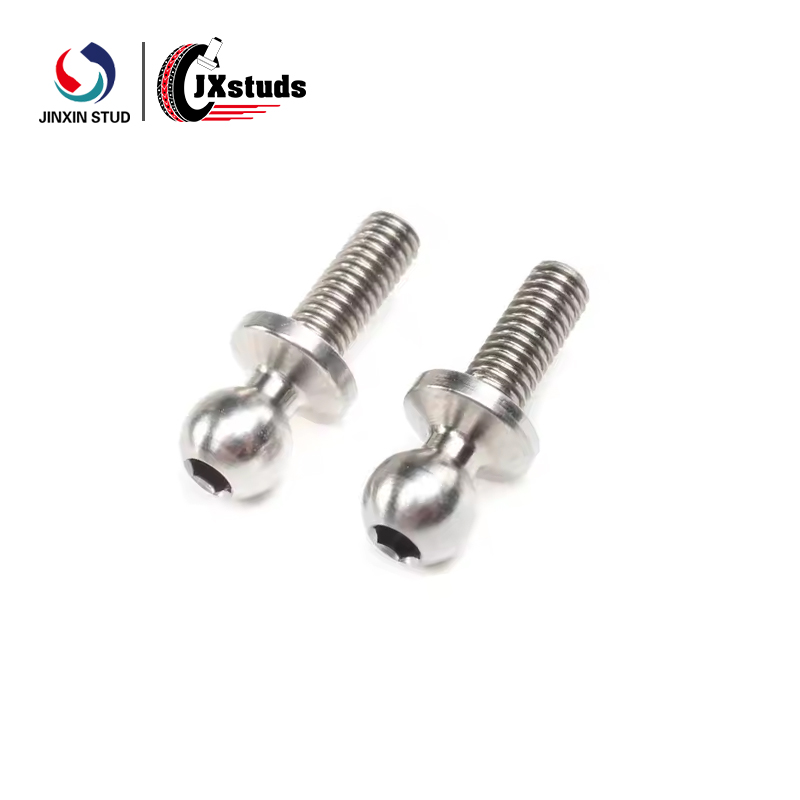
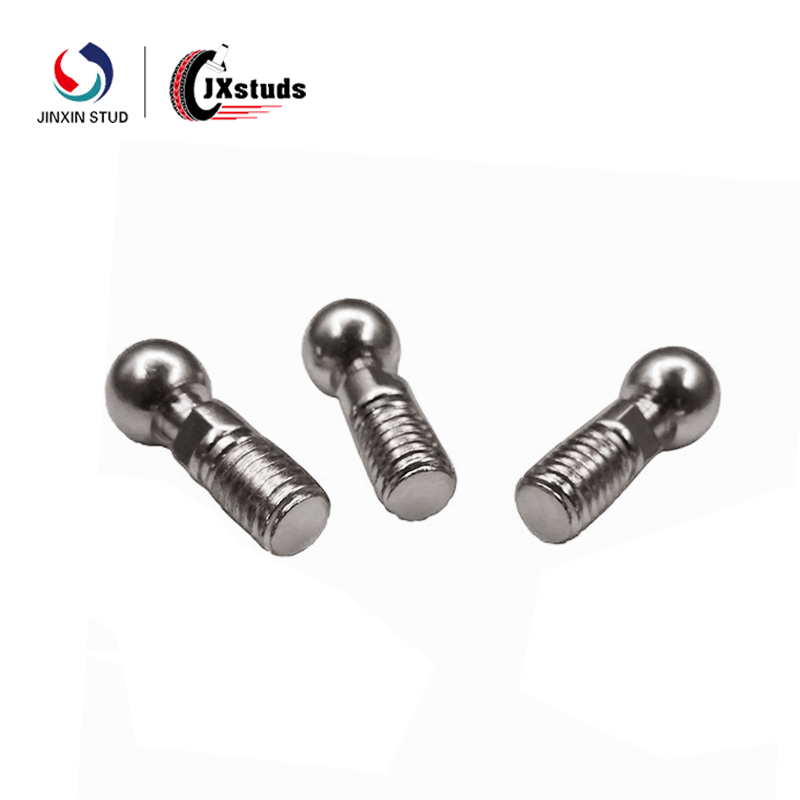
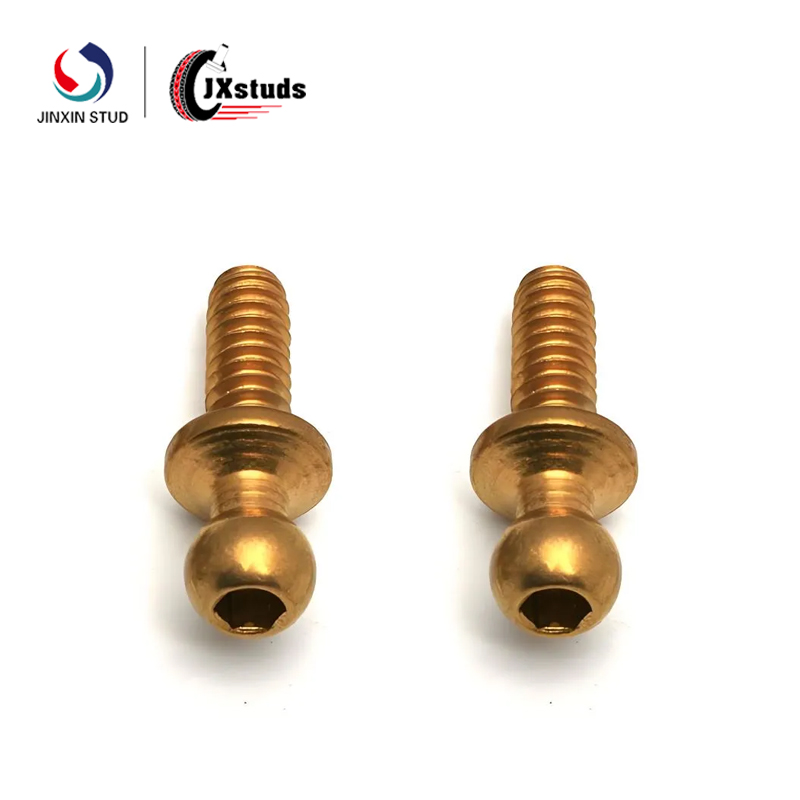
In automotive chassis architecture, ball studs serve as pivotal connection points where articulation meets load bearing. Unlike standard fasteners that provide only clamping force, ball studs must simultaneously:
Transmit axial and radial loads from suspension movement
Allow controlled spherical articulation for steering and wheel travel
Maintain preload and joint integrity through millions of cycles
Resist corrosion, fatigue, and environmental exposure over the vehicle lifespan
Found in applications ranging from suspension ball joints and stabilizer link connections to steering tie rod ends and shift linkage pivots, these components operate in one of the most demanding environments in automotive engineering. Our automotive ball studs are purpose-designed to excel in these conditions.
Automotive-Grade Engineering & Materials
We manufacture ball studs from premium materials selected for automotive chassis applications, where failure is not an option.
Material Grades:
| Material | Specification | Applications | Key Properties |
|---|---|---|---|
| Carbon Steel | SAE 1045 / 4140 / 4340, Grade 10.9 / 12.9 | Suspension arms, stabilizer links, steering components | High tensile strength, fatigue resistance, suitable for heat treatment |
| Alloy Steel | 40Cr, 42CrMo, SCM435 | Heavy-duty suspension, commercial vehicle chassis | Enhanced toughness, excellent hardenability |
| Stainless Steel | 304, 316, 17-4 PH | Corrosion-sensitive applications, under-vehicle exposed locations | Corrosion resistance, good strength-to-weight ratio |
Heat Treatment & Induction Hardening
To achieve the optimal balance of core toughness and surface wear resistance, our ball studs undergo specialized thermal processing:
Core Hardening: Through-hardening to achieve 32–42 HRC for structural strength
Induction Hardening: Localized hardening of the spherical ball surface to 55–62 HRC, creating a wear-resistant articulation surface while maintaining ductility in the shank and thread regions
Case Depth: 0.8–2.0 mm, ensuring wear resistance through the expected service life
This combination ensures that the ball surface withstands repetitive articulation against mating sockets without premature wear, while the threaded portion retains the ductility necessary to maintain clamp load under dynamic loading.
High Stability Design: Geometry for Performance
The term high stability ball screw for auto reflects our commitment to geometric precision that directly impacts suspension performance. Key design parameters include:
| Parameter | Specification | Stability Impact |
|---|---|---|
| Spherical Diameter Tolerance | ±0.03 mm | Ensures consistent articulation torque and eliminates play |
| Concentricity (Ball to Thread Axis) | ≤ 0.08 mm | Prevents eccentric loading that accelerates wear |
| Spherical Surface Roughness | Ra ≤ 0.4 μm | Minimizes friction and articulation resistance |
| Thread Class | 6g (external), precision rolled | Maintains preload consistency under vibration |
| Shoulder Runout | ≤ 0.05 mm | Ensures proper seating against mating components |
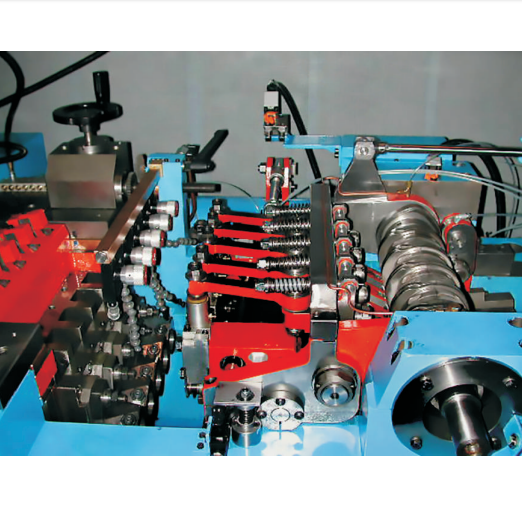
These tolerances are maintained through precision CNC machining and cold heading processes, with verification via coordinate measuring machines (CMM) and optical comparators throughout production.
Automotive Suspension Ball Stud: Application-Specific Design
The automotive suspension ball stud configuration demands specific design considerations beyond standard ball head fasteners:
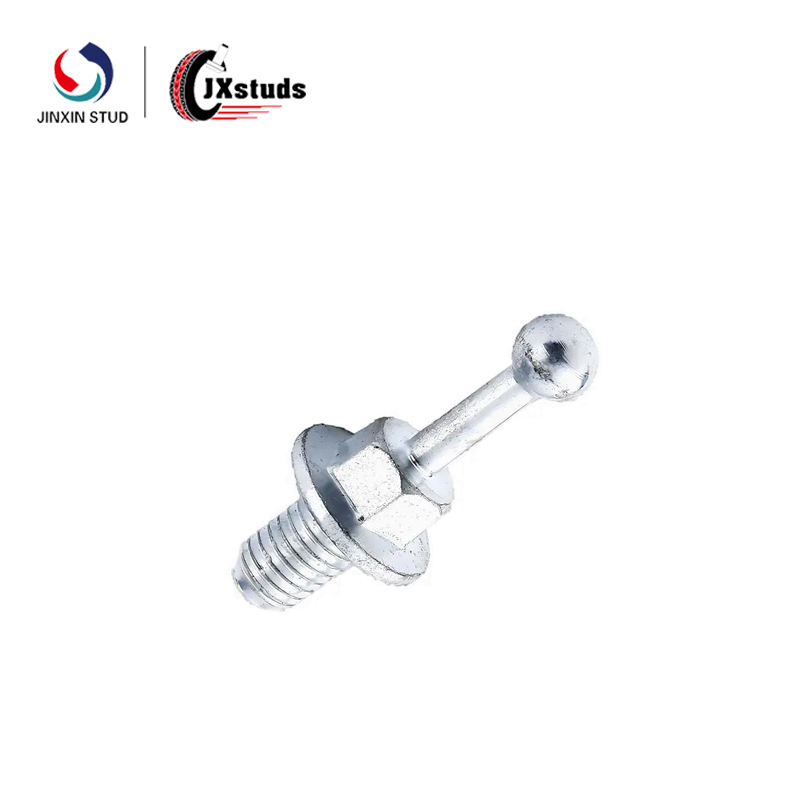
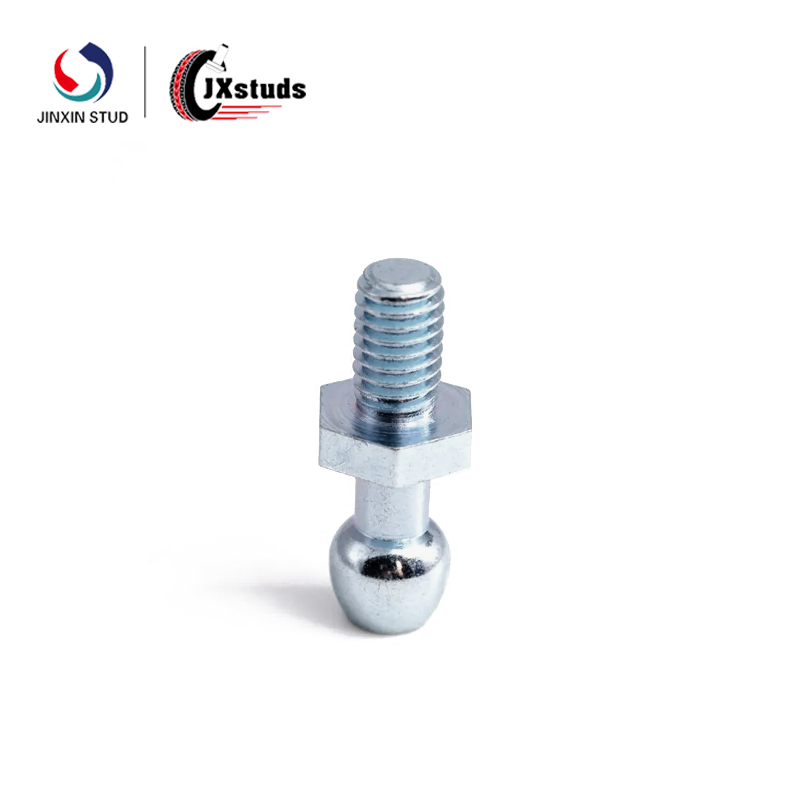
Tapered Shank Options: Many suspension applications utilize tapered shanks that seat into tapered arms, providing self-centering and improved load distribution
Integral Stud Flange: Designed to provide positive stop and consistent installation depth
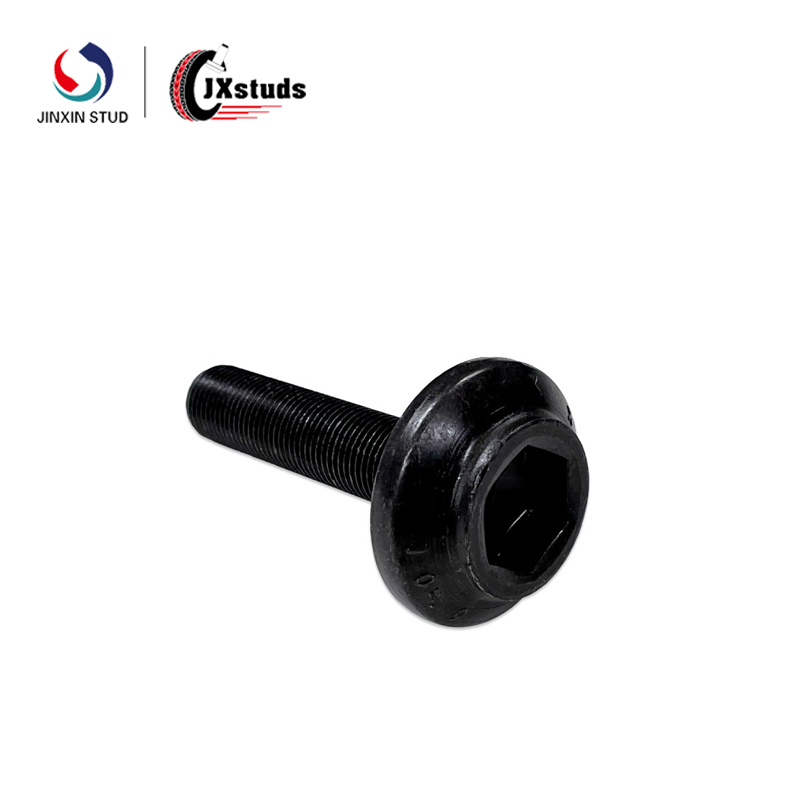
Anti-Rotation Features: Hex or splined sections to facilitate torquing and prevent rotation during assembly
Grease Groove Provision: Optional lubrication channels for serviceable ball joint applications
Validation Testing: Proven Under Extreme Conditions
Every automotive ball stud design undergoes comprehensive validation testing to ensure performance under real-world operating conditions:
| Test | Method | Acceptance Criteria |
|---|---|---|
| Tensile Strength | ASTM E8 / ISO 6892 | ≥ 1000 MPa (Grade 10.9) |
| Proof Load | SAE J121 / ISO 898-1 | No permanent set at 90% of yield |
| Fatigue Life | SAE J949 / Custom axial/radial cycling | 2,000,000+ cycles without failure |
| Articulation Torque | Dynamic torque measurement | Consistent torque ±20% through service life simulation |
| Corrosion Resistance | ASTM B117 Salt Spray | 500+ hours (zinc-nickel), 200+ hours (geomet) |
| Environmental Cycling | -40°C to +120°C thermal cycling | No loss of preload, no dimensional change |
| Vibration Resistance | Junker vibration test (DIN 65151) | Residual clamp load ≥ 85% after 50,000 cycles |
Automotive Grade Ball Pin: Complete Traceability
As an automotive grade ball pin, our product is manufactured under quality systems that meet the stringent requirements of the automotive industry:
IATF 16949: Automotive quality management certification
Production Part Approval Process (PPAP): Level 3 documentation available
Full Material Traceability: From raw material heat number to finished component
Control Plans: Documented process controls for every manufacturing step
Measurement System Analysis (MSA): Validated inspection processes
| Parameter | Carbon Steel (Grade 10.9) | Alloy Steel (42CrMo / SCM435) | Stainless Steel (17-4 PH) |
|---|---|---|---|
| Tensile Strength (MPa) | 1000 – 1100 | 1100 – 1300 (after heat treatment) | 1000 – 1150 (H900 condition) |
| Yield Strength (MPa) | 900 – 1000 | 1000 – 1200 | 950 – 1100 |
| Core Hardness (HRC) | 32 – 38 | 38 – 44 | 35 – 42 |
| Ball Surface Hardness (HRC) | 55 – 62 (induction hardened) | 58 – 63 (induction hardened) | 45 – 50 (as hardened) |
| Case Depth (mm) | 0.8 – 1.5 | 0.8 – 2.0 | N/A (through hardened) |
| Spherical Diameter Range | 8 mm – 30 mm | 10 mm – 35 mm | 8 mm – 25 mm |
| Thread Sizes | M6 – M20, UNF/UNC | M8 – M24, UNF/UNC | M6 – M16 |
| Thread Class | 6g / 2A | 6g / 2A | 6g |
| Surface Treatment | Zinc-Nickel, Geomet, Dacromet, Black Oxide | Zinc-Nickel, Geomet, Dacromet | Passivation, Electropolishing |
| Corrosion Resistance (Salt Spray) | 720 – 1000 hrs (Zn-Ni) | 720 – 1000 hrs (Zn-Ni) | 500 – 1000 hrs (passivated) |
| Operating Temperature | -40°C to +150°C | -40°C to +200°C | -40°C to +300°C |
| Fatigue Life (Axial Cycling) | 2M+ cycles | 3M+ cycles | 1.5M+ cycles |
| Typical Applications | Stabilizer links, tie rod ends, shift linkages | Heavy-duty suspension arms, control arm ball joints | Marine chassis, off-road exposed components |
Dimensional Specifications (Sample – M12 Stabilizer Link Ball Stud)
| Specification | Value | Tolerance |
|---|---|---|
| Thread Size | M12 x 1.75 | 6g |
| Overall Length | 65.0 mm | ±0.3 mm |
| Ball Diameter | 17.0 mm | ±0.03 mm |
| Thread Length | 30.0 mm | ±0.5 mm |
| Shank Diameter | 13.0 mm | ±0.05 mm |
| Shoulder Height | 8.0 mm | ±0.1 mm |
| Concentricity | N/A | ≤ 0.08 mm |
| Surface Treatment | Zinc-Nickel (8–12 μm) | — |
Automotive Systems Utilizing Ball Studs
| System | Specific Component | Load Characteristics |
|---|---|---|
| Front Suspension | Stabilizer bar links, control arm ball joints, sway bar end links | Combined axial + radial, high cycle |
| Steering System | Tie rod ends, steering linkage, drag links | Axial load with articulation |
| Rear Suspension | Trailing arm connections, Panhard rod, link arms | Multi-axis loading |
| Driveline | Shift linkage, cable connection points | Low load, high cycle |
| Brake System | Parking brake cable pivots | Moderate load, corrosion critical |
Installation Best Practices
Torque Specifications: Automotive ball studs require precise torque application to achieve proper preload without compromising the spherical interface. Refer to OEM specifications or follow:
M8: 20–30 N·m
M10: 35–50 N·m
M12: 60–80 N·m
M14: 90–120 N·m
Thread Lubrication: Apply appropriate thread lubricant when specified, particularly for applications requiring consistent clamp load. Note that coated fasteners (Zn-Ni, Geomet) typically include integrated lubricity and may not require additional lubrication.
Anti-Rotation Measures: For tapered shank designs, ensure the mating taper is clean and dry prior to installation. Use the provided anti-rotation hex or spline to prevent spinning during torque application.
Articulation Verification: After installation, verify that the ball stud allows full range of motion without binding. Excessive articulation resistance may indicate misalignment or debris in the socket.
Aftermarket & Service Considerations
For the automotive aftermarket, our ball studs offer:
Direct OEM Replacement: Designed to match original equipment specifications
Service Kits: Available as individual components or complete assemblies with mating sockets, boots, and fasteners
Installation Instructions: Clear guidance for repair professionals
Quality Documentation Available
Each automotive ball stud shipment includes:
PPAP Level 3 Documentation: For OEM and tier-one customers
Material Test Reports (MTR): Chemical and mechanical properties
CMM Inspection Reports: Dimensional verification data
Coating Certification: Thickness, adhesion, salt spray results
Lot Traceability: Complete manufacturing history
| Operating Environment | Recommended Material | Surface Treatment | Rationale |
|---|---|---|---|
| Standard passenger vehicle chassis | Carbon Steel Grade 10.9 | Zinc-Nickel (720 hrs) | Optimal balance of strength, cost, corrosion protection |
| Heavy-duty / commercial | Alloy Steel 42CrMo | Geomet or Dacromet | Superior fatigue life, no hydrogen embrittlement |
| High-corrosion exposure (road salt, coastal) | Carbon Steel Grade 10.9 | Zinc-Nickel + Topcoat (1000 hrs) | Maximum corrosion protection |
| Off-road / marine | Stainless Steel 17-4 PH | Passivation | Superior corrosion resistance, non-magnetic |
| High-cycle articulation | Alloy Steel + Induction Hardened Ball | Zinc-Nickel | Wear-resistant ball surface with ductile core |