1. Overview – A PurposesBuilt Cold Header for Small Diameter Fasteners
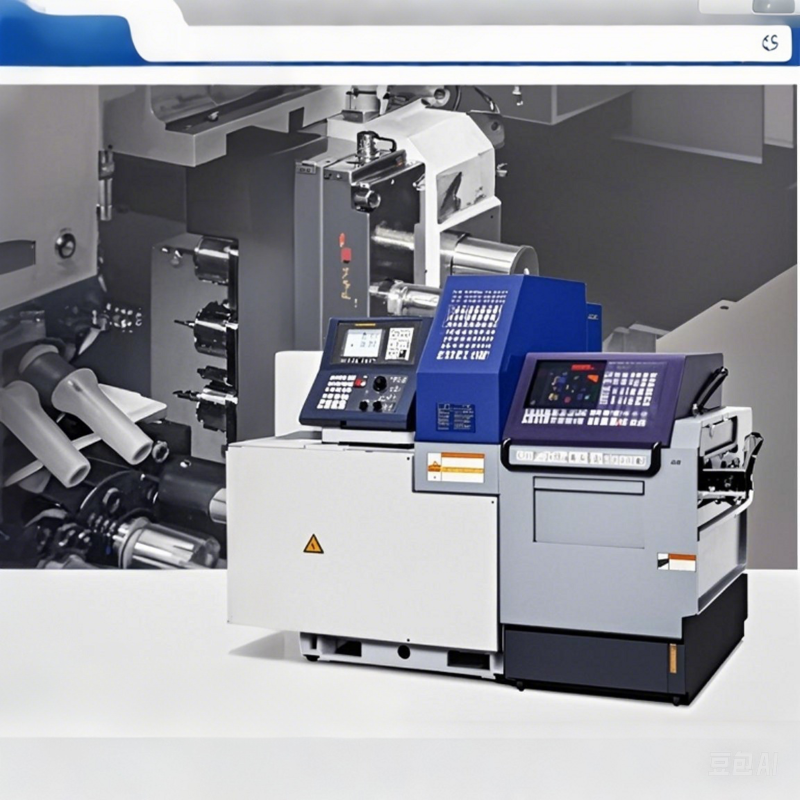
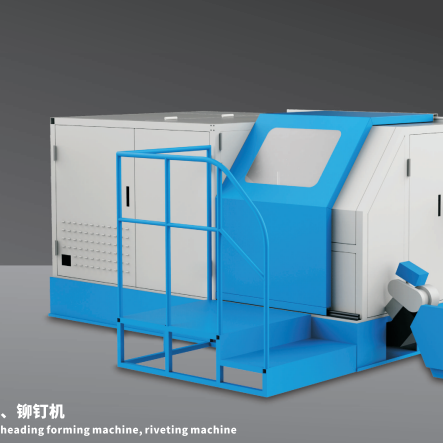
The KD406 is not a generic multisstation cold former scaled down from larger models. It is engineered from the ground up for the M3 to M6 diameter range – the most widely used fastener sizes in electronics, household appliances, precision machinery, automotive subsystems, and light structural applications. While many cold headers claim to cover a wide range, the KD406 optimizes every subsystem for smallswire, highsspeed, highsprecision cold heading.
With a production speed significantly higher than larger machines (capable of 200–300 parts per minute depending on part geometry), the KD406 delivers the throughput needed for costscompetitive mass production, while maintaining the accuracy required for missionscritical fasteners.
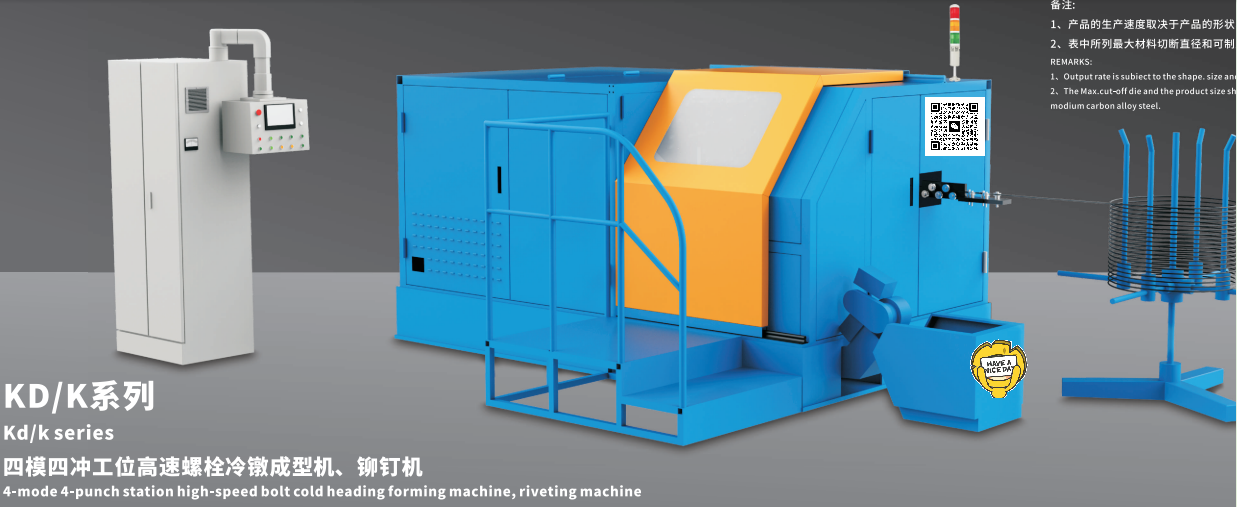
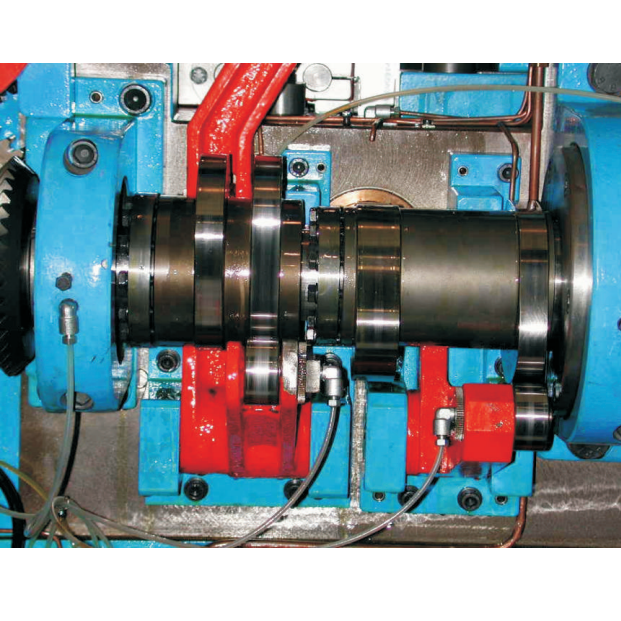
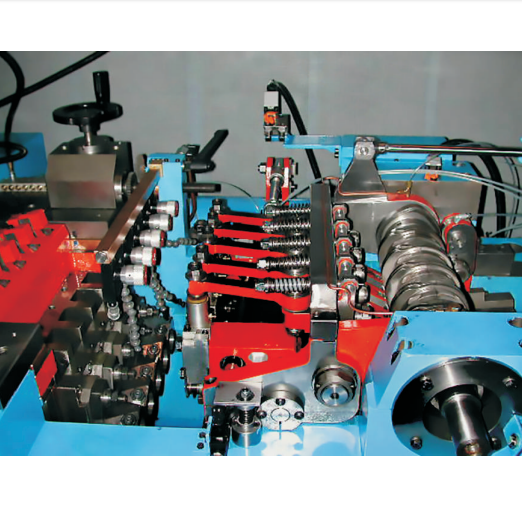
2. Equipment Description – The TwosStage Power Transmission System
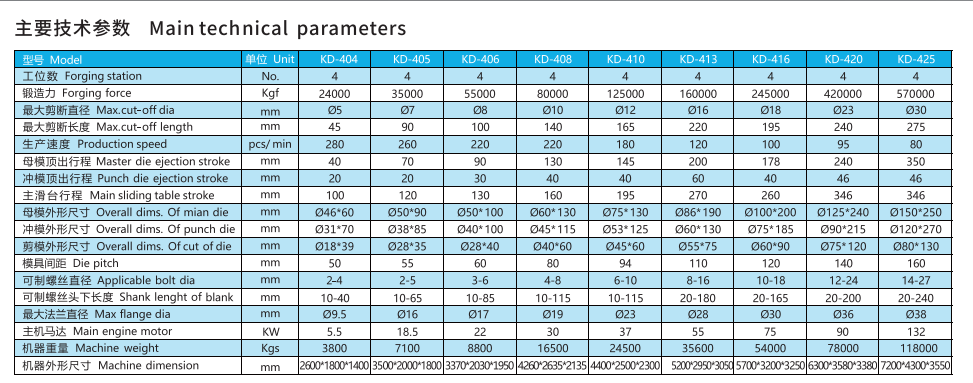
型号Model | 单位Unit | KD406 |
工位数Forging station | No. | 4 |
锻造力Forging force | Kgf | 55000 |
最大剪断直径Max.cut-off dia | mm | Ø8 |
最大剪断长度Max.cut-off length | mm | 100 |
生产速度Output rate | pcs/min | 220 |
母模顶出行程K.O.Stroke | mm | 90 |
冲模顶出行程P K.O.Stroke | mm | 30 |
主滑台行程Main ram stroke | mm | 130 |
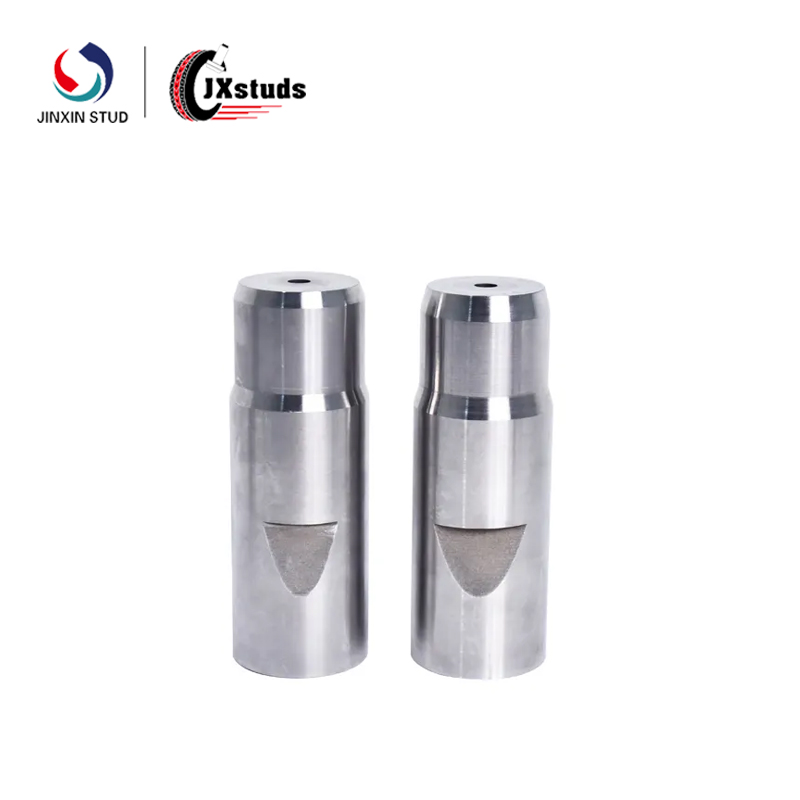
母模外形尺寸Overall dims. Of mian die | mm | Ø50*100 |
冲模外形尺寸Overall dims. Of punch die | mm | Ø40*100 |
剪模外形尺寸Overall dims. Of cut off die | mm | Ø28*40 |
模具间距Die pitch | mm | 60 |
可制螺丝直径Normal bolt size | mm | 3-6 |
可制螺丝头下长度Shank lenght of blank | mm | 10-85 |
最大法兰直径Max flange dia. | mm | Ø17 |
主机马达Main motor | KW | 22 |
机器重量Machine weight | Kgs | 8800 |
机器外形尺寸Machine dimension | mm | 3370*2030*1950 |
2.3 Feed Module Integration
The side shafts also drive the wire feed rollers (pullsin type) or a servoscontrolled feed system. This ensures that wire indexing, cutsoff, transfer, and heading are all locked in perfect phase – a critical requirement for 6sstation progressive forming where a positioning error of 0.1 mm can ruin the part or break a tool.
In summary: The twosstage transmission + side shaft architecture allows the KD406 to run at high speeds with exceptional timing accuracy, while remaining robust enough for tough alloy steels.
3. Processing Capabilities – What Can the KD406 Actually Make?
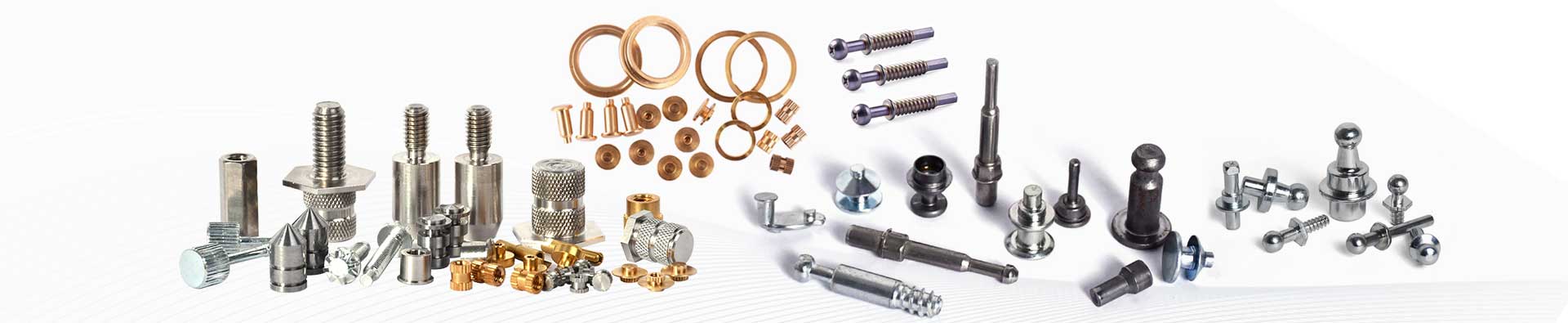
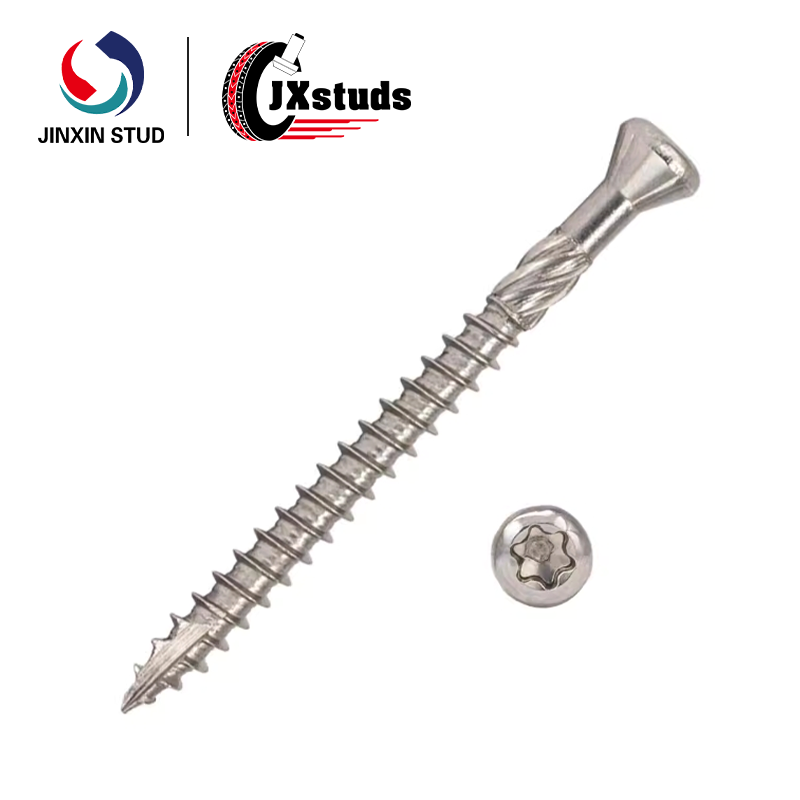
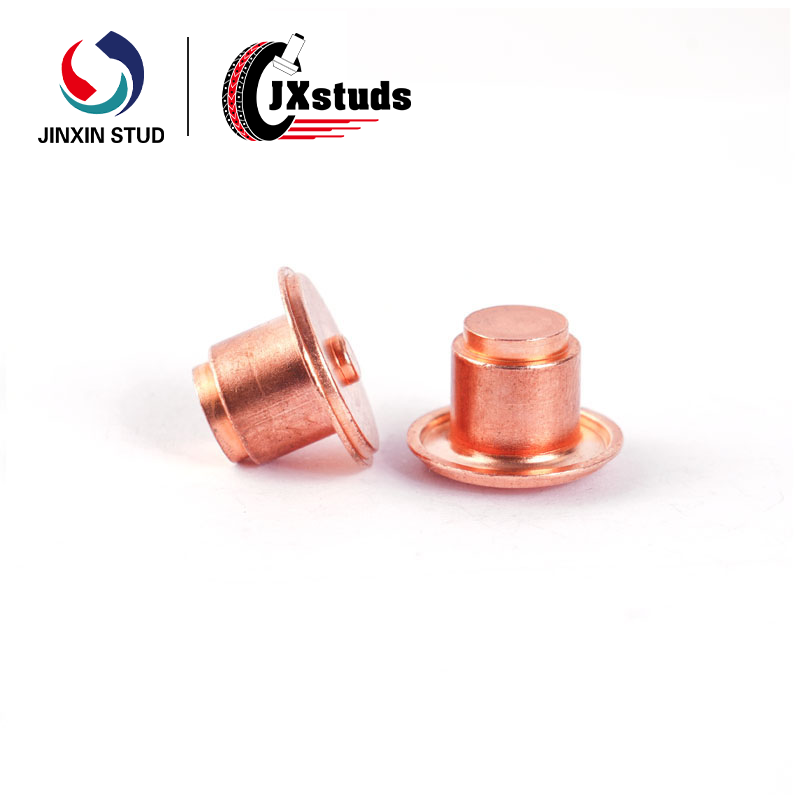
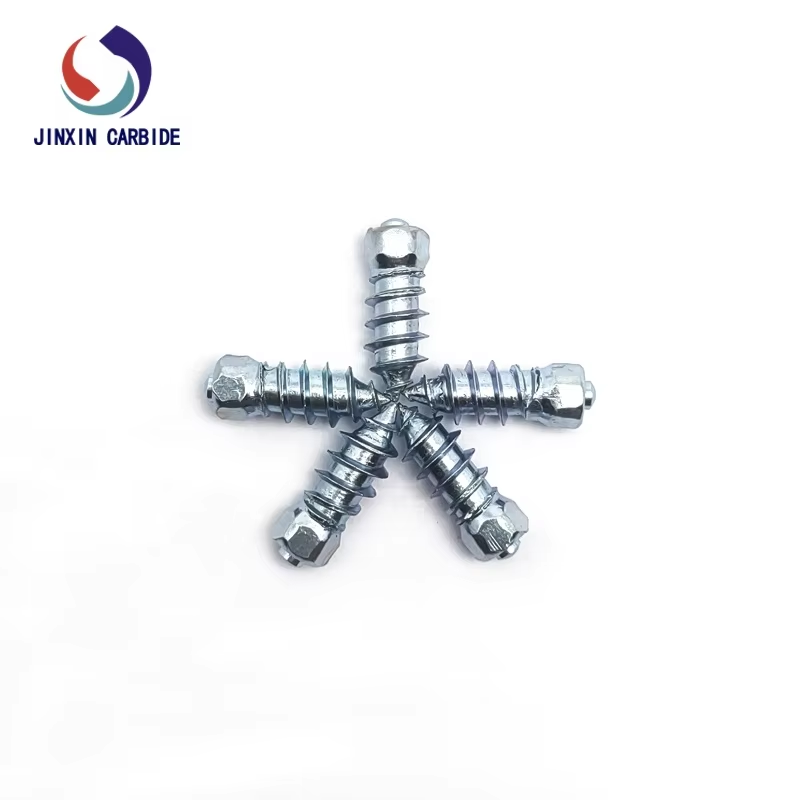
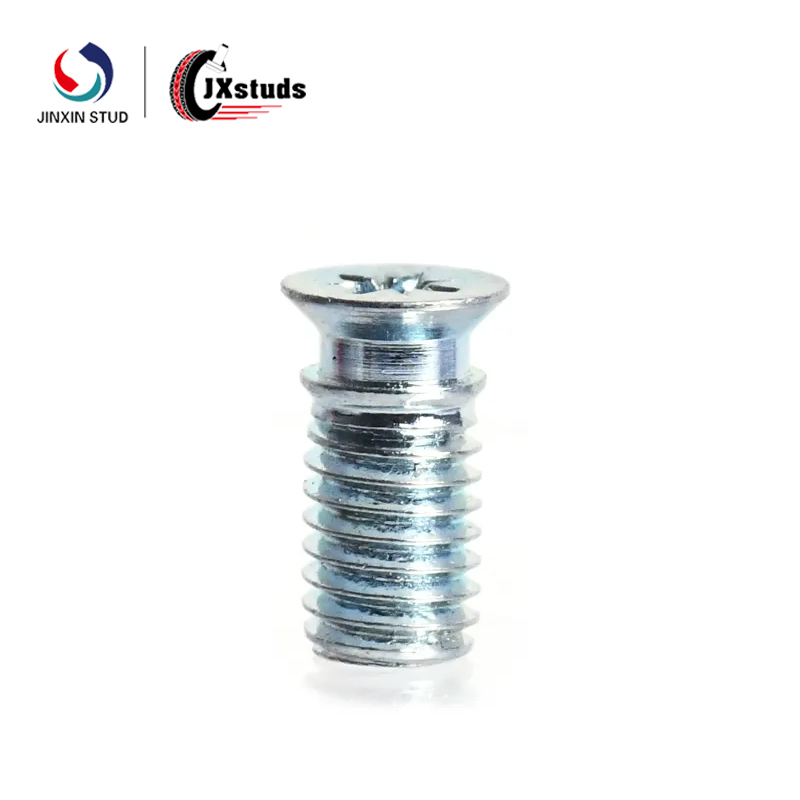
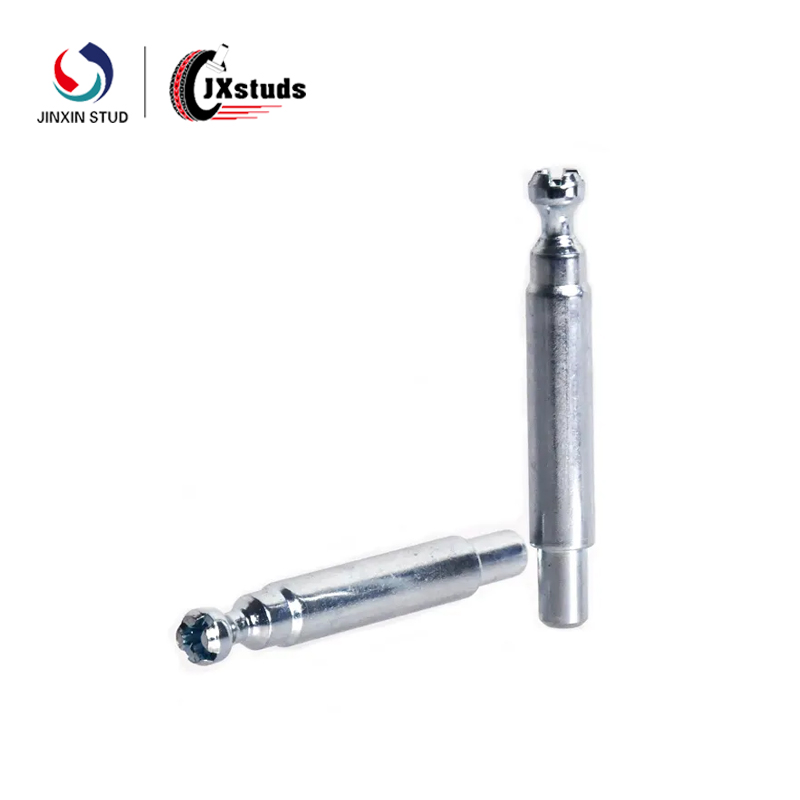
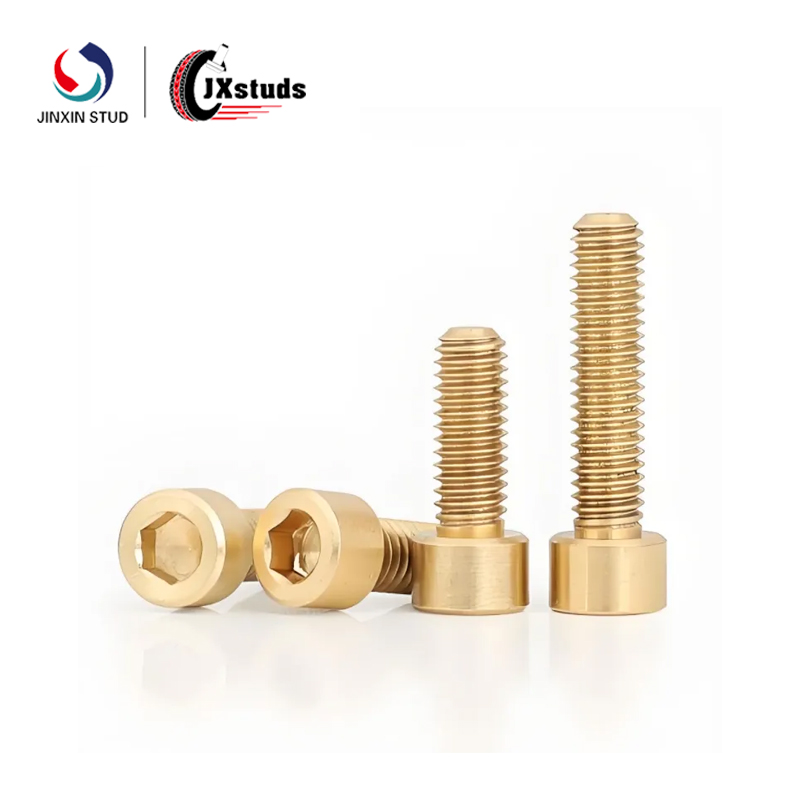
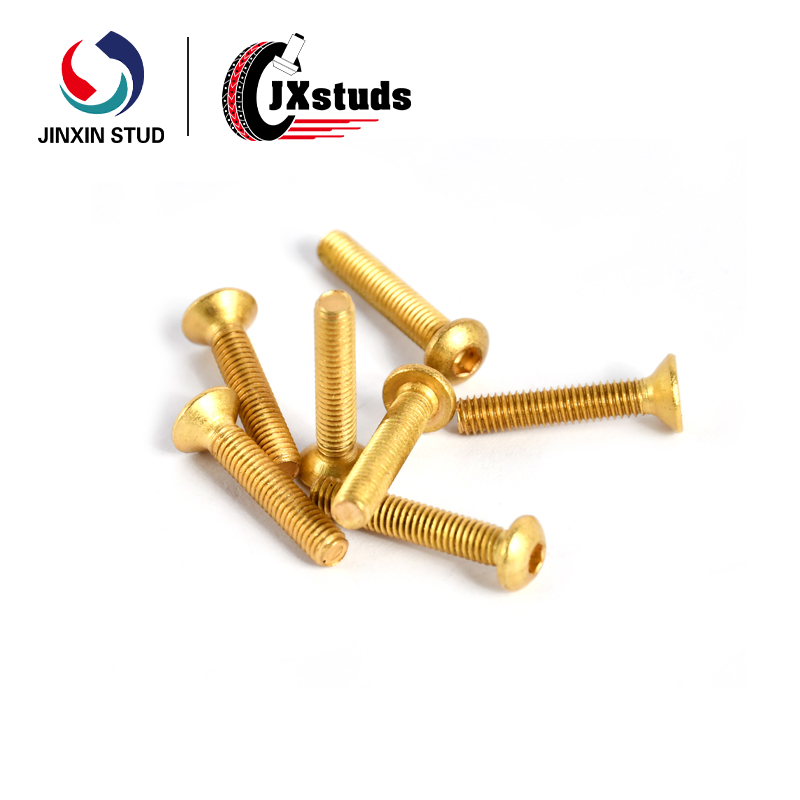
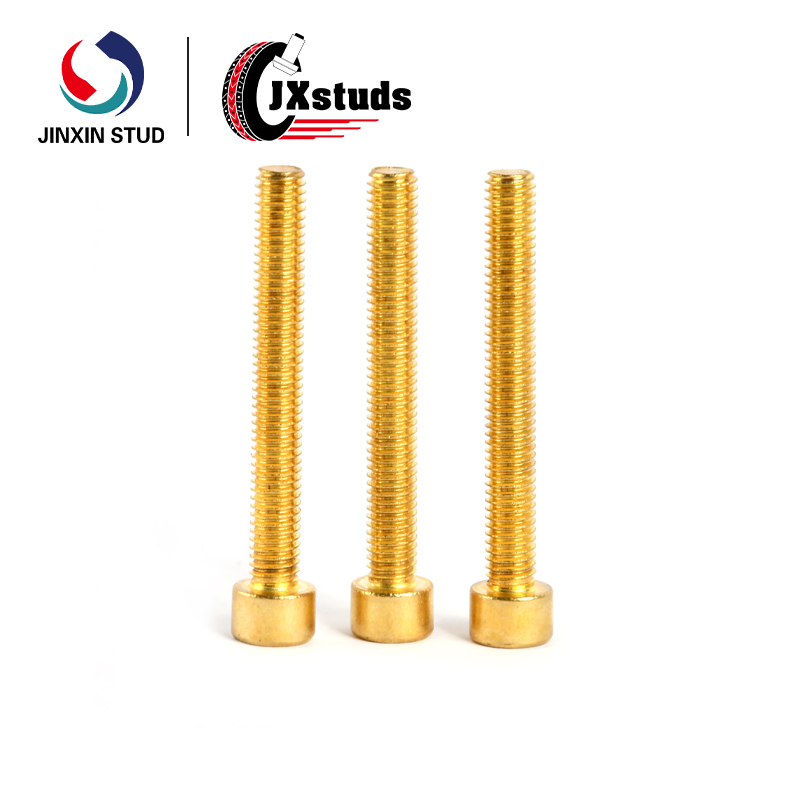
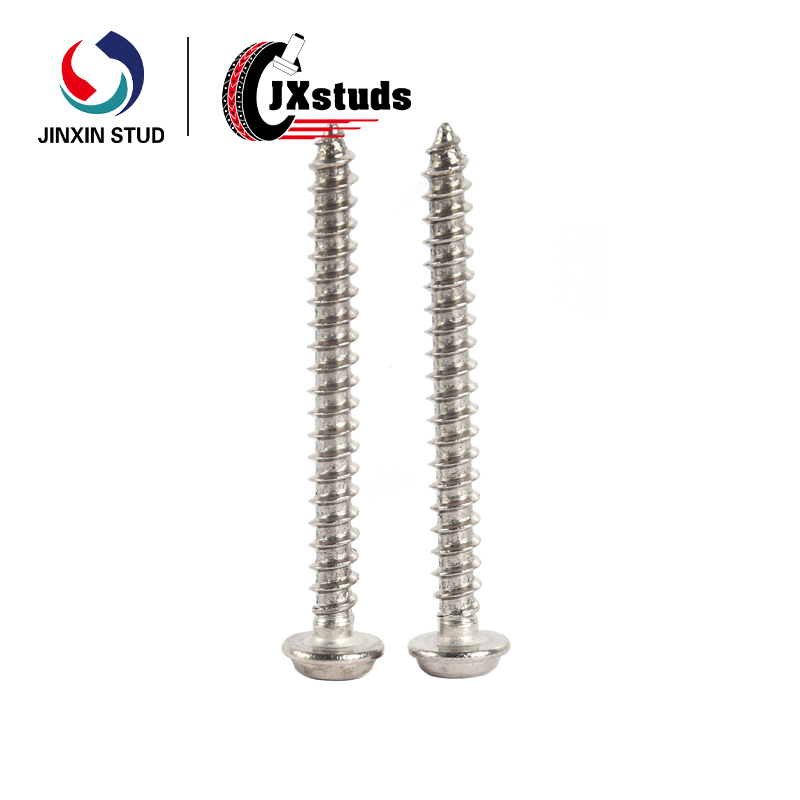
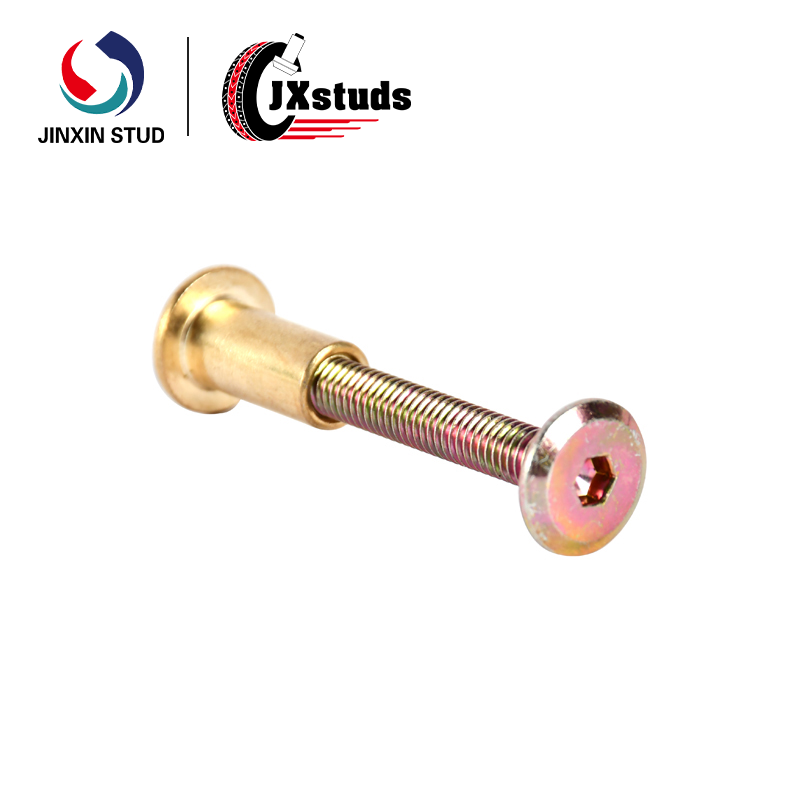
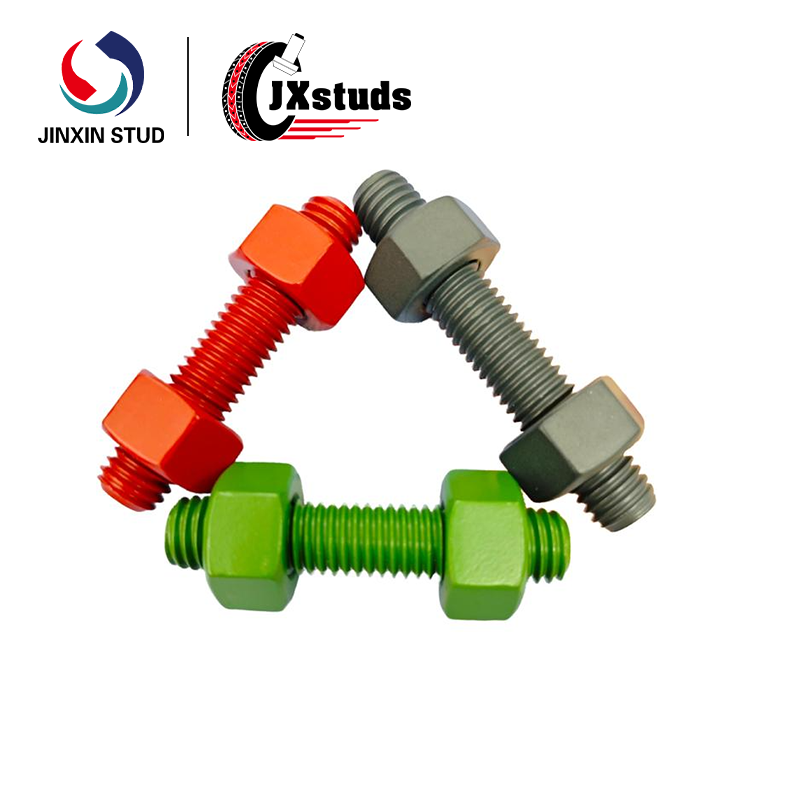
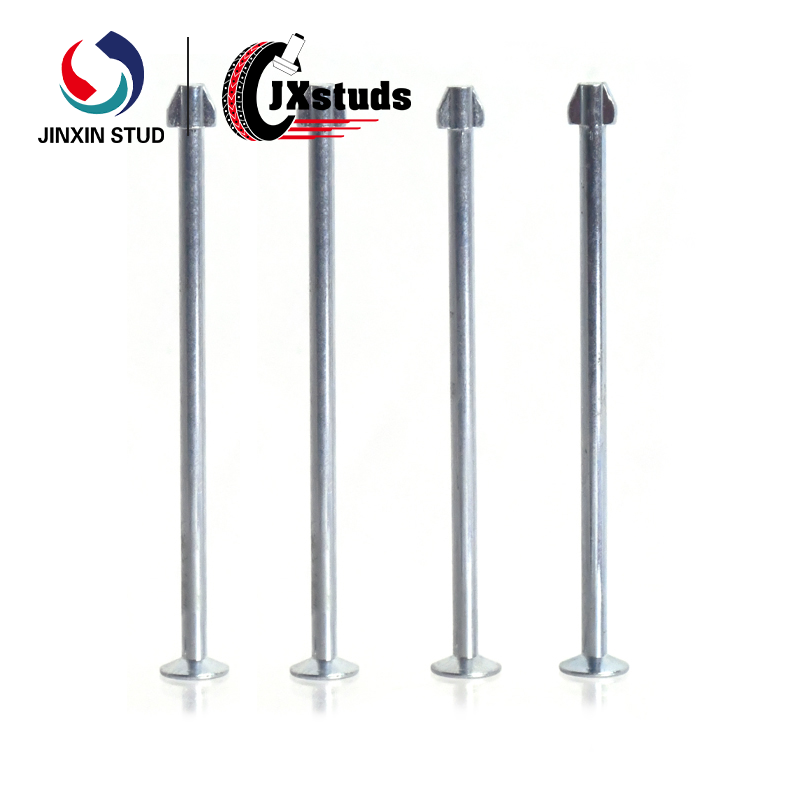
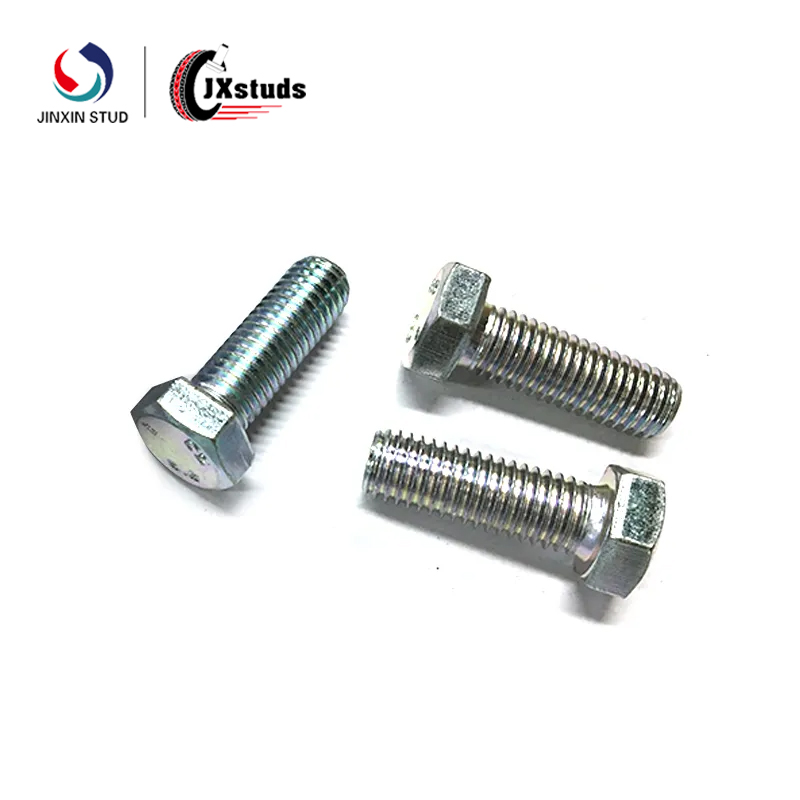
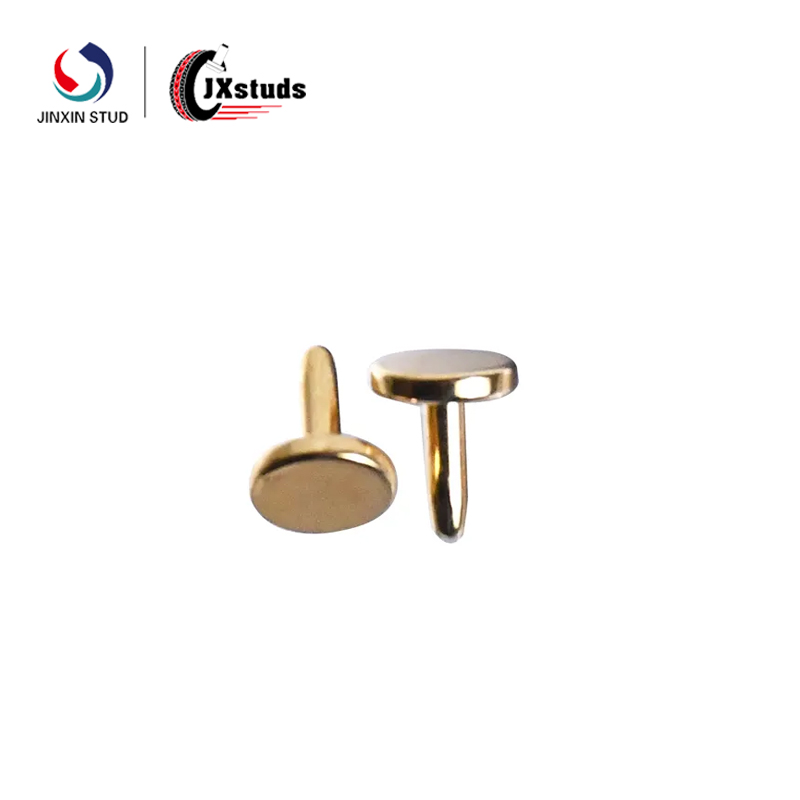
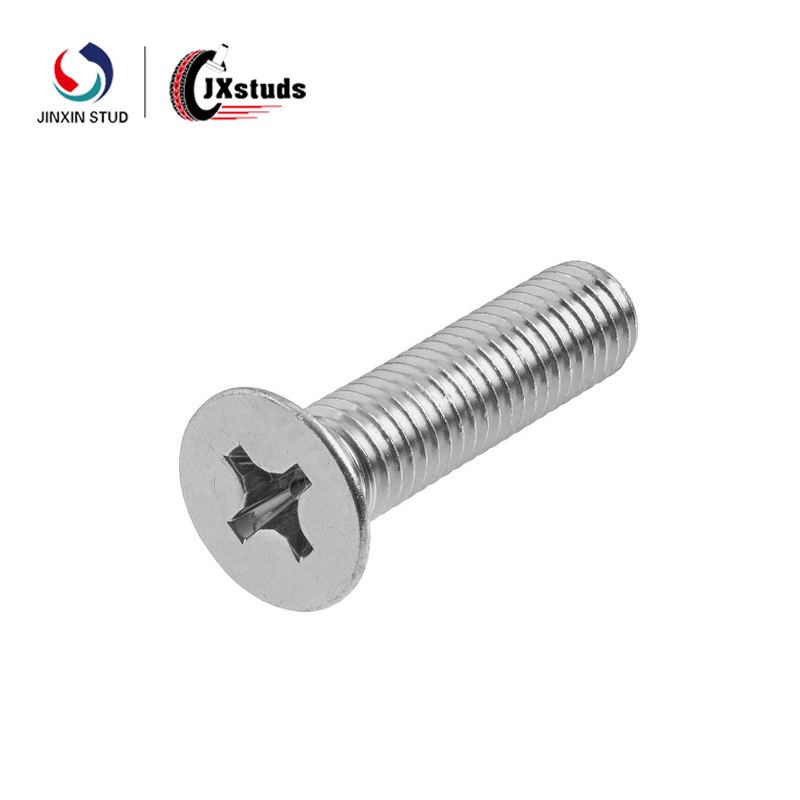
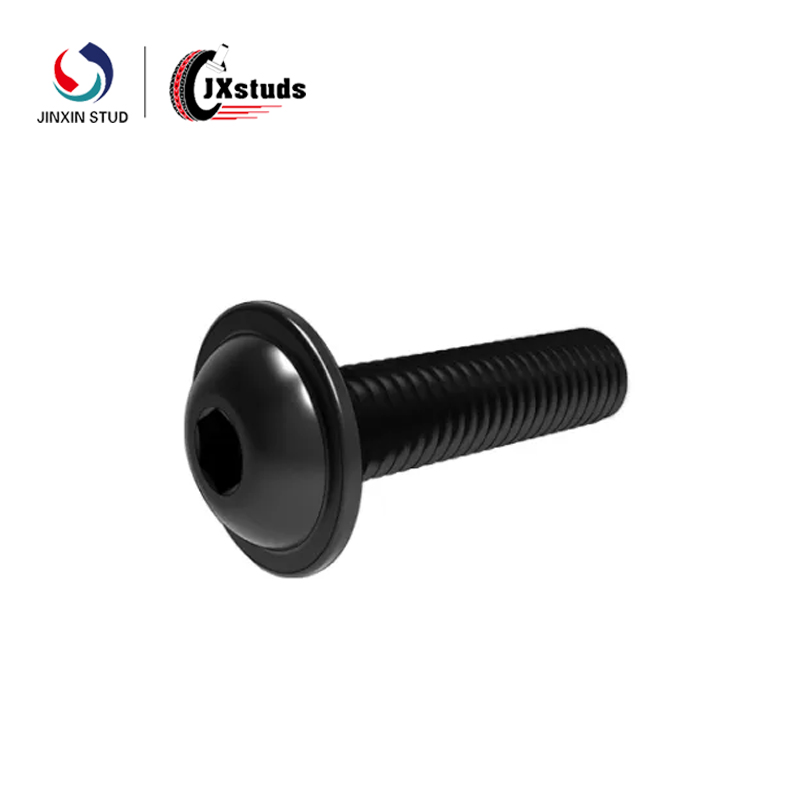
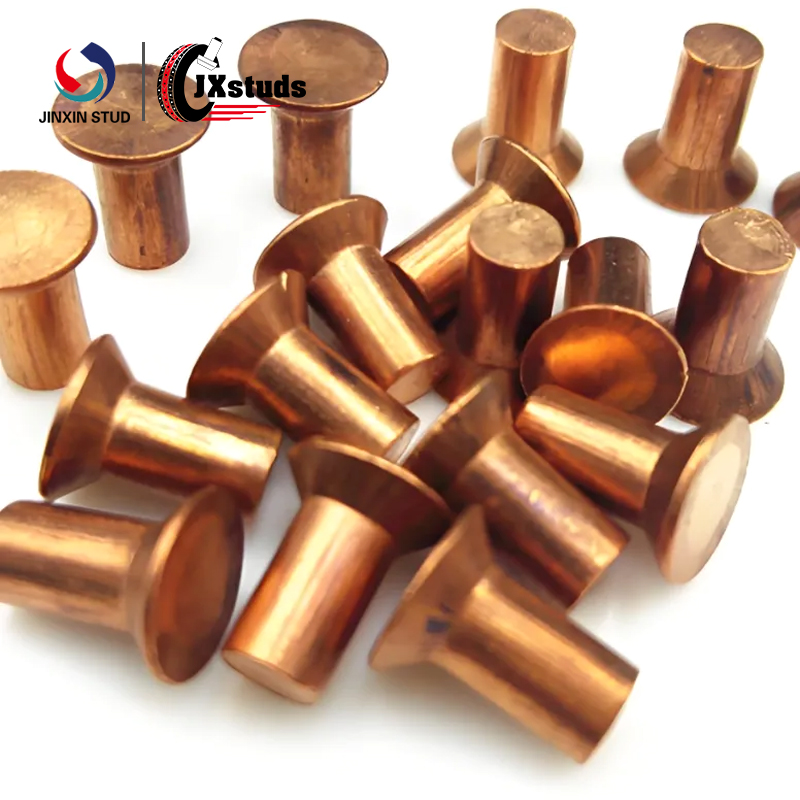
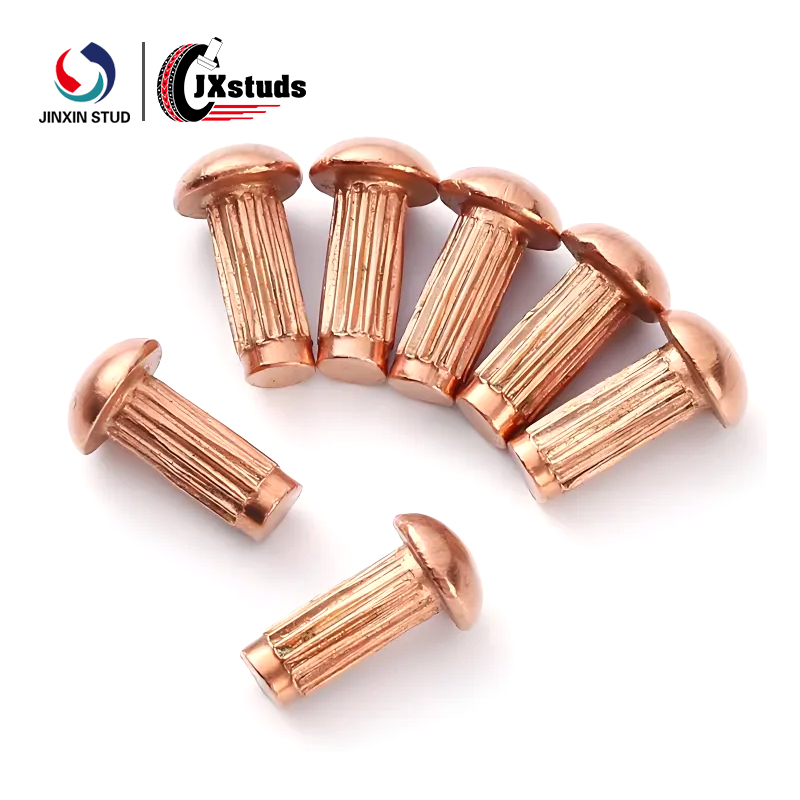
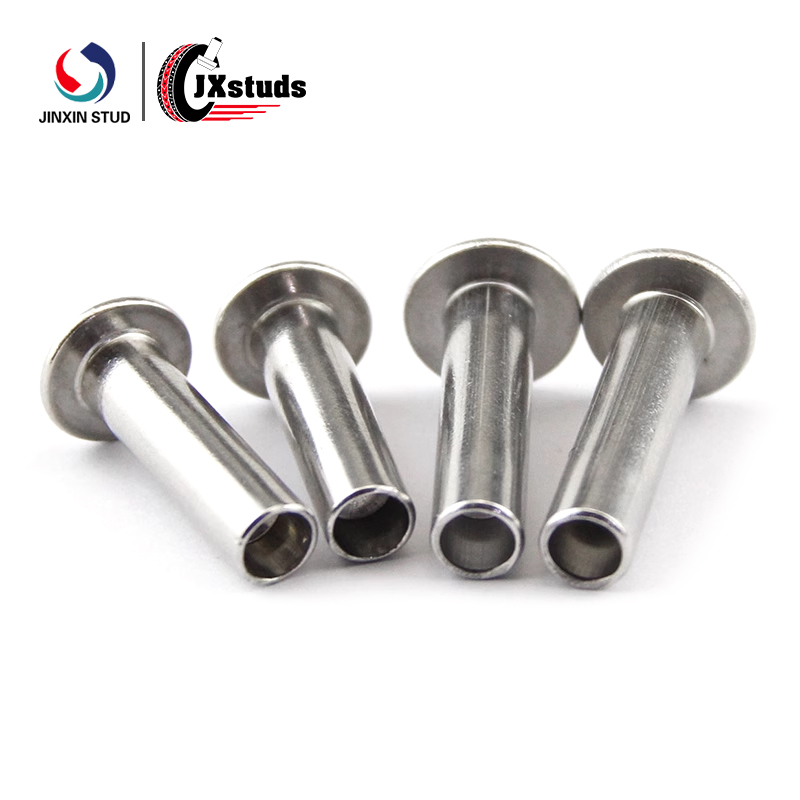
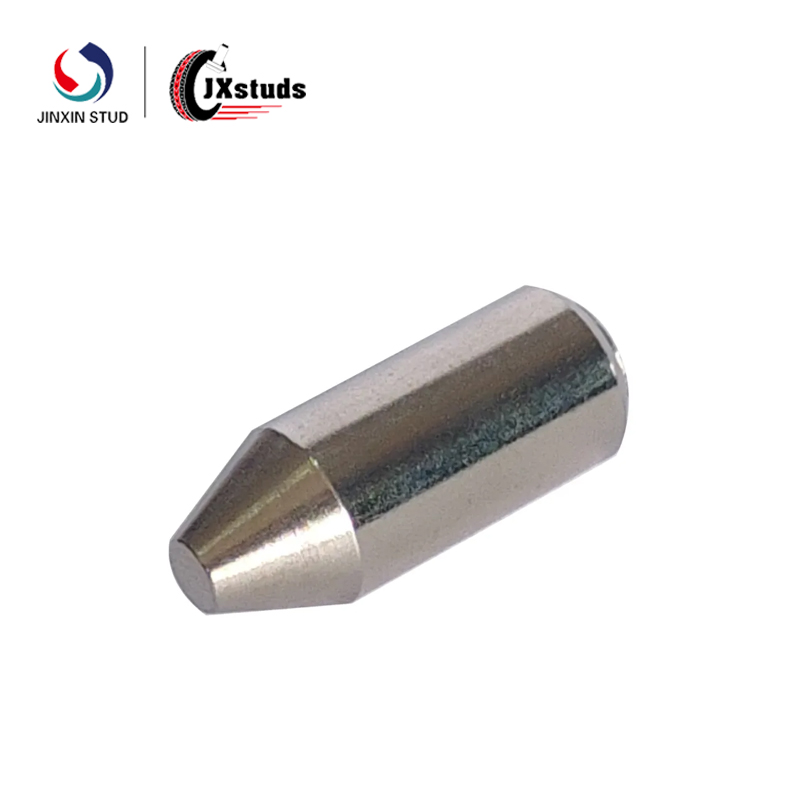
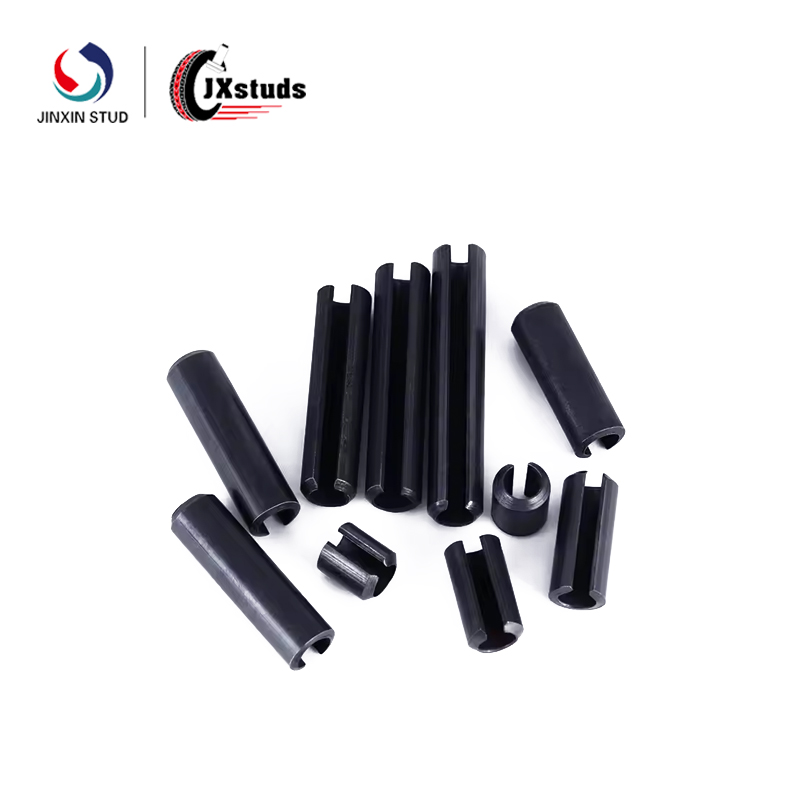
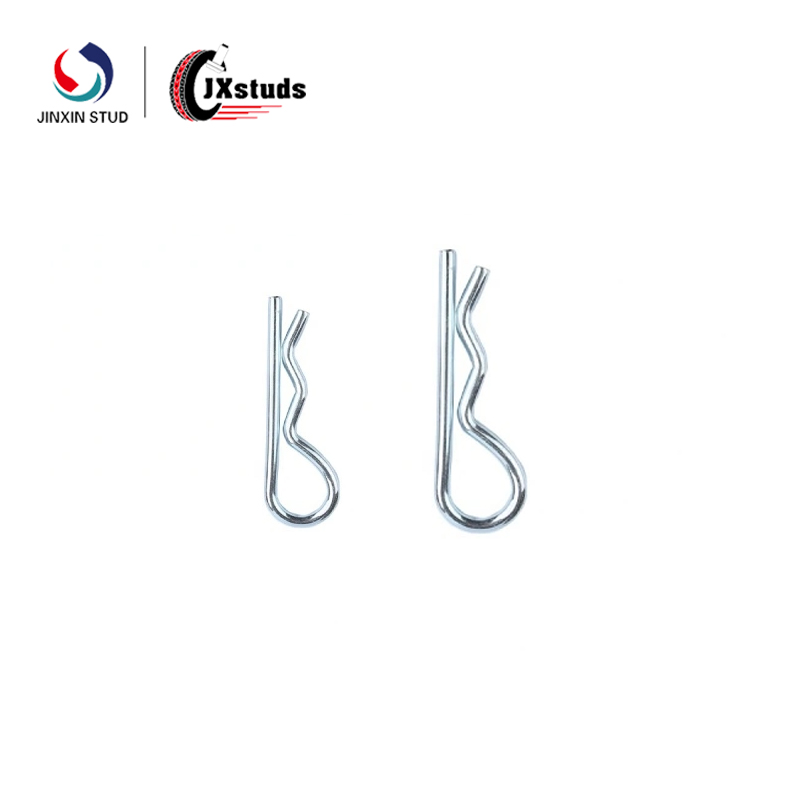
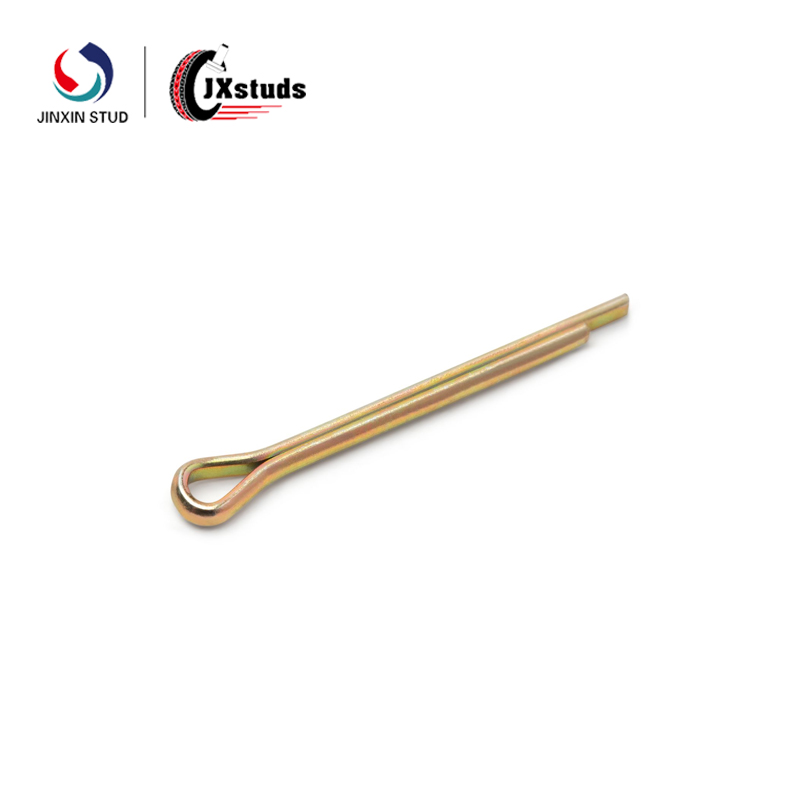
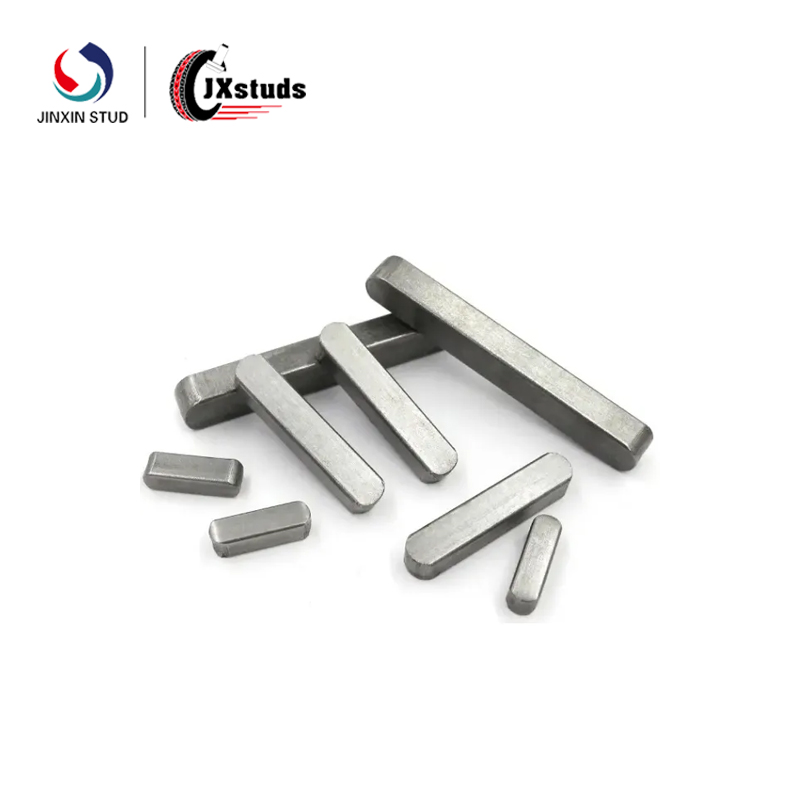
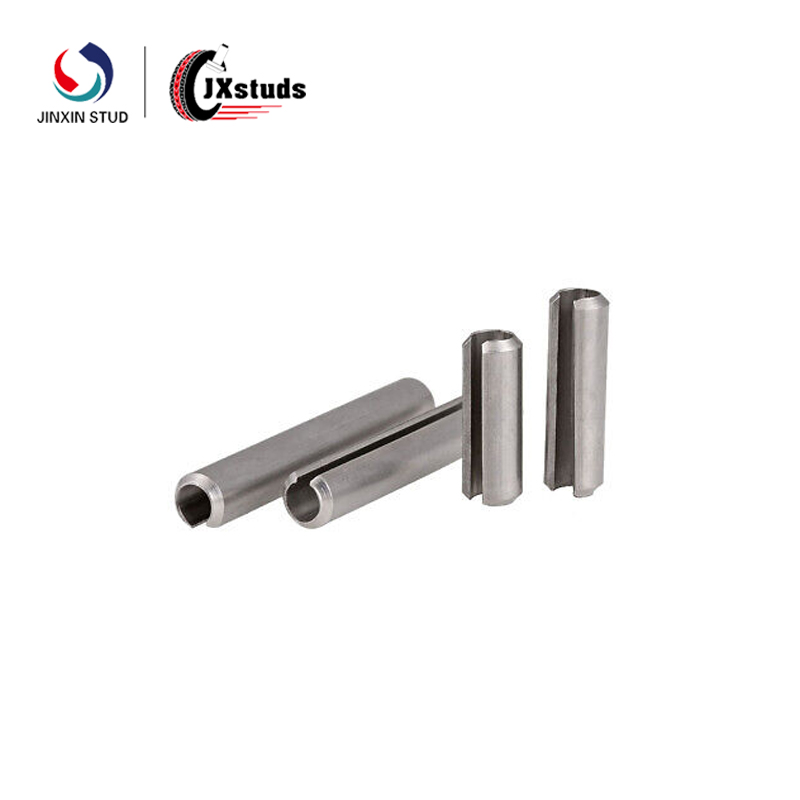
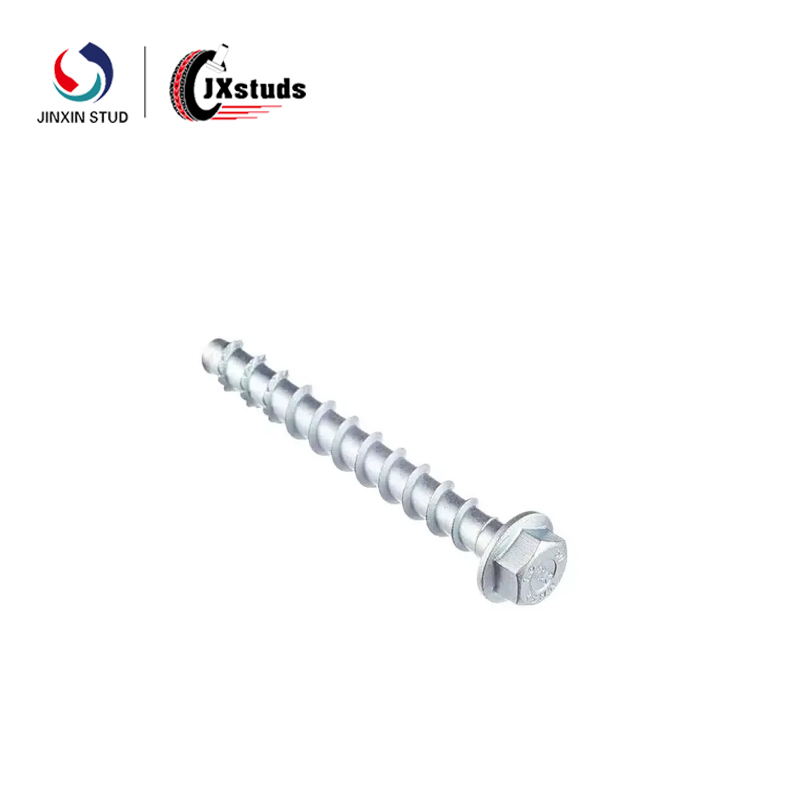
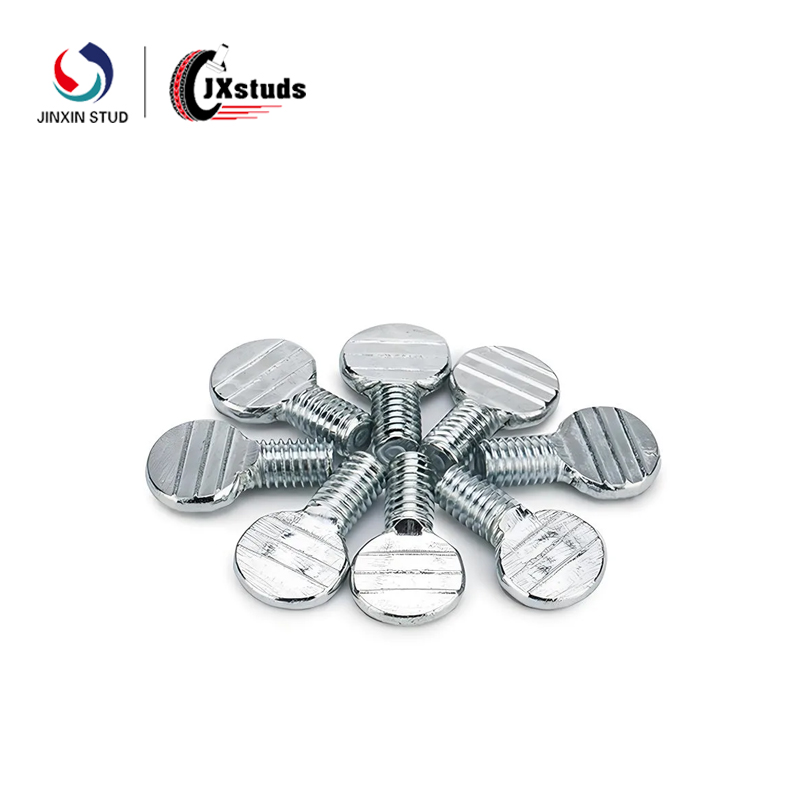
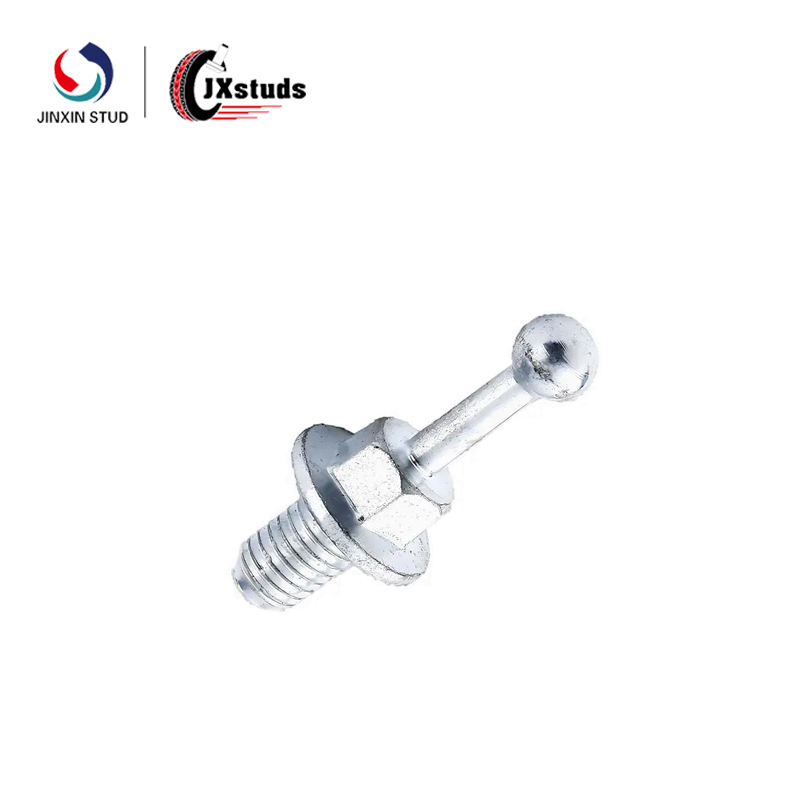
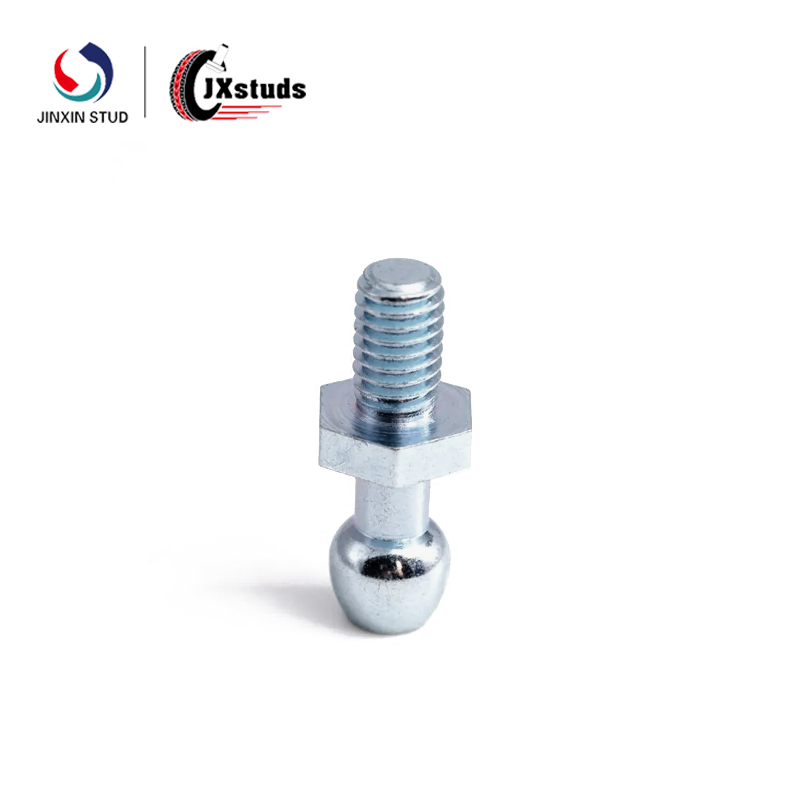
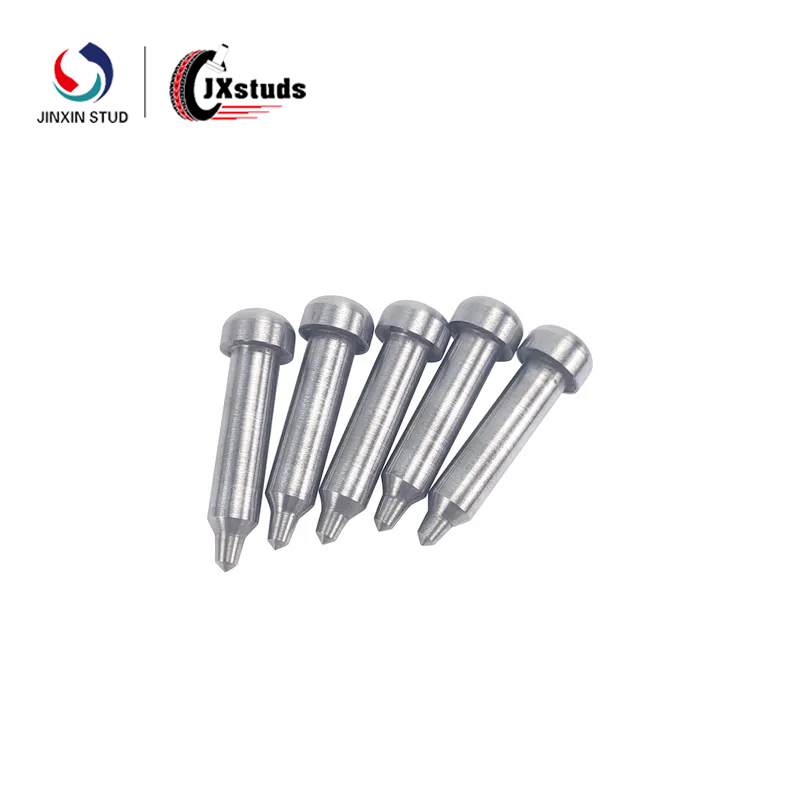
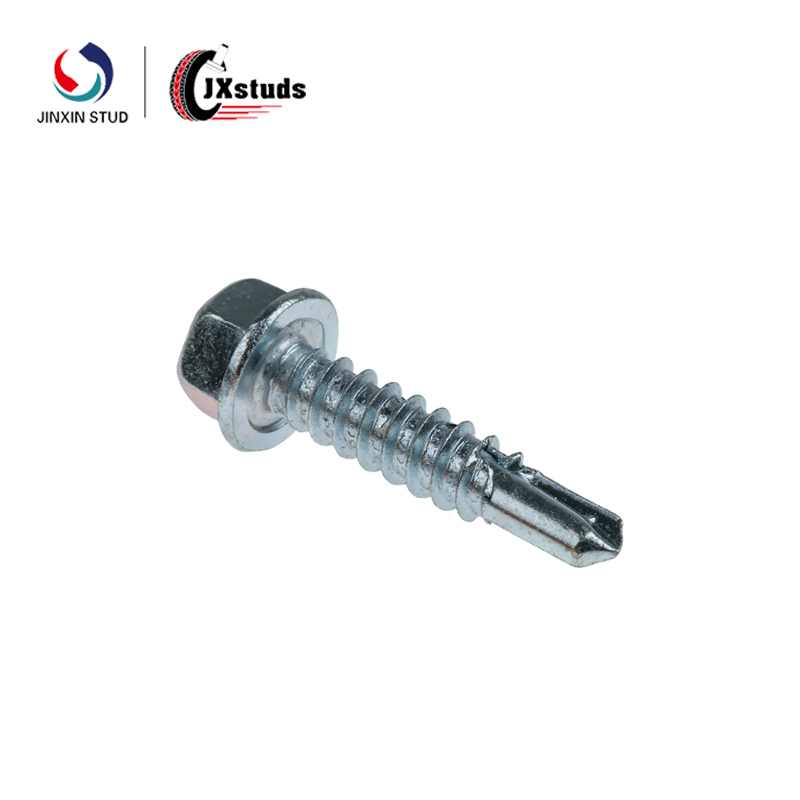
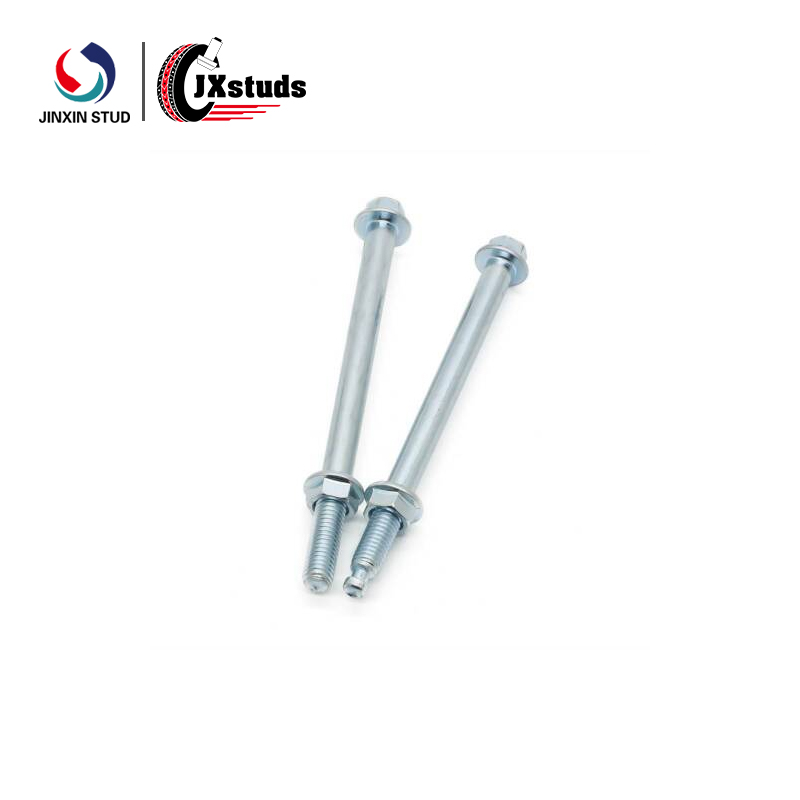
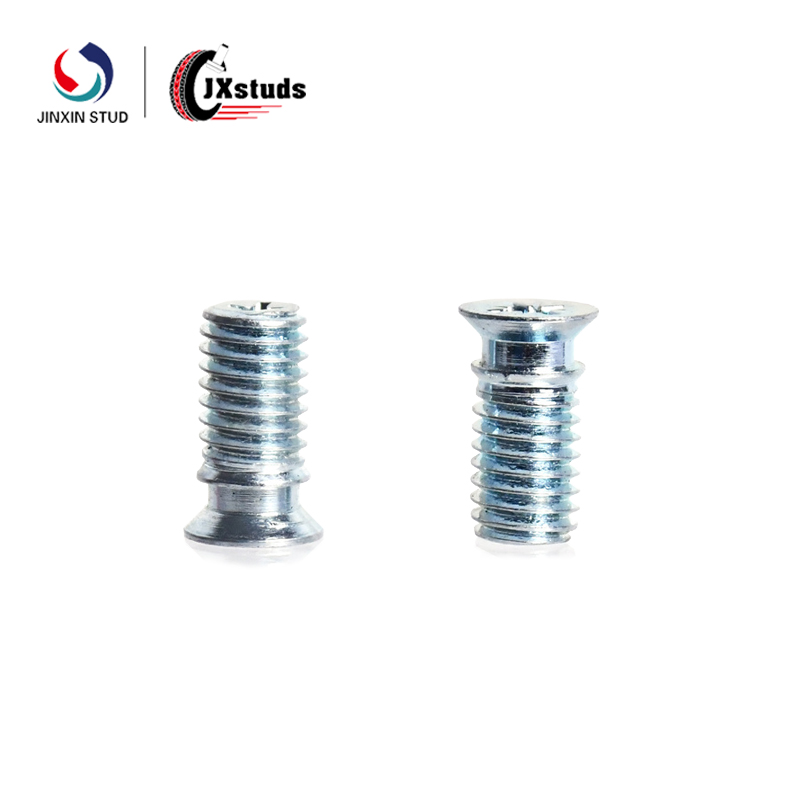
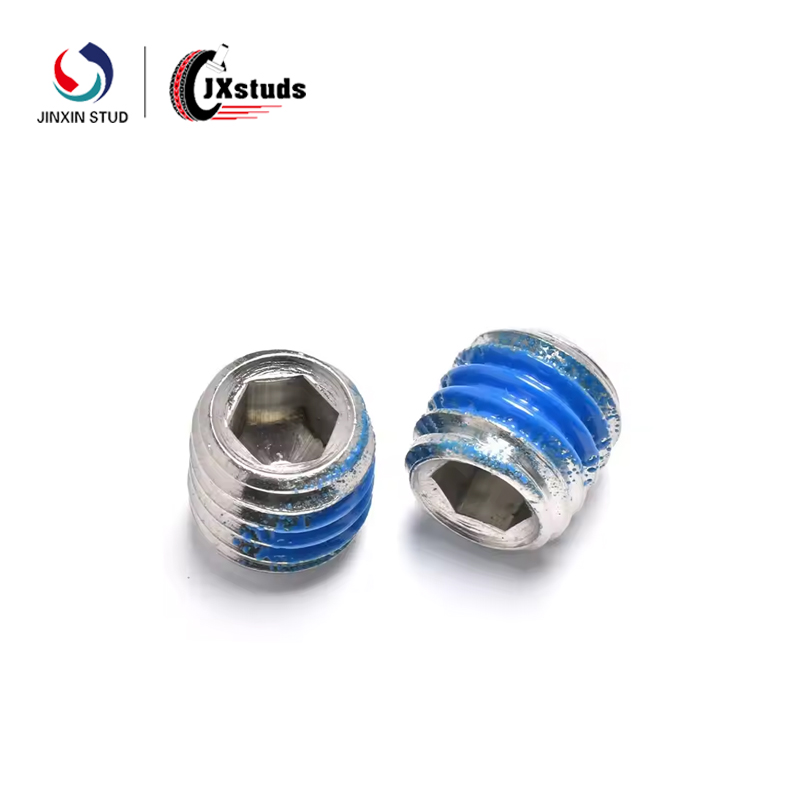
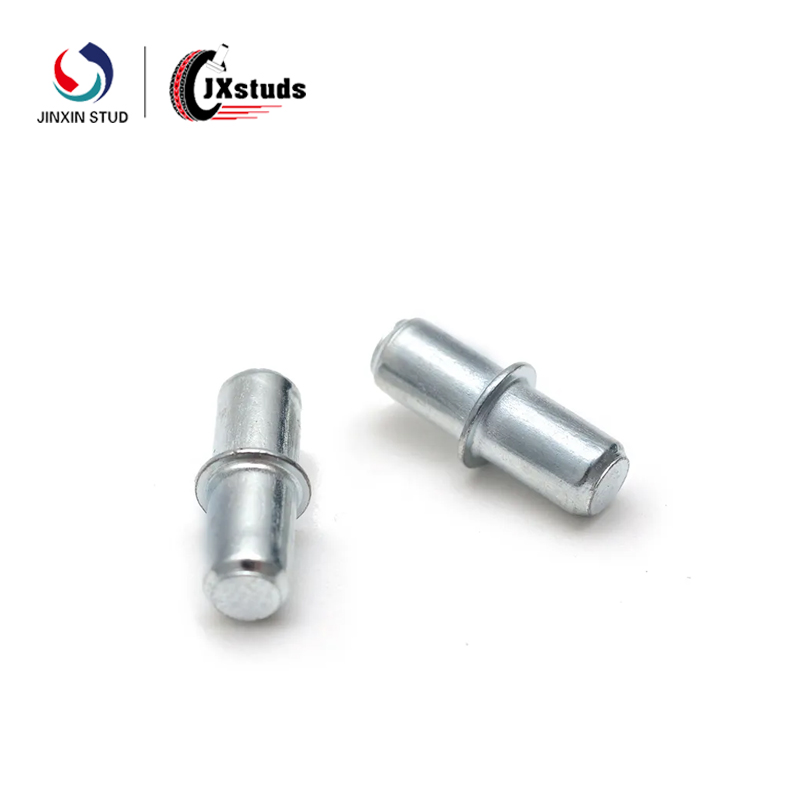
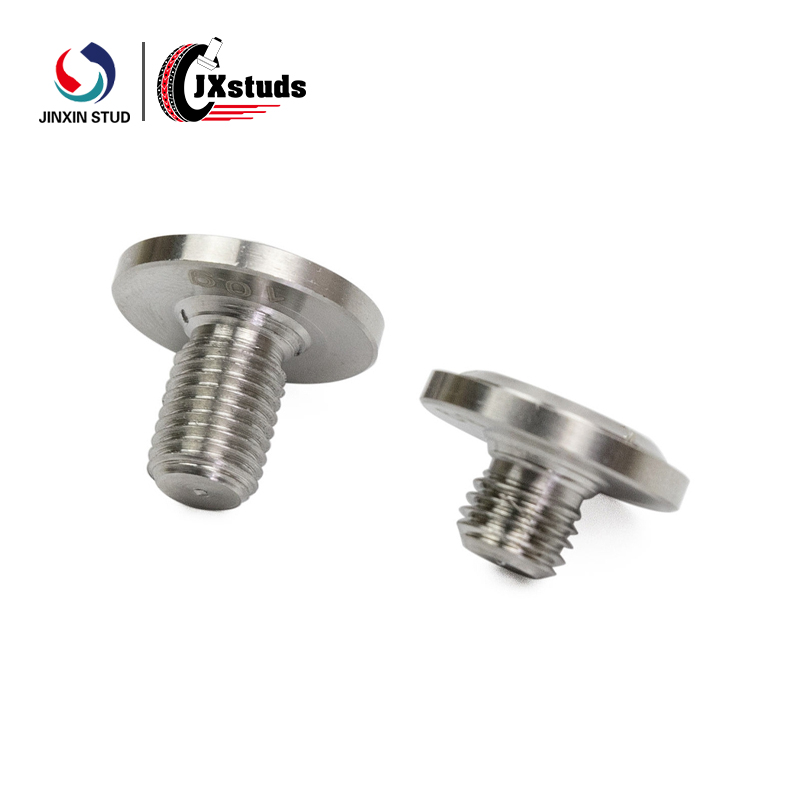
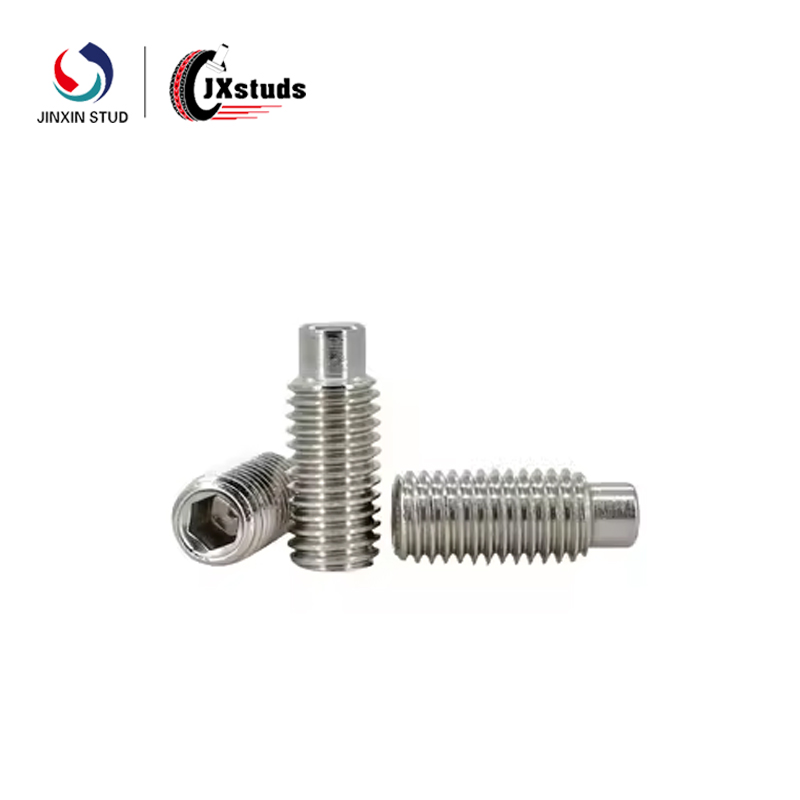
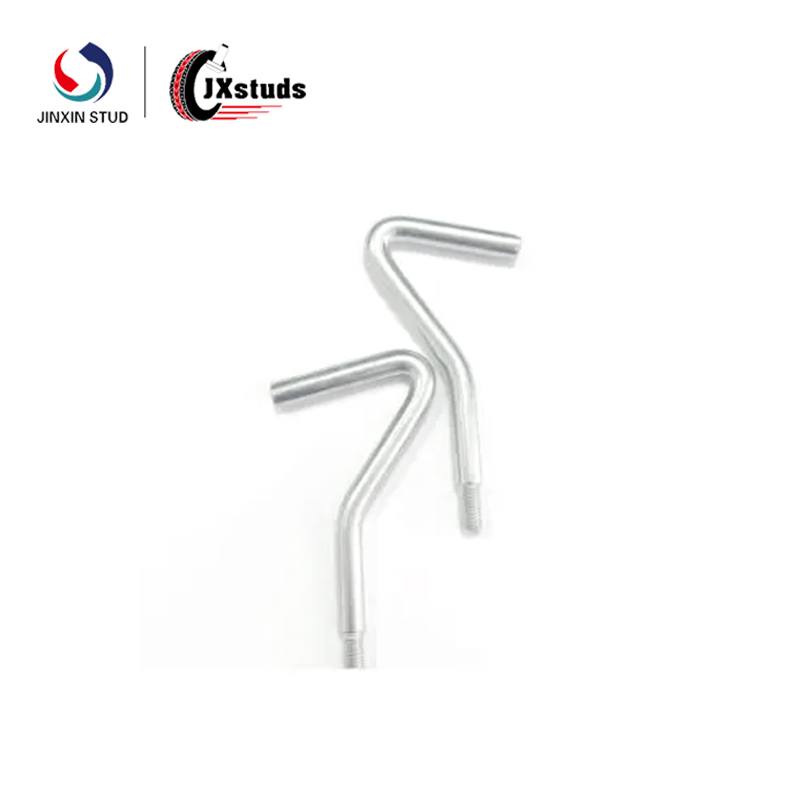
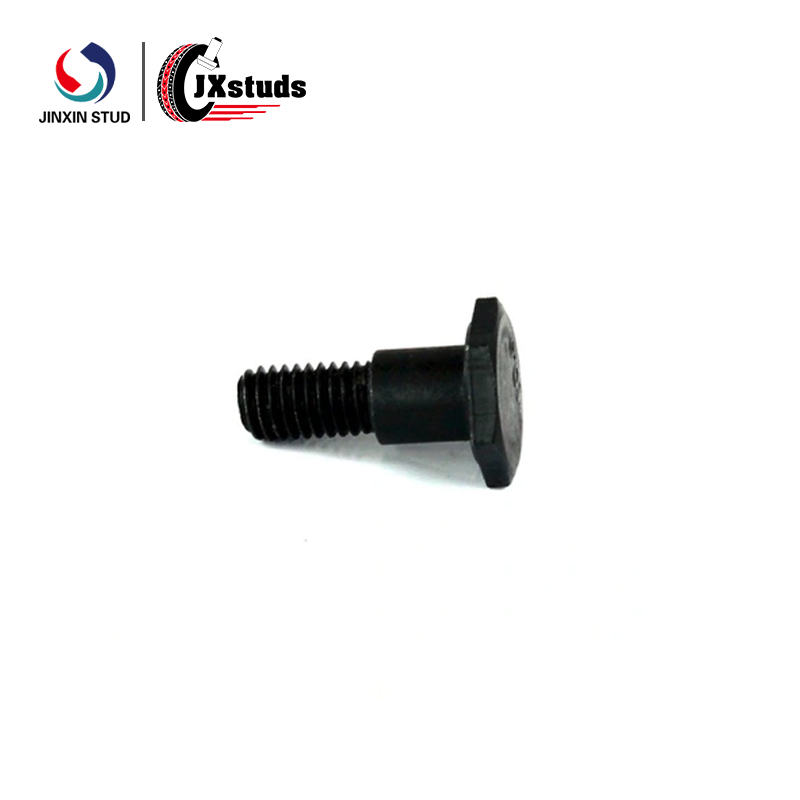
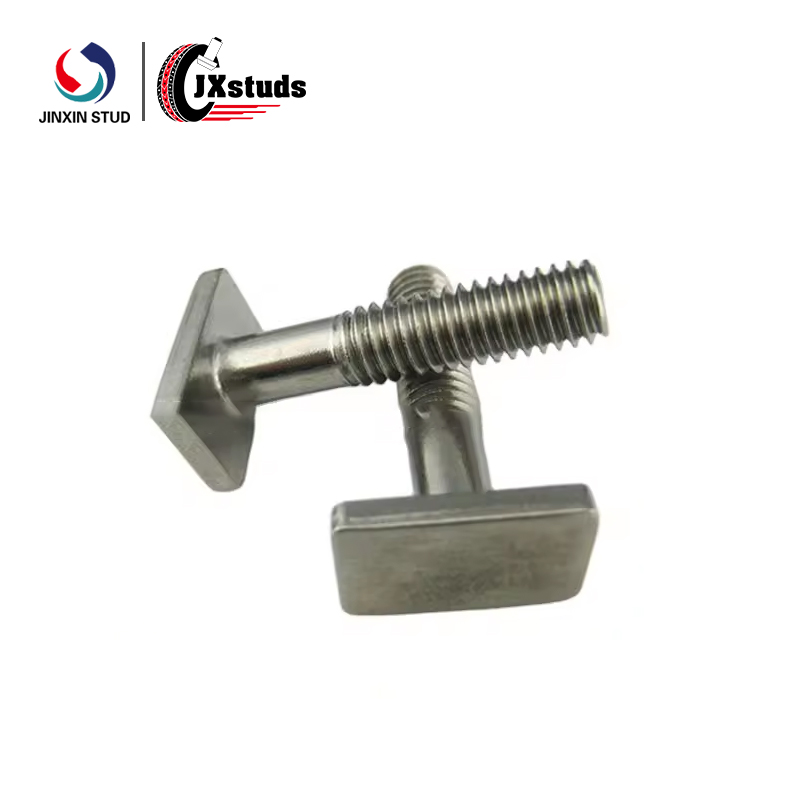
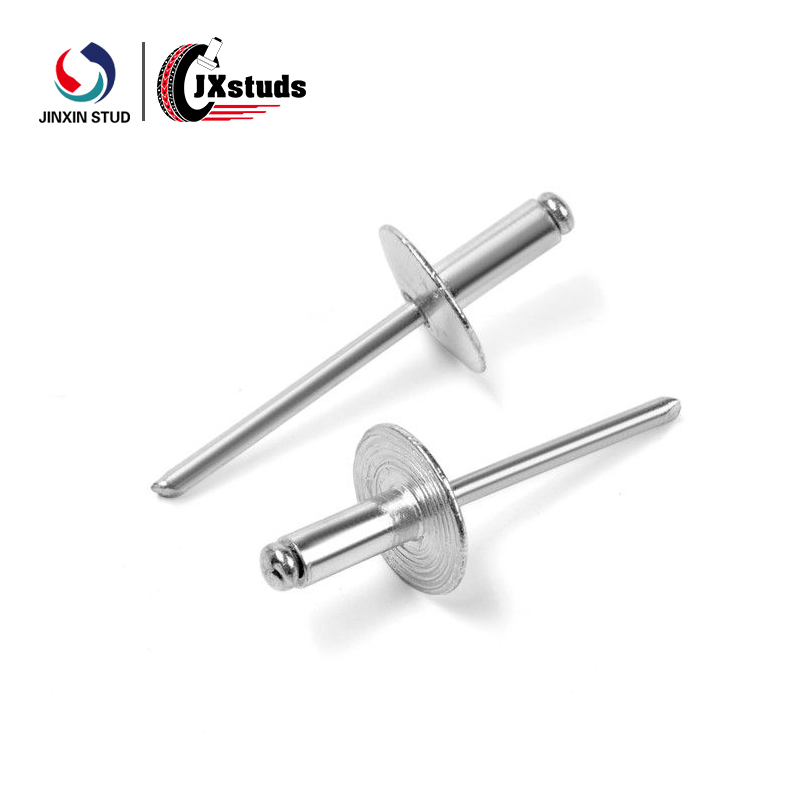
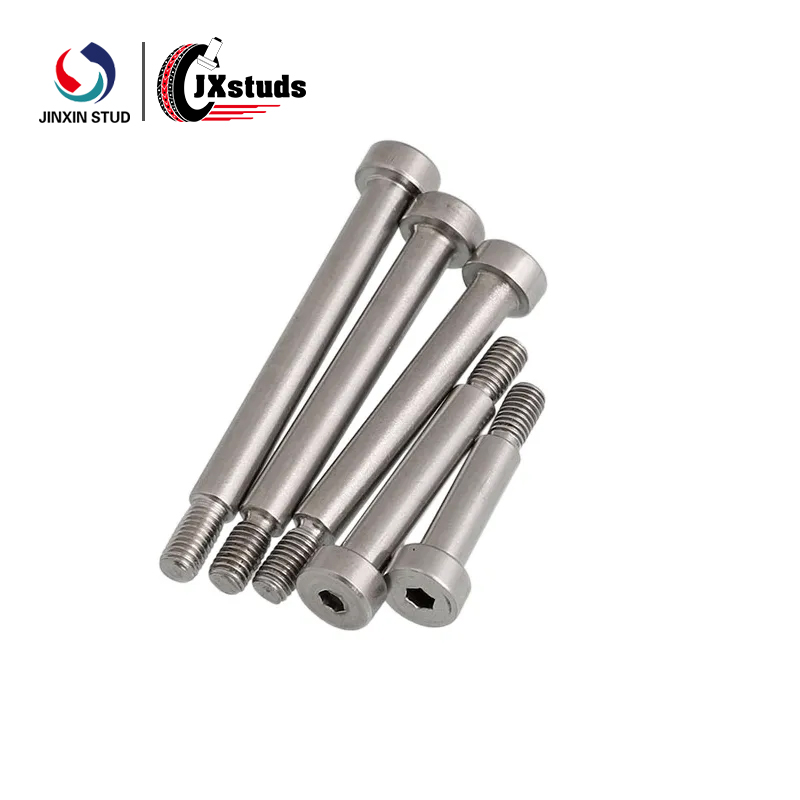
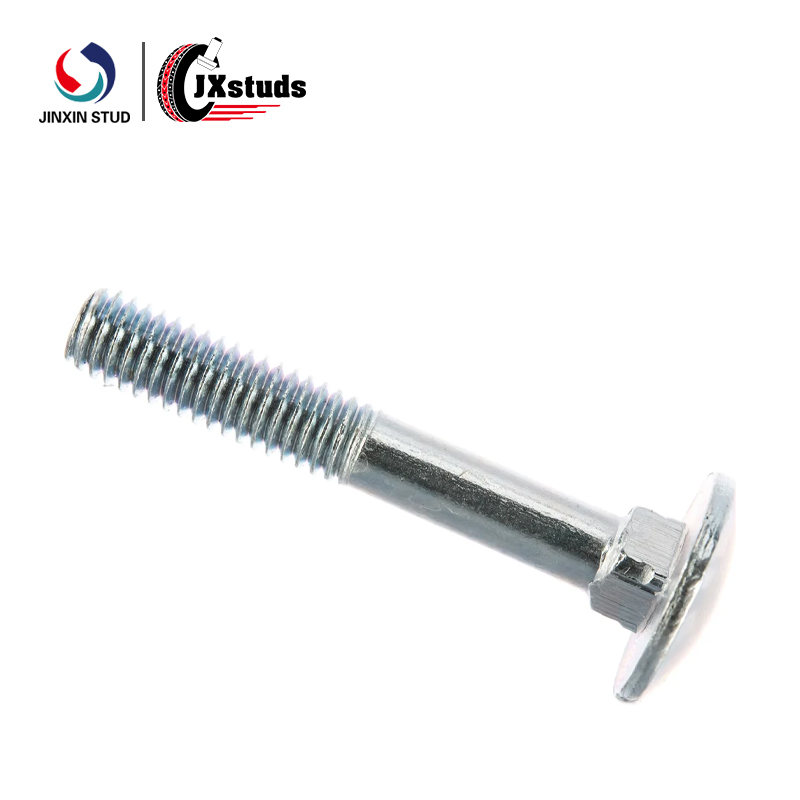
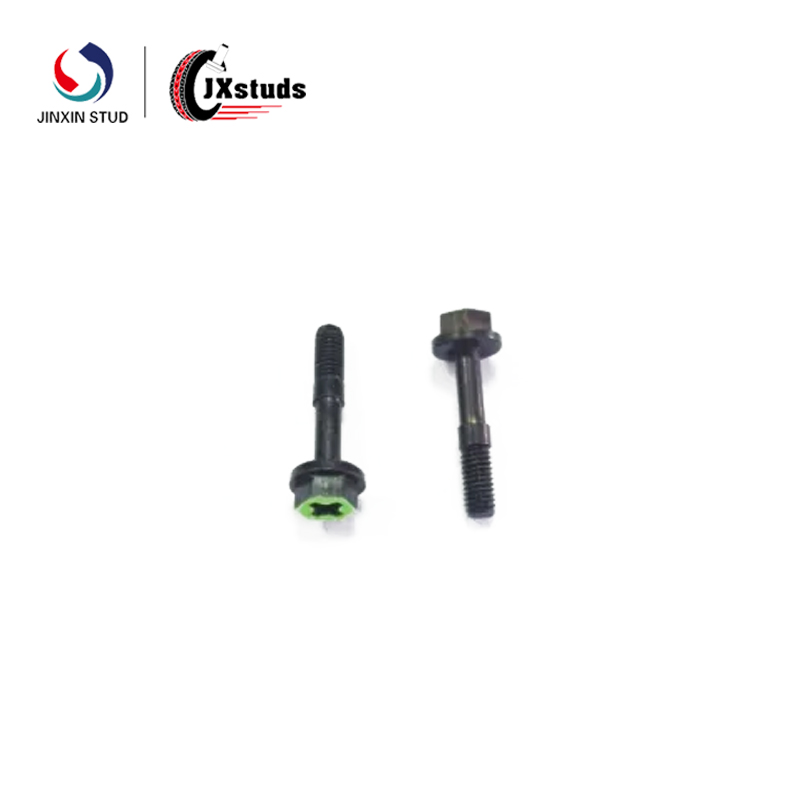
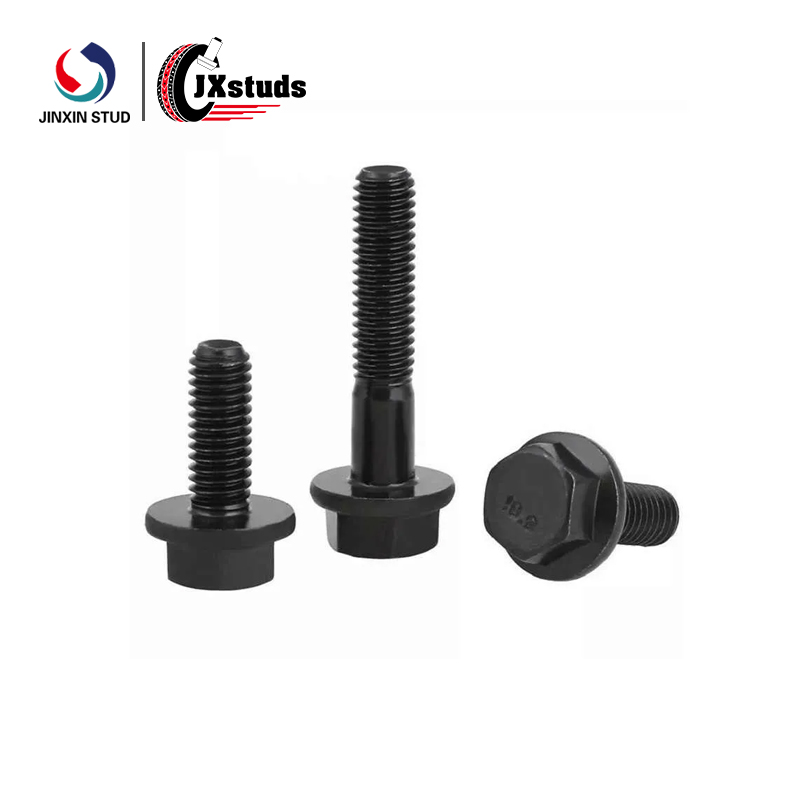
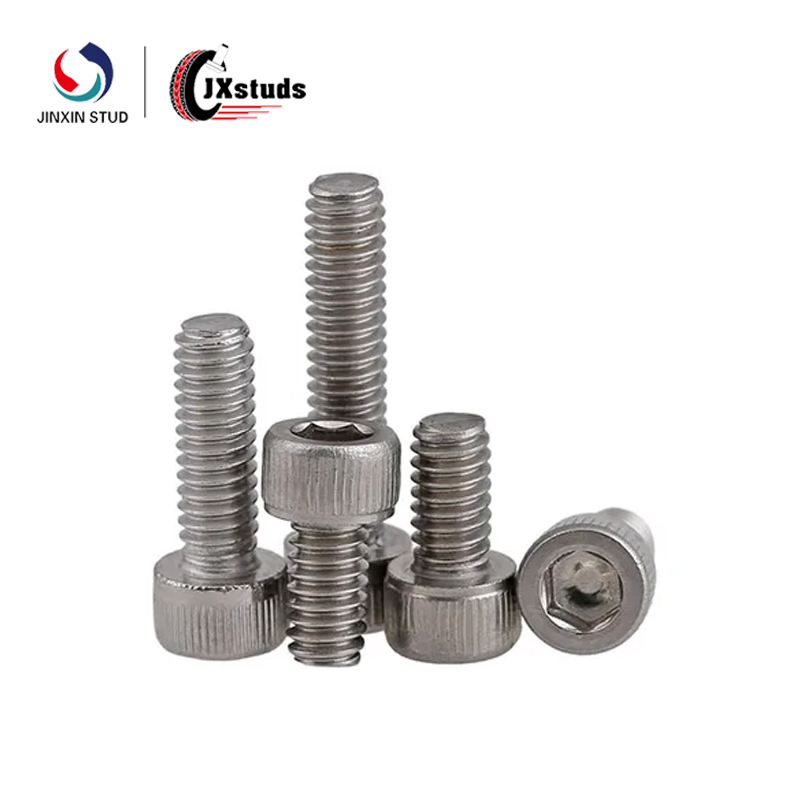
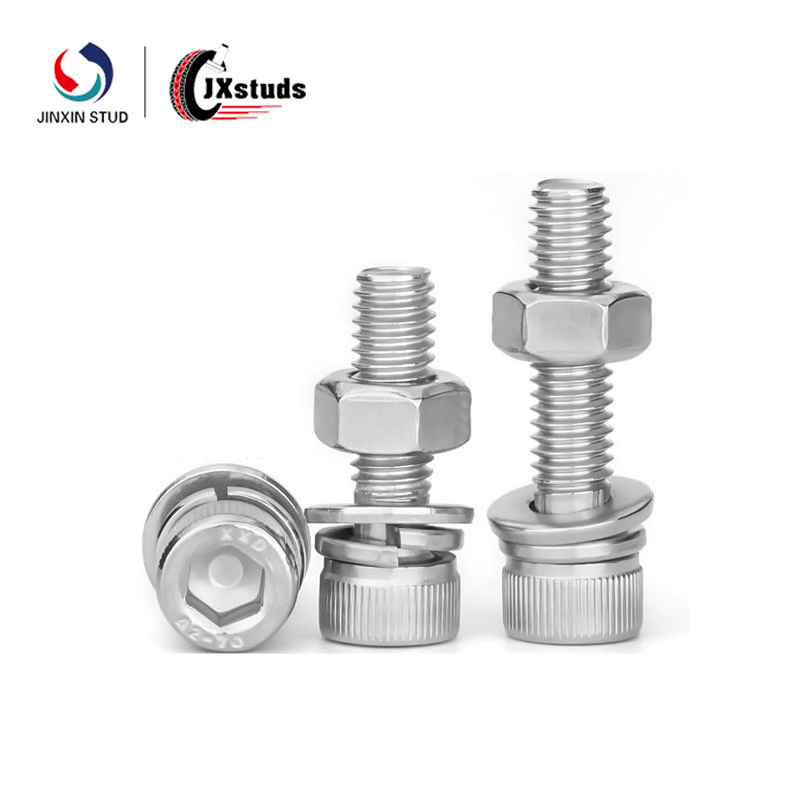
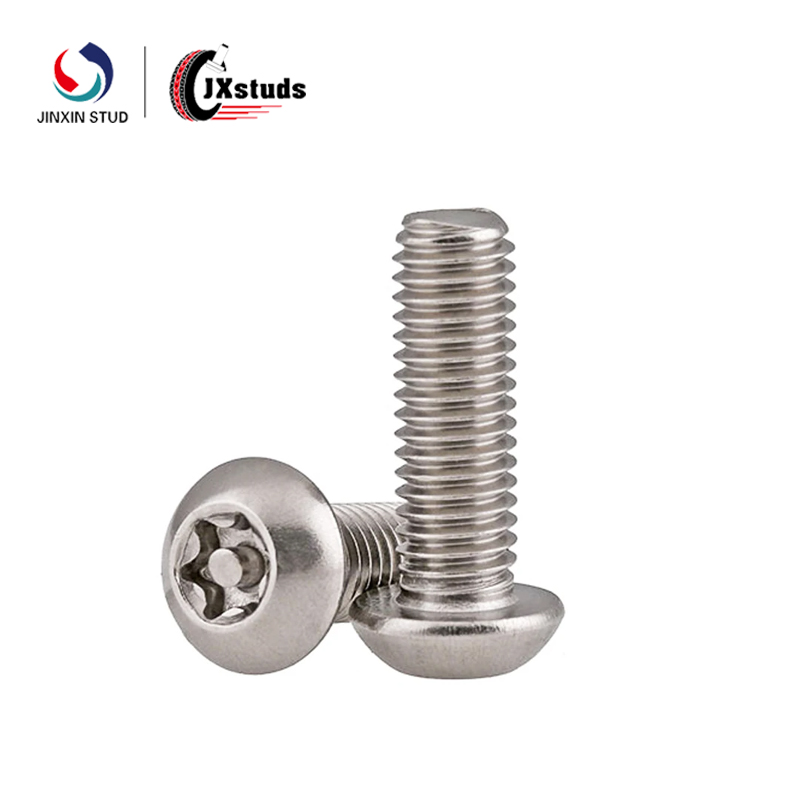
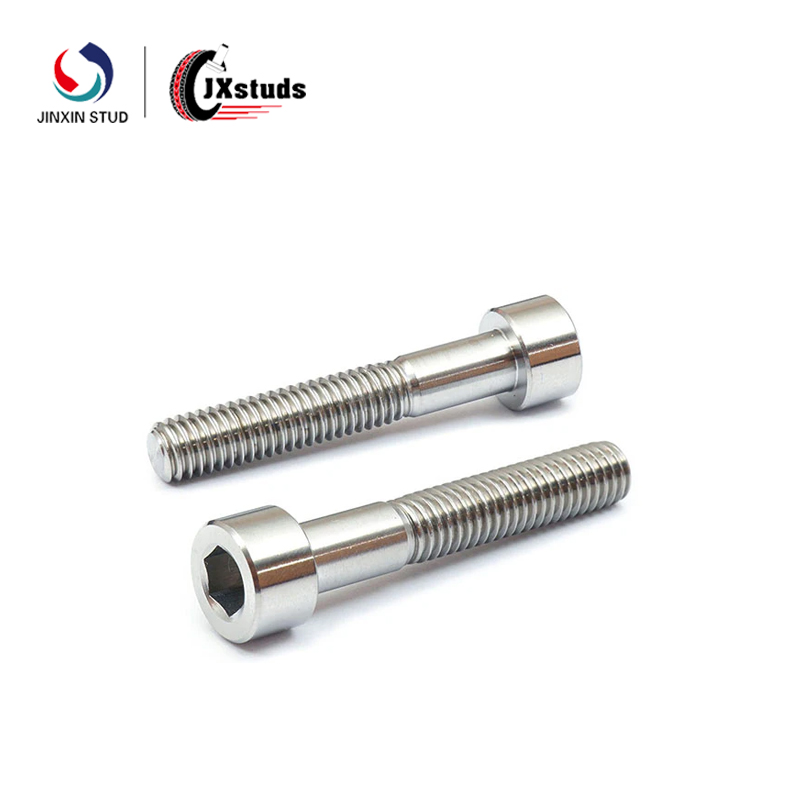
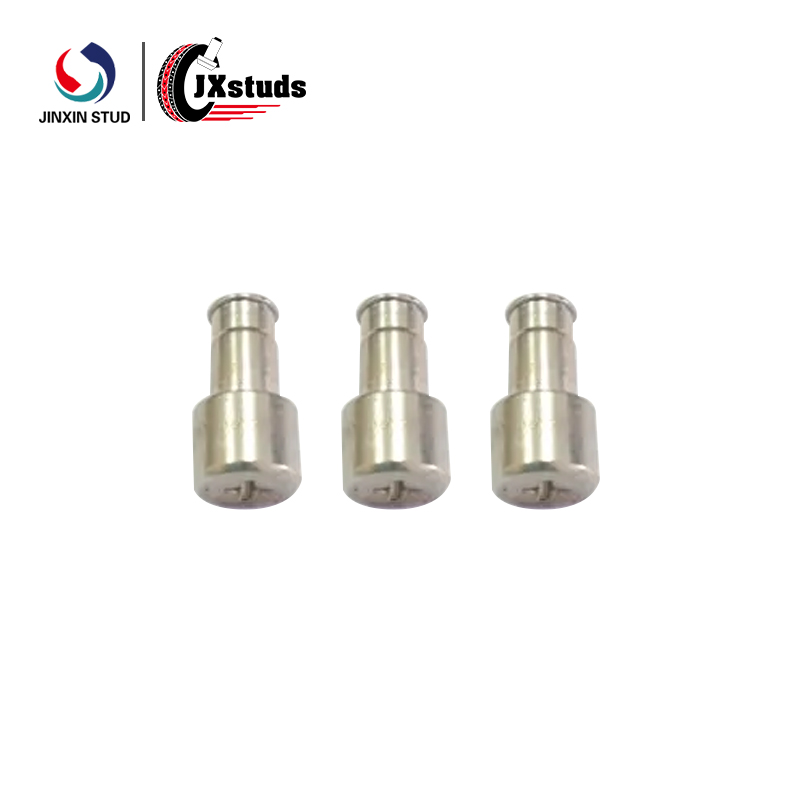
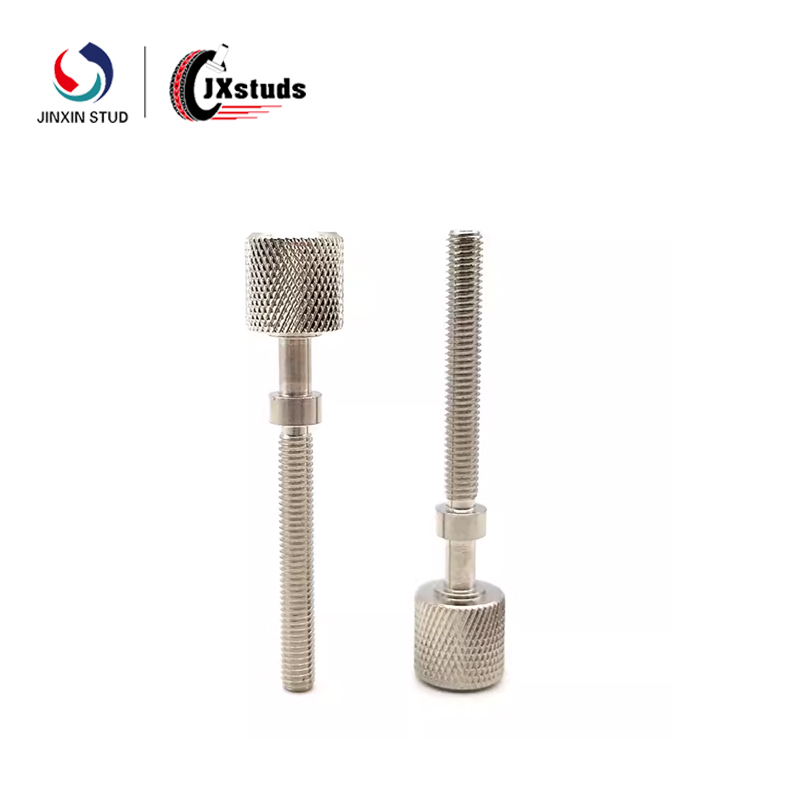
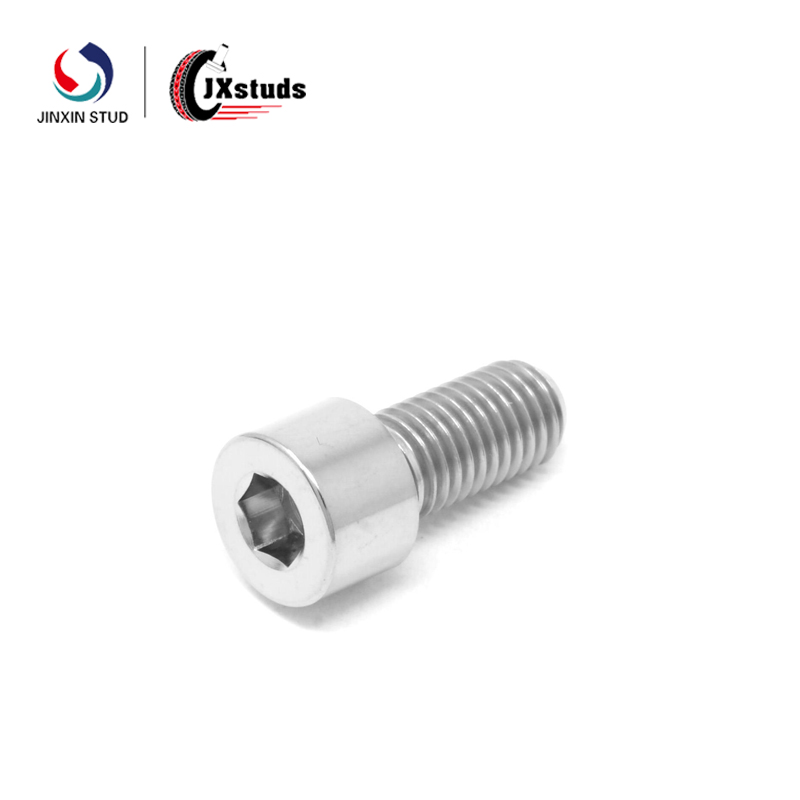
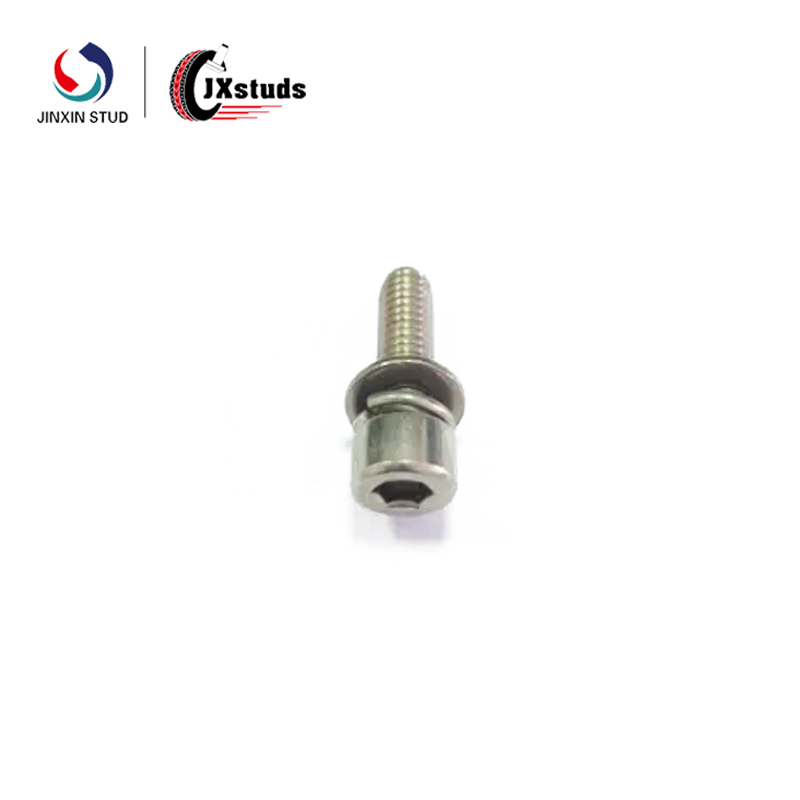
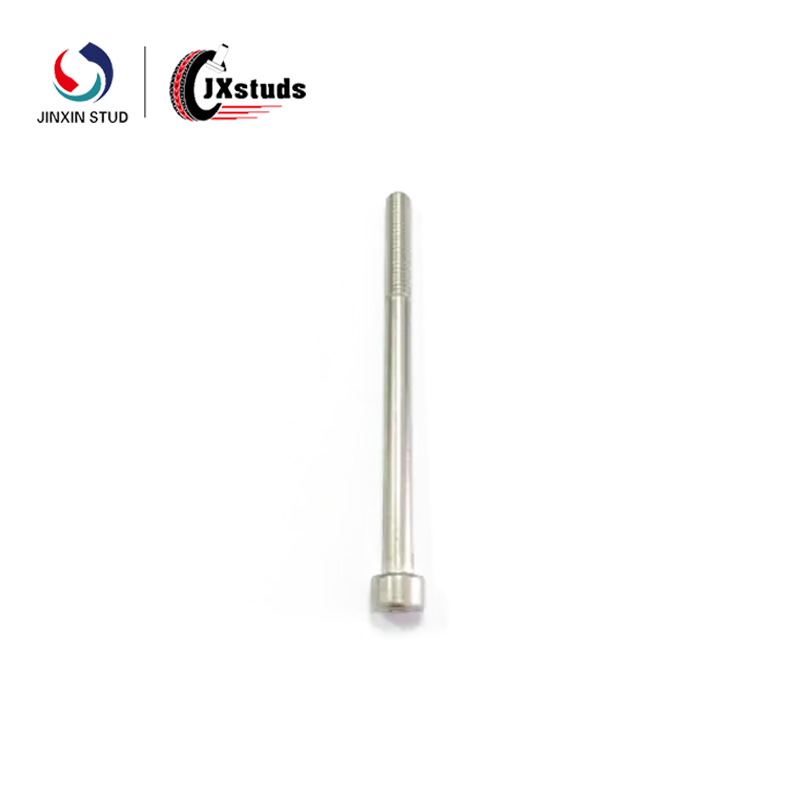
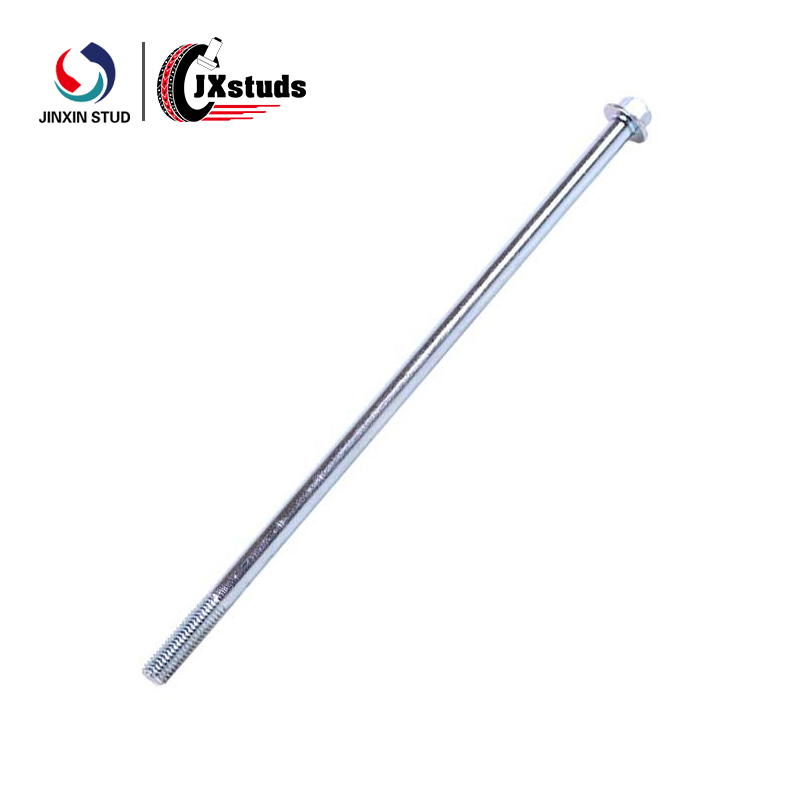
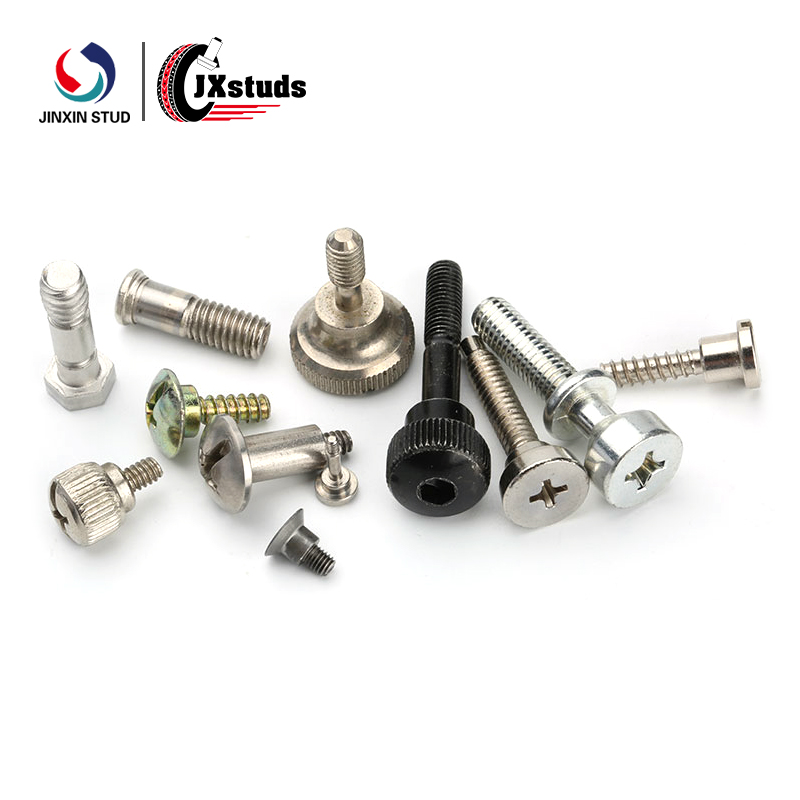
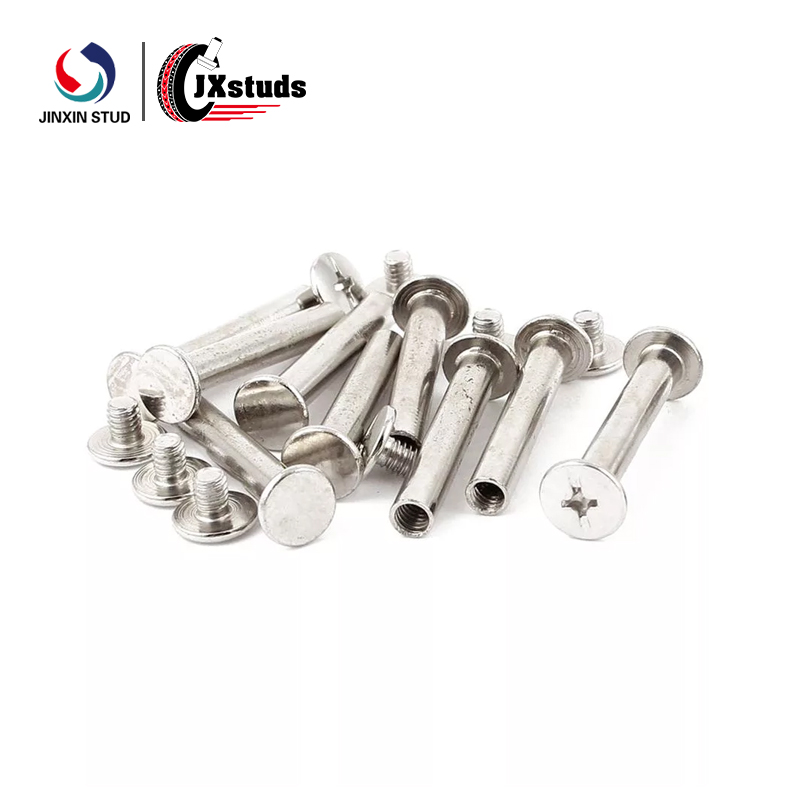
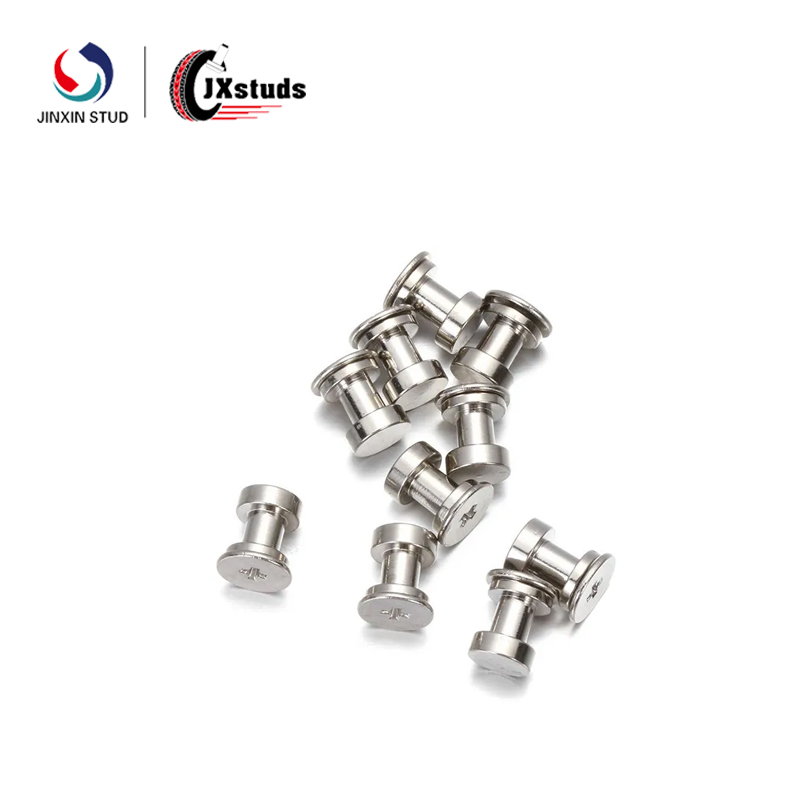
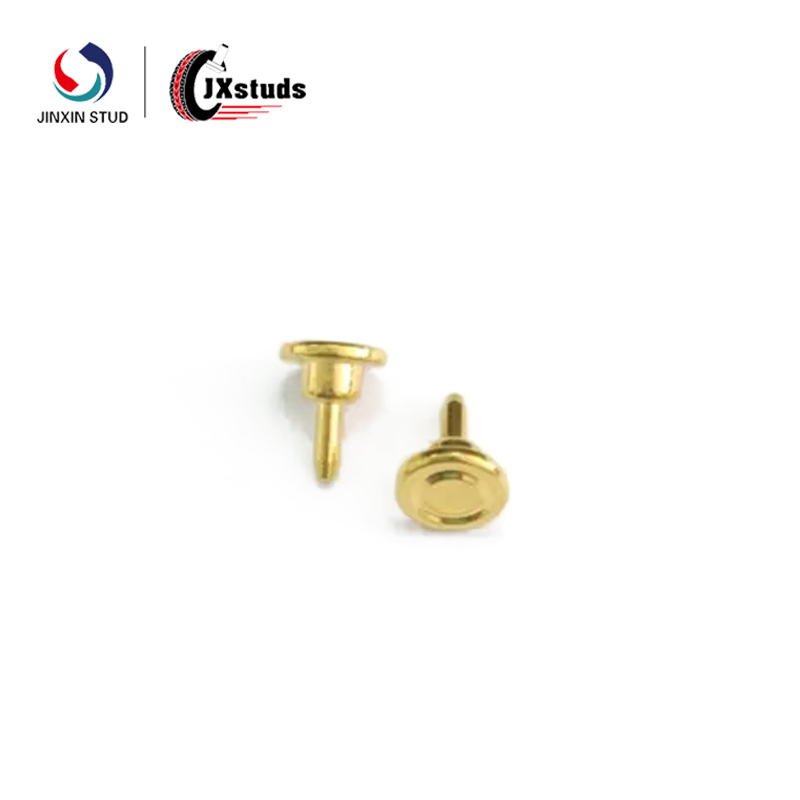
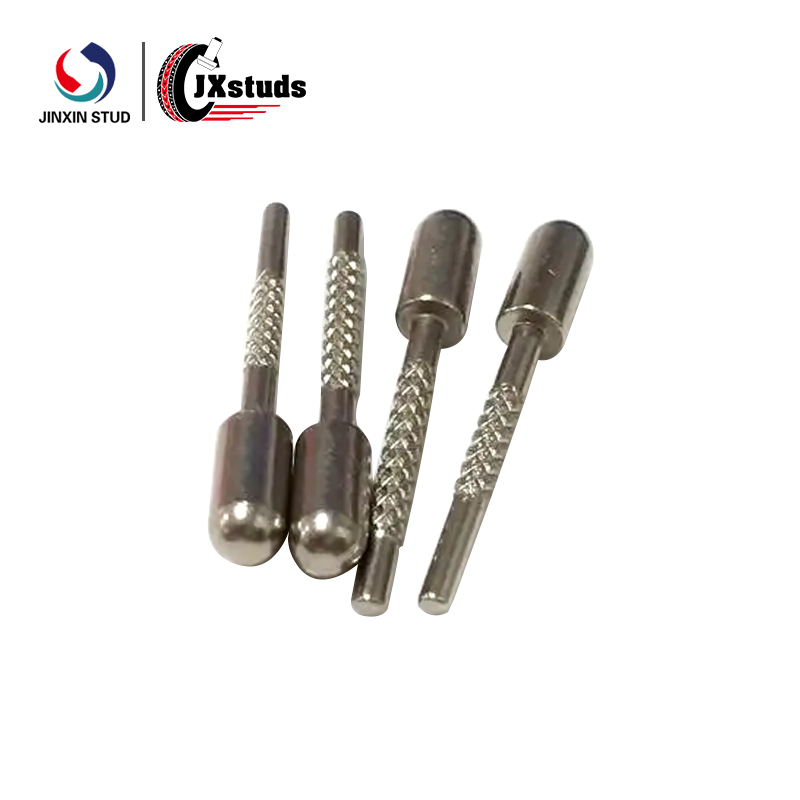
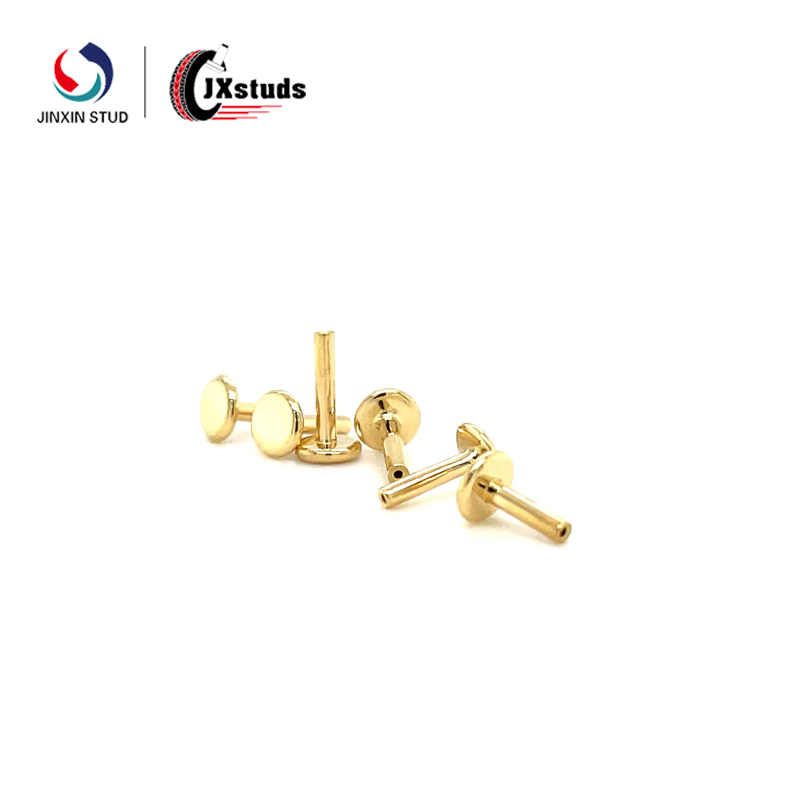
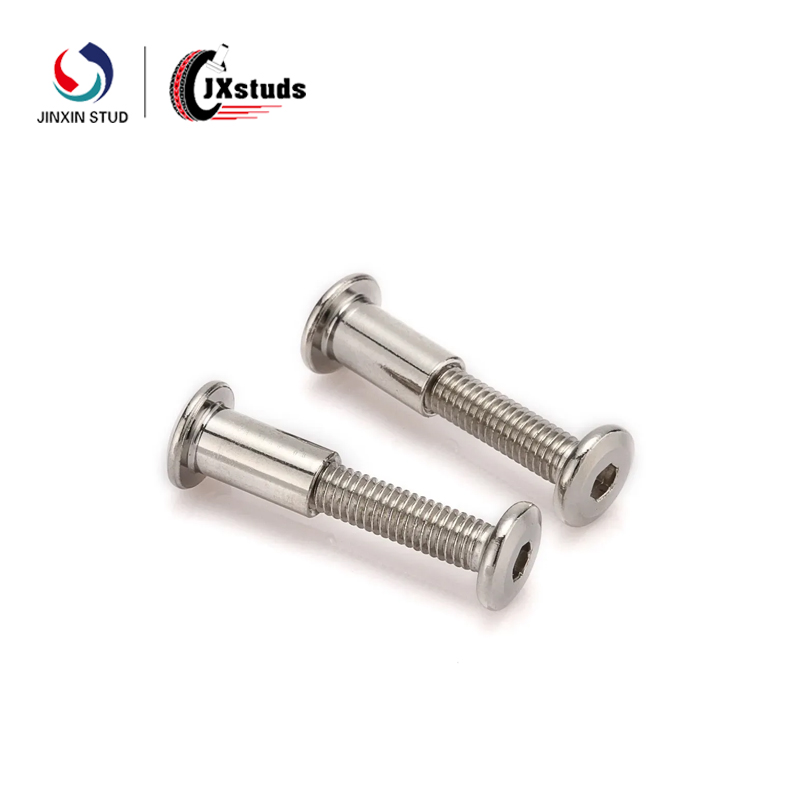
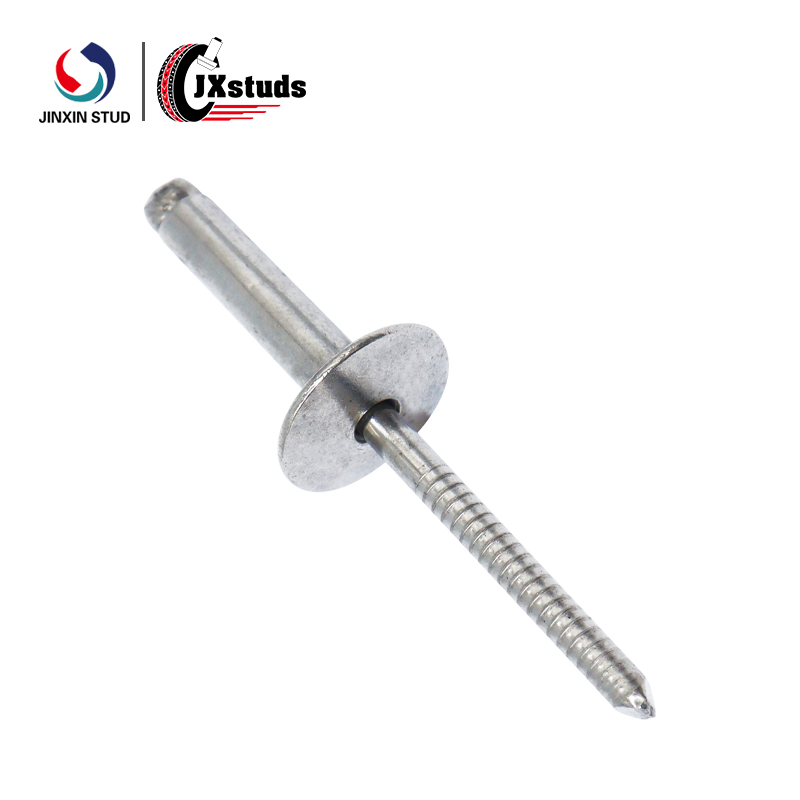
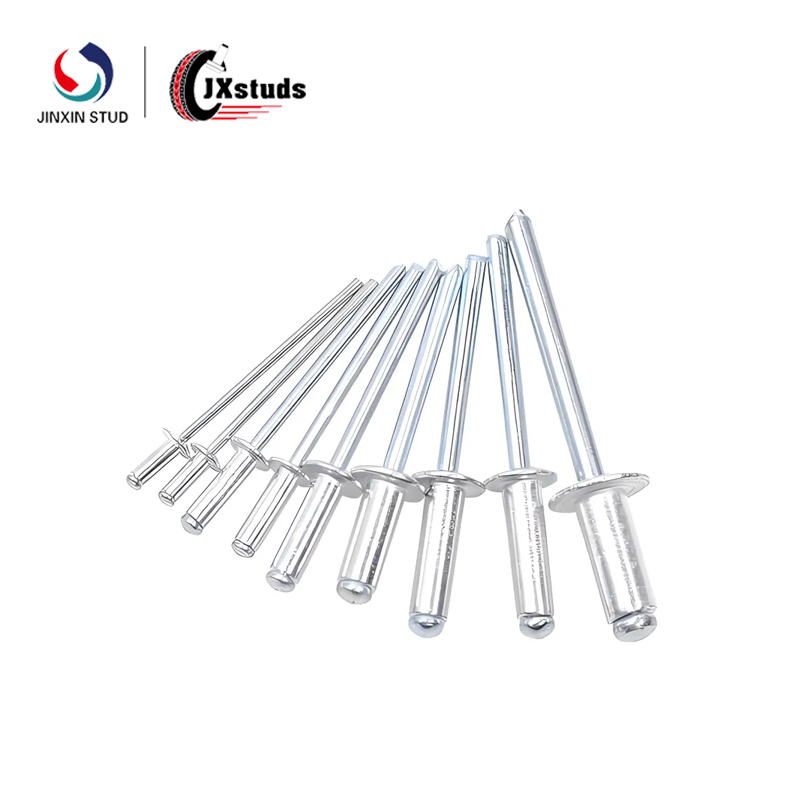
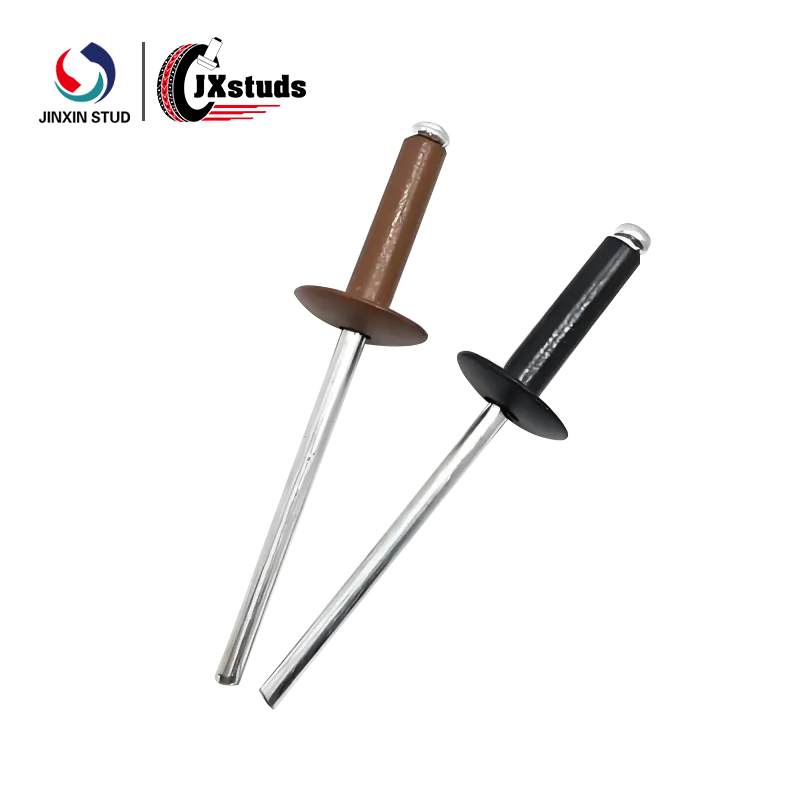
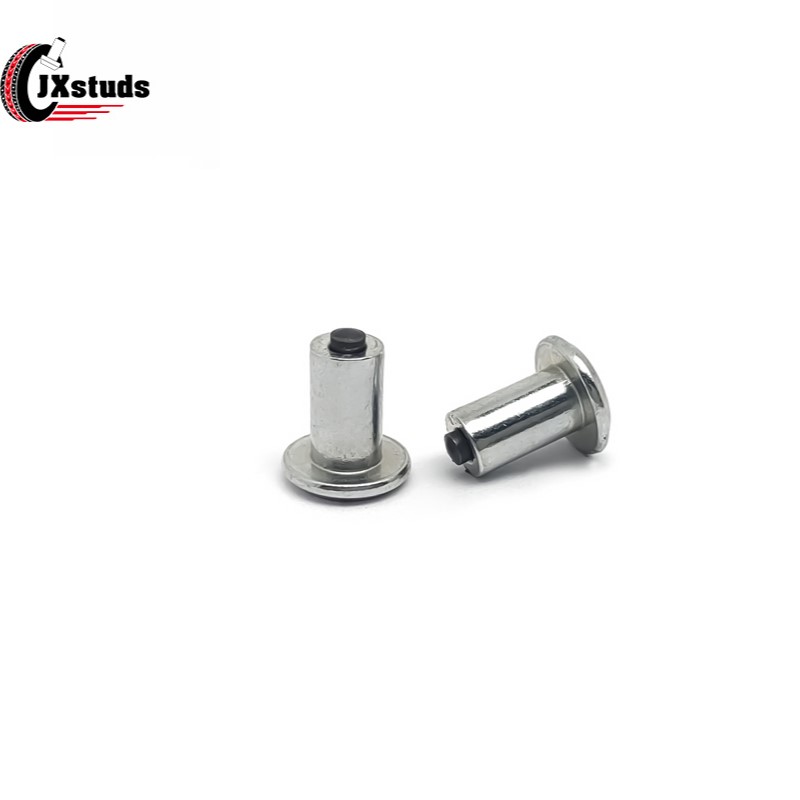
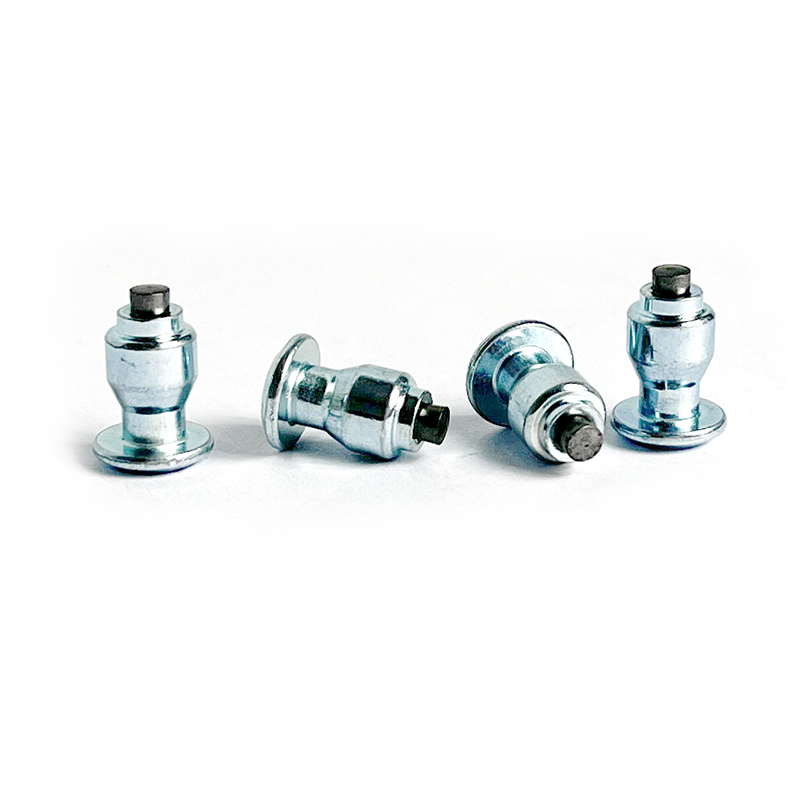
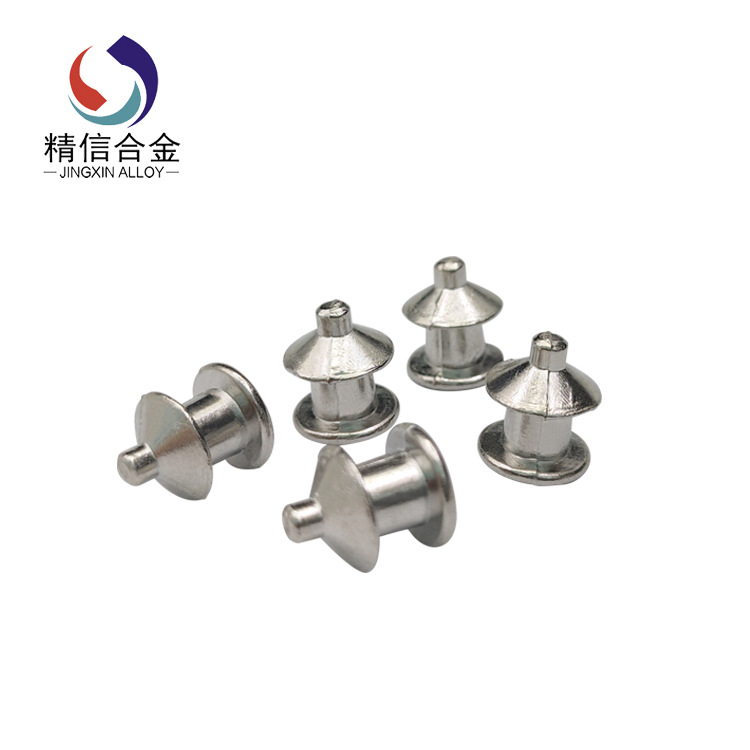
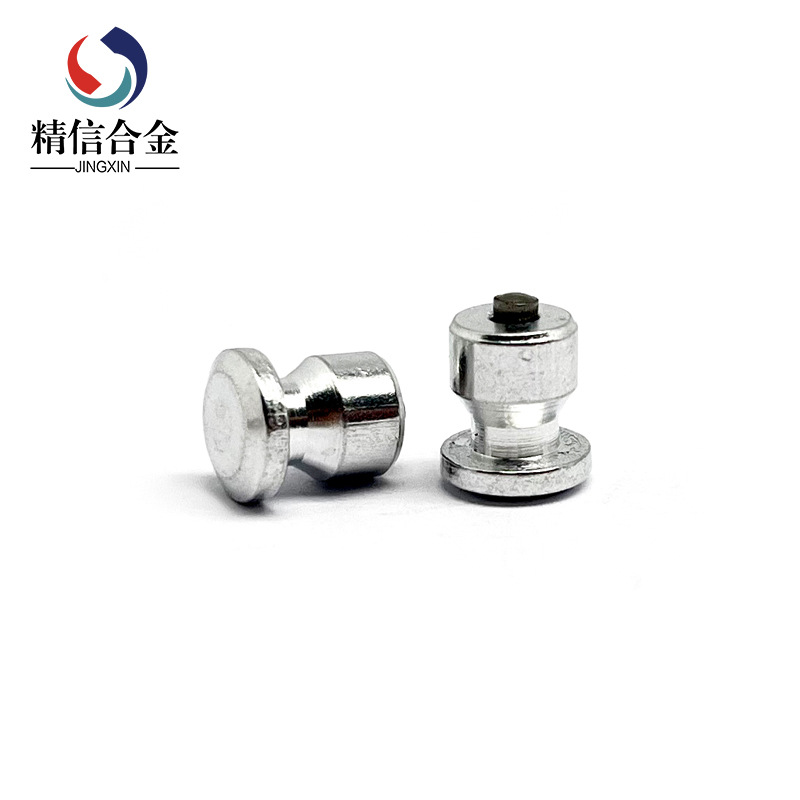
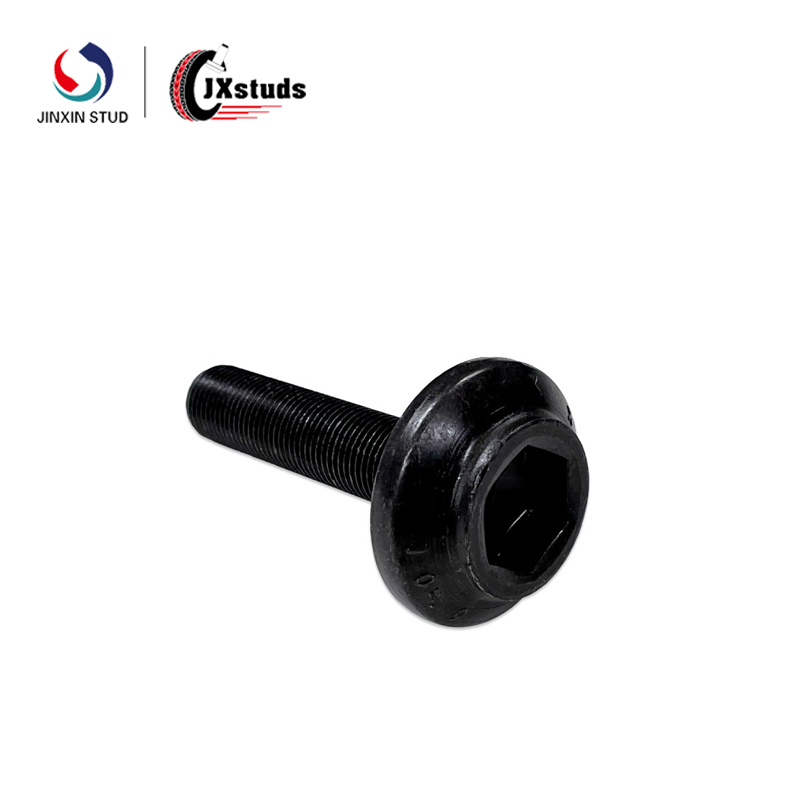
Standard threaded fasteners: Bolts: Hex head, pan head, countersunk head, cheese head (ISO, DIN, ANSI standards), Machine screws (fully threaded or partial thread), Selfstapping screws for plastics and sheet metal, Threadsforming screws Rivets & pins:Solid rivets (all head styles), Semistubular rivets, Blind rivet bodies (pop rivets), Grooved pins and dowel pins, Split pins (cotter pins)
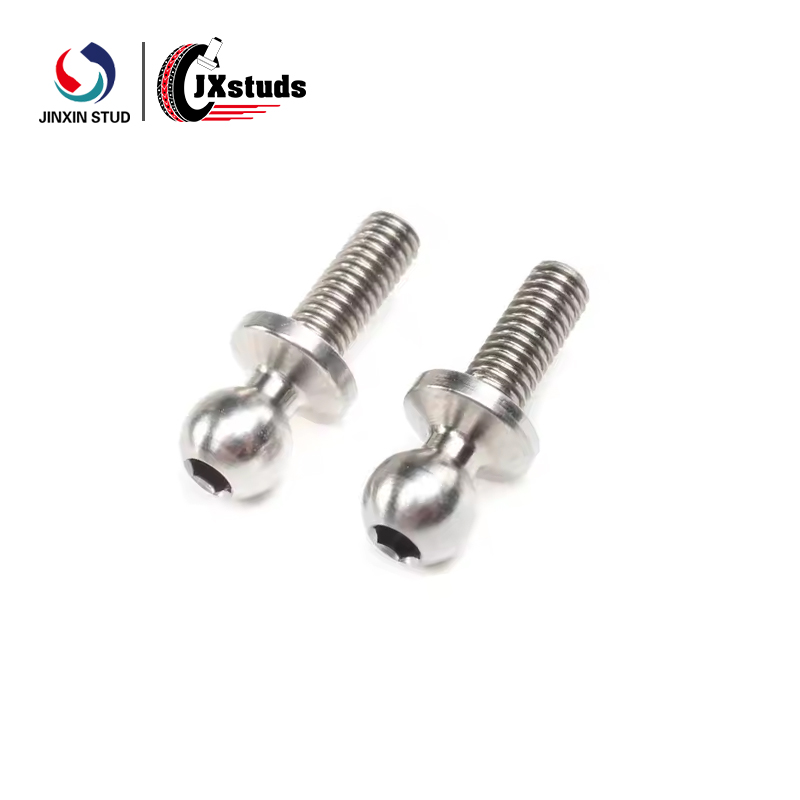
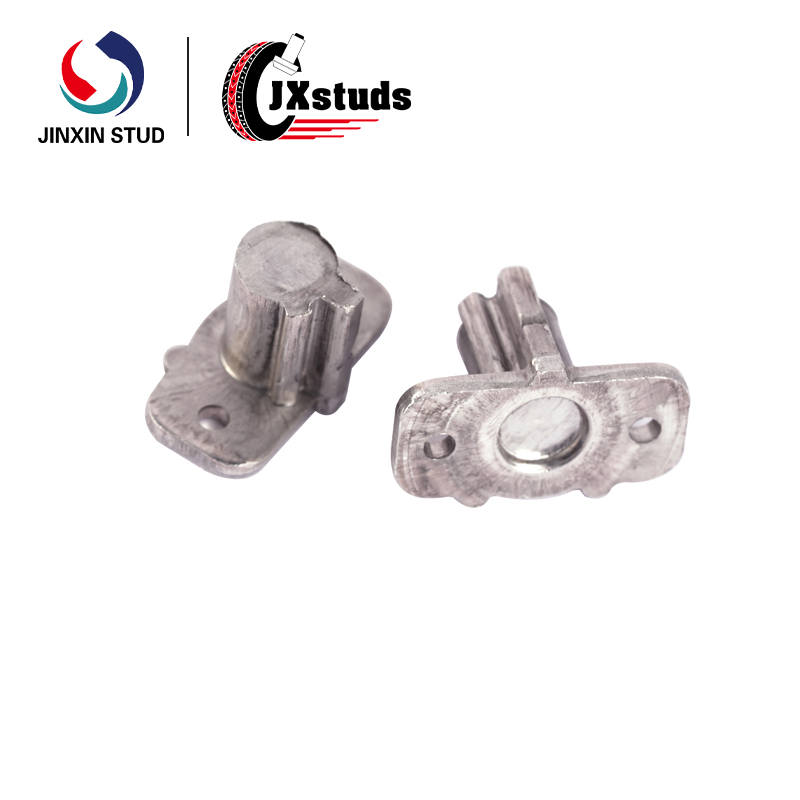
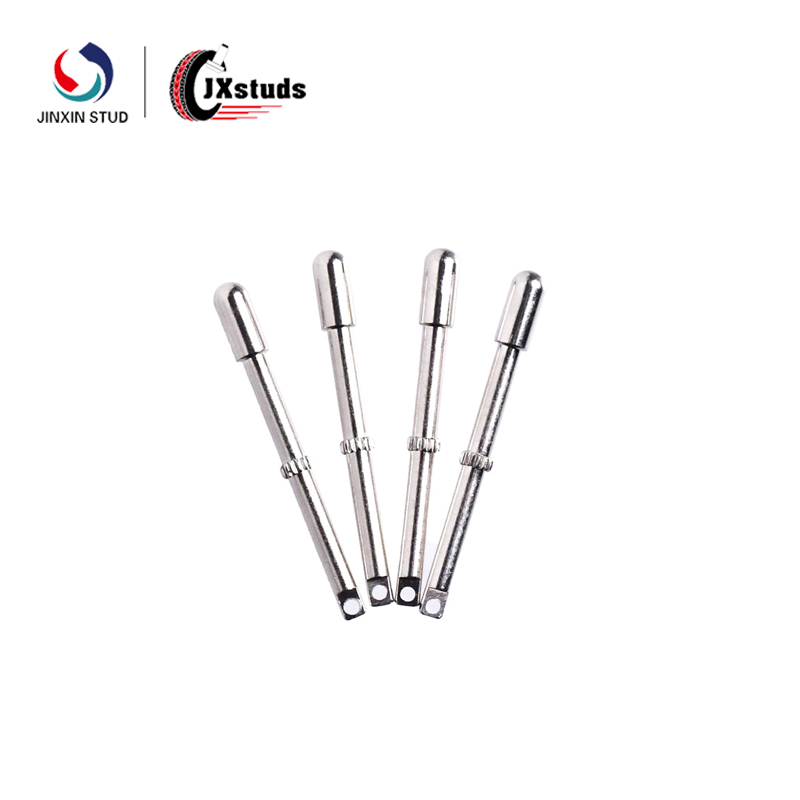
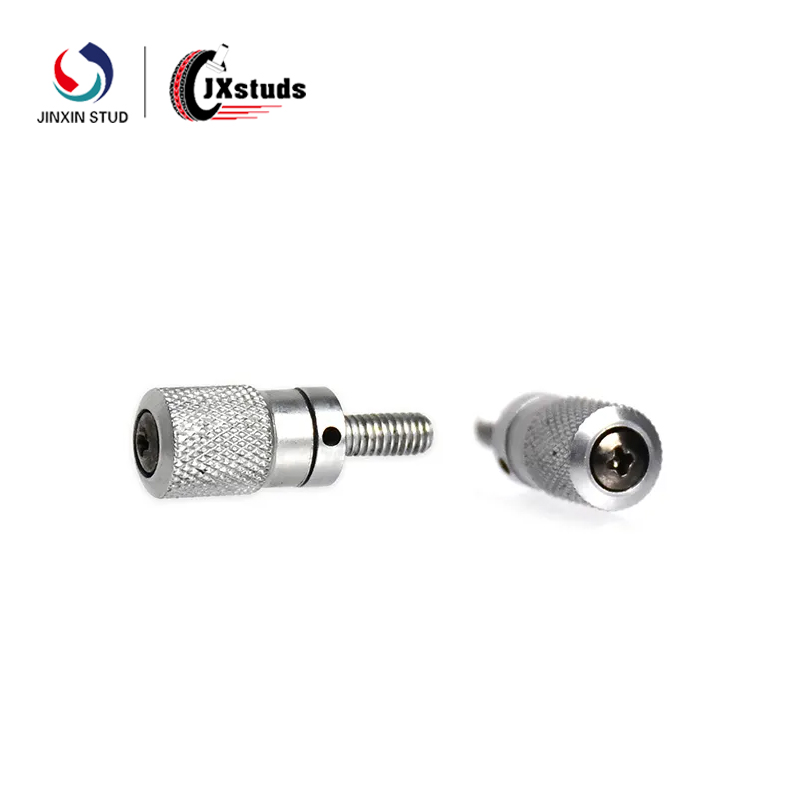
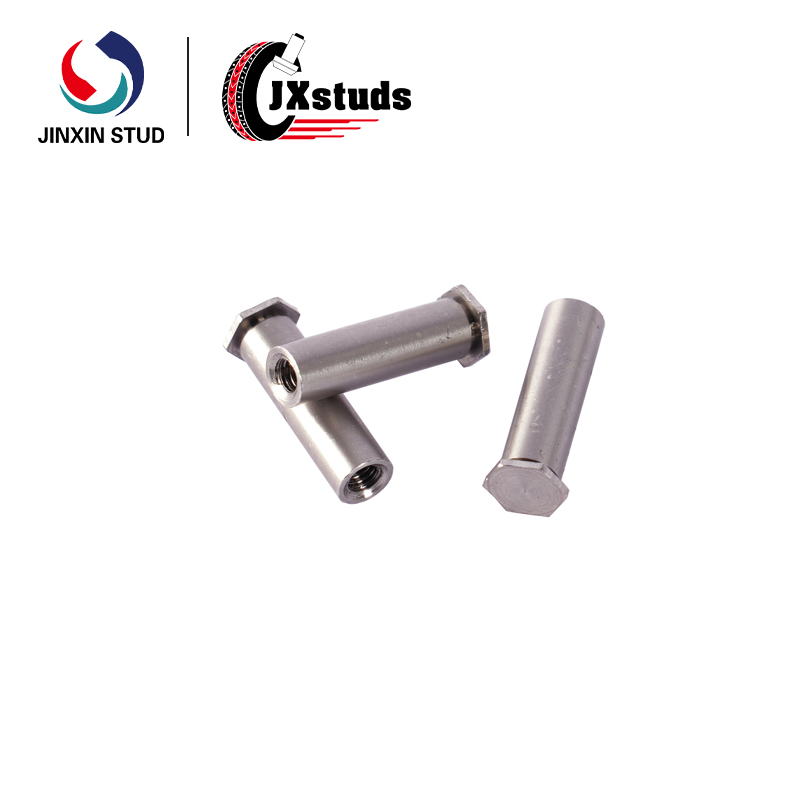
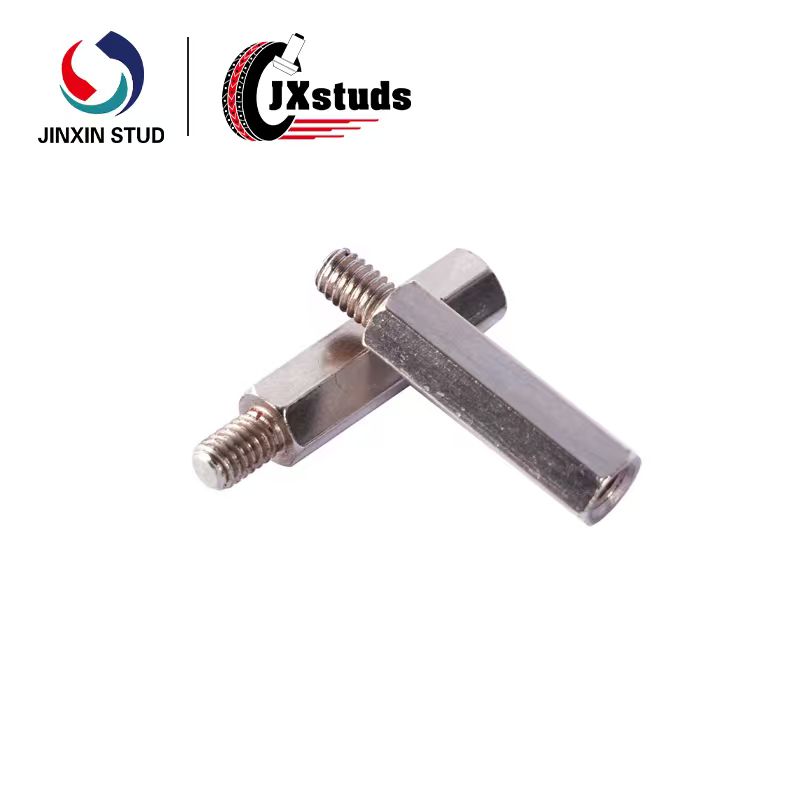
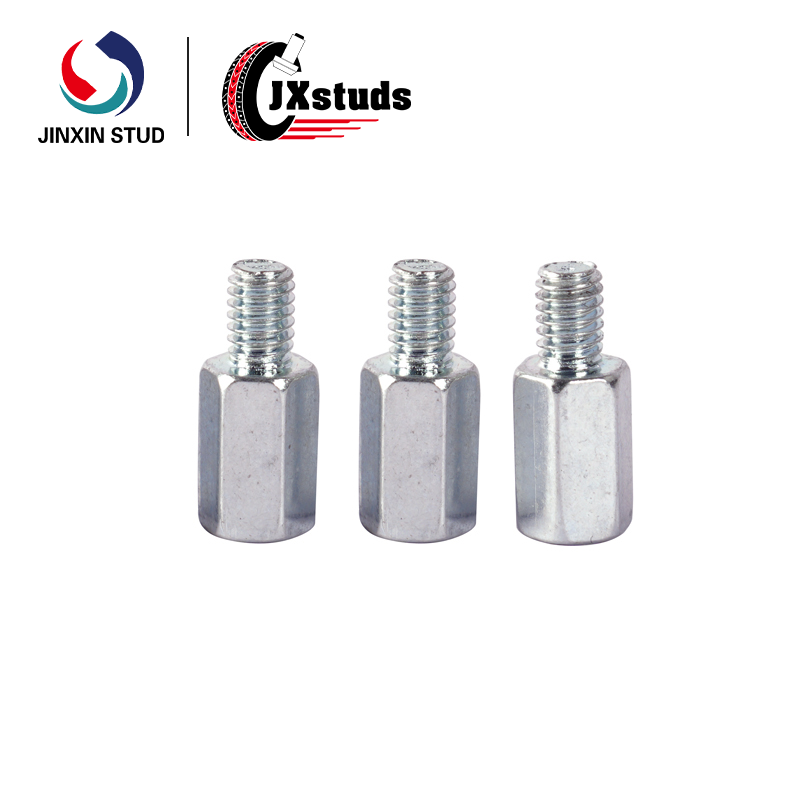
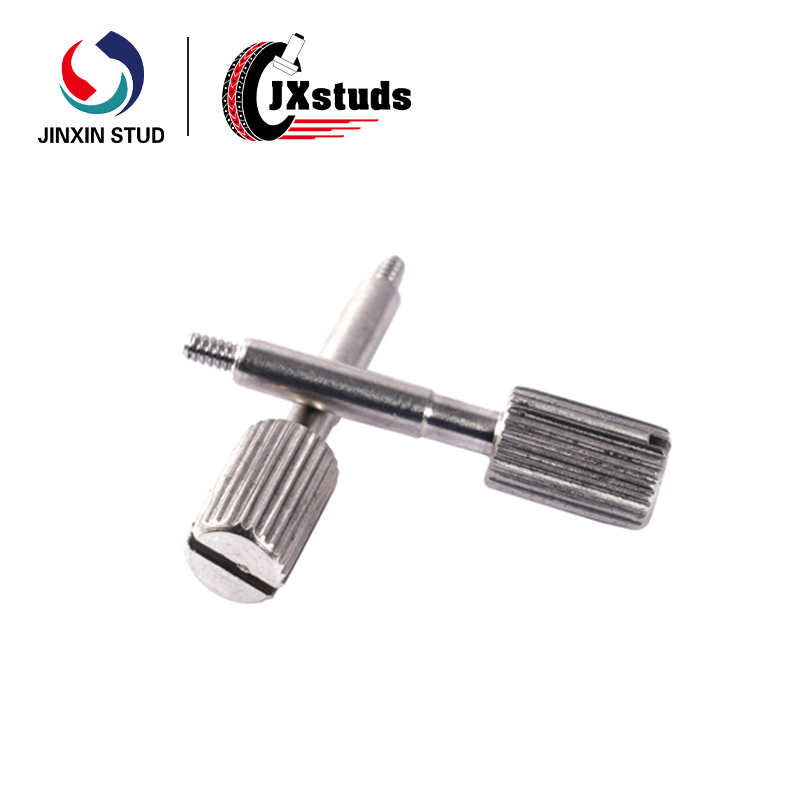
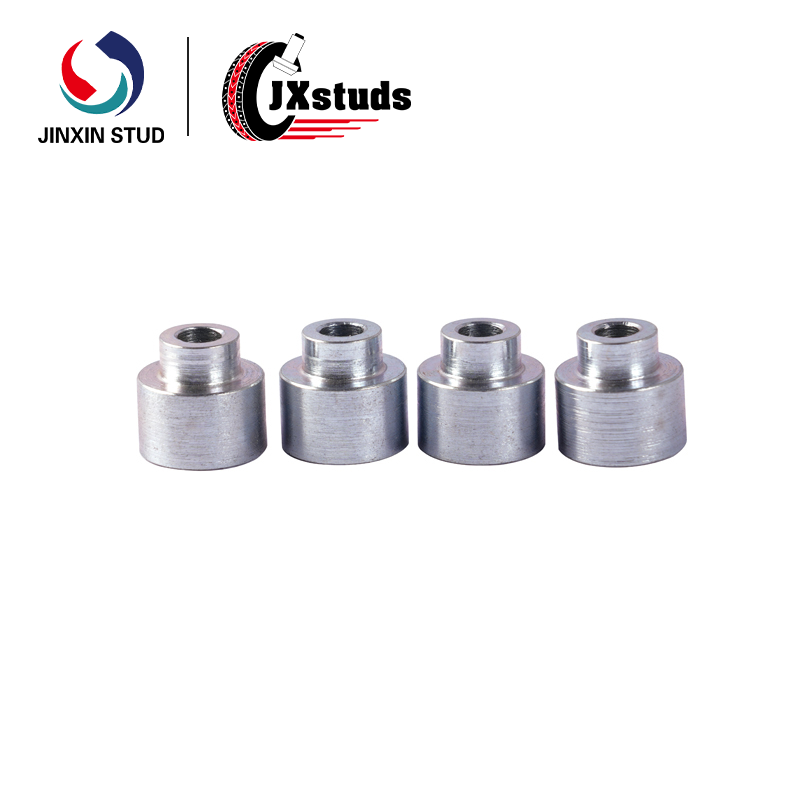
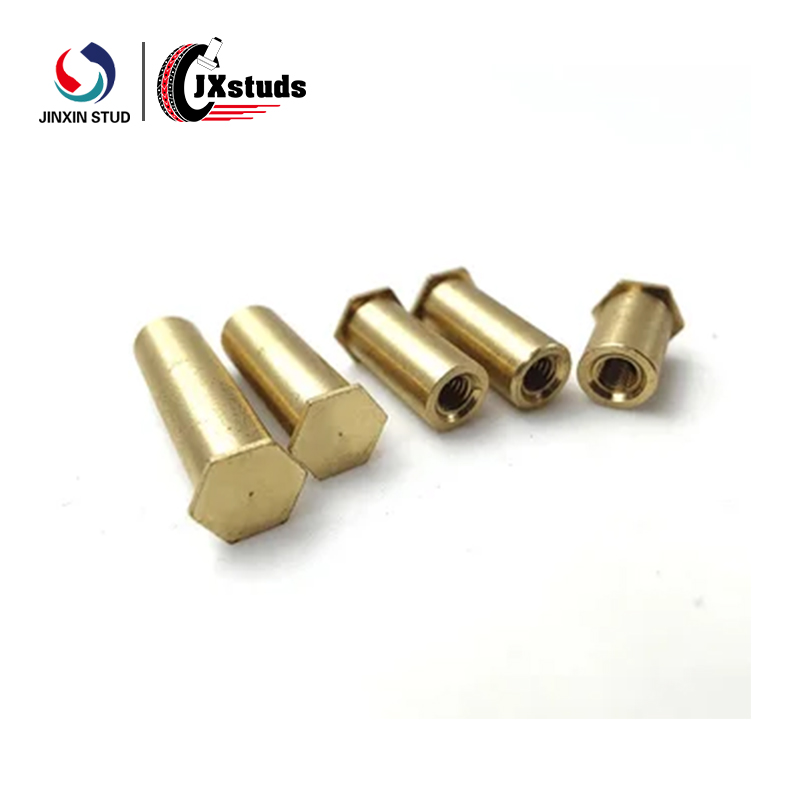
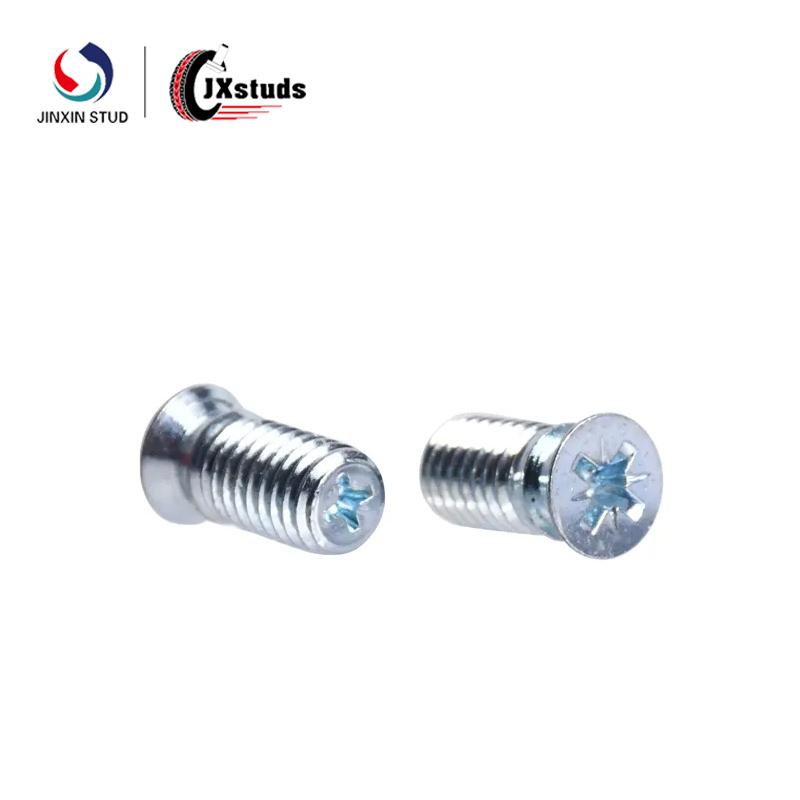
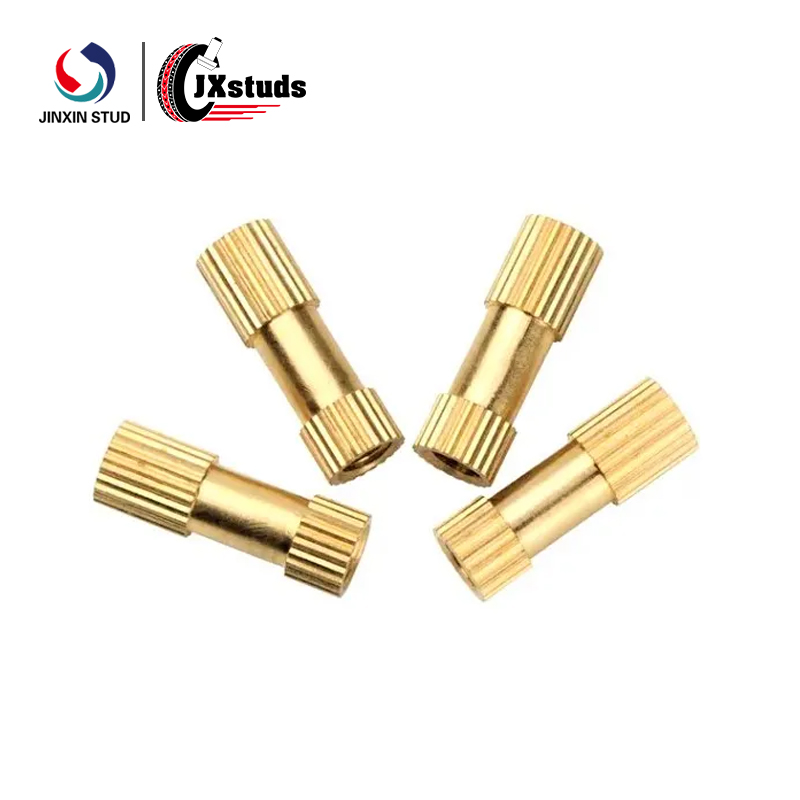
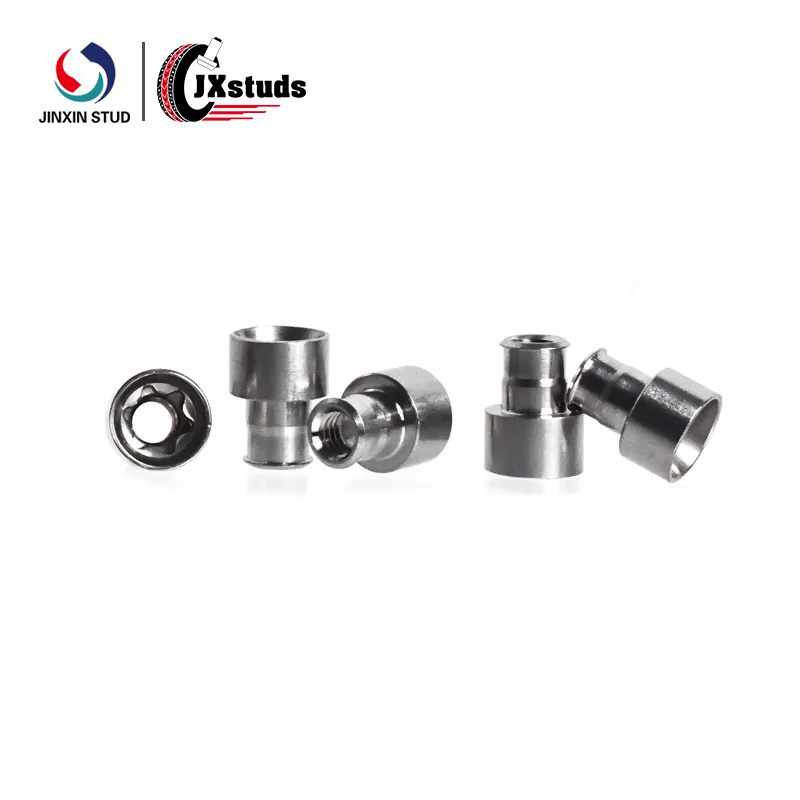
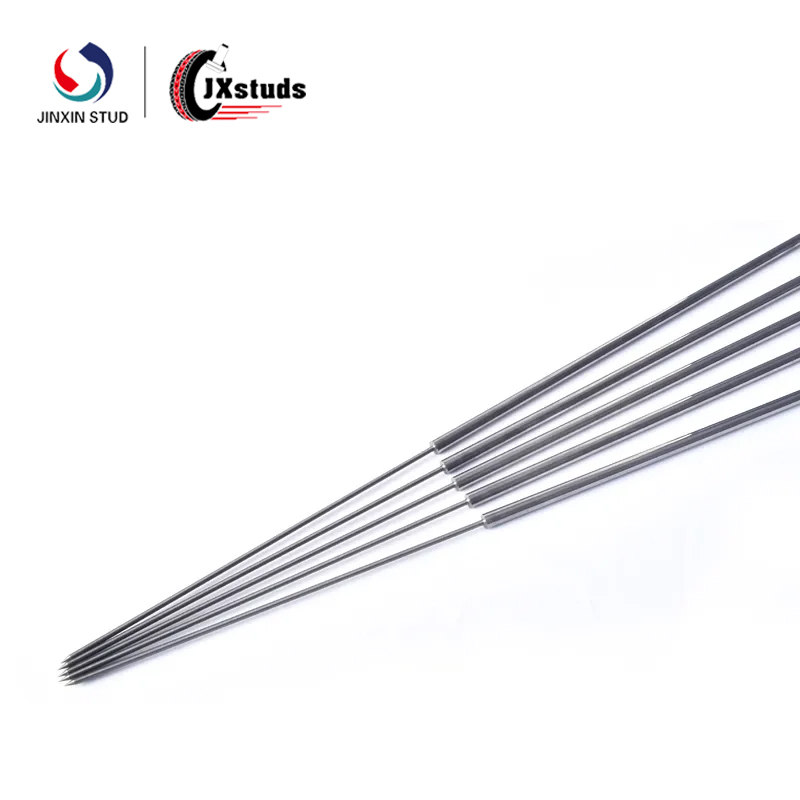
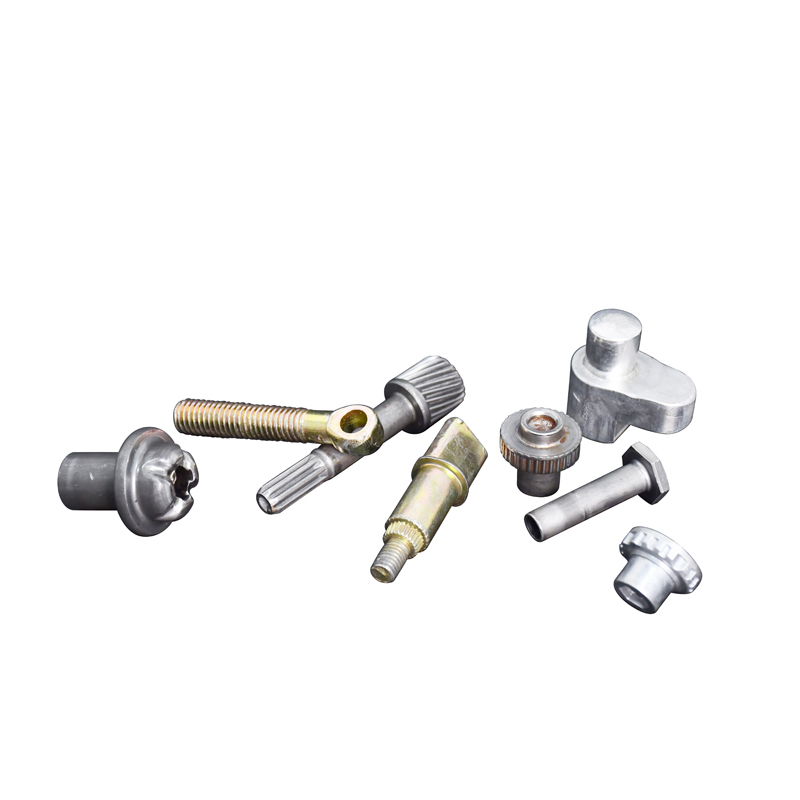
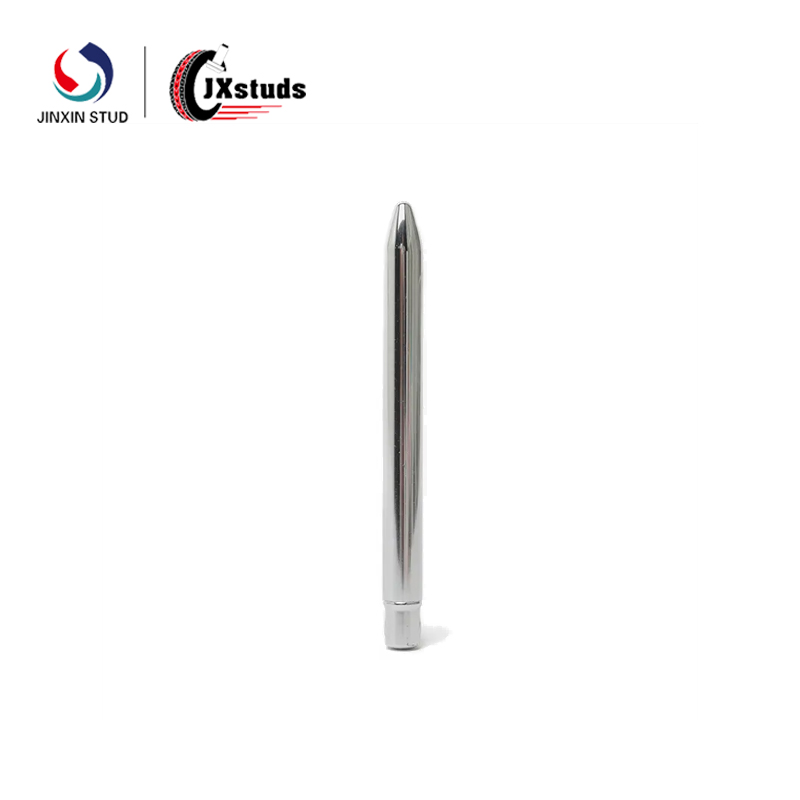
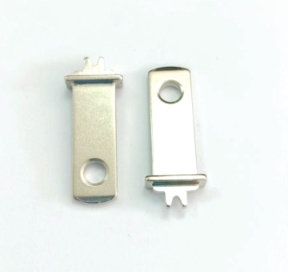
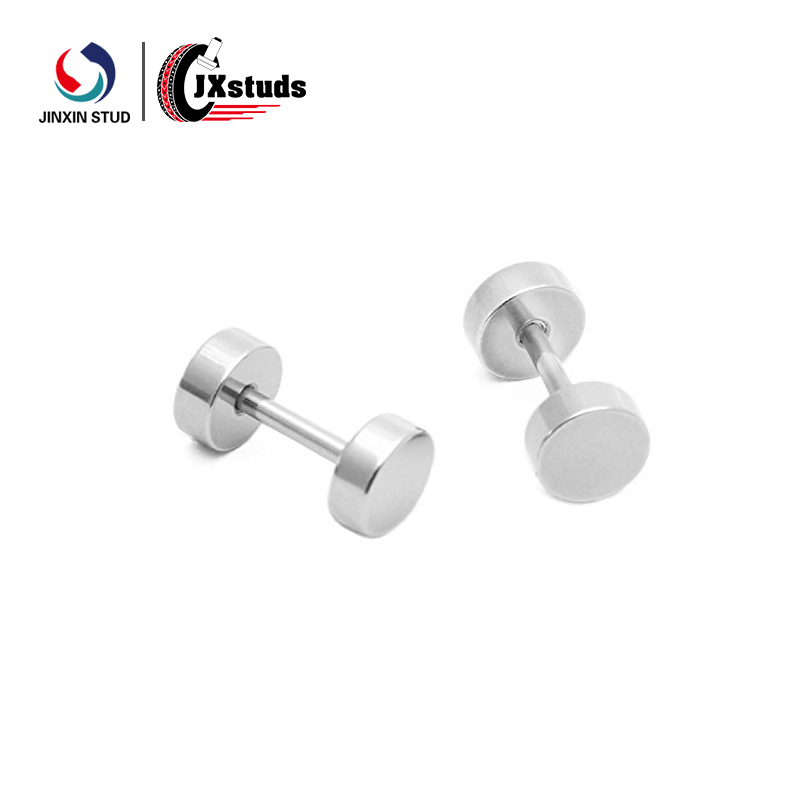
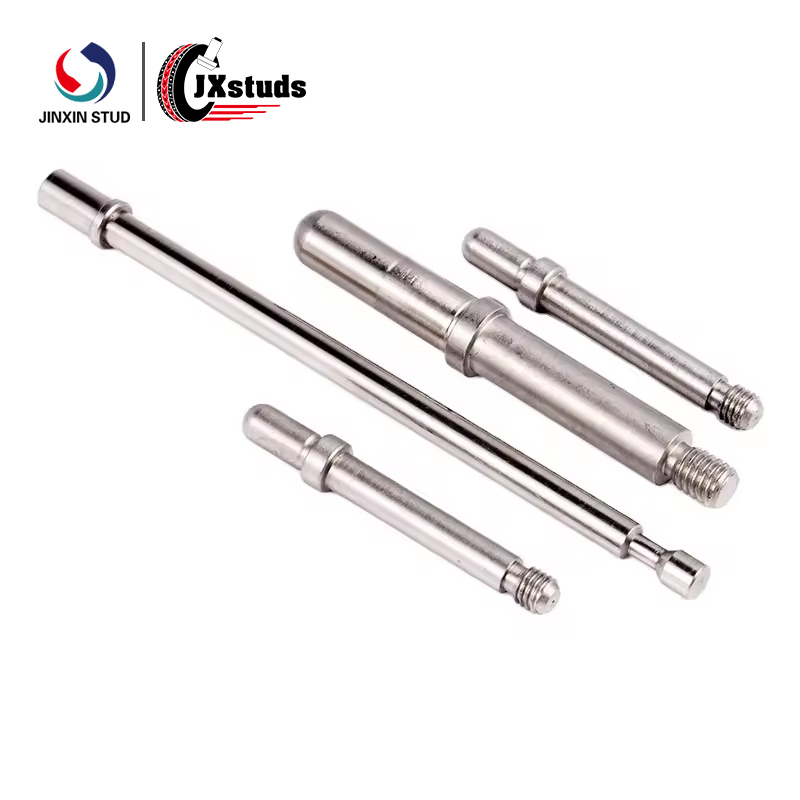
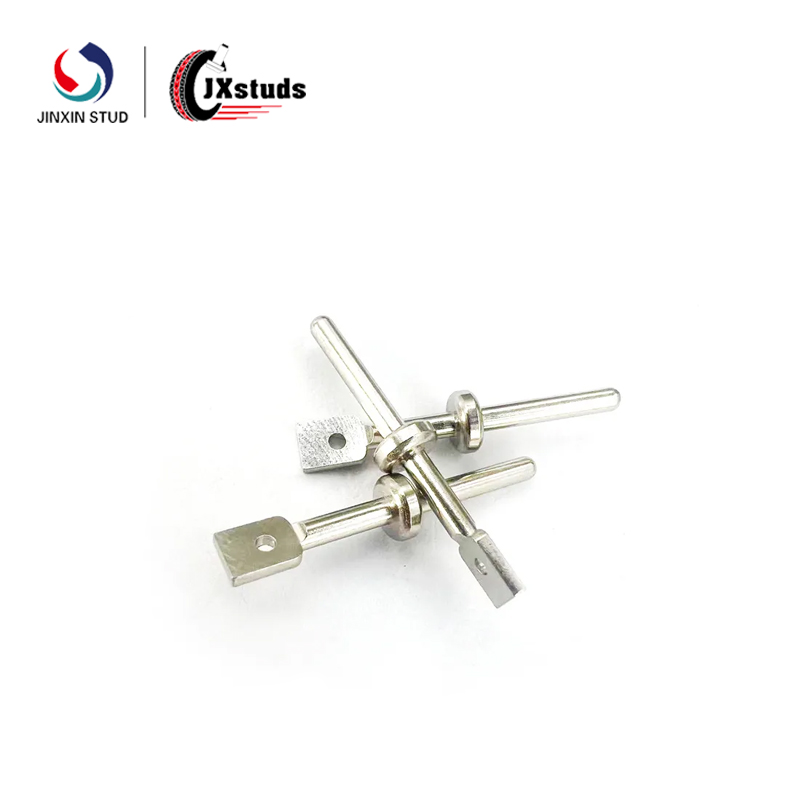
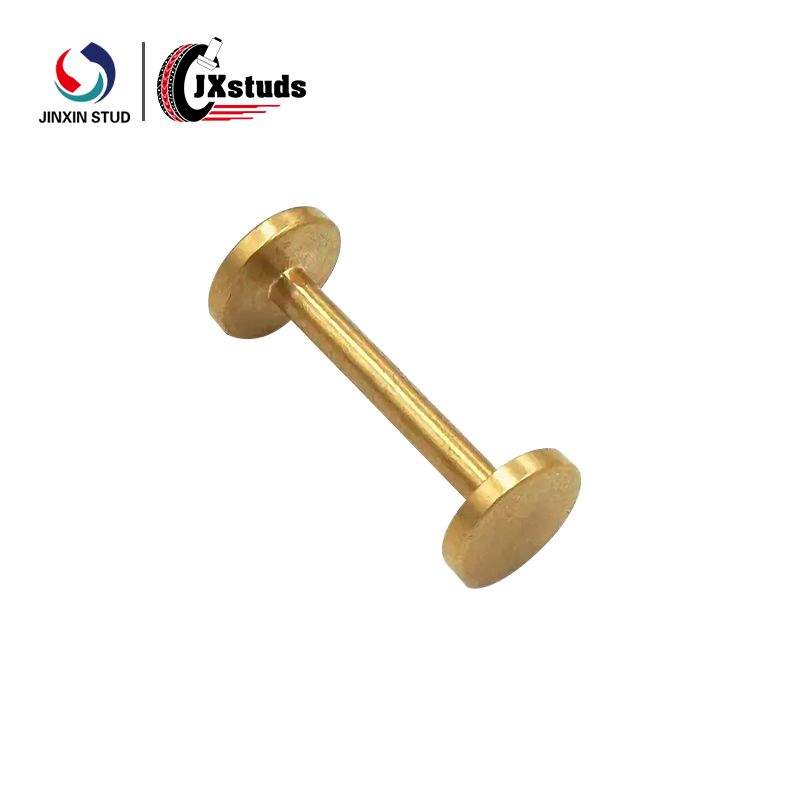
Precision small parts: Electronic screws (M3, M4 for laptop/consumer electronics), Standoffs and spacers (via piercing station), Battery contacts and terminal pins, Small shafts for motors and actuators
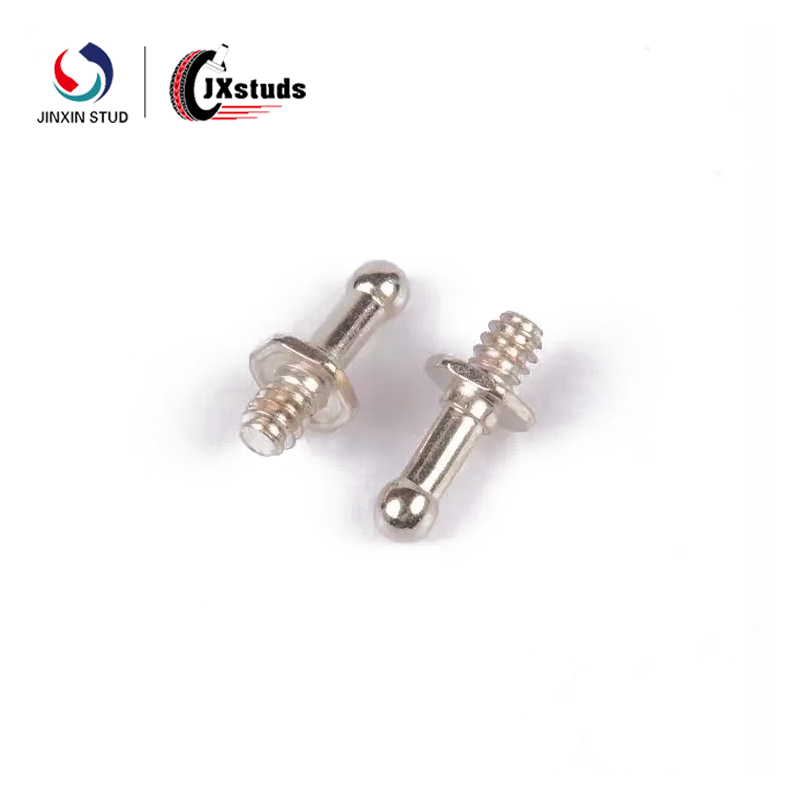
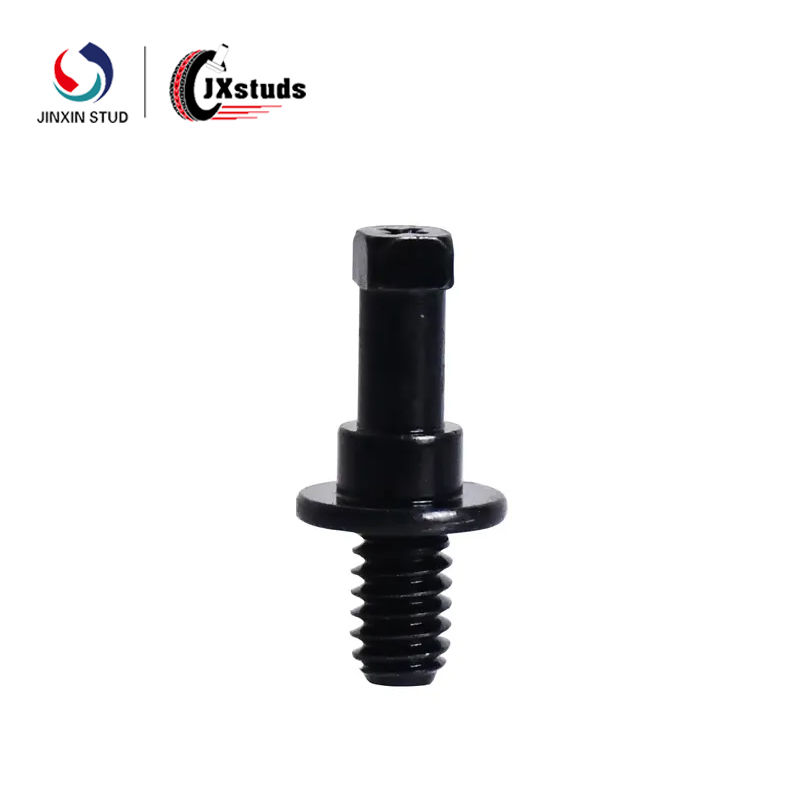
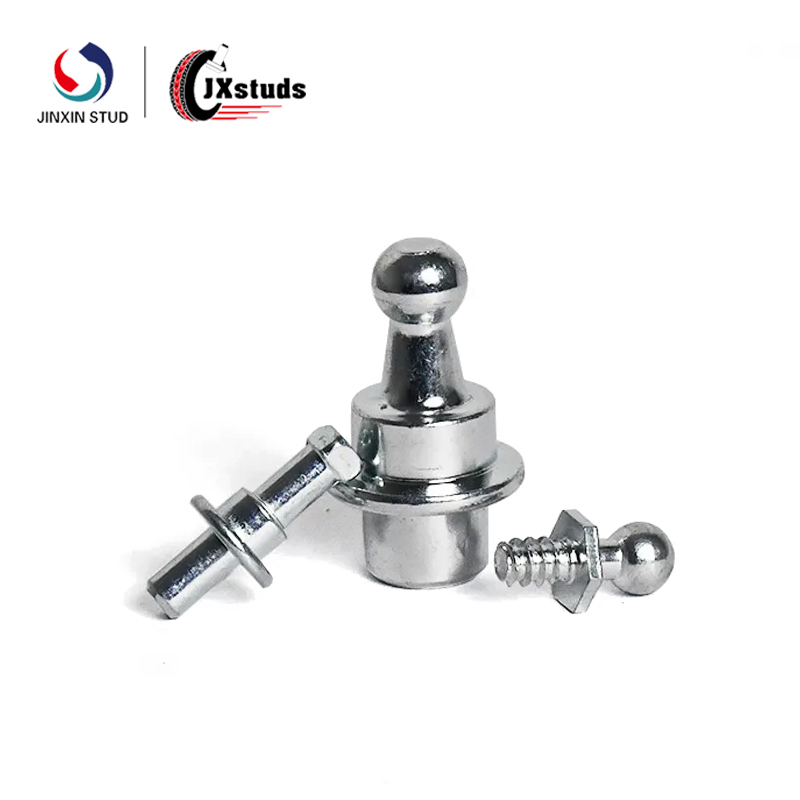
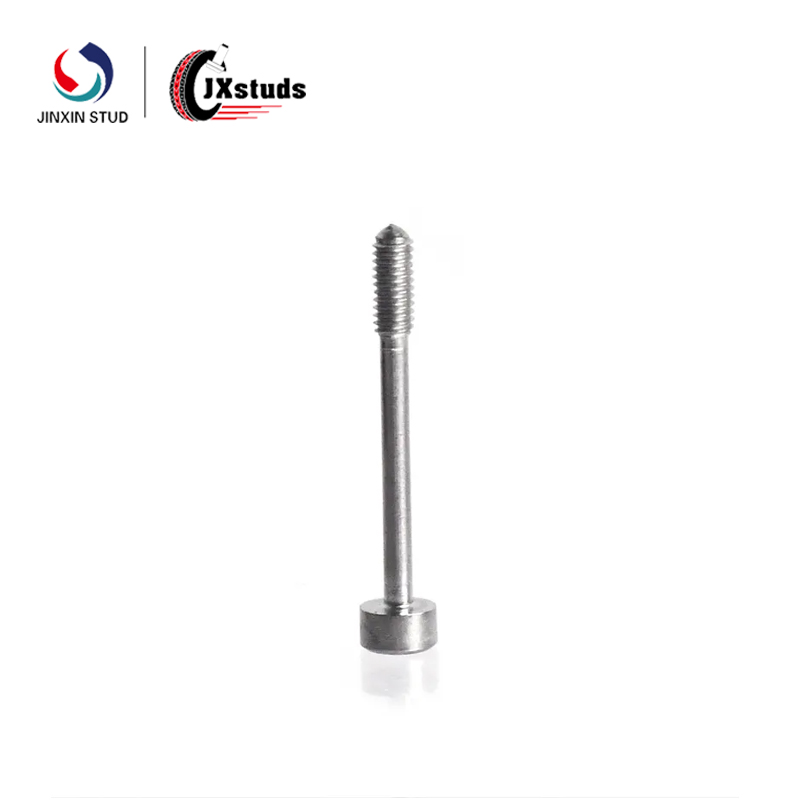
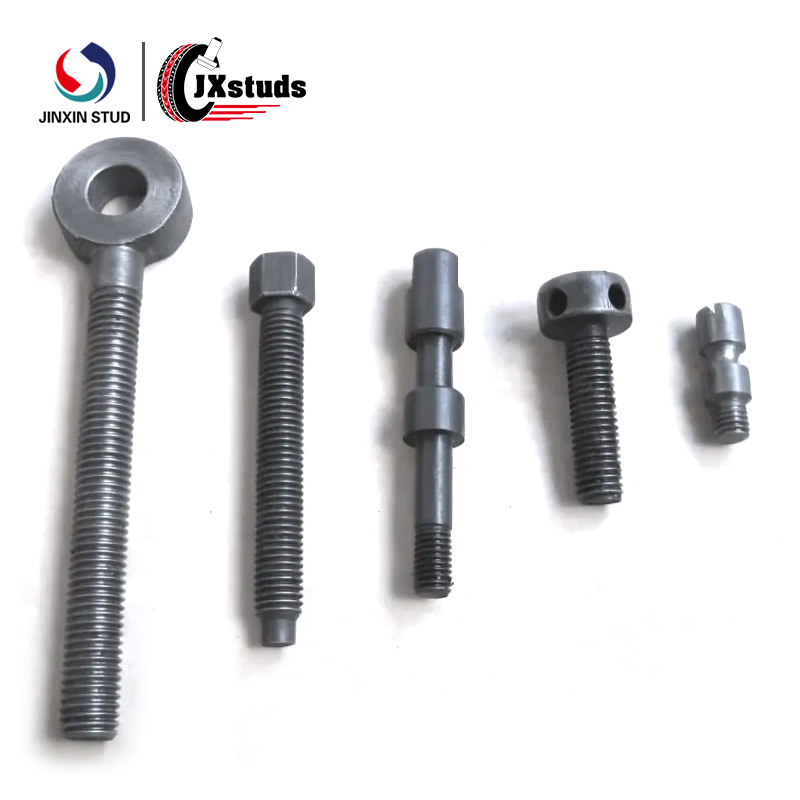
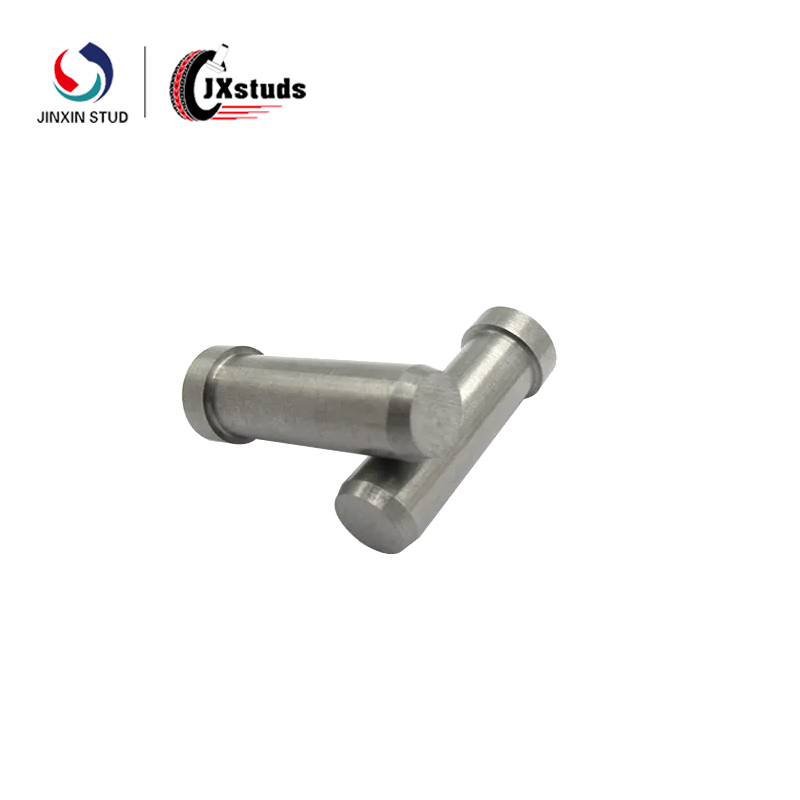
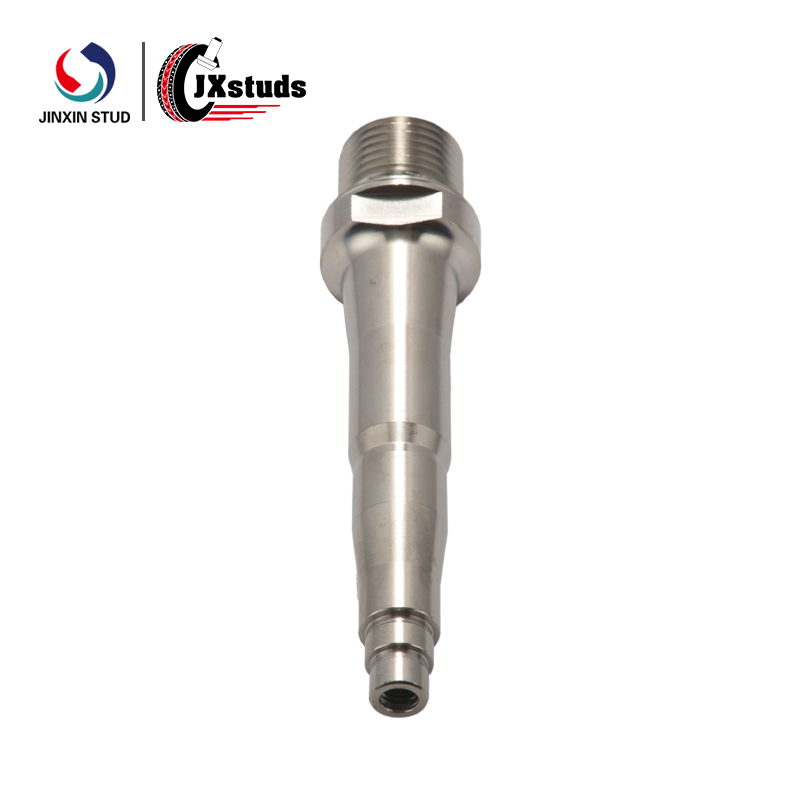
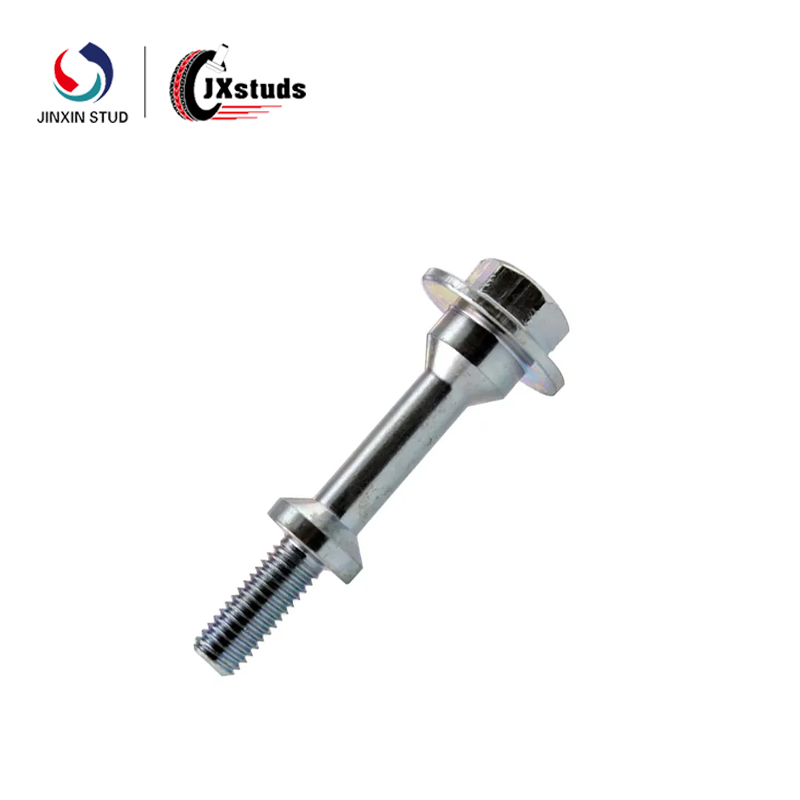
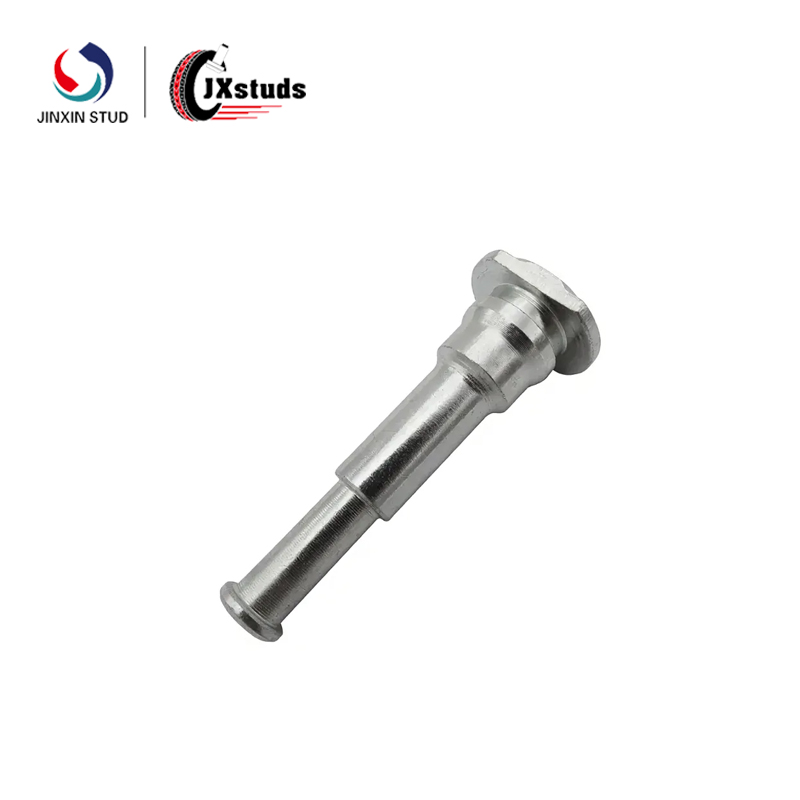
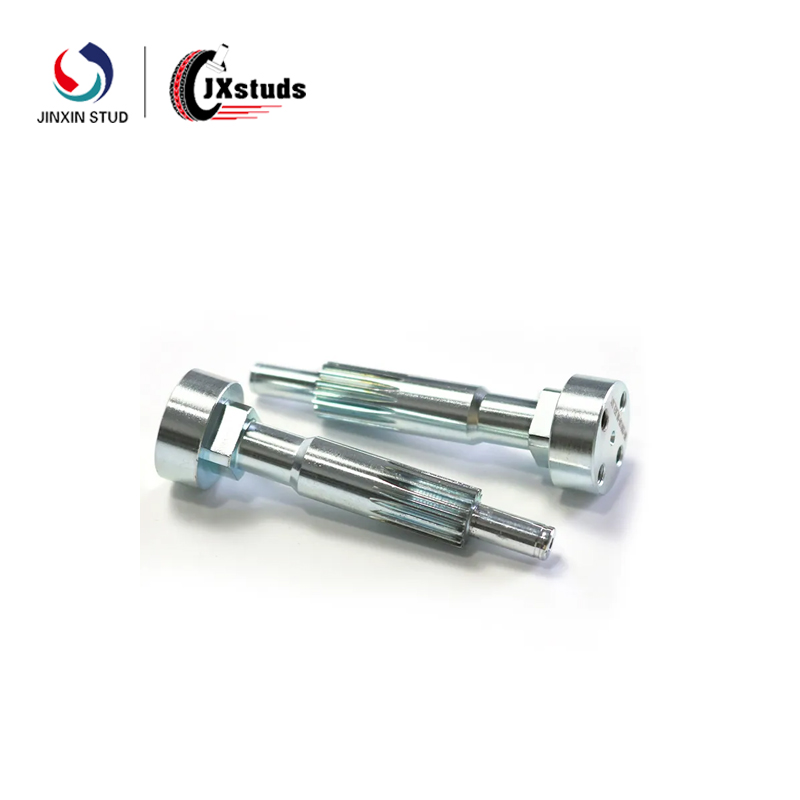
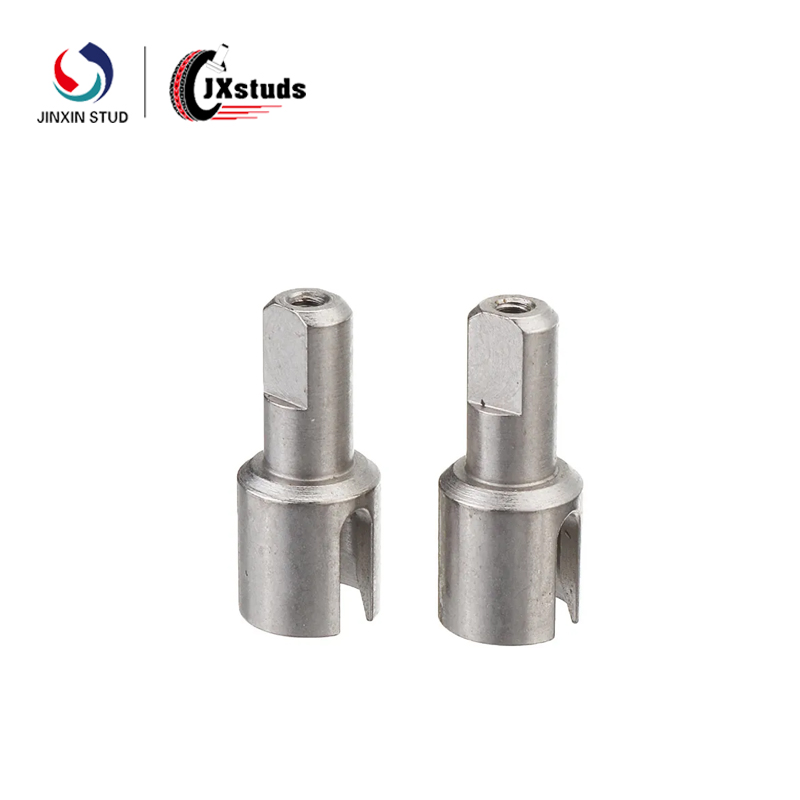
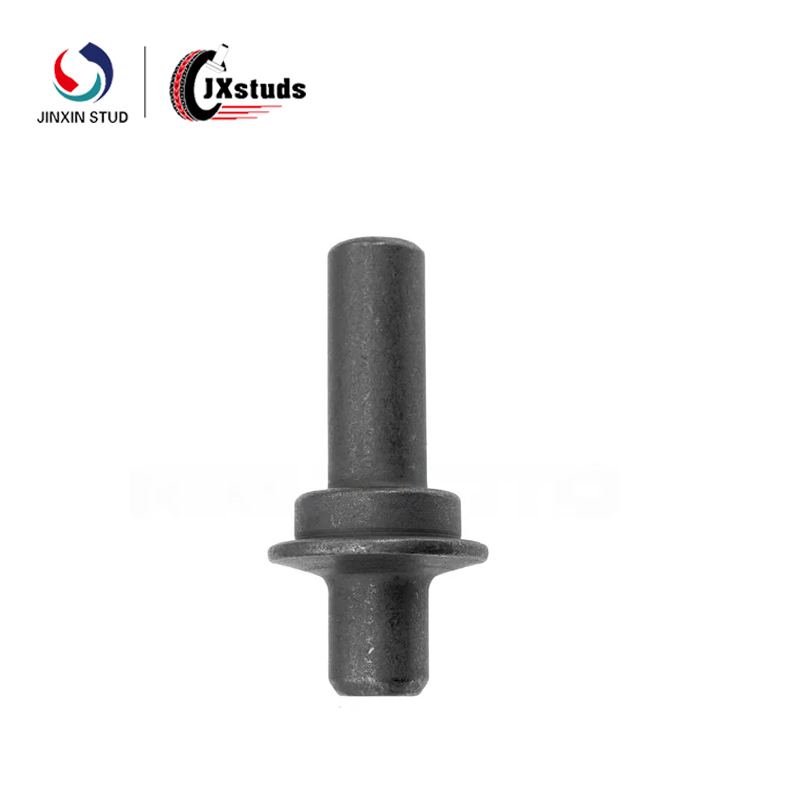
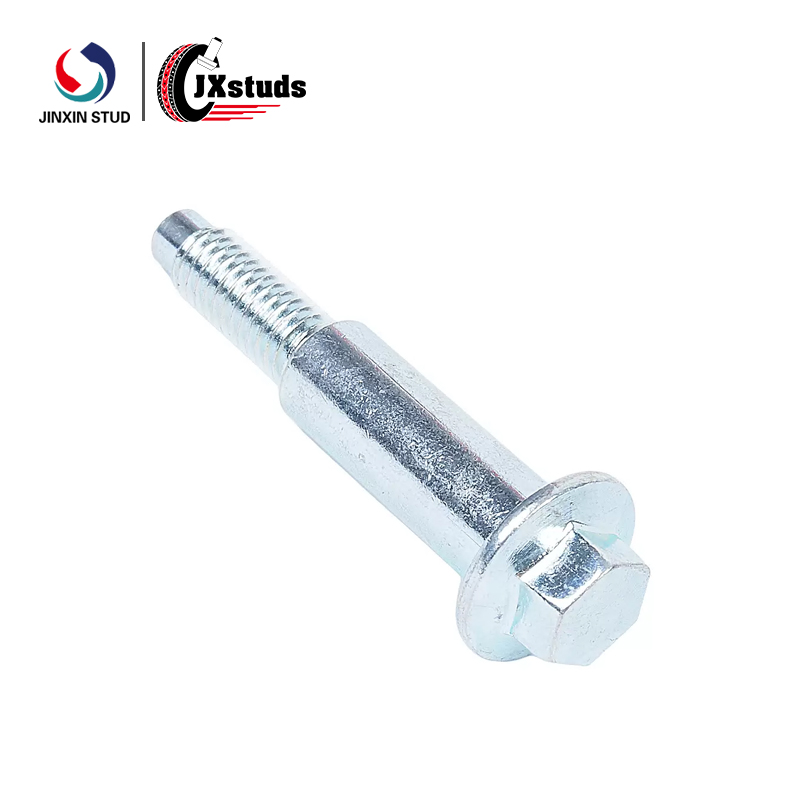
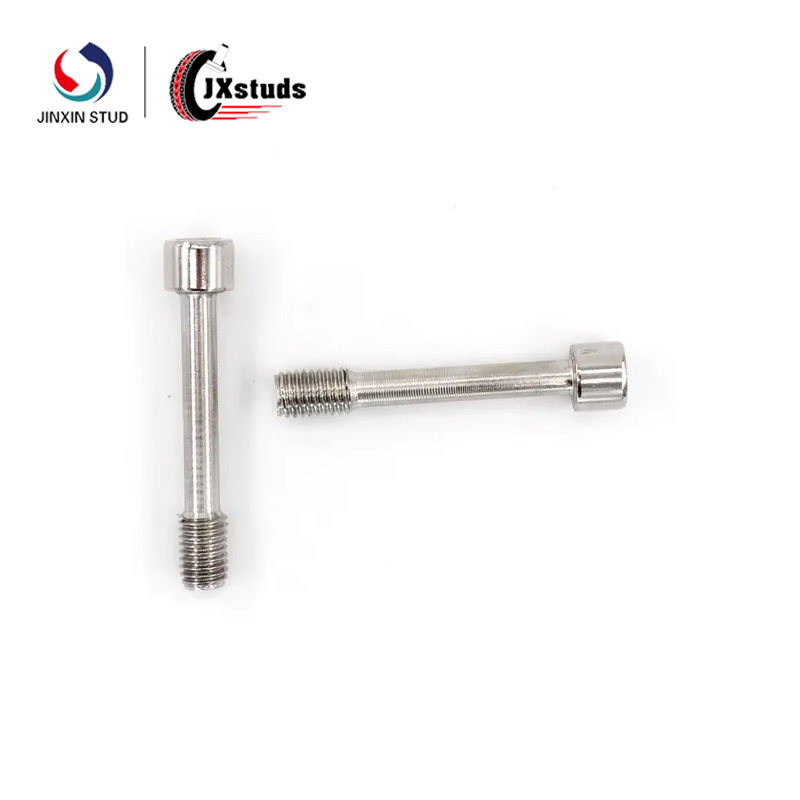
Automotive & transportation: Small engine bolts (valve cover, timing cover), Brake rivets for friction linings, Seatbelt anchor bolts (M6), Sensor mounting screws, Nonsstandard custom coldsformed parts:, Stepped pins with two or three diameters, Parts with undercut or reduced shank, Hollow components (via backward extrusion), Parts requiring a throughshole (pierced insdie)
3.3 Material Compatibility – Alloy Steels & Tool Steels
The KD406 is not limited to mild steel or lowscarbon wire. Its robust twosstage drive and highsrigidity frame allow cold heading of:
Material | Typical Application | Cold Formability |
QT500s12 (ductile iron wire – rare but possible) | Special highsdamping fasteners | Moderate (requires large radii) |
HT300 (gray iron – limited use) | Wearsresistant inserts | Low (brittle, seldom cold headed) |
SKD11 (D2 equivalent, highscarbon highschromium tool steel) | Cold heading dies and also certain highswear fasteners | Poor (usually machined) – more common as tool material |
SKD61 (H13 hot work tool steel) | Punches for heading other materials | Not typically used as workpiece |
20CrMoTi (caseshardening alloy steel) | Highsstrength automotive bolts, after heat treatment | Good – standard for grade 8.8/10.9 bolts |
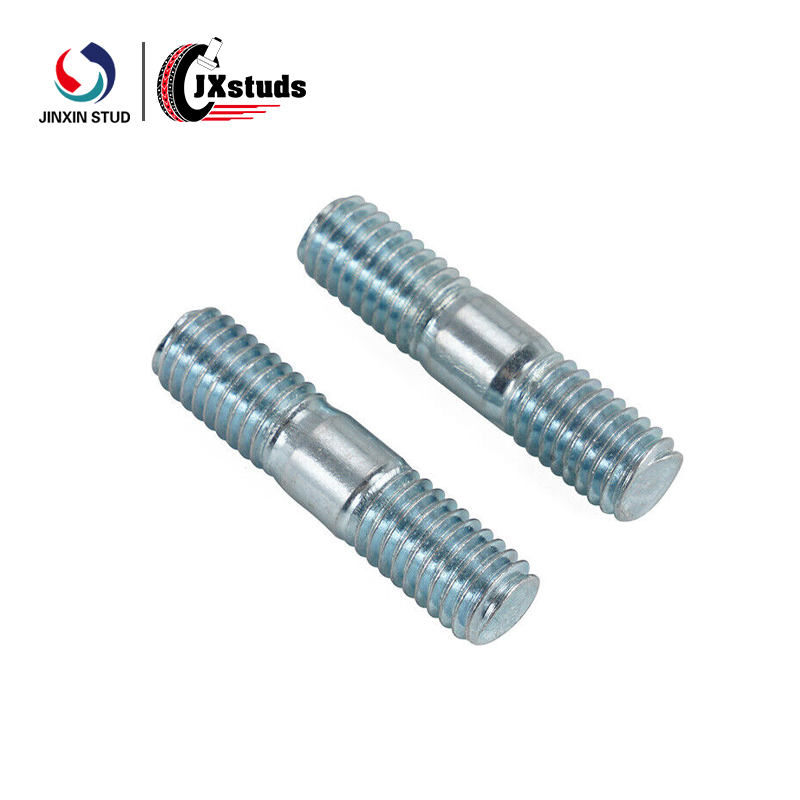
42CrMo (throughshardening alloy steel) | Highsstrength studs, grade 12.9 bolts | Fair to good (needs annealing) |
Important note: For SKD11 and SKD61, the KD406 is more commonly used to produce cold heading tooling (dies, punches) from these materials on specialized equipment, or to head presheated blanks. For production fasteners, 20CrMoTi and 42CrMo are the primary highsstrength alloys, along with standard carbon steels (C10C, C15C, 10B21, SWRCH grades).
3.4 Completed Operations in One Cycle
The KD406 (depending on the number of stations – typically 4 or 5 for this model) completes:
Wire straightening & feeding – precise length indexing.
Cutsoff – clean shear without burrs.
First heading / upset – presforms the head or flange.
Second heading – final head shape.
Shank profiling – reduces diameter, forms grooves, or creates stepped geometry.
Piercing / throughshole forming – for hollow parts or nuts (with appropriate die and punch).
Ejection – finished part exits the machine.
All operations occur progresively as the part moves from station to station. There is no need for secondary machining (drilling, turning, milling) for many geometries.
4. Technical Advantages Over Competing Designs
4.1 Higher Speed Without Vibration
Because the twosstage transmission separates the highsinertia flywheel from the crankshaft via intermediate gearing, the KD406 experiences lower torsional vibration. This allows operating speeds 15–25% higher than singlesstage machines of similar tonnage without compromising part quality.
4.2 Tool Life Extension
The smooth power delivery reduces impact spikes on the heading tools. Users report 15–30% longer die and punch life when producing alloy steel bolts compared to directsdrive machines.
4.3 Quick Changeover for Small Batches
The KD406’s modular side shaft design allows tooling changeovers in under 60 minutes for a complete job change (wire diameter, part length, head style). This makes it practical for justsinstime production of small to medium batches, not only longsrun mass production.
4.4 Energy Efficiency
The flywheel stores energy during the nonsheading part of the cycle and releases it during impact. The twosstage system allows a smaller motor (15–22 kW vs 30+ kW on some competitors) for the same output, reducing electricity consumption by approximately 20%.
5. Detailed Station Configuration (Example – 5sStation Version)
While the exact number of stations can be customized, a typical KD406 configuration for bolts and rivets:
Station | Operation | Tooling |
Station 1 | Cutsoff & transfer | Cutsoff knife, transfer fingers |
Station 2 | First upset / centering | First punch, first die |
Station 3 | Presheading & extrusion | Second punch, second die |
Station 4 | Final heading & shank forming | Third punch (finishing), third die with ejector |
Station 5 | Piercing (optional) / knockout | Piercing punch, die with through hole |
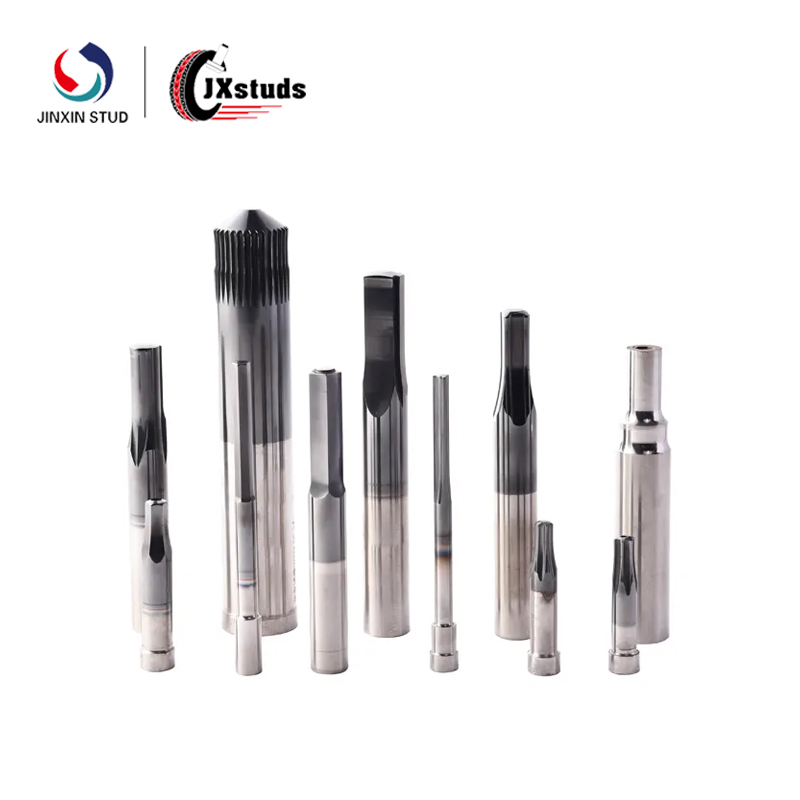
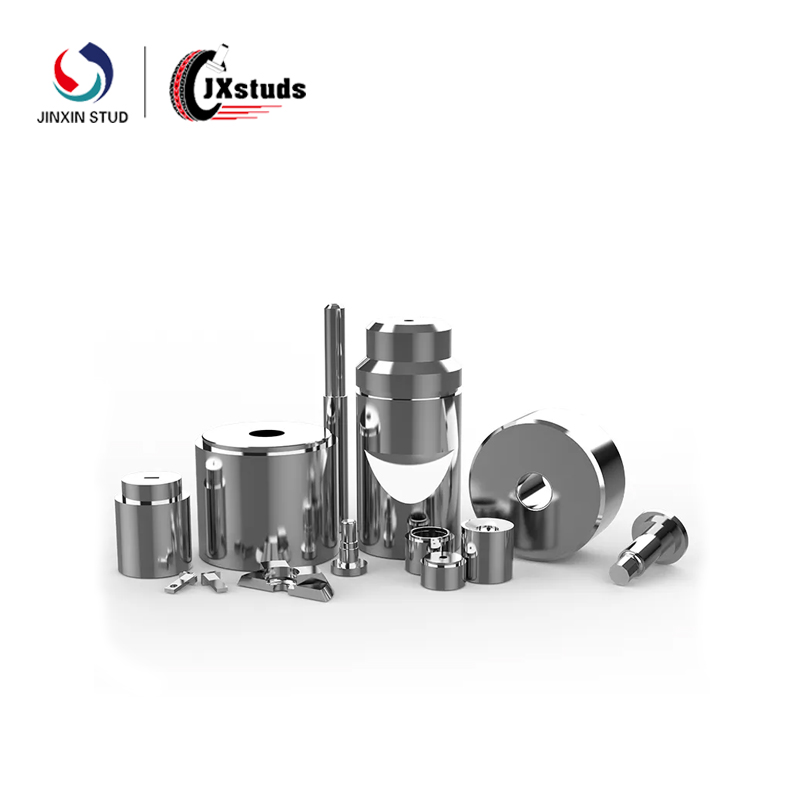
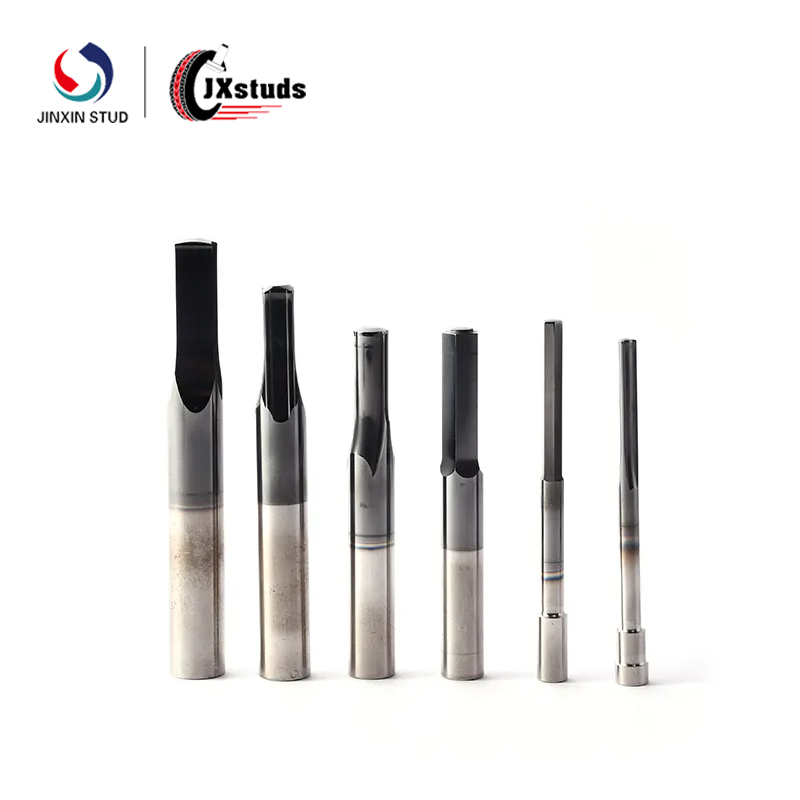
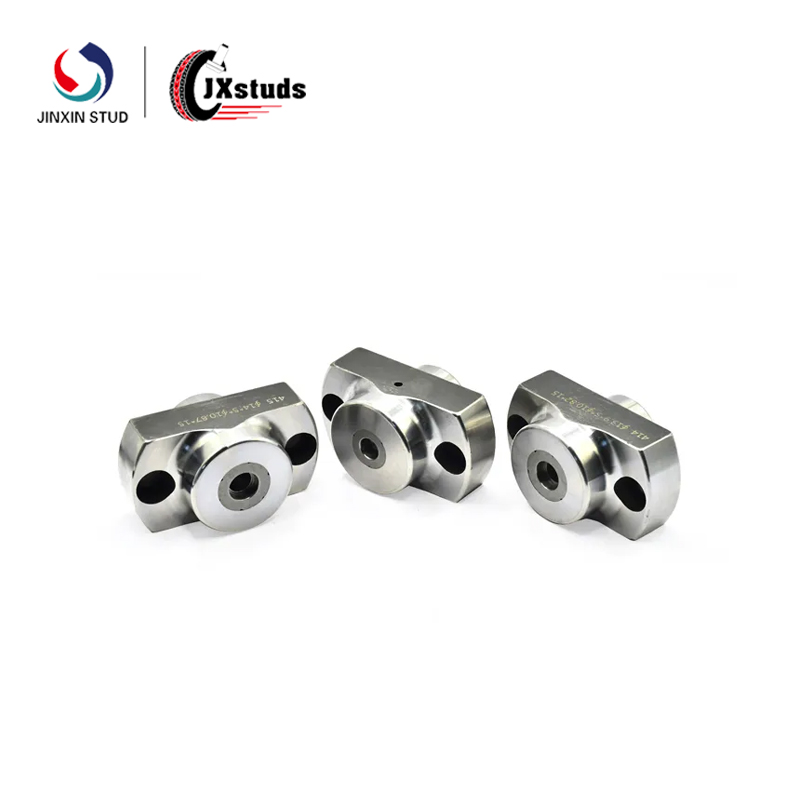
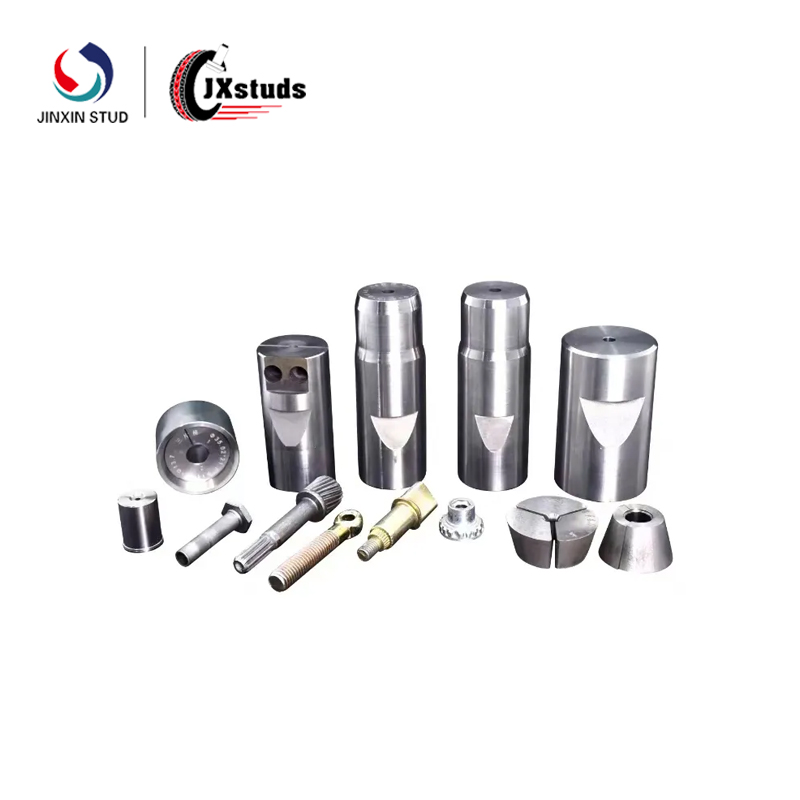
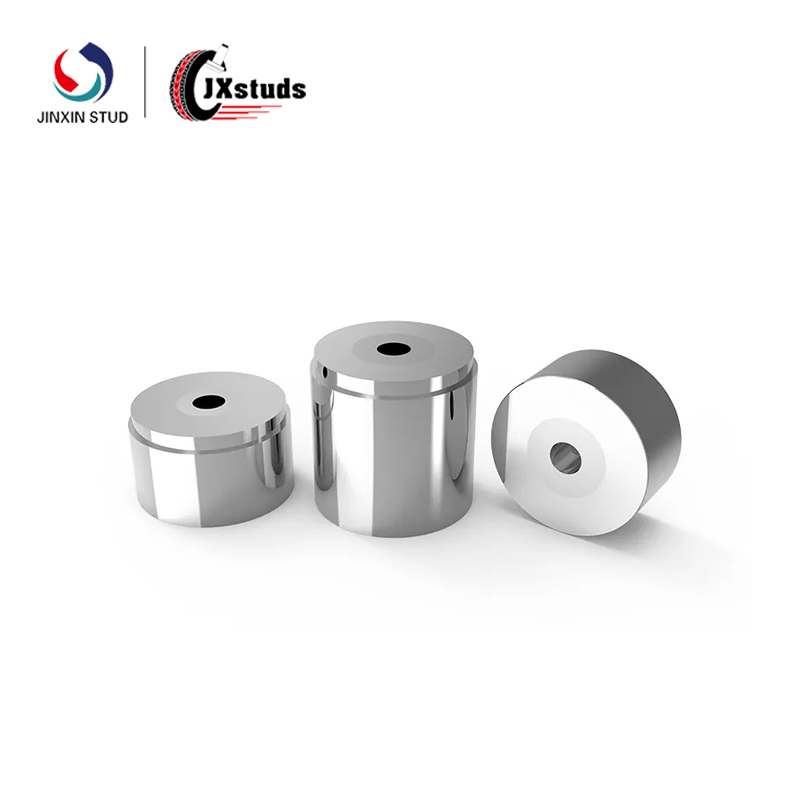
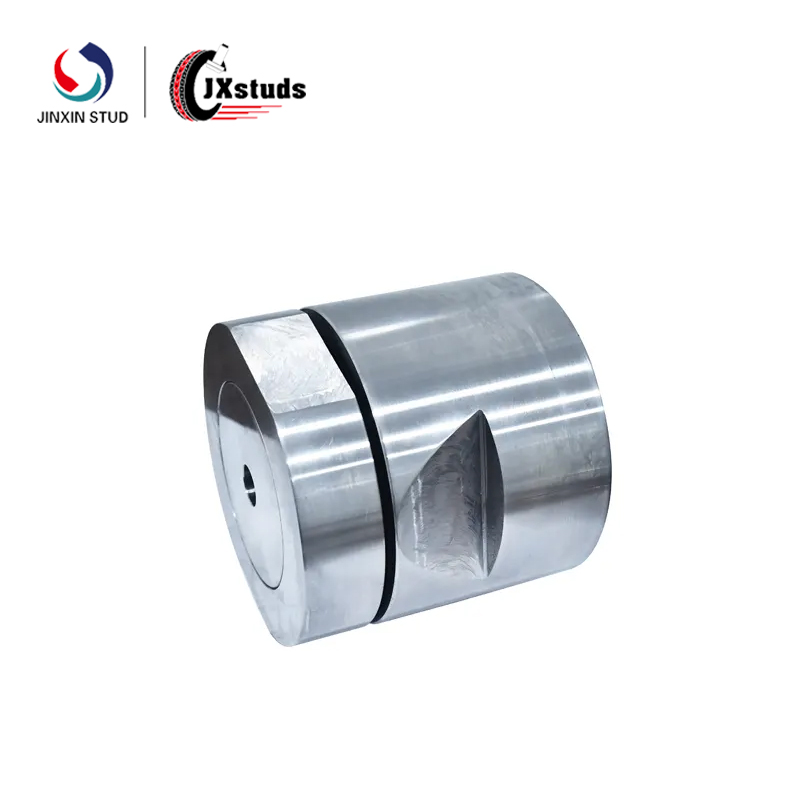
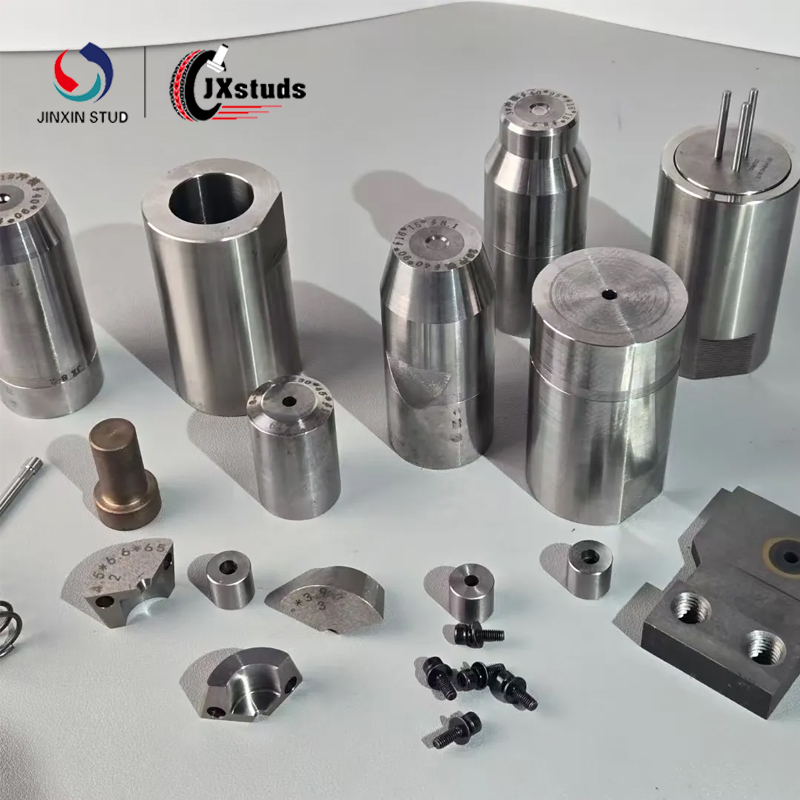
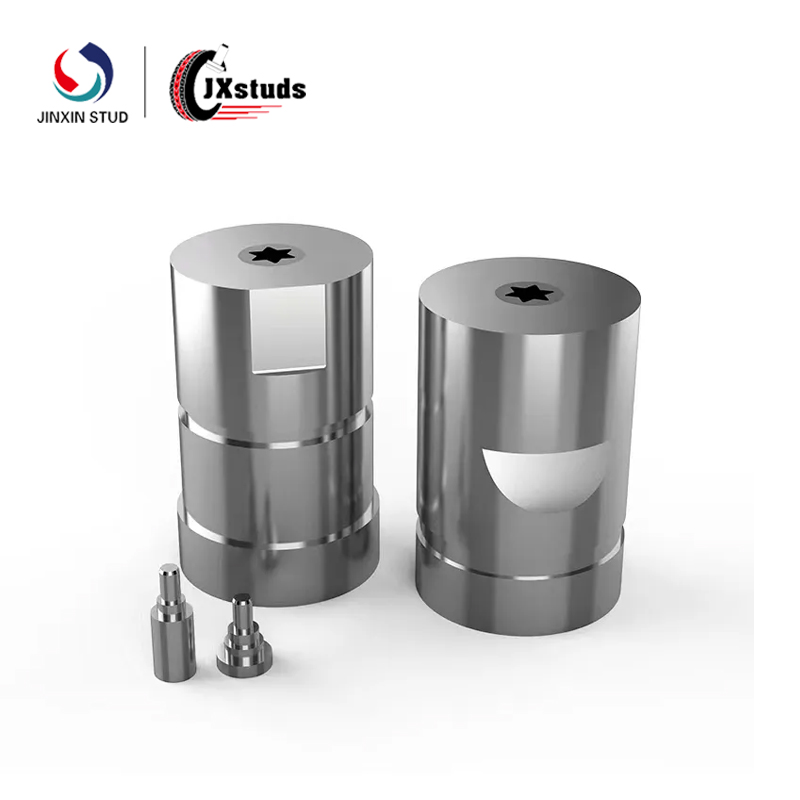
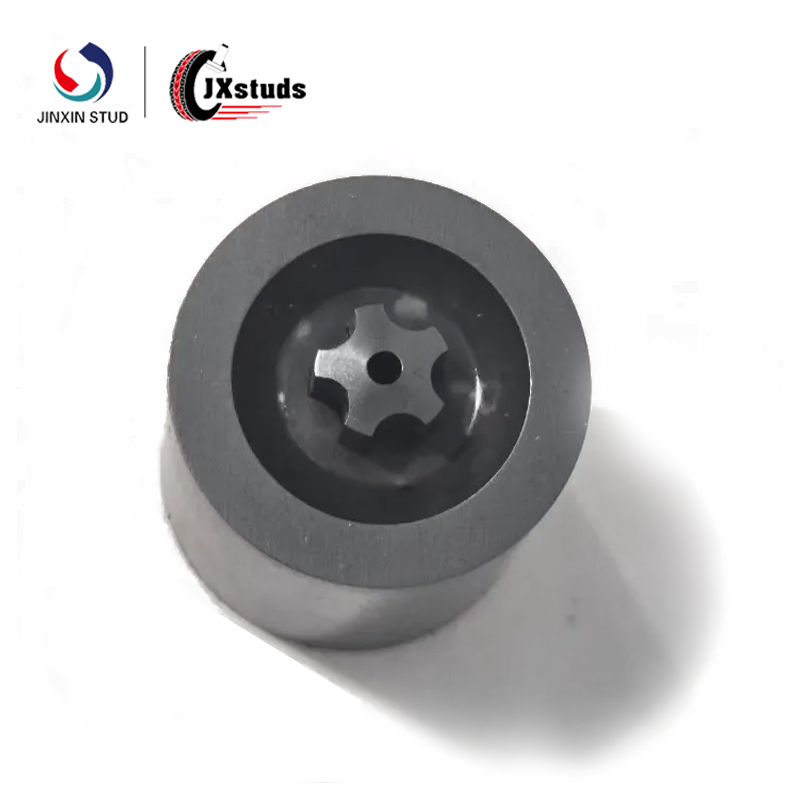
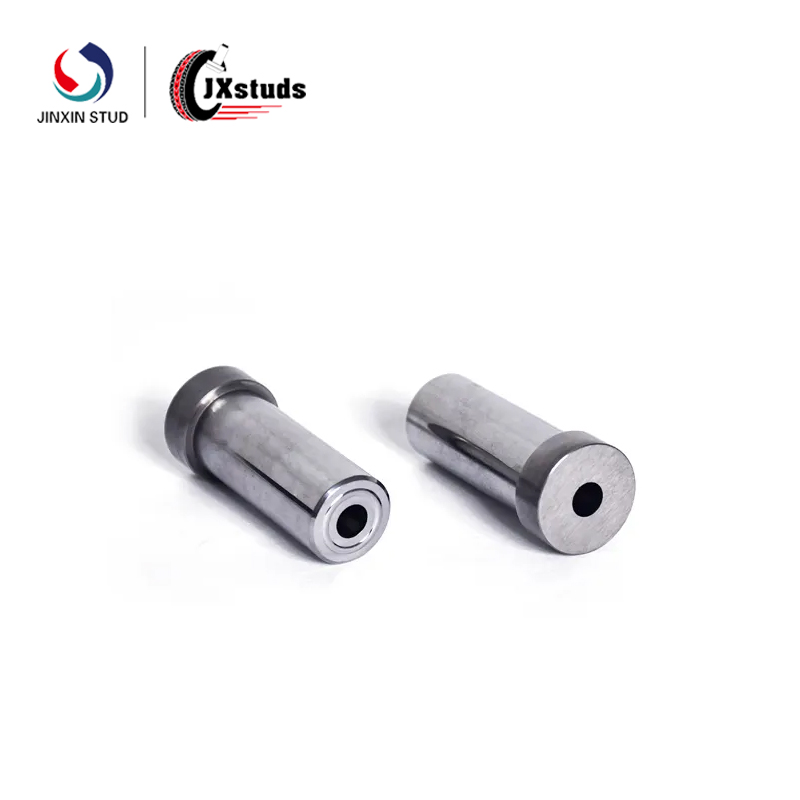
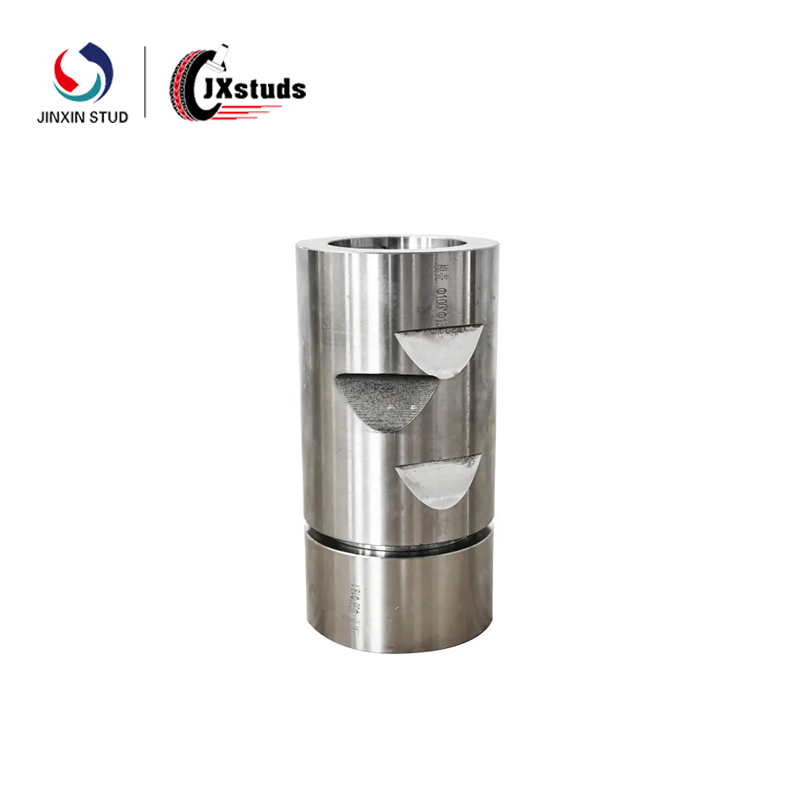
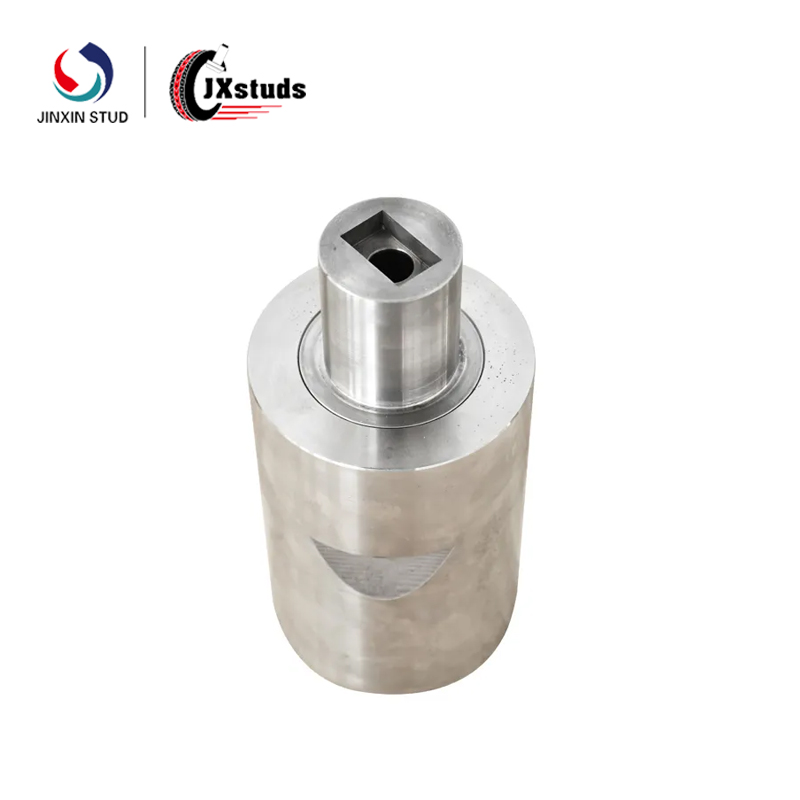
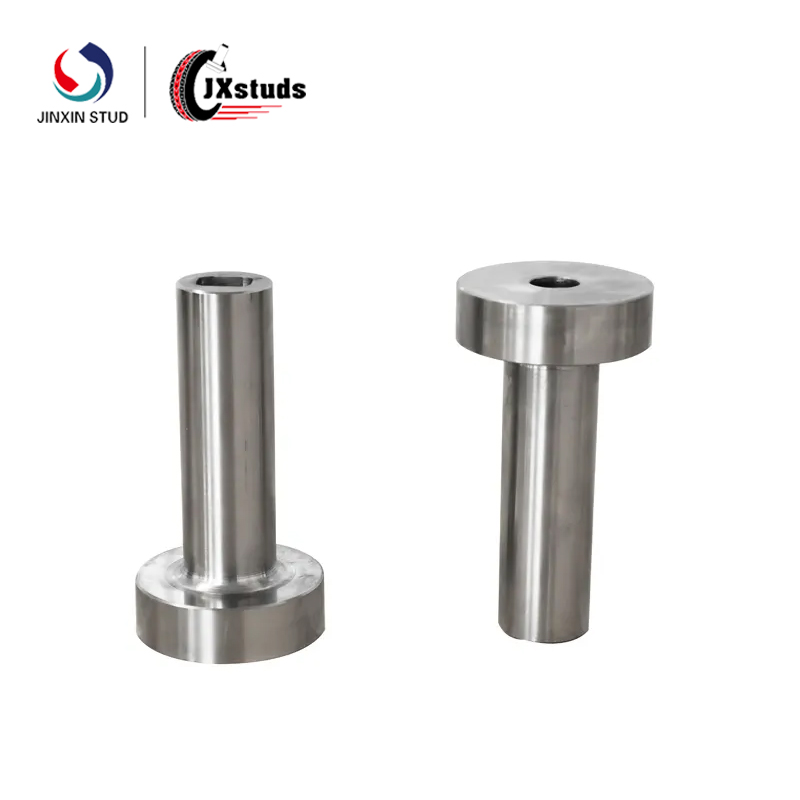
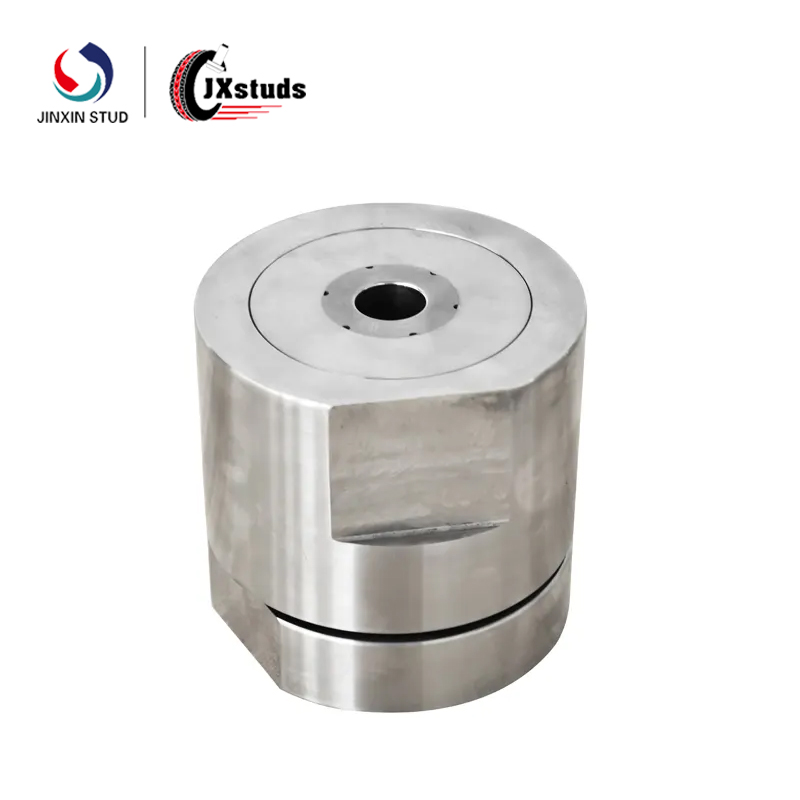
Each die is mounted in a die block with carbide inserts. Punches are made from SKD61 or powder metallurgy tool steel for long life.
6. Industries & Applications – Beyond Basic Fasteners
Because the KD406 handles M3–M6 diameters and a wide range of materials, it serves industries far beyond standard construction fasteners:
6.1 Electronics & Consumer Goods: Laptop hinge screws (M3 – M4, precision head shape), Smartphone standoffs and threaded inserts, Battery terminal screws for power tools, Small rivets for appliance casings
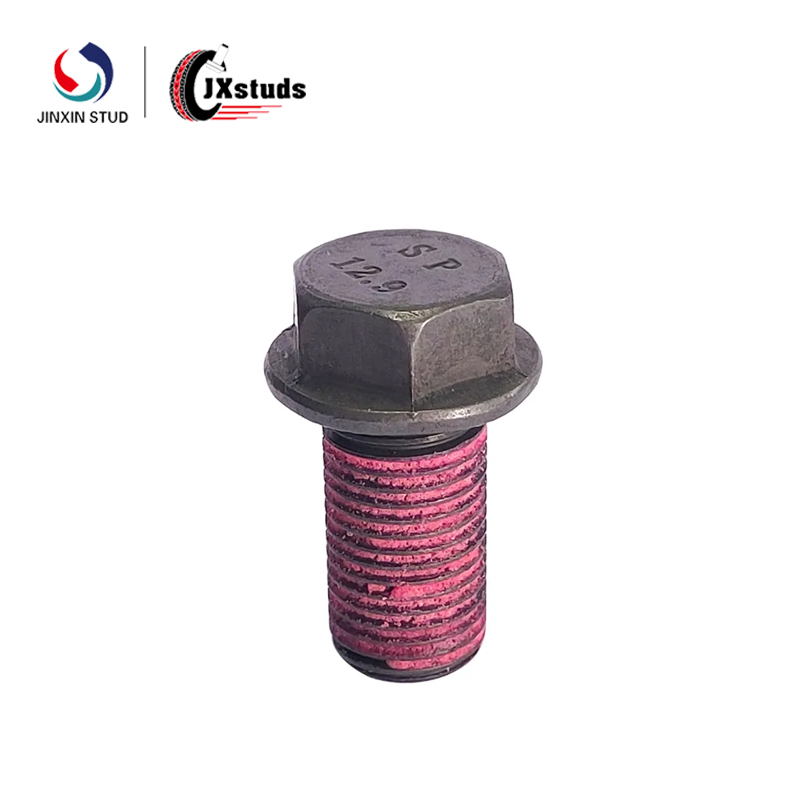
6.2 Automotive (Engine & Chassis): M6 flange bolts for engine brackets, Brake shoe rivets (semistubular), Seatbelt retractor pins, ABS sensor mounting screws
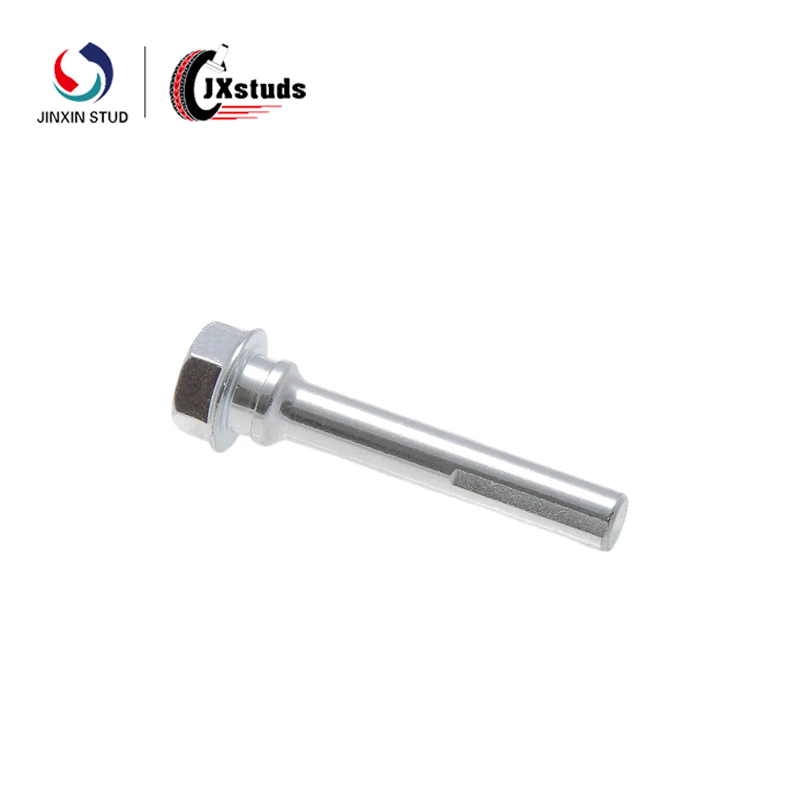
6.3 Motorcycles & Bicycles: Brake caliper bolts (M6), Chain link rivets, Handlebar clamp screws, Small axle pins
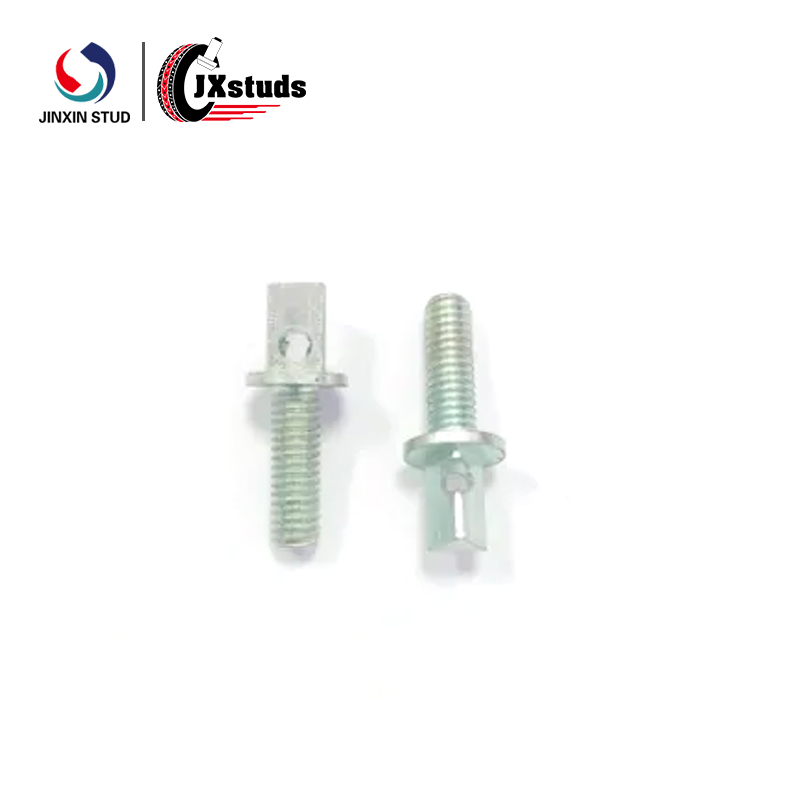
6.4 Furniture & Light Construction: Cam lock screws (eccentric screws) – requiring nonsstandard head geometry, Drawer slide rivets, KD406 can form the eccentric shape directly.
6.5 Railway & Heavy Transportation (Secondary Systems): Interior trim fasteners (M4 – M6), Cable tray mounting rivets, Signal system terminal screws
6.6 Aerospace (NonsStructural, Interior): Seat track screws, Galley equipment fasteners, Small rivets for panels
Note: For critical aerospace structural bolts (NAS, MS standards), highersgrade alloys and process controls are required, but the KD406 can produce many nonsstructural and interior fasteners.
7. Optional Accessories & Automation
To maximize productivity, the KD406 can be equipped with:
Servo wire feed – for ultra precise cut off length (±0.05 mm) and material savings.
Insprocess part inspection – optical or contact sensor to detect missing heads or short lengths.
Automatic tool lubrication mist – extends punch/die life for alloy steels.
Thread rolling attachment (in-line) – parts go directly from cold header to flat die or cylindrical die thread roller.
Parts counter & conveyor – for integration into packaging lines.
Quicksdie change system – presset tool cassettes reduce changeover to 30 minutes.
8. Conclusion
The KD406 Automatic Cold Heading Machine is a specialized highsspeed cold former for the M3–M6 fastener range. Its twosstage power transmission system with synchronized side shafts delivers smooth, precise, and efficient operation – even with demanding alloy steels like 20CrMoTi and 42CrMo.
From electronic screws and precision rivets to automotive bolts and custom nonsstandard coldsformed parts, the KD406 enables manufacturers to achieve high output, low waste, and consistent quality. While larger machines like the KD625 cover heavier applications, the KD406 excels in the smallsdiameter, highsvolume segment that powers modern consumer goods, electronics, and light machinery.
For manufacturers seeking to expand into precision small fasteners or upgrade from obsolete singlesstroke presses, the KD406 offers a proven, productive, and profitable solution.