
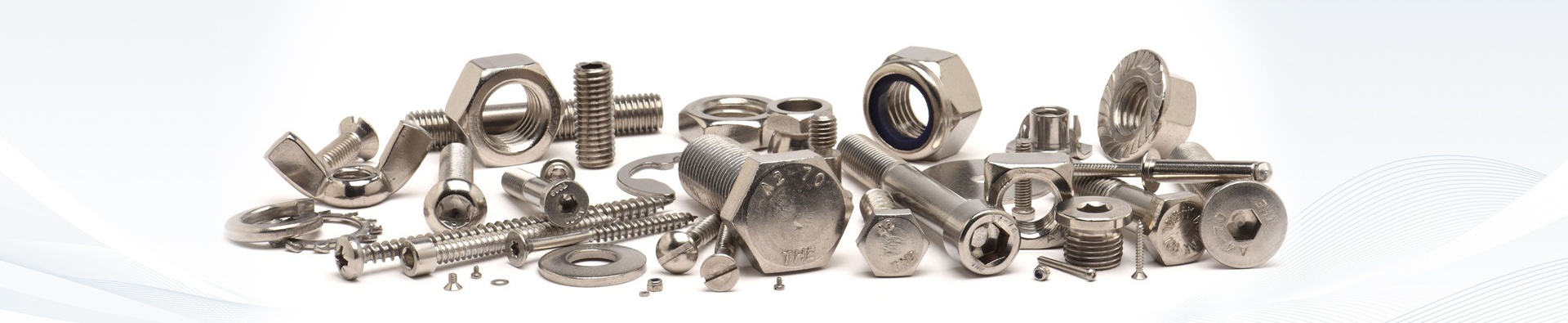
Recently, as the domestically produced C919 large aircraft secured new orders, a little-known "small player" behind it has attracted industry attention – rivets. It is these seemingly insignificant metal fasteners that form the "steel backbone" enabling the large aircraft to soar through the skies.
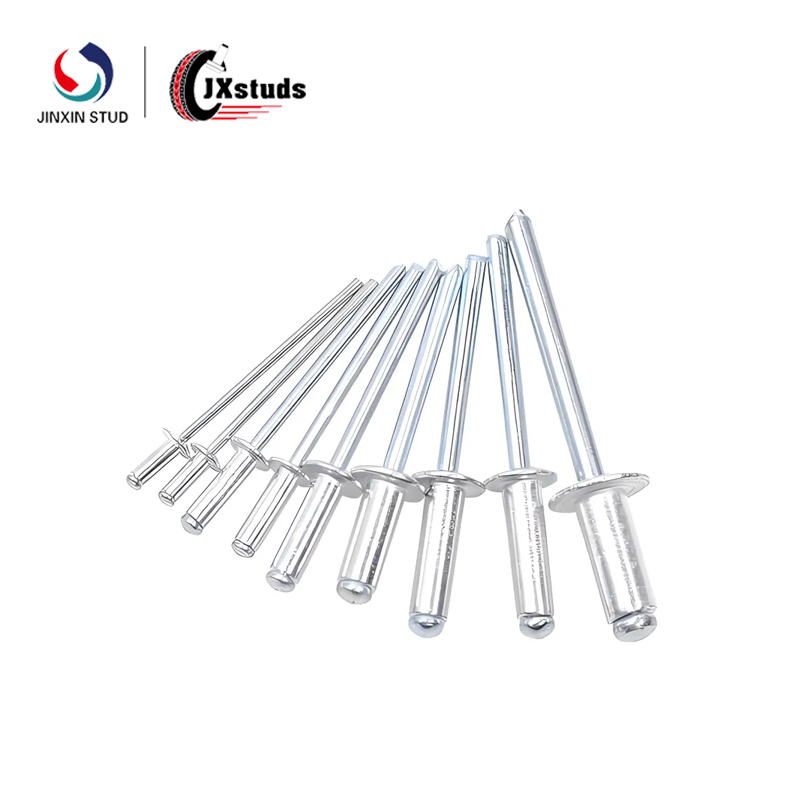
Rivets, fasteners that connect workpieces through their own deformation, play an irreplaceable role in aerospace manufacturing. Unlike ordinary bolts, rivets form a permanent connection, offering significant advantages in vibration resistance and fatigue resistance. The C919's fuselage, wings, and other critical components utilize millions of various rivets. They must withstand extreme temperatures at high altitudes, drastic pressure changes, and continuous vibration; the quality of each rivet is crucial to flight safety.
Previously, the market for high-end aerospace-grade rivets was long monopolized by foreign companies. To overcome this critical bottleneck, domestic materials science and process teams spent years on research and development, achieving breakthroughs in rivet alloy materials, heat treatment processes, and automated installation equipment. Domestic aerospace rivets have not only met extremely high shear strength and fatigue life standards but also satisfied the stringent requirements for consistency in large-scale assembly.
"Small rivets, great craftsmanship," said an engineer involved in the project. "They represent China's manufacturing industry's solid progress towards fundamental components and high-end fields." Today, domestically produced rivets have established an independent supply chain, reducing costs by approximately 30% compared to imported products, providing strong support for the large-scale production and market competitiveness of China's homegrown large aircraft.
From an inconspicuous connecting point to a crucial component supporting a major national project, the story of rivets is a microcosm of China's manufacturing industry deepening innovation in details and strengthening its industrial foundation. It reminds us that true independent innovation often begins with those most basic yet crucial "nuts and bolts."