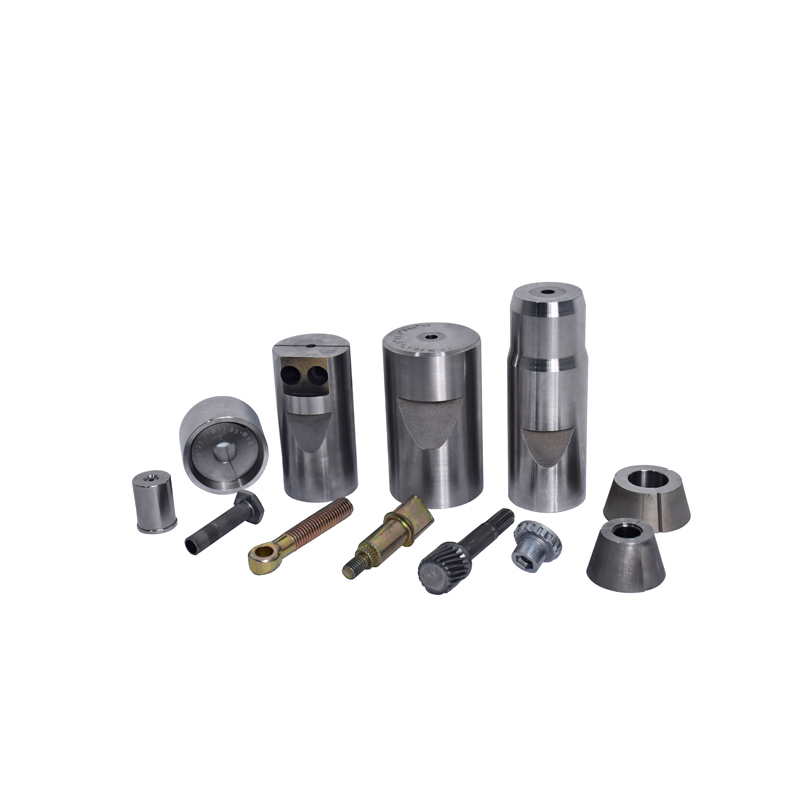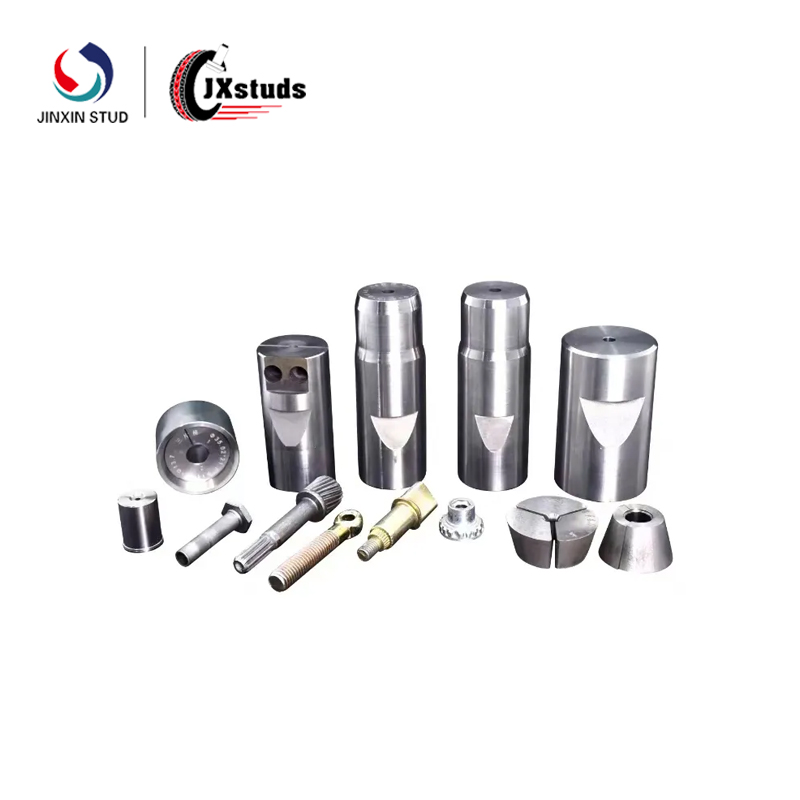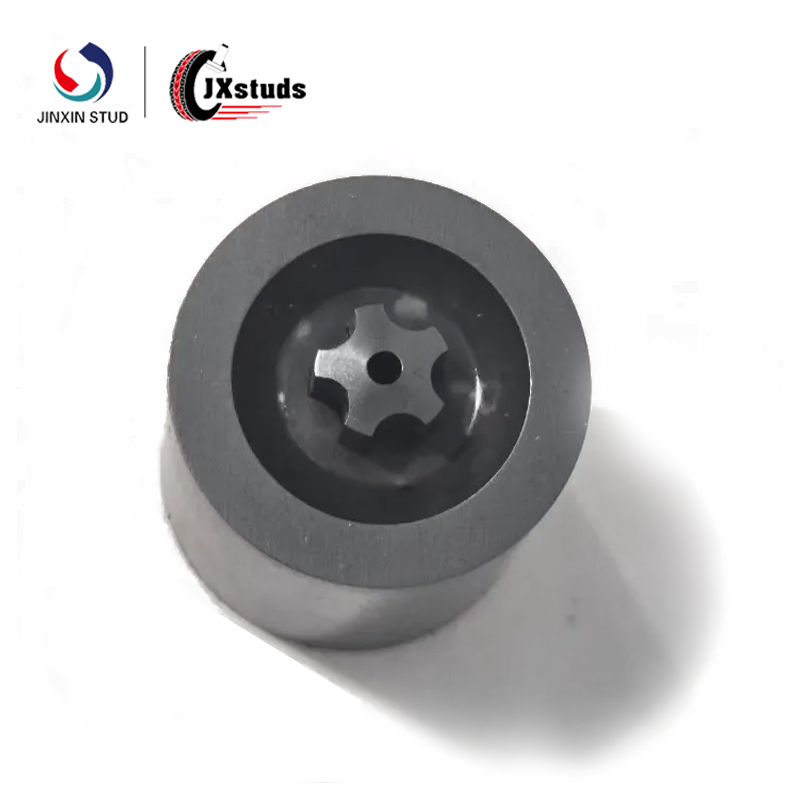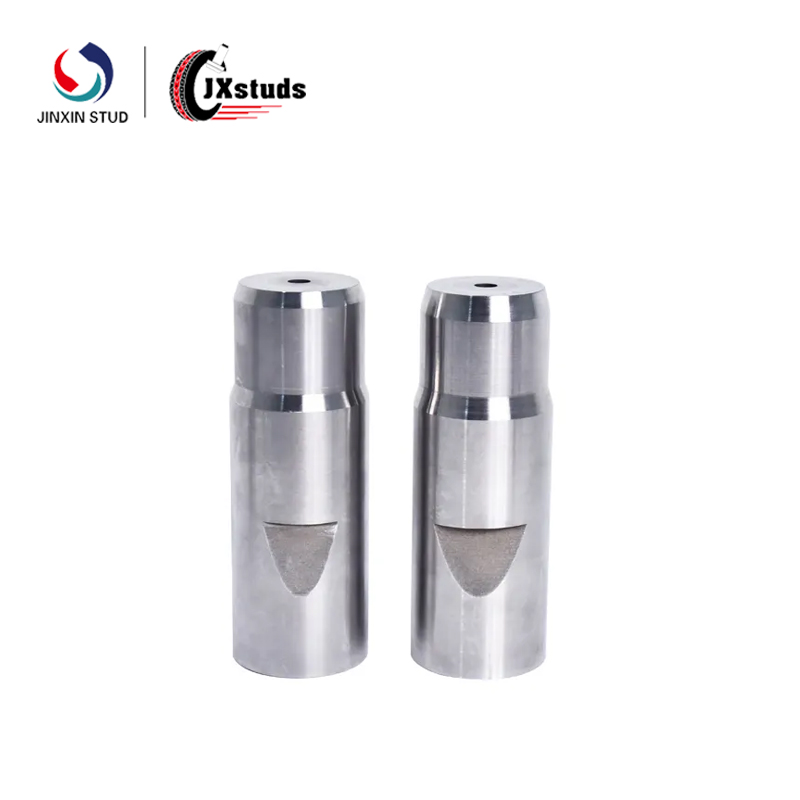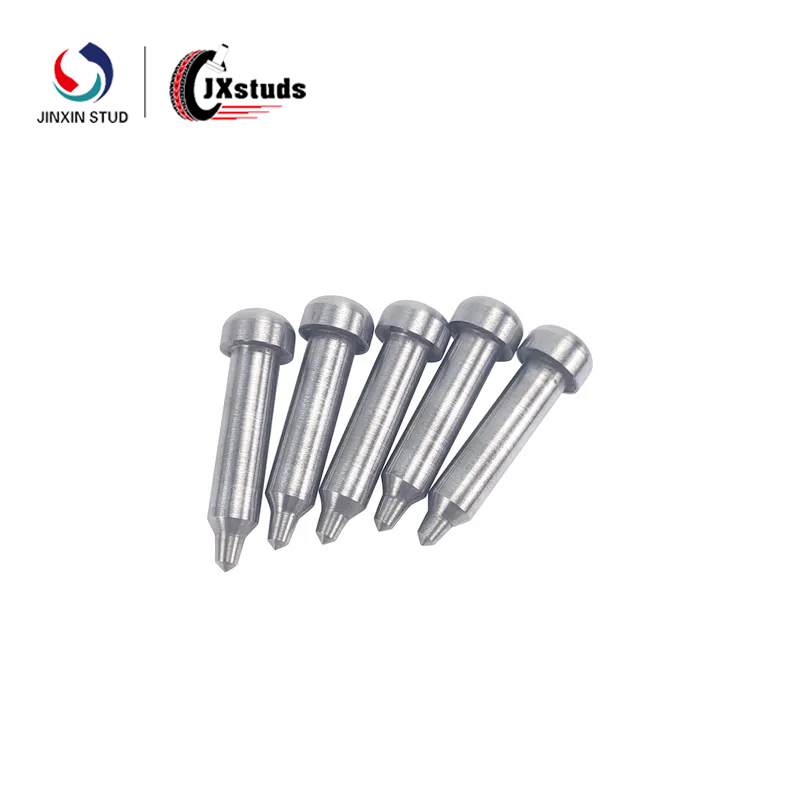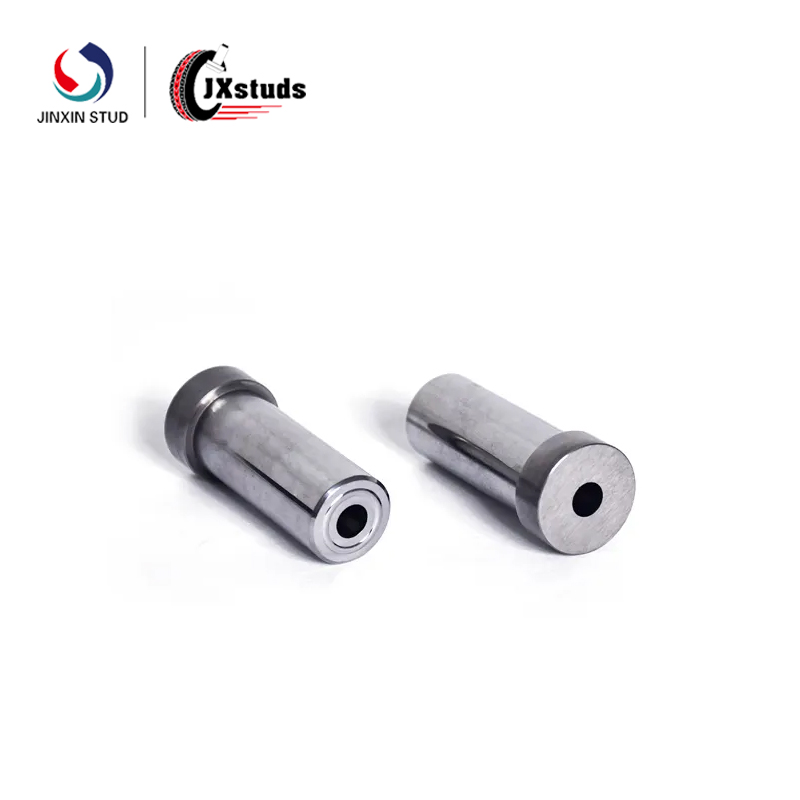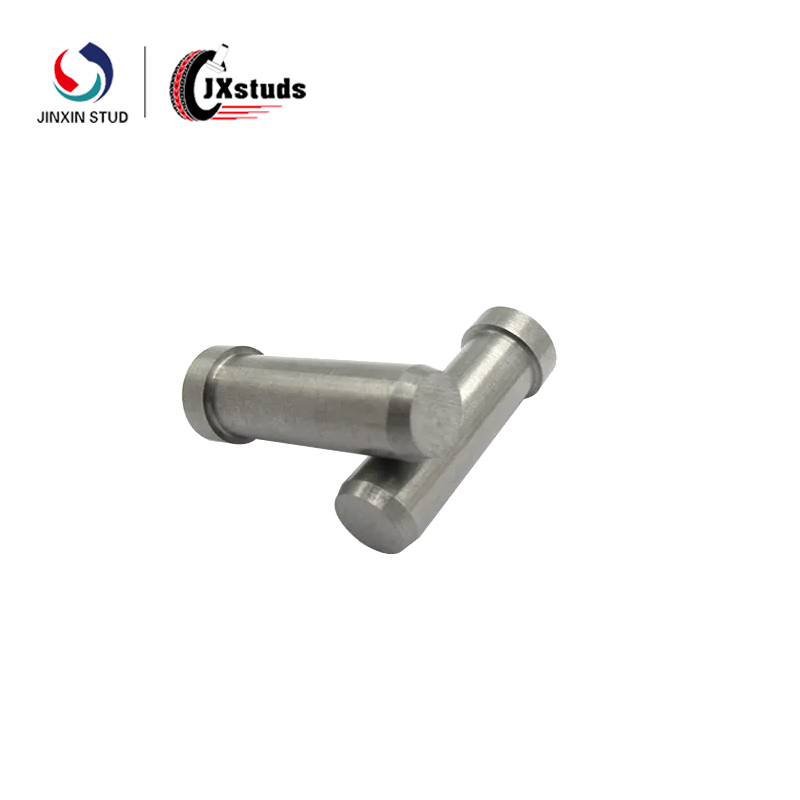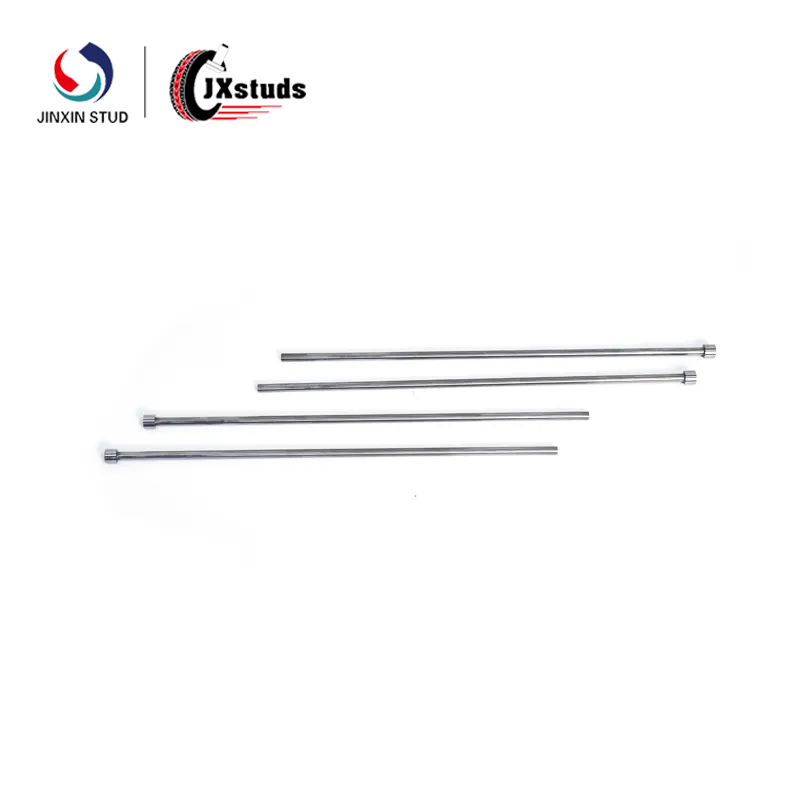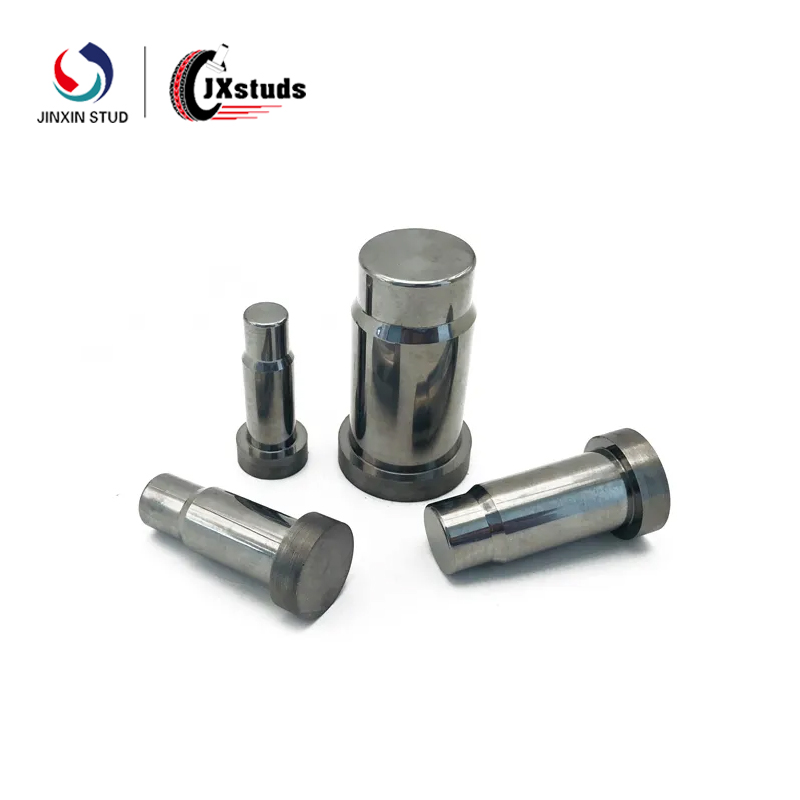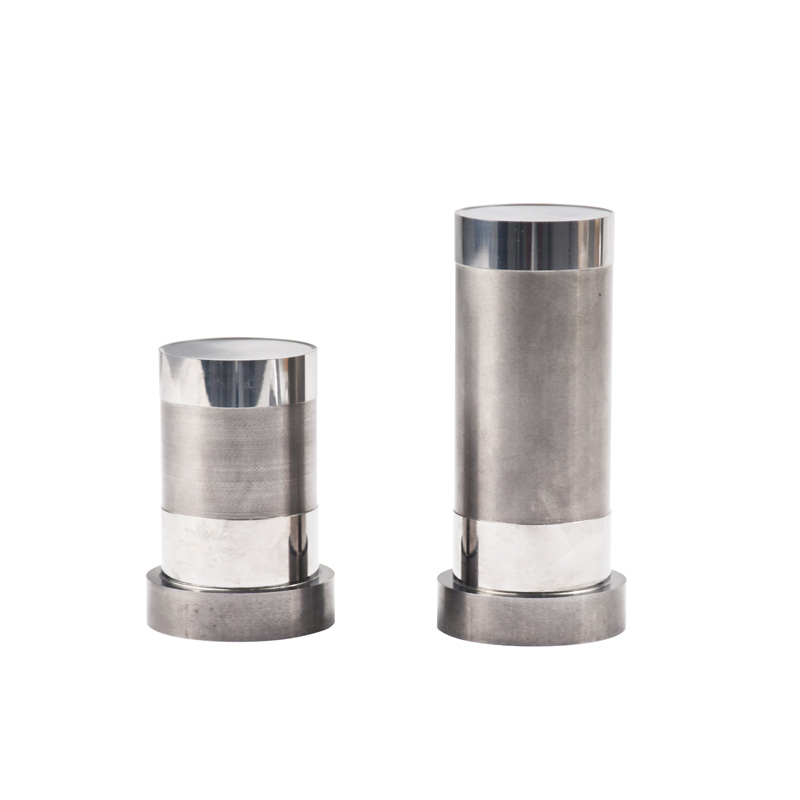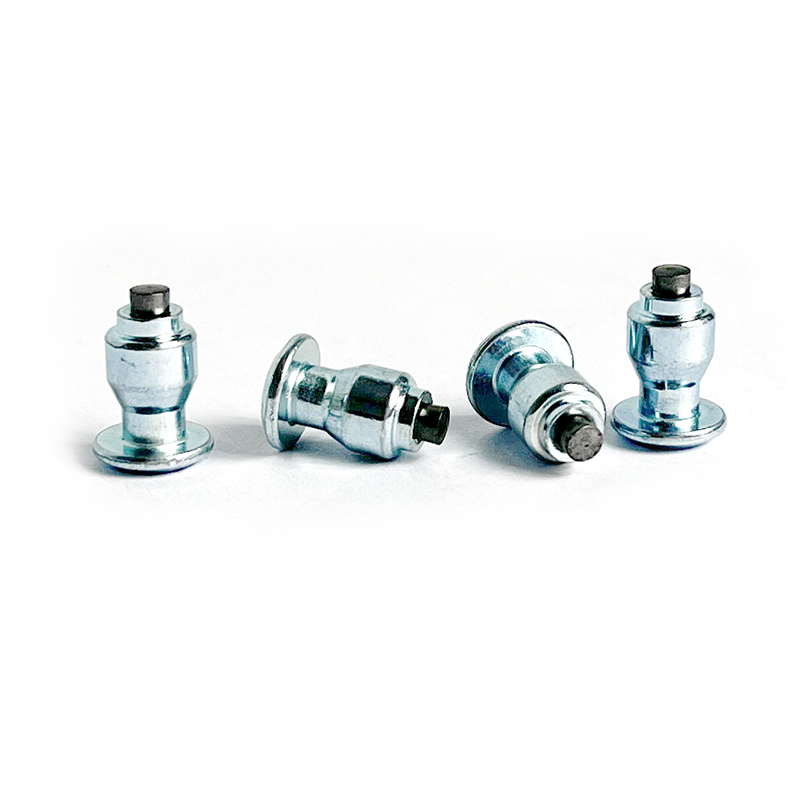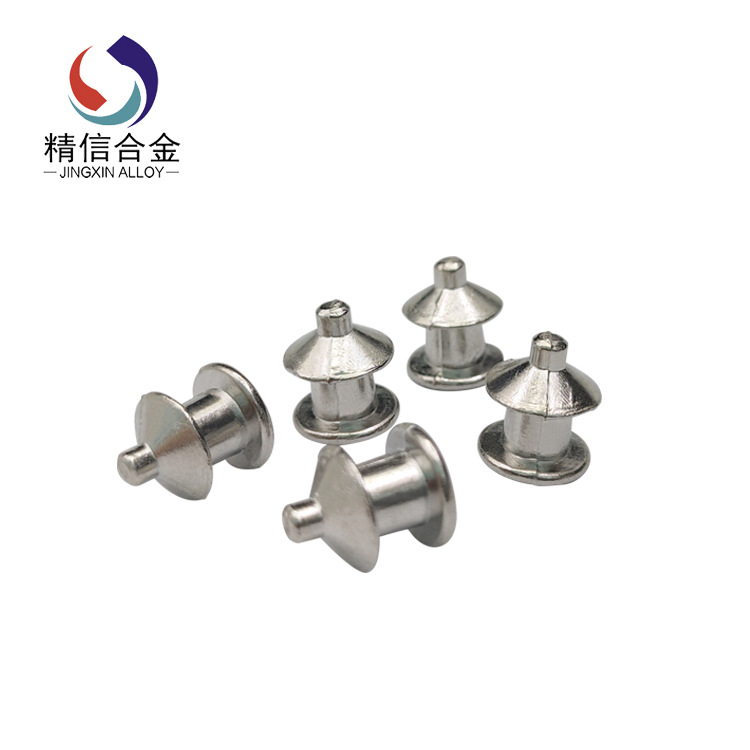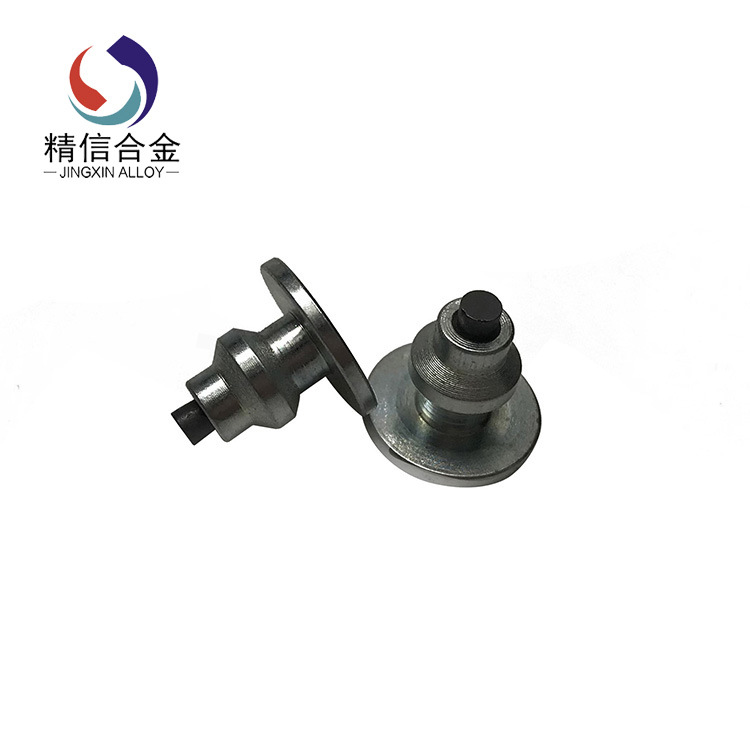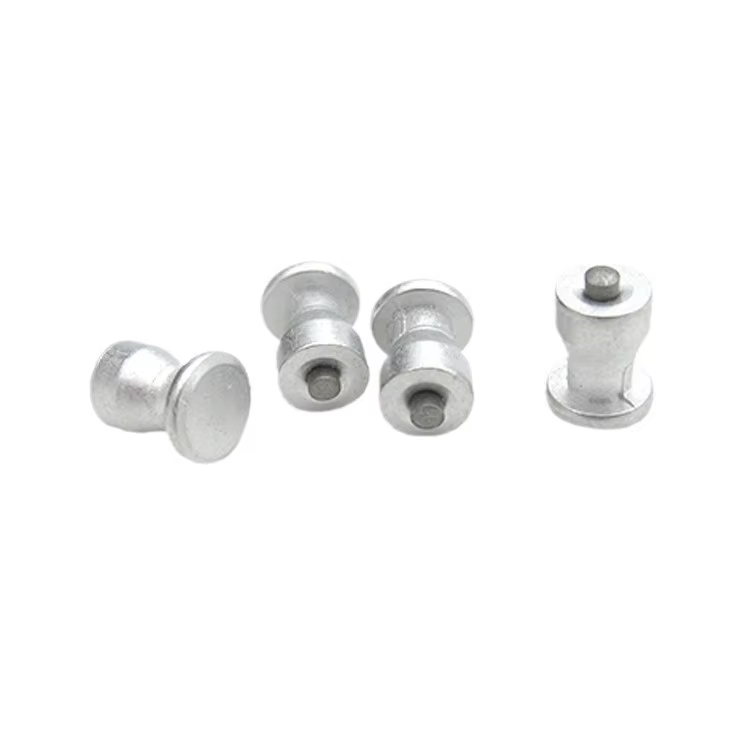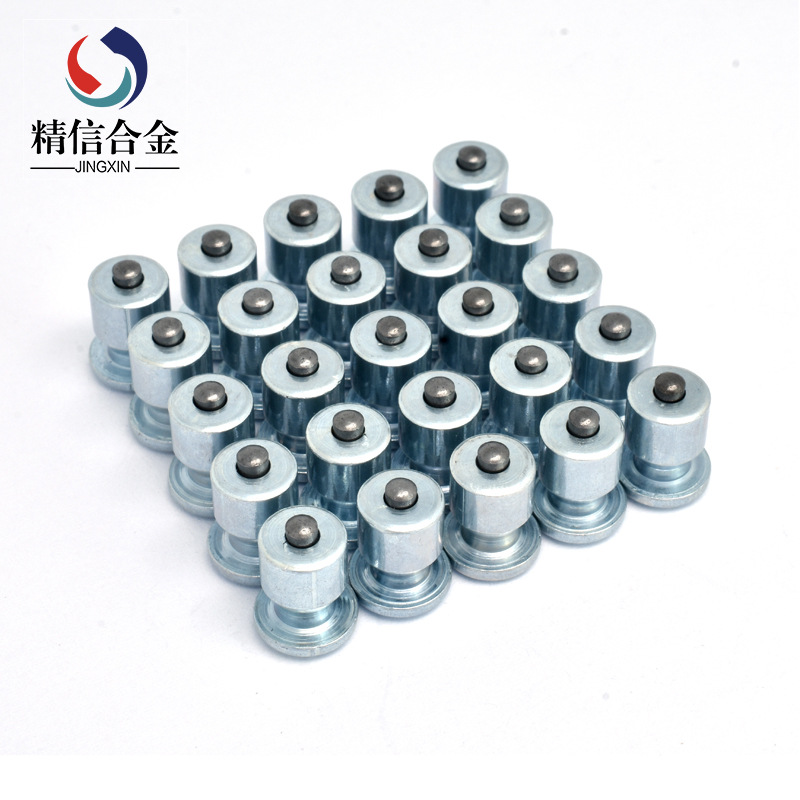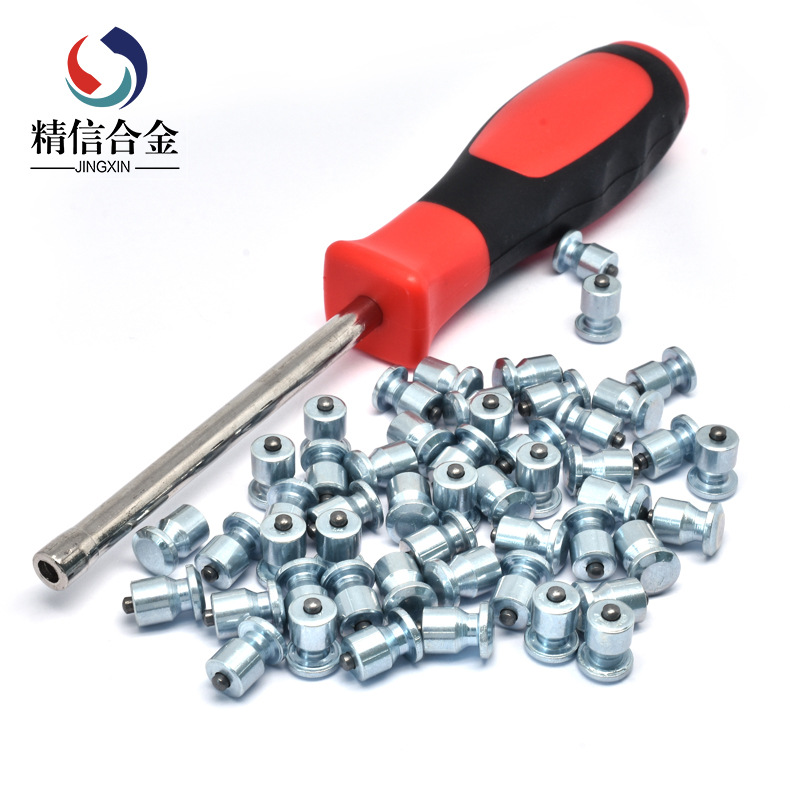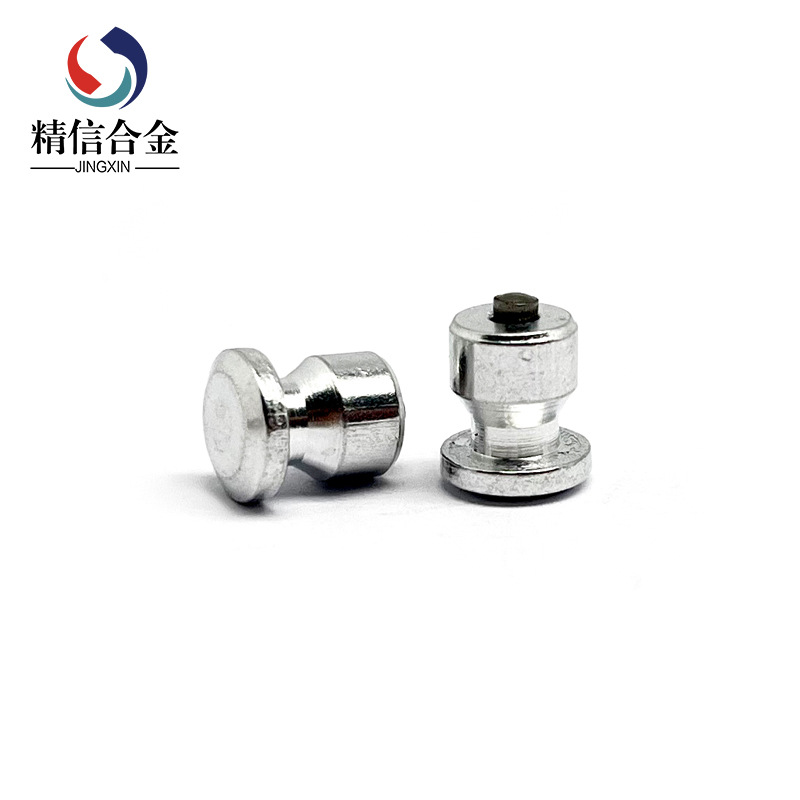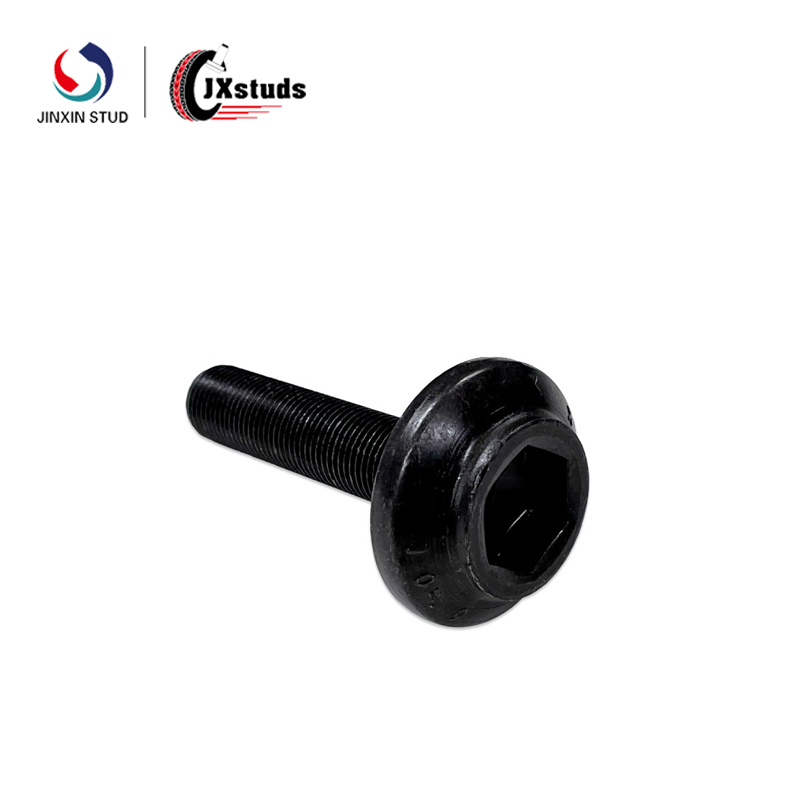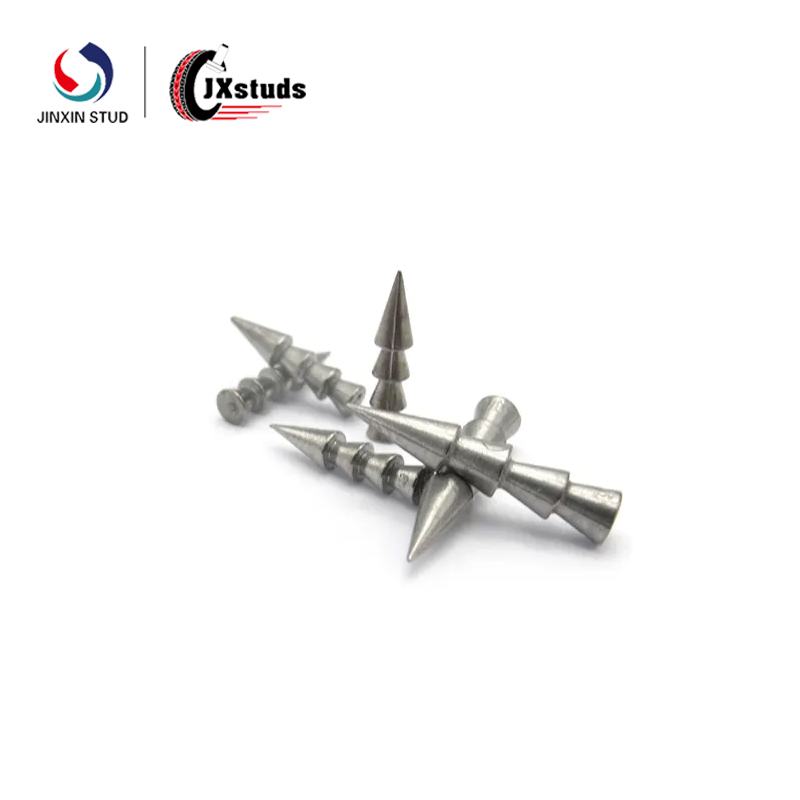
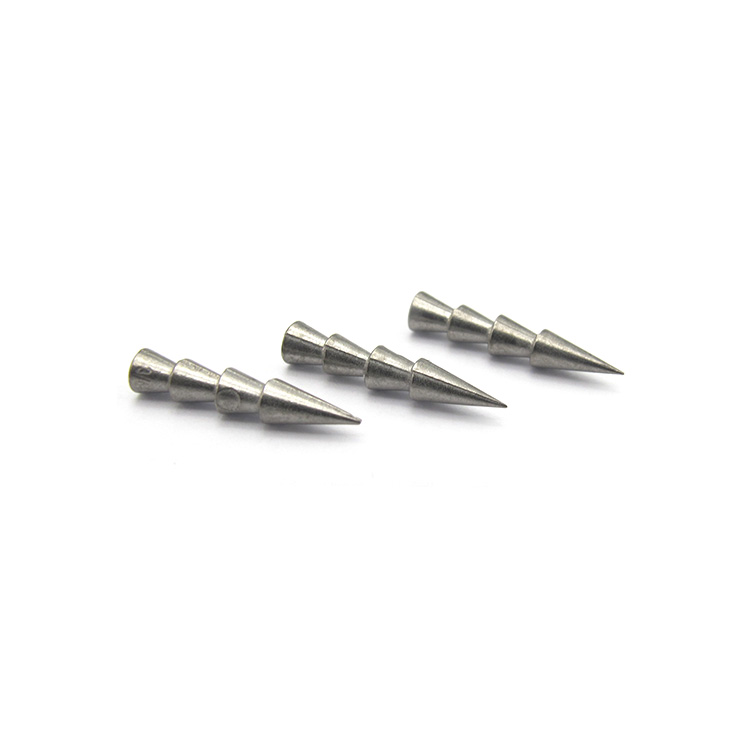

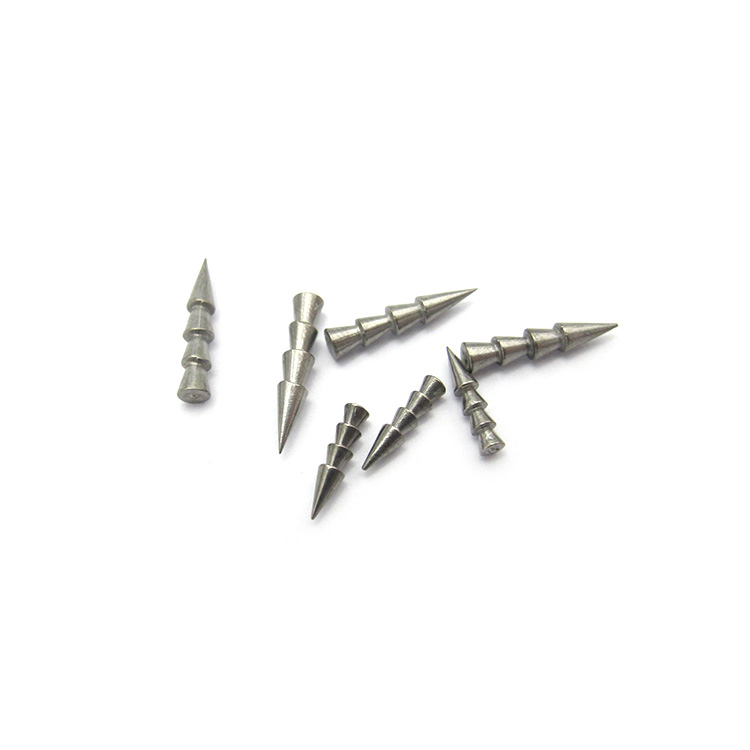
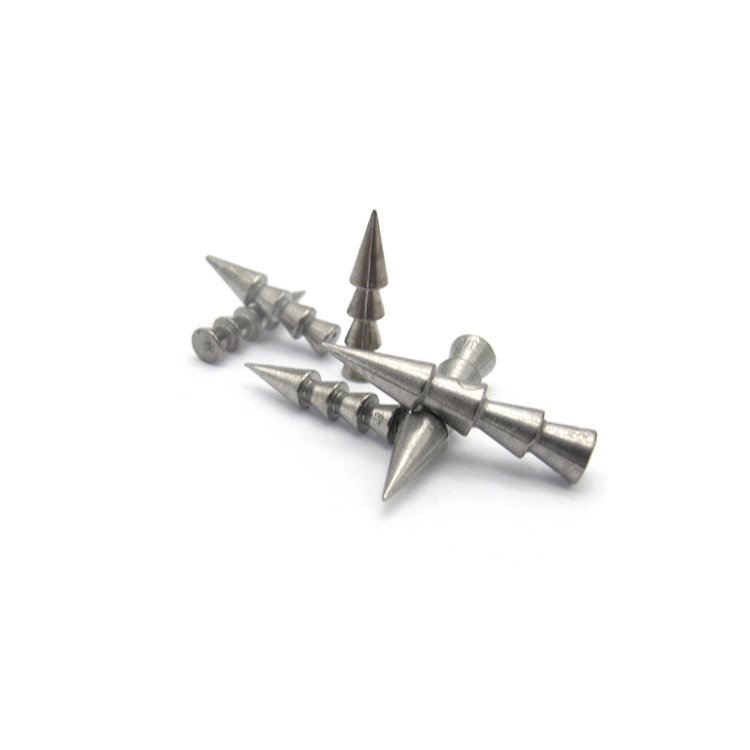
What Is a Christmas Tree Pin?
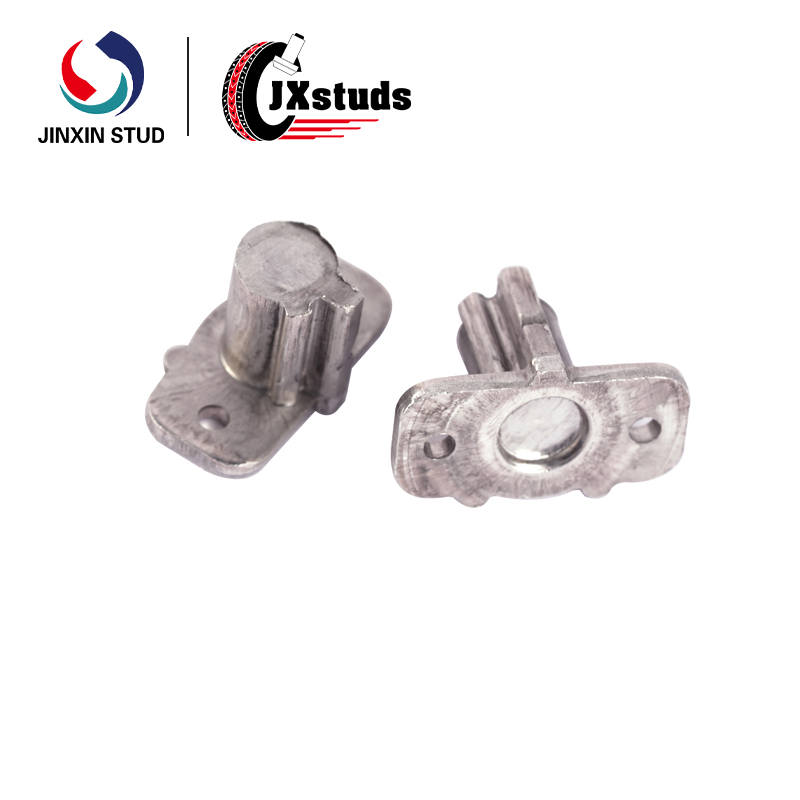
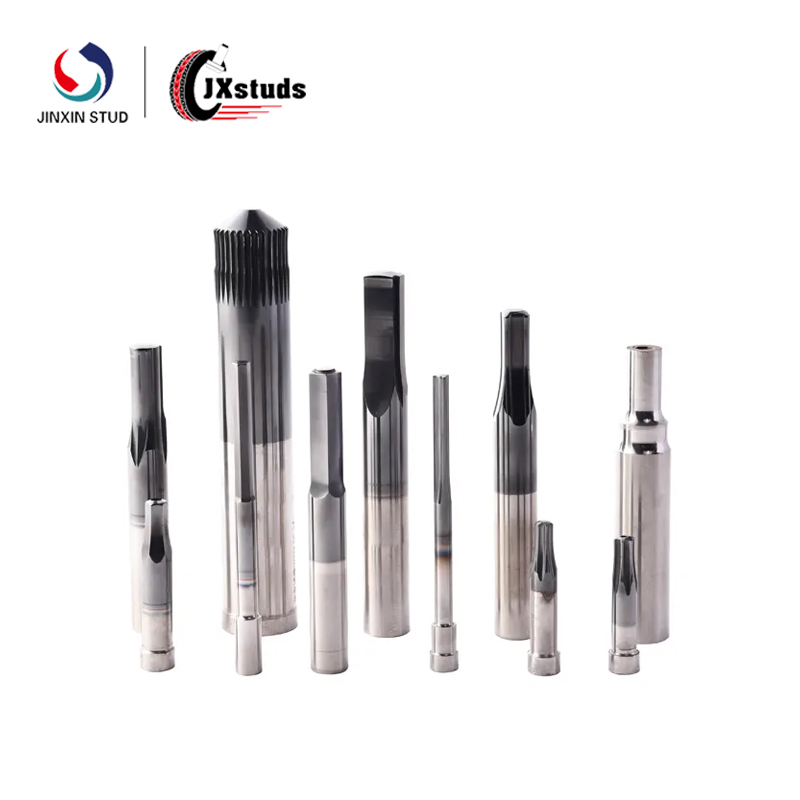
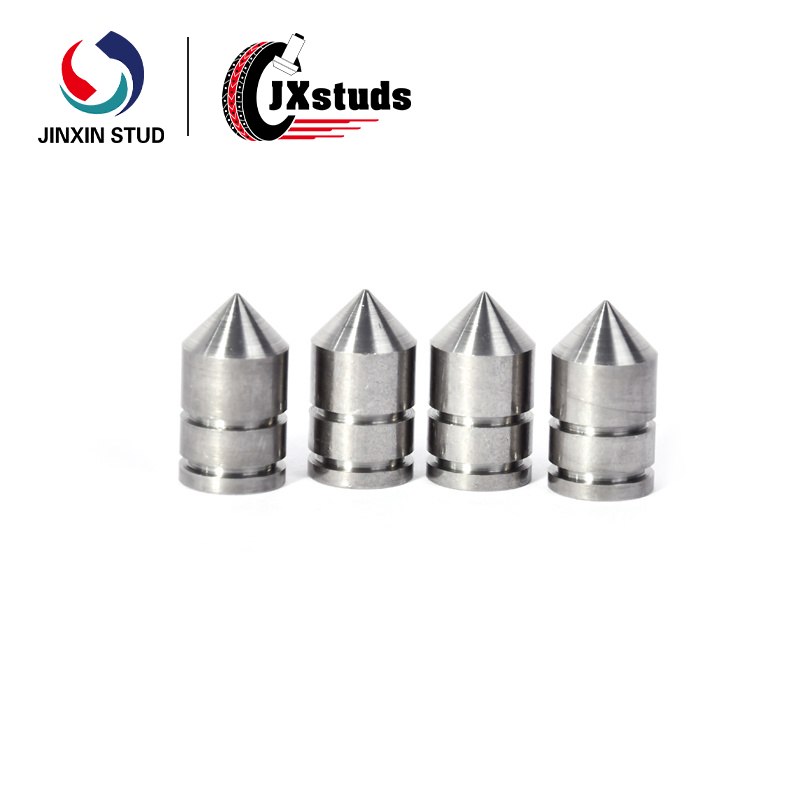
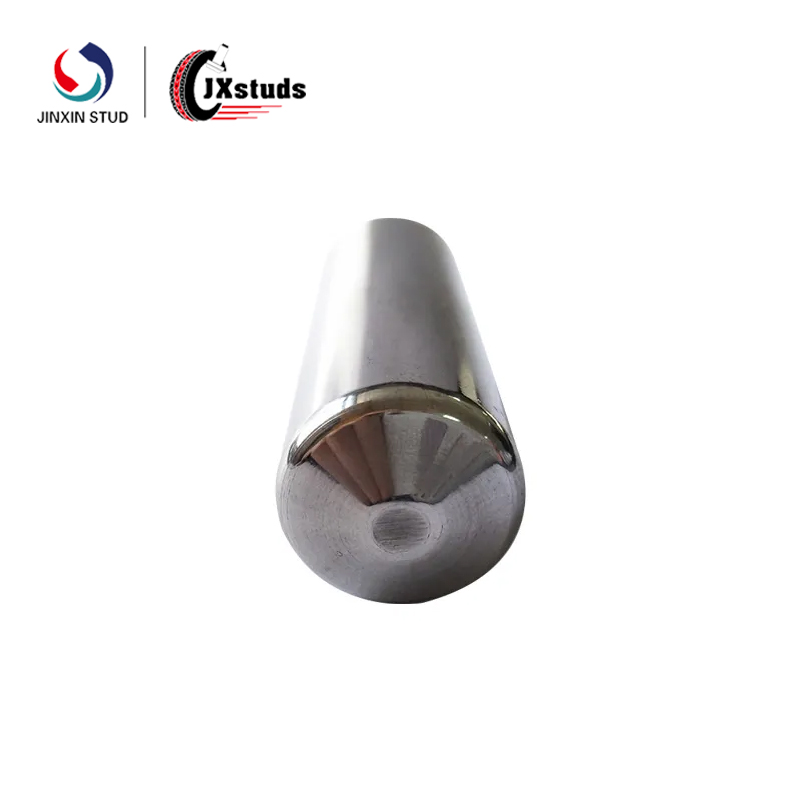
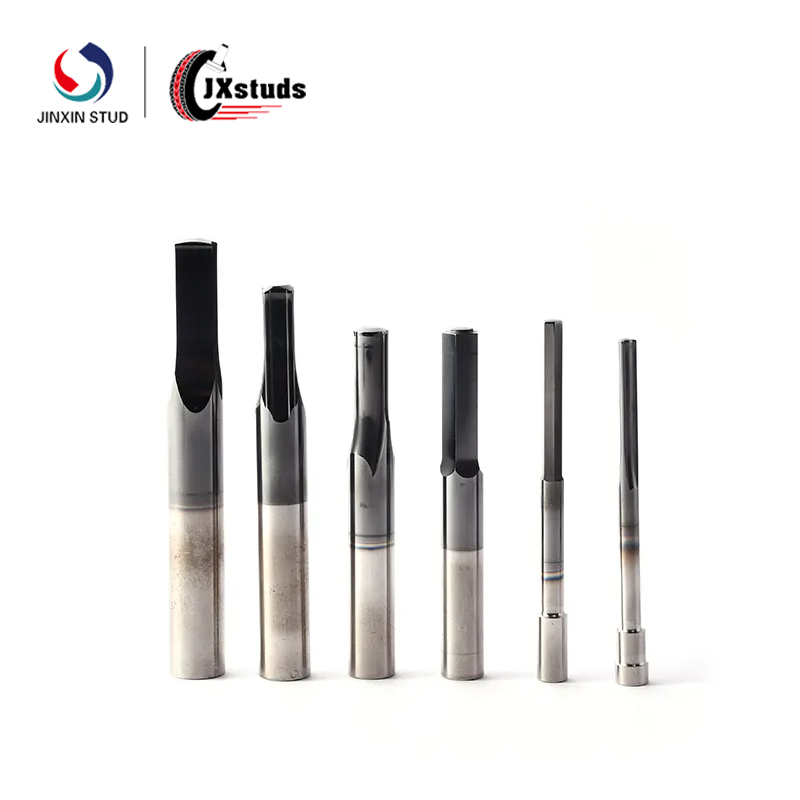
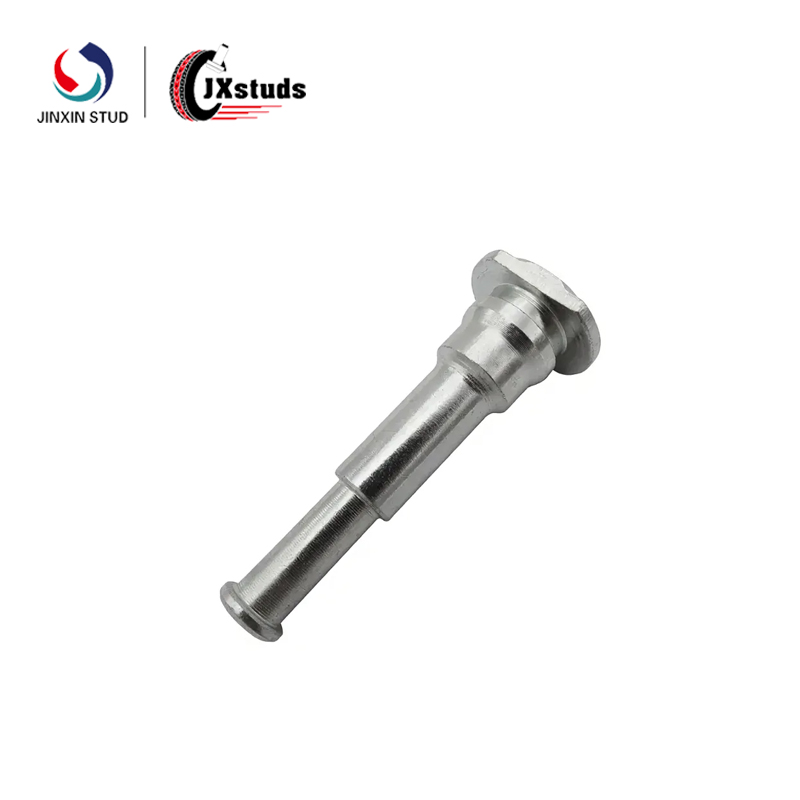
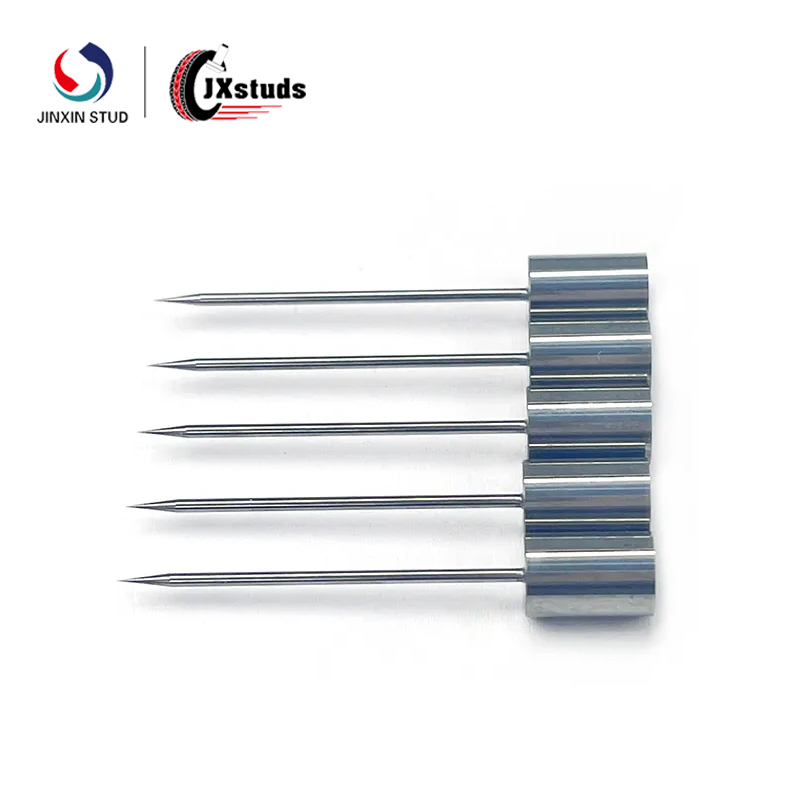
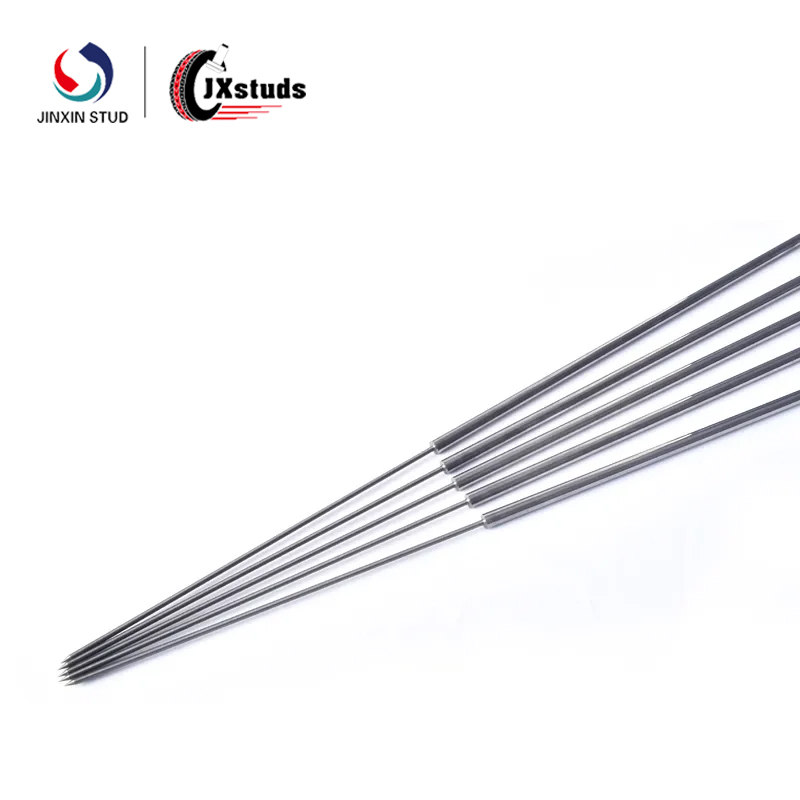
In precision machining terminology, a Christmas tree pin—also referred to as a fir-tree broach or pointed tree-shaped carbide bur—is a specialty cutting tool characterized by a stepped, conical profile that resembles the silhouette of a Christmas tree. This unique geometry is specifically designed for machining the complex, interlocking root profiles of turbine blades, where the blade root must mate precisely with the disc rim slots .
The "Christmas tree" or "fir-tree" shape is not merely aesthetic; it is a critical engineering feature. The multiple stepped teeth progressively remove material, creating a contoured slot that distributes centrifugal forces evenly across the blade root during high-speed rotation. This profile is essential in:
· Aerospace turbine engines: Machining blade root slots in disc rims
· Steam and gas turbine manufacturing: Power generation blade attachment systems
· Aircraft structural components: Specialized profile milling of high-temperature alloys
· Material: Tungsten Carbide – The Ultimate Tool Material
Our Christmas tree pins are manufactured from tungsten carbide, a composite material produced by powder metallurgy—sintering tungsten carbide (WC) particles with a metallic binder (typically cobalt) at high temperatures . This process creates a material of exceptional hardness and toughness, far surpassing tool steel.
Performance Comparison: Tungsten Carbide vs. High-Speed Steel
Parameter | Tungsten Carbide | High-Speed Steel (HSS) |
Hardness (HRA) | 90–92 | 82–86 |
Hardness (HRC Equivalent) | 70–75 | 62–66 |
Operating Temperature | Up to 600°C | Up to 400°C |
Wear Resistance | Exceptional; 10–20× longer tool life | Moderate; frequent re-sharpening required |
Flexural Strength (GPa) | 1.8–2.5 | 2.5–3.0 (higher toughness in HSS) |
Typical Applications | High-production, high-temperature alloys | General purpose, lower-cost tooling |
Core Properties That Drive Performance
Exceptional Hardness & Wear Resistance
Tungsten carbide achieves hardness of HRA 90–92, significantly exceeding that of hardened steel (HRC 60–65) . This extreme hardness translates directly into wear resistance: carbide tools maintain their cutting edge geometry for far longer than HSS equivalents, reducing tool change frequency and ensuring consistent profile accuracy across large production runs .
Superior High-Temperature Performance
Unlike HSS, which softens at temperatures above 400°C, tungsten carbide retains its hardness and cutting ability at elevated temperatures up to 600°C. This thermal stability is critical for machining high-temperature aerospace alloys such as Inconel, Waspaloy, and titanium—materials that generate intense heat during cutting and rapidly degrade conventional tooling .
High Compressive Strength & Rigidity
Carbide's high compressive strength (exceeding 4,000 MPa) and elastic modulus enable it to withstand the heavy cutting forces associated with profile machining without deformation. This rigidity ensures that the complex Christmas tree profile is maintained precisely, even under aggressive feed rates .
Corrosion Resistance
The carbide matrix provides superior resistance to chemical attack from coolants, oxidation, and atmospheric corrosion compared to tool steels—an important advantage in extended machining operations where tool degradation from environmental factors can be a concern .
Unique Shape: The Christmas Tree Profile
The stepped, conical "tree" geometry consists of multiple concentric cutting teeth of gradually increasing diameters along the tool's tapered length. This design provides several critical advantages:
· Progressive Material Removal: Each step removes a controlled amount of material, distributing the cutting load across multiple teeth rather than a single cutting edge. This reduces heat generation and extends tool life .
· Profile Accuracy: The form-ground profile ensures that the resulting slot precisely matches the blade root geometry—a requirement with tolerances often measured in microns.
· Efficient Single-Pass Cutting: The stepped design enables the tool to machine the full depth of the complex profile in a single pass, dramatically reducing cycle time compared to multi-pass operations with standard tools.
· Optimal Chip Evacuation: The stepped geometry creates chip-breaking features that improve chip flow and evacuation, reducing the risk of chip packing and tool damage .
· Key Application Domains
Turbine Manufacturing (Aerospace & Power Generation)
The primary application for Christmas tree pins is machining turbine disc blade root slots. These slots must accommodate the blade root with precise fit, as any deviation can lead to catastrophic failure under the extreme centrifugal forces experienced during operation. Carbide Christmas tree pins are essential for:
· Aircraft engine discs: Machining fir-tree root slots for compressor and turbine blades
· Industrial gas turbines: Power generation turbine blade attachment slots
· Steam turbines: High-temperature alloy rotor slotting
· Tool & Die Making
In precision toolmaking, Christmas tree pins are used to create complex internal profiles in dies and molds, particularly where multiple stepped features must be machined in a single pass.
Specialized Aerospace Machining
Beyond turbine discs, similar profile tools are used for machining titanium and nickel alloy structural components where complex stepped features are required .
Parameter | YG8 | YG15 |
Hardness (HRA) | ≥ 89.5 | ≥ 87.5 |
Density (g/cm³) | 14.6–14.8 | 14.0–14.2 |
TRS (N/mm²) | ≥ 2,200 | ≥ 2,500 |
Cobalt Content (%) | 8 | 15 |
Grain Size (μm) | 0.7–1.0 | 0.7–1.0 |
Recommended Application | High wear resistance, finishing cuts | High impact resistance, roughing, interrupted cuts |
Custom Configuration Options
Parameter | Options |
Overall Length | 40–150 mm (custom) |
Shank Diameter | 3 mm, 6 mm, 1/4", 1/2", or custom |
Profile Geometry | |
Coating | |
Tooth Cut Style | |
Material Grade | YG8 (standard), YG15 (toughness), or customer-specified |
Each Christmas tree pin undergoes rigorous quality verification:
· Profile Inspection: Optical comparator or CMM verification of complex stepped geometry
· Hardness Testing: Rockwell A scale verification per batch
· Dimensional Conformance: Critical dimensions inspected to customer drawing tolerances
· Material Certification: Chemical composition and physical properties documented
Parameter | Detail |
Minimum Order Quantity | Flexible; samples available for qualification |
Custom Tooling | Customer drawing required; tooling manufactured per specification |
Lead Time (Custom) | 4–6 weeks depending on complexity |
Documentation | Material Test Reports, dimensional inspection, coating certification |
Packaging | Individual protective packaging for precision-ground tools |
Contact our engineering team to discuss your carbide Christmas tree pin requirements, submit drawings for custom design, or request sample qualification for your turbine or aerospace application.